

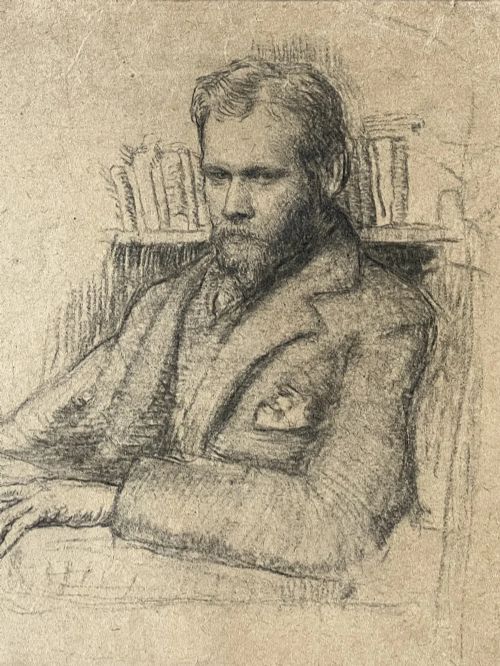
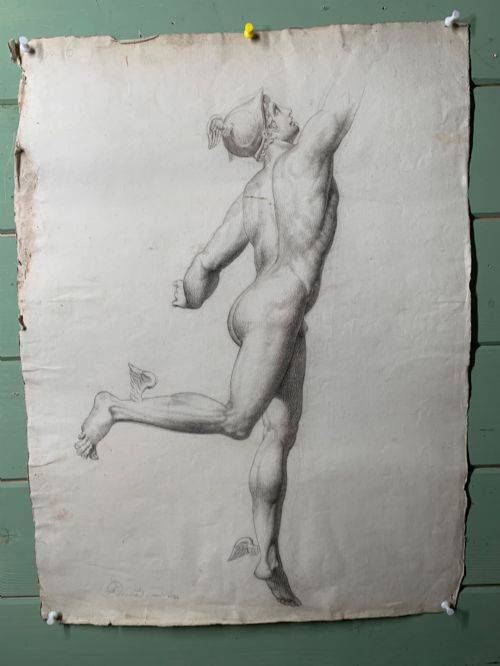


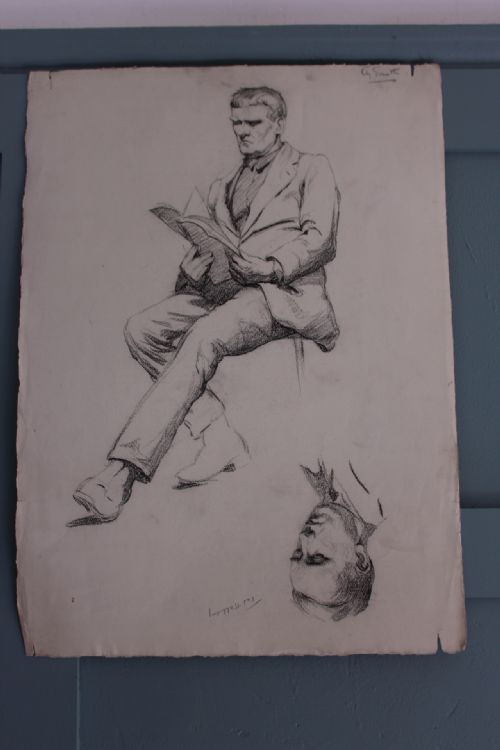


Graphite Figure Drawing
A graphite figure drawing brings academic life studies and intimate portraits into your home through delicate pencil work on paper.
Graphite Figure Drawing
A graphite figure drawing captures human subjects through meticulous pencil work, ranging from quick preparatory sketches to finished portraiture. When exploring a graphite figure drawing collection, you encounter works spanning from the eighteenth century through the modern British period.
Georgian and Regency examples sit alongside French academic pieces and surrealist compositions. This variety reflects changing artistic training and personal vision across multiple centuries.
Materials and execution
Framing materials commonly include traditional wood moulding and protective glass to preserve the delicate paper surface. Certain works utilise gold leaf within their presentation frames to complement the drawing.
Graphite Figure Drawing Retail Price Guide 2026
Typical asking prices for graphite figure drawing among the pieces listed under this phrase on Sellingantiques today, from the lower quarter to the upper quarter. They describe what is for sale here now, not the wider market.
Distinctions in quality
Quality rests upon the draughtsman's command of anatomy, proportion, and tonal gradation across the figure. Superior examples demonstrate confident line work and precise observation, whereas lesser works display tentative strokes and anatomical inaccuracies.
The significance of the sitter and the reputation of the hand also elevate a piece. Signed works by documented artists carry greater art historical weight than anonymous sketches of similar age.
Augustus John·Faeq Hassan·Sir Nathaniel Dance-Holland
The Graphite Figure Drawing Glossary
- Academic Realism
- A style of painting and drawing produced under the influence of European academies of art. It emphasises precise anatomical accuracy and classical proportions.
- Toned Paper
- Paper that possesses a natural tint other than white or off-white. Artists use it to build up highlights with white chalk and shadows with dark graphite.
- Life Study
- A drawing or painting of a live human model executed from direct observation. These exercises form the core of traditional academic artistic training.
- Surrealism
- A twentieth-century cultural movement that sought to release the creative potential of the unconscious mind. Works in this style often juxtapose realistic figures in dreamlike or illogical scenarios.
Graphite Figure Drawing: Frequently Asked Questions
How should I frame a graphite figure drawing?
Protect these works behind glass using acid-free mounting materials to prevent the delicate graphite and paper from degrading over time. Keep them away from direct sunlight to avoid fading the pencil marks.
Select simple wood frames that complement the age of the drawing without overpowering the subtle tones of the artwork.
What is the difference between academic and sketch styles?
Academic drawings focus on rigorous anatomical accuracy, proportion, and finished shading, often created as formal studies of nude models. Sketches are more spontaneous and capture fleeting expressions or preliminary ideas.
Both styles offer insight into the artist's working method and observational skills.
How do I identify eighteenth-century portrait drawings?
Eighteenth-century drawings typically exhibit specific paper types, watermark characteristics, and traditional portrait compositions common to Georgian artists. The clothing, hairstyles, and sitter attributions also provide clues to the period.
Documentation or signatures on the reverse often confirm the date of execution.
Can I hang original figure drawings in a bedroom?
Original works on paper suit bedrooms and studies well, provided the room lacks excessive humidity and direct sunlight. Proper glazing with UV-filtering glass protects the paper from environmental damage.
Rotate pieces occasionally to preserve the integrity of the graphite and paper.