




Grand Ceiling Light
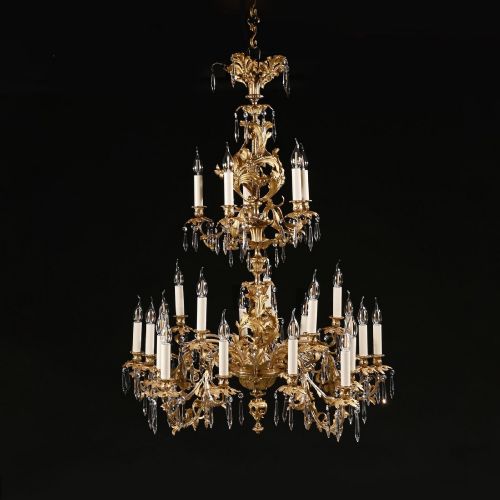
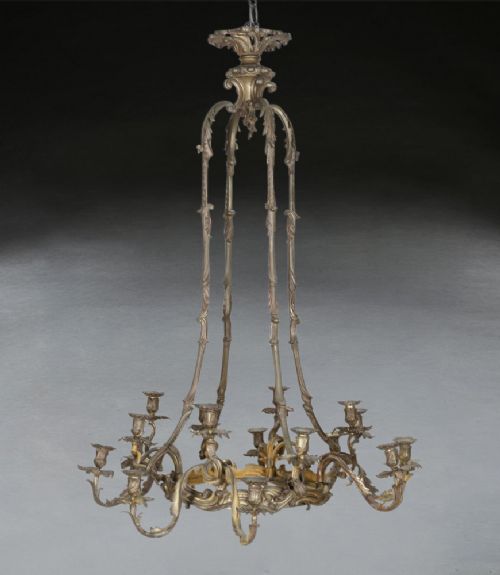
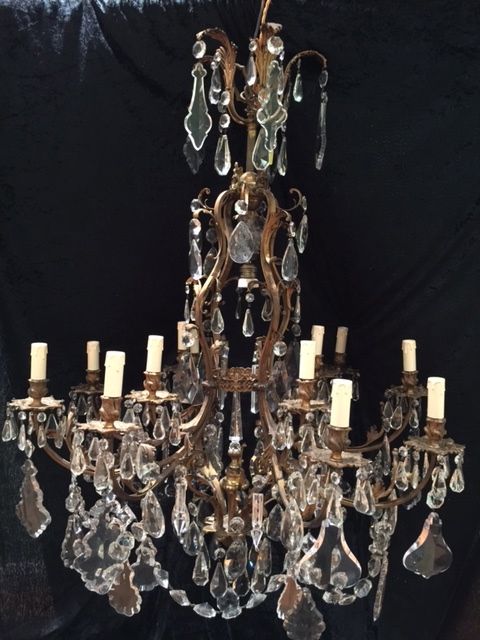
A grand ceiling light commands a room, bringing heavy tiers of crystal, bronze and brass to tall spaces that need proper scale.
Grand Ceiling Light
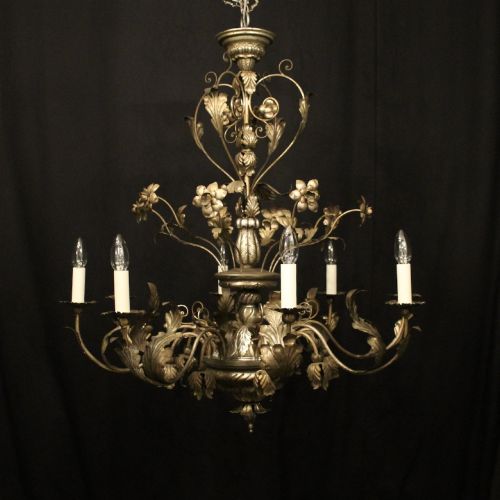
When you search for a grand ceiling light, you are looking at substantial fixtures designed to anchor large spaces, most frequently represented here by multi-tiered chandeliers, hall lanterns and pendant lights spanning periods from the Victorian era through the early twentieth century. These pieces arrive in distinct regional flavours, ranging from Italian Maria Theresa and Genoa designs to French Rococo and English ballroom proportions.
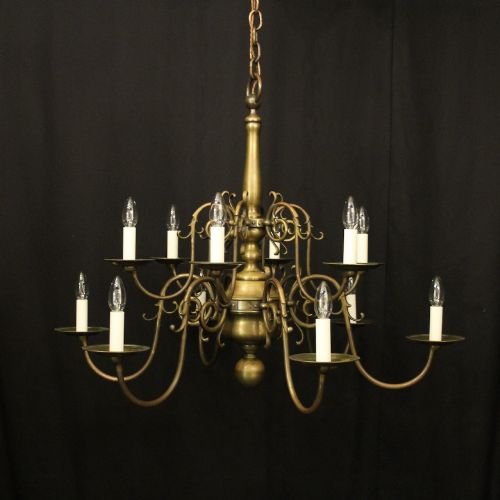
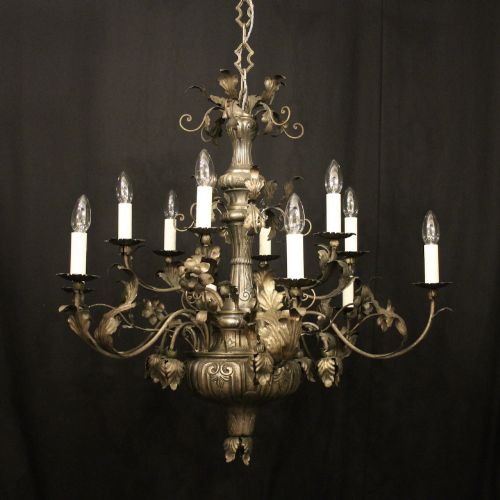
The most common forms you will meet on this page are heavy bronze or brass frameworks carrying upwards of eight, twelve, sixteen or even forty-one lights. They draw heavily on historical styles such as Neoclassical Revival, Italian Baroque and French Chateau, utilising abundant glass and crystal drops to fill high rooms with reflected illumination.
How they were made
Makers constructed the primary framework of a grand ceiling light using cast or forged metals, predominantly brass, bronze, gilded metal and gilt bronze, which provided the structural backbone needed to support numerous candle arms or electric bulb holders. These metal components often featured intricate surface chasing or gilding to enhance their visual weight.
Artisans then suspended extensive elements of cut glass, cut crystal, beads and coloured crystal from the metal armatures using wire or pinned linkages. This combination of dense metalwork and light-refracting crystal defined the construction methods of the nineteenth and early twentieth centuries.
Grand Ceiling Light Retail Price Guide 2026
Typical asking prices for grand ceiling light among the pieces listed under this phrase on Sellingantiques today, from the lower quarter to the upper quarter. They describe what is for sale here now, not the wider market.
Some ballroom chandeliers carry forty-one separate lights, requiring an immense ladder and extraordinary patience on cleaning day.
What varies in quality
The distinction between tiers of quality in these fixtures rests upon the crispness of the metal casting and the depth of the hand-finishing on the bronze or brass frames. Superior examples display sharply rendered ornamentation and consistent gilding or silvering that holds its character across every arm and tier.
Quality also reveals itself in the cut and clarity of the crystal or glass drops, where heavier, sharper facets catch and disperse light with greater brilliance than simpler moulded glass. The structural integrity of the internal wiring channels and the secure seating of each arm further separate standard production from exceptional examples.
Baccarat
The Grand Ceiling Light Glossary
- Chandelier
- A branched ceiling-mounted fixture designed to hold multiple lights. These large examples often feature multiple tiers and heavy crystal ornamentation.
- Hall lantern
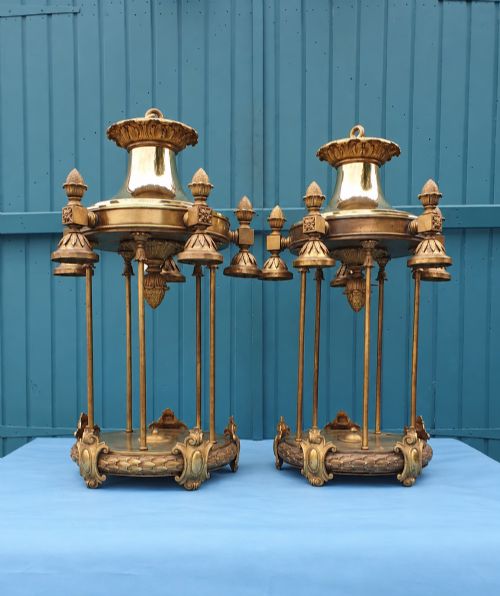
- An enclosed ceiling light, frequently of hexagonal or cylindrical form, designed to hang in entrance spaces and corridors.
- Maria Theresa
- A distinct chandelier style characterised by a flat metal framework covered in glass plaques and strings of octagonal crystals, often associated with Italian workshops.
- Gilt bronze
- Metal alloy cast with intricate detail and coated with a layer of gold, providing a rich, durable surface finish seen on many French pieces.
- Cut glass
- Glass shaped and patterned by abrasive wheel cutting, creating sharp facets that scatter illumination across high-ceilinged rooms.
Grand Ceiling Light: Frequently Asked Questions
How do I hang a heavy grand ceiling light?
Suspension requires fixing directly into the ceiling joists or installing a substantial steel support bracket capable of bearing significant dead weight. Professional installation by an electrician experienced with historic fixtures is essential.
Because these pieces often span large dimensions and weigh heavily, the drop height must be calculated carefully against the room clearance so the lower tiers clear foot traffic comfortably.
What rooms suit a grand ceiling light?
These substantial fixtures belong in rooms with generous vertical proportions, such as entrance halls, high-ceilinged drawing rooms, dining rooms and stairwells. Their scale overwhelms standard domestic ceiling heights.
Placing them centrally allows the multi-tiered crystal and brass or bronze arms to distribute light effectively across the entire perimeter of a large space.
How do I clean a crystal chandelier?
Routine maintenance involves dusting the arms and glass drops gently in place using a specialist long-handled soft brush or microfibre wand. For thorough cleaning, individual crystal elements may be washed by hand in warm soapy water.
Harsh chemical cleaners must be avoided to protect the underlying gilt bronze, brass or silvered metal finishes from chemical stripping or discolouration.
How do I tell Victorian from early twentieth century lights?
Victorian examples frequently display heavier Gothic Revival or ornate cast brass frameworks with solid proportions. Pieces from the 1900s to 1930s often incorporate lighter Neoclassical Revival lines or expansive multi-tiered crystal arrangements.
Examining the metal casting quality, wiring channels and structural assembly methods helps distinguish nineteenth-century production from later twentieth-century interpretations.