

Gothic Wood Panel
These heavy timbers carry centuries of church and manor history, bringing deep texture to a room when you choose a gothic wood panel.
Gothic Wood Panel
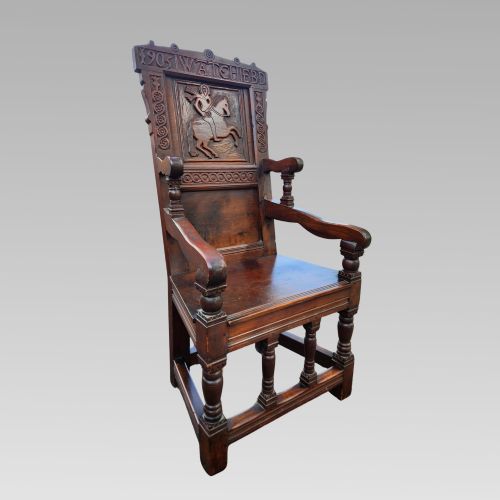
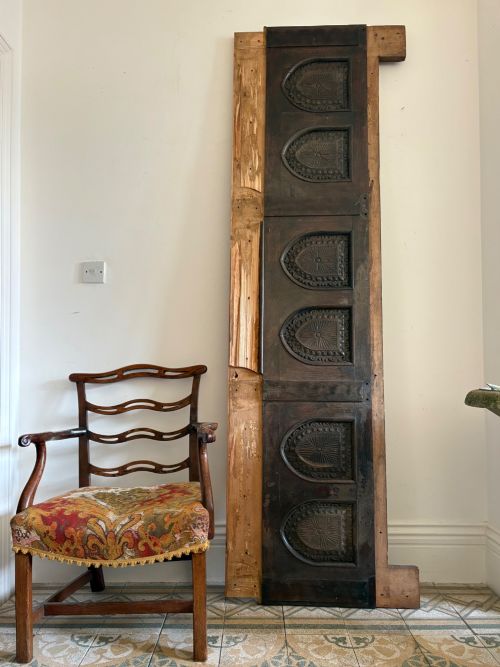
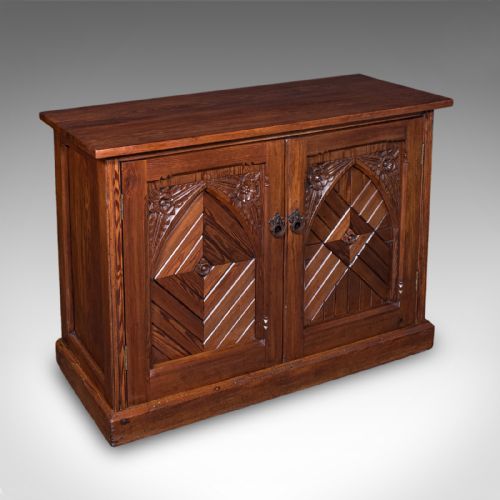
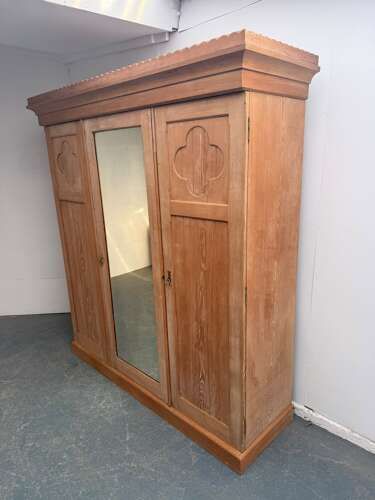
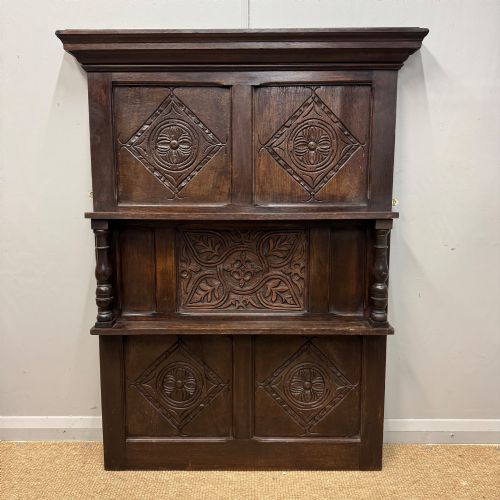
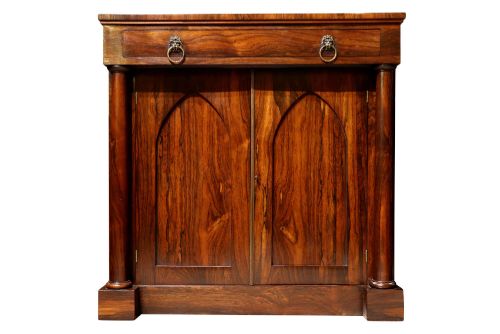
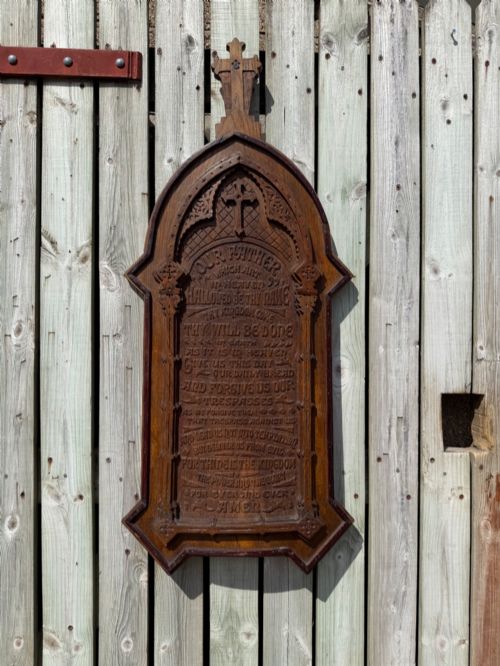
A gothic wood panel brings architectural gravity into a domestic interior, originating from ecclesiastical settings, secular panelling, or later revival schemes. When you search for a gothic wood panel, you encounter fragments salvaged from larger structures, church screens, and cabinetry alongside deliberate nineteenth-century revivals.
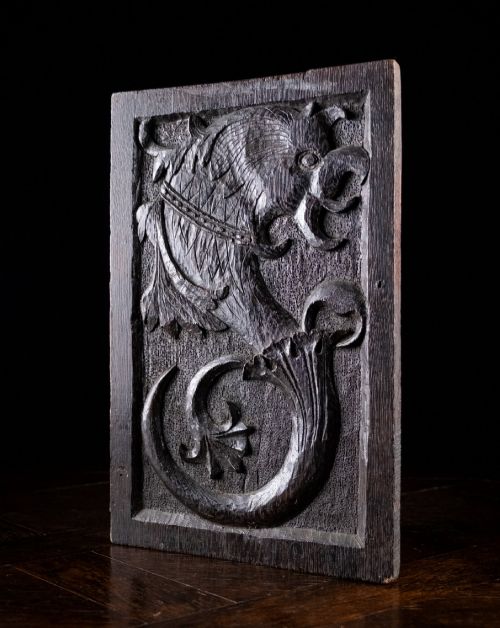
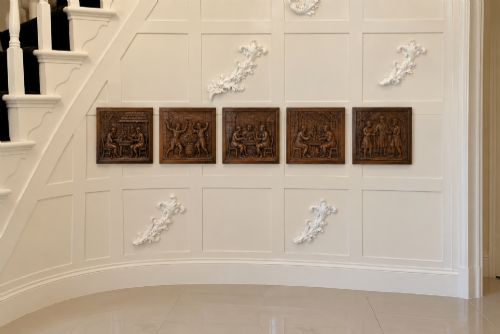
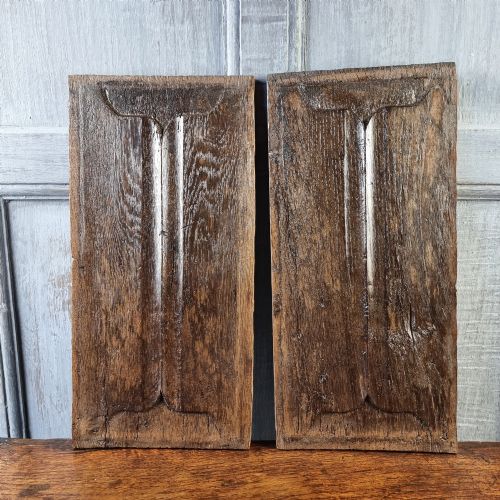
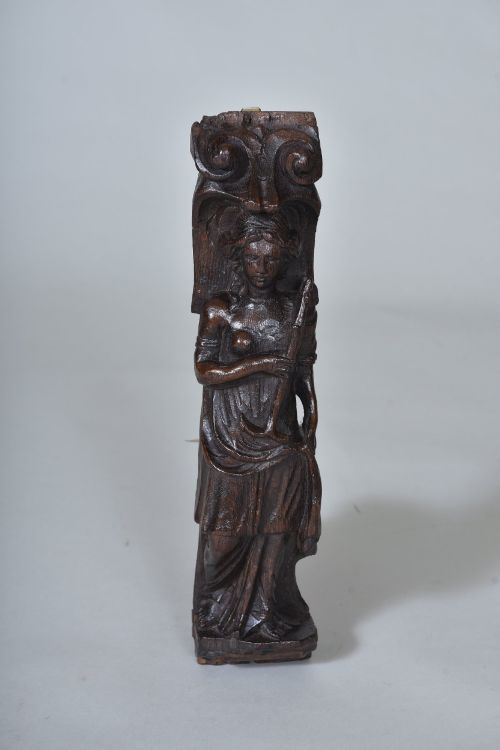
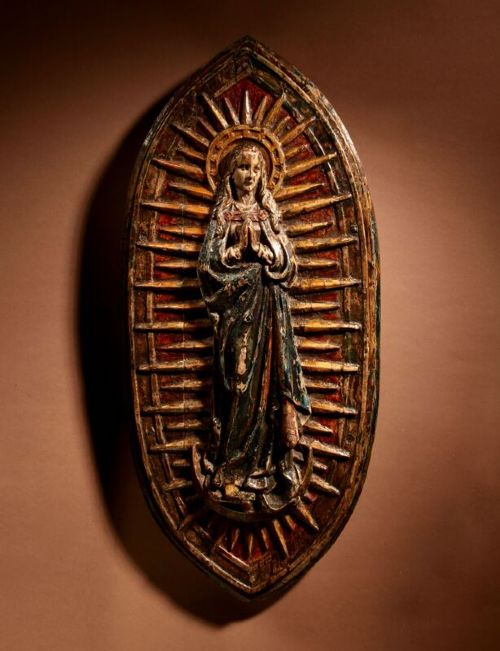
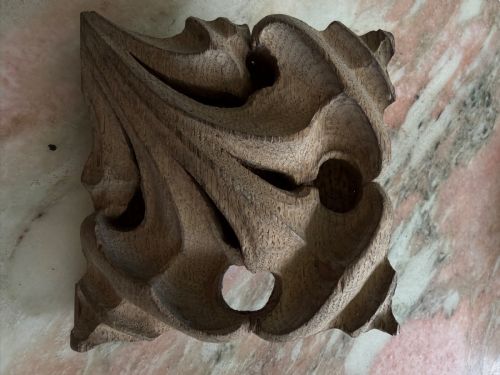
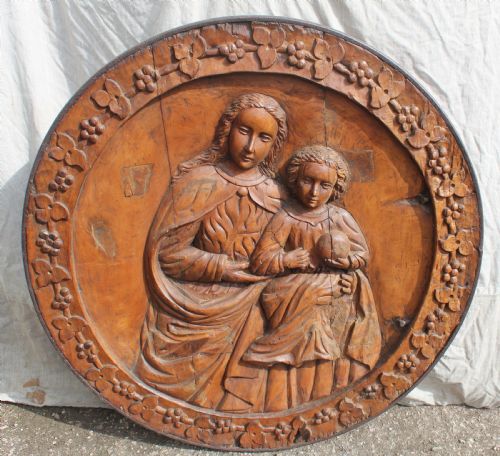
The selections span from sixteenth-century linenfold carvings and medieval fragments to Victorian interpretations utilising oak, pine, and fruitwood. Architectural salvage forms a significant portion of these items, presenting original tracery, carved bosses, and figurative reliefs intended for wall display.
Materials and Construction
Carpenters relied predominantly on native oak for structural stability and fine carving capability, though pine, walnut, and fruitwood also appear across the periods. Panels were typically joined using traditional mortise and tenon methods, allowing solid timber to expand and contract within fixed frames without splitting.
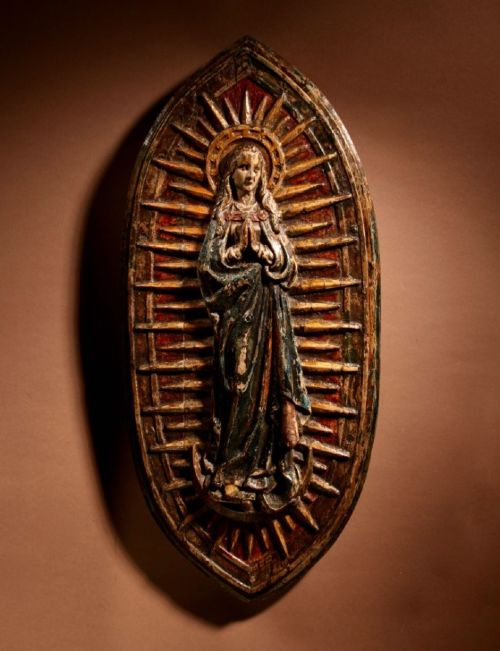
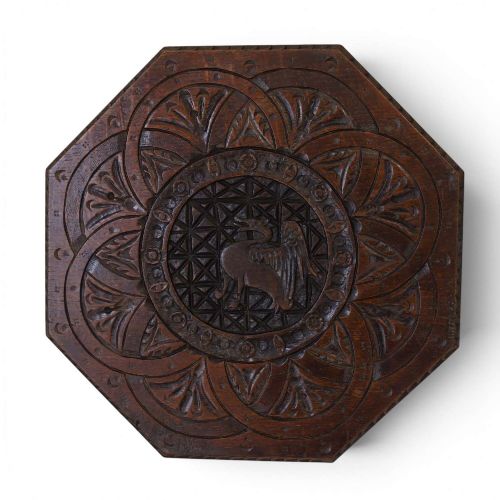
Carvers shaped the timber using gouges, chisels, and specialised planes to achieve deep relief motifs such as linenfold, parchemin, and intricate Gothic tracery. Surfaces were often left unfinished to age naturally, though occasional pieces retain traces of polychrome paint, gilding, or early wax finishes.
Gothic Wood Panel Retail Price Guide 2026
Typical asking prices for gothic wood panel among the pieces listed under this phrase on Sellingantiques today, from the lower quarter to the upper quarter. They describe what is for sale here now, not the wider market.
Materials documented across the inventory include solid oak, pine, walnut, and fruitwood, alongside occasional polychrome paint and gold leaf.
Distinctions in Quality
Depth and crispness of the hand-carving separate ordinary utilitarian woodwork from exceptional sculptural artistry. Sharp undercutting, confident chisel work, and well-proportioned tracery indicate a maker with advanced training in ecclesiastical workshops.
The integrity of the original timber and the extent of later restoration determine the standing of an artefact. Pieces retaining their original surface patination and structural cohesion without excessive replacement timber command greater appreciation among collectors.
The Gothic Wood Panel Glossary
- Linenfold
- A style of wood carving that imitates folded linen cloth, popular on sixteenth-century panels. This treatment gives flat surfaces a textured, textile-like appearance.
- Tracery
- Openwork stonework or woodwork ornamentation, typically consisting of intersecting ribwork. In panels, this manifests as geometric or pointed arch patterns derived from Gothic windows.
- Parchemin
- A flat panel carved in low relief to resemble parchment or rolled paper. It forms a subtle geometric decoration common in Tudor and Elizabethan joinery.
- Wainscot
- Fine oak panelling used to line the interior walls of rooms, or applied to the back and sides of heavy armchairs. The term denotes high-quality timber selected for interior joinery.
- Ceiling Boss
- A decorative projecting block of wood placed at the intersection of rib vaulting or ceiling beams. These often feature carved foliage, grotesques, or figurative imagery.
Gothic Wood Panel: Frequently Asked Questions
How were these panels originally used?
These elements served primarily as decorative wall linings within churches, cathedrals, and wealthy manor houses to insulate rooms and display status.
Many also functioned as structural components of rood screens, altarpieces, furniture backs, and fitted ecclesiastical seating.
How do I hang a heavy timber panel safely?
Due to the substantial weight of solid oak and architectural salvage, secure wall fixings directly into structural studs or masonry are essential.
Custom metal brackets or concealed french cleats provide reliable support without damaging the antique wooden frame.
How do I tell sixteenth-century work from Victorian revivals?
Sixteenth-century examples display dense, oxidised timber with tool marks appropriate to hand-powered saws and chisels, alongside natural shrinkage and wear.
Victorian Gothic Revival pieces often feature machine-sawn backing, brighter timber tones, and stylised carving that adheres to nineteenth-century romantic notions of the medieval era.
How should I care for dry antique oak?
Maintain stable indoor humidity levels away from direct heat sources and radiators to prevent the dry timber from cracking or warping further.
Applying a light coat of microcrystalline wax periodically helps nourish the grain without attracting dust or altering the historic patination.