
Gothic Wood Carving
Gothic wood carving brings centuries of heavy timber architecture, ecclesiastical symbols and dark domestic furniture into modern rooms.
Gothic Wood Carving
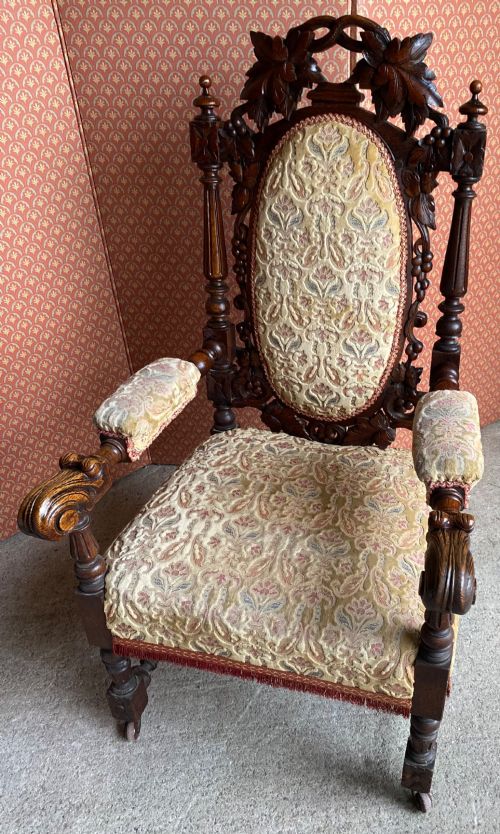
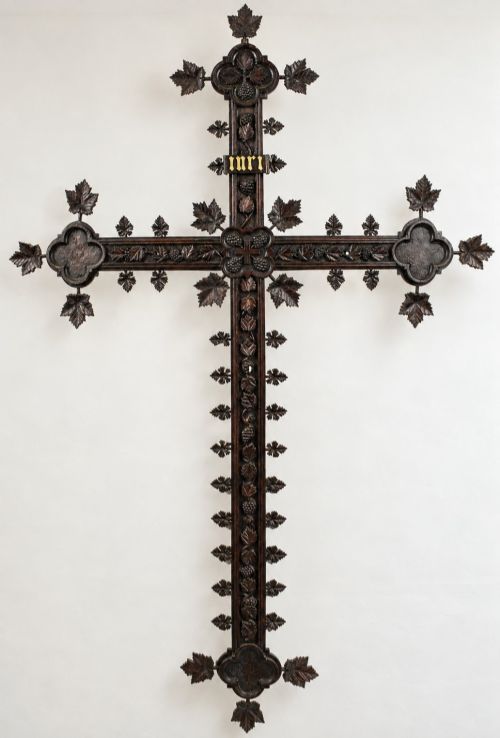
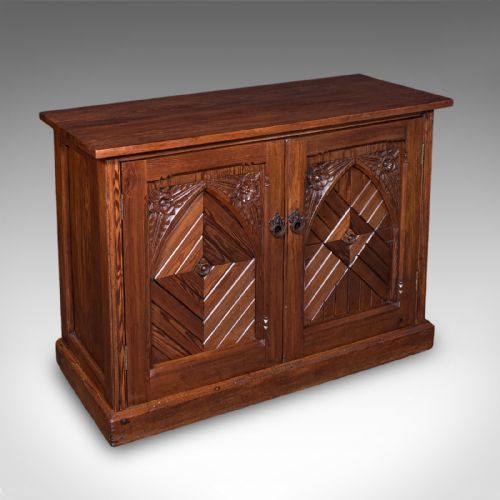
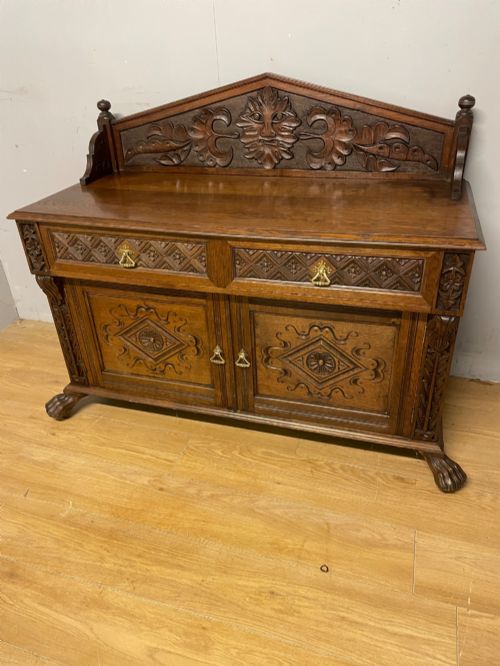
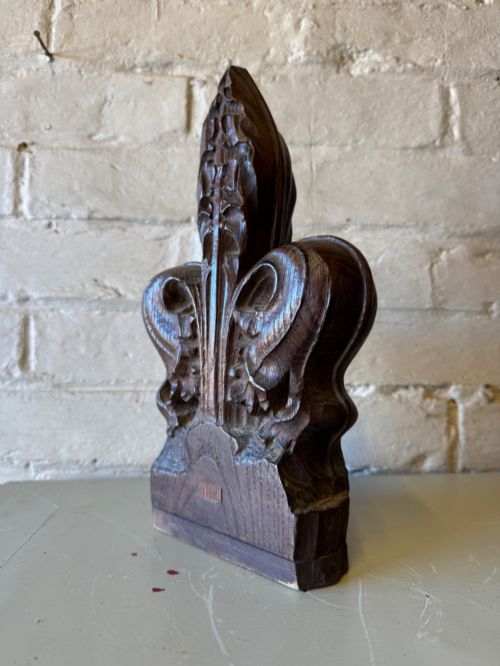
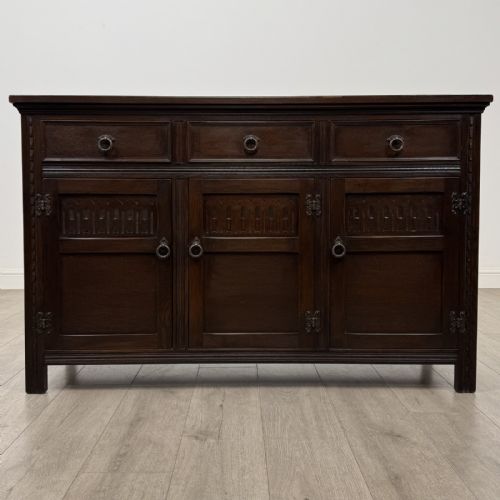
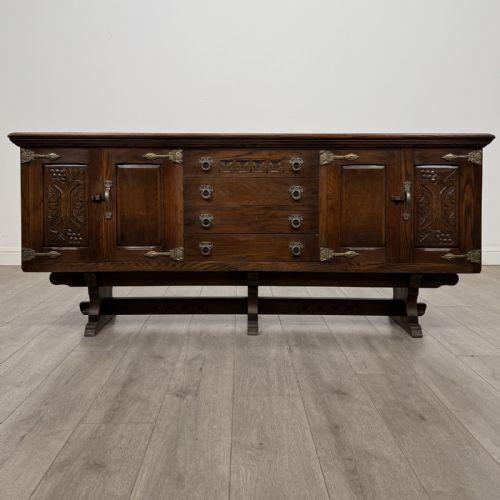
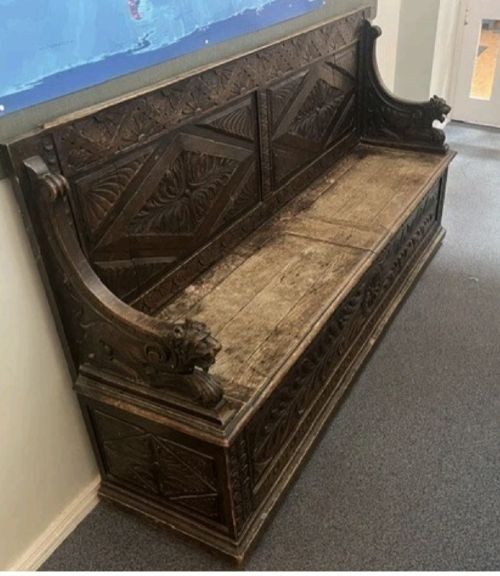
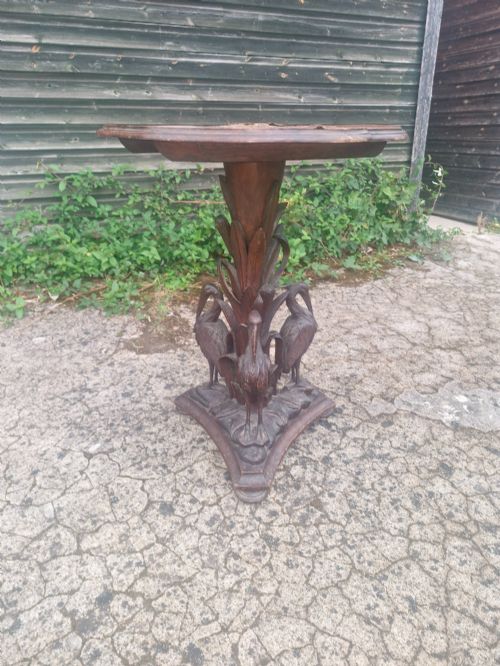
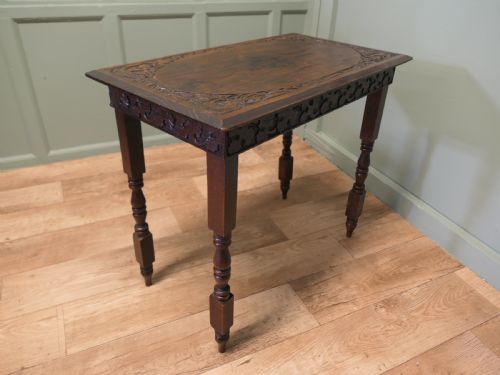
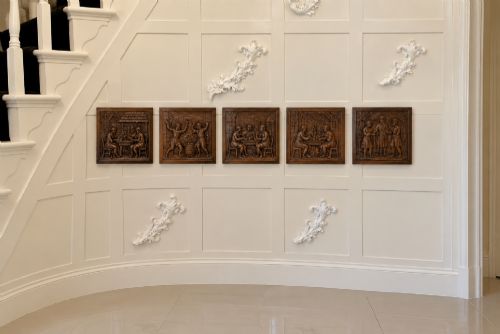
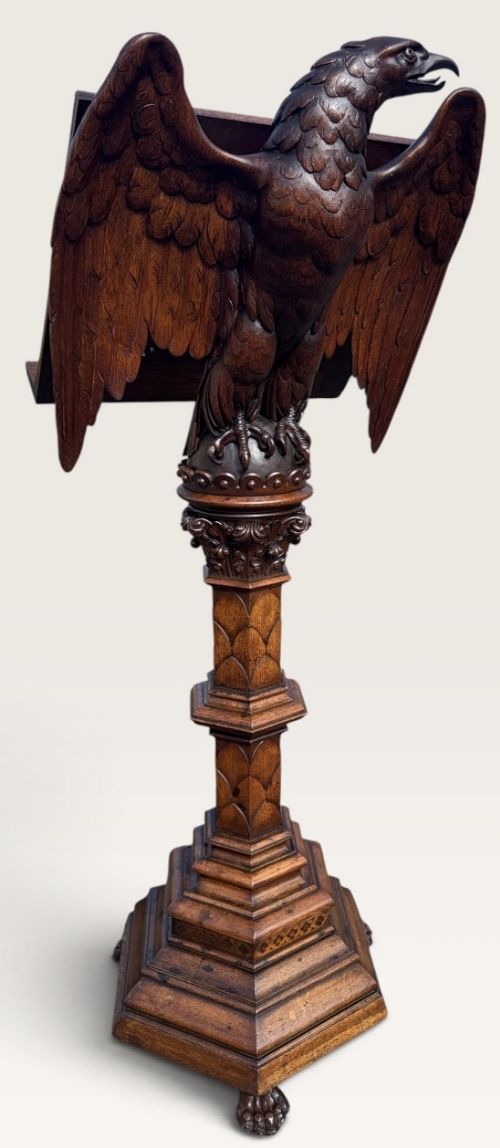
A gothic wood carving search reveals architectural salvage, heavy oak sideboards, linenfold panels and figural sculptures spanning from sixteenth-century ecclesiastical fragments to nineteenth-century Gothic Revival cabinets. You will most frequently meet Victorian and nineteenth-century interpretations of earlier styles, particularly carved oak panels, tables and storage furniture decorated with green man motifs, tracery and poppy head finials.
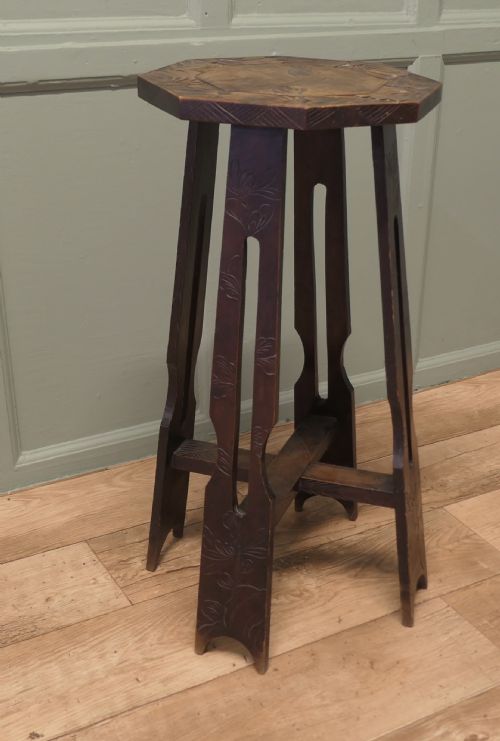
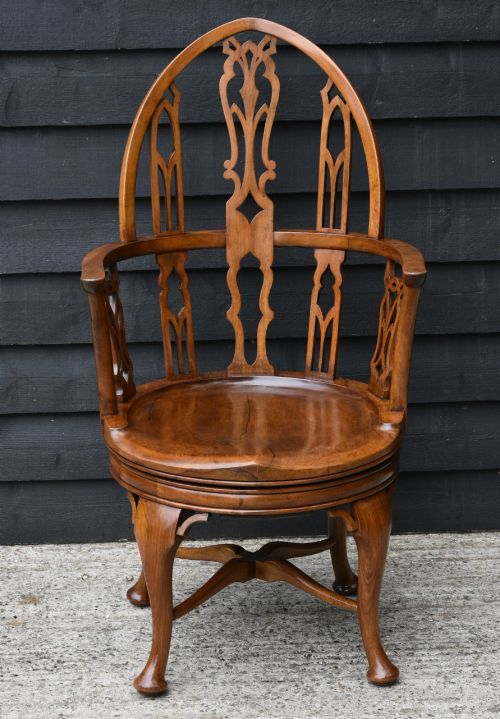
The objects range from small walnut devotional sculptures and table-top collectors cabinets to massive architectural panels, benches and sideboards designed for grand nineteenth-century interiors. Practical domestic items such as writing desks, bookcases, hall chairs and blanket boxes appear alongside distinct architectural salvage and religious fragments.
How they were made
Solid oak provides the primary structural and carving medium across the centuries, supplemented by occasional walnut, elm and pine. Artisans shaped these dense timbers using hand chisels and gouges to achieve deep relief work, crisp linenfold folds and intricate architectural tracery.
Joinery methods match the periods of production, utilising pegged mortise and tenon joints in earlier centuries and robust nineteenth-century framing to support heavy carved ornamentation.
Green men peer out from nineteenth-century oak tables and bookcases, quietly bringing ancient forest folklore straight into the Victorian hallway.
What varies in quality
Depth and sharpness of chisel work separate mass-produced nineteenth-century items from earlier hand-carved pieces and master revival workshops. The crispness of undercut foliage, the anatomical proportions of figural elements like green men and madonnas, and the integration of carved ornament into the structural joinery determine the visual strength of a piece.
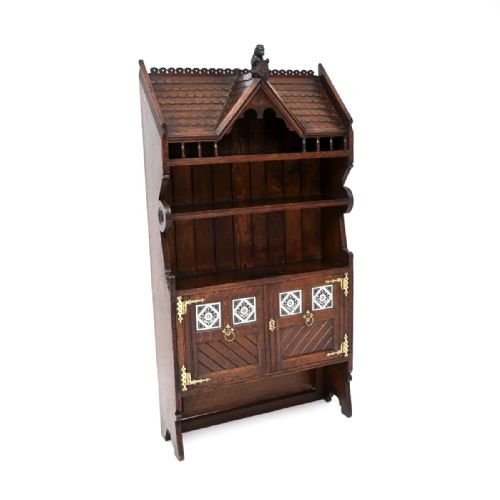
John Moyr Smith
The Gothic Wood Carving Glossary
- Linenfold
- A style of wood carving imitating folded parchment or linen, commonly used on sixteenth-century panels and later revival furniture. It creates a textured, repetitive geometric surface across cupboard doors and chest fronts.
- Poppy head
- An ornate carved ornament capping the top of a bench end or finial, often resembling a bud or stylised flower. These appear frequently on early ecclesiastical woodwork and revival seating.
- Tracery
- Openwork stonework patterns translated into wooden furniture and architectural panels, featuring intersecting ribs and geometric shapes. It defines the ecclesiastical aesthetic of Gothic Revival design.
- Green man
- A sculptural face carved from foliage or sprouting leaves from its mouth, symbolising rebirth. This motif populates nineteenth-century oak sideboards, panels and tables.
Gothic Wood Carving: Frequently Asked Questions
How do I identify sixteenth-century carvings?
Sixteenth-century pieces typically display dense, oxidised oak with hand- adzed surfaces and authentic peg construction consistent with early joinery techniques. The motifs rely on genuine ecclesiastical iconography, such as medieval altarpiece panels or early linenfold designs, rather than later revival interpretations.
Examination of the timber grain, shrinkage patterns and tool marks helps separate genuine sixteenth-century panels from nineteenth-century Gothic Revival copies made to look older.
Where were these pieces used originally?
Many items originated in churches, abbeys and large country houses before being repurposed or collected during the nineteenth-century Gothic Revival movement. Architectural salvage, altarpieces and choir stall fragments were frequently incorporated into Victorian libraries, halls and studies.
Domestic items like oak sideboards, blanket boxes and hall benches were built specifically for grand Victorian and Edwardian dining rooms and hallways designed in the Gothic taste.
How do I clean carved oak?
Dust carved surfaces gently using a soft-bristled brush to reach deep into crevices without damaging the aged patina of the timber. Avoid modern liquid polishes, silicone sprays or harsh chemical cleaners that can permanently darken or degrade historic wood finishes.
Application of a traditional beeswax can help nourish dry oak surfaces periodically, provided it is buffed thoroughly to maintain a natural, matte appearance.
What is Gothic Revival furniture?
Gothic Revival furniture comprises nineteenth-century pieces designed to emulate medieval architecture and ecclesiastical furnishings. These items adopt pointed arches, tracery, heavy proportions and dark finishes inspired by earlier centuries.
Makers utilised traditional joinery and deep relief carving to recreate a medieval aesthetic suitable for contemporary Victorian homes.