





Gothic Wall Hanging Plaque
A gothic wall hanging plaque brings rich architectural character and historical depth directly into a modern room.
Gothic Wall Hanging Plaque
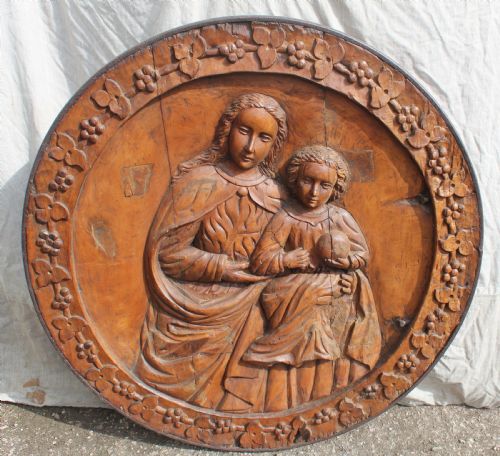
A gothic wall hanging plaque draws upon historical motifs, architectural fragments and religious or heraldic themes to create striking interior decoration. When exploring this selection, buyers encounter pieces primarily originating from the nineteenth century alongside select eighteenth-century examples.
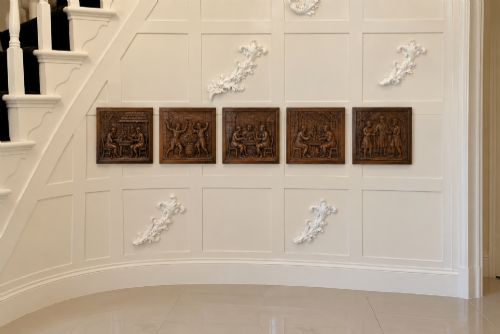
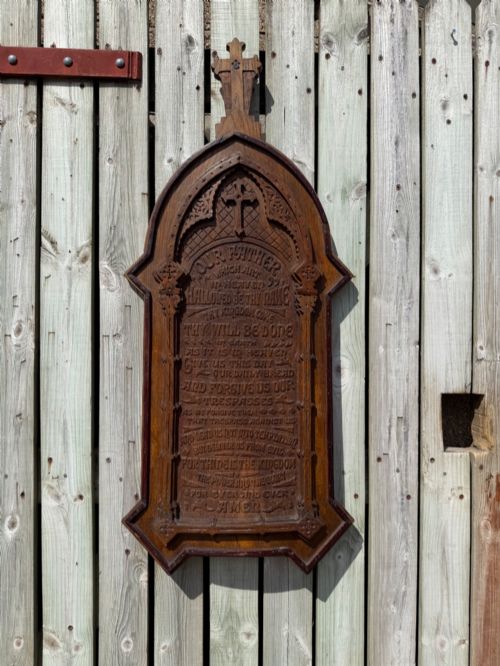
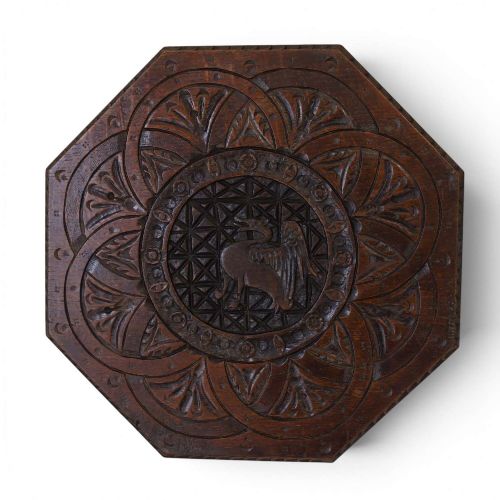
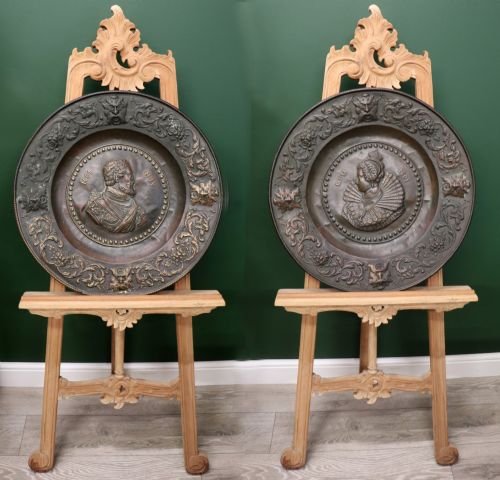
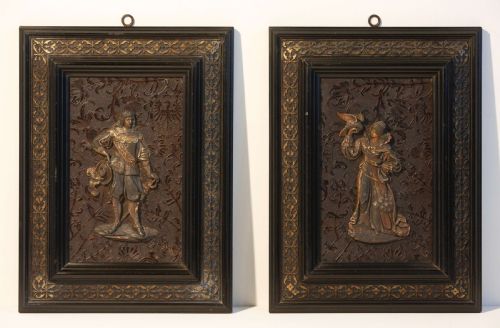
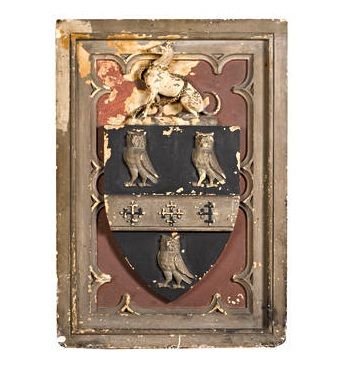
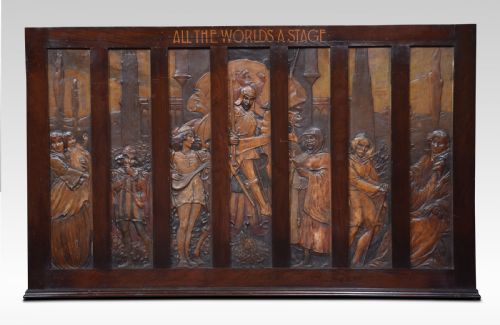
The forms vary considerably across the inventory, ranging from carved oak panels and portrait plaques to copper wall chargers and cast iron armorial pieces. Many items repurpose earlier elements, such as former tabletops or architectural fragments, giving them a new purpose as wall art.
Stylistically, the selection embraces Gothic Revival, Baroque Revival and Arts and Crafts influences. Subjects span from religious texts and classical portraits to narrative scenes like the chicken thief.
Materials and Construction
Makers utilised a diverse array of traditional materials, most notably oak, walnut, fruitwood and ebonised wood. Carved wood pieces demonstrate skilled handwork, rendering deep relief portraits, heraldry and figural scenes with distinct texture.
Gothic Wall Hanging Plaque Retail Price Guide 2026
Typical asking prices for gothic wall hanging plaque among the pieces listed under this phrase on Sellingantiques today, from the lower quarter to the upper quarter. They describe what is for sale here now, not the wider market.
Listings feature items spanning the eighteenth and nineteenth centuries, utilising oak, walnut, copper, bronze, cast iron, and painted plaster.
Assessing Quality and Execution
Quality rests upon the depth of the carving, the crispness of the casting and the integrity of the materials. Finely worked wooden panels display sharp undercut details in the foliage or figures, whilst superior metal pieces show clean lines in portraiture and armorial relief.
The relationship between the original function and the current mounting matters significantly. Pieces that integrate former tabletops or architectural elements successfully into a wall-hanging format demonstrate thoughtful adaptation and balanced proportions.
The Gothic Wall Hanging Plaque Glossary
- Armorial
- Relating to heraldry or coats of arms. These designs often appear cast in iron or modelled in relief panels.
- Gothic Revival
- An architectural and artistic movement originating in the mid-eighteenth century and flourishing during the Victorian era. It draws inspiration from medieval design, pointed arches and elaborate tracery.
- Relief
- A sculptural technique where the sculpted elements remain attached to a solid background of the same material. High relief projects boldly from the surface, creating strong shadows.
- Wall Charger
- A large decorative plate or dish intended for display on a wall rather than for dining use. Copper and brass examples often feature hammered portraits or historical scenes.
Gothic Wall Hanging Plaque: Frequently Asked Questions
How do I hang a heavy wooden plaque safely?
Heavy carved wood and cast iron pieces require sturdy wall fixings anchored directly into masonry or wall studs. Utilise appropriate brackets or hidden metal plates rated for the specific weight of the object.
Ensure the hanging wire or integrated mounting points on the back are secure before committing the piece to the wall.
What periods do these wall plaques come from?
The pieces span from the eighteenth century through to the late nineteenth century, encompassing the Victorian era and the Arts and Crafts movement. Nineteenth-century revivals of earlier styles make up a significant portion of the items.
Dates are established through material analysis, style, and documented maker details where available.
How should I clean a carved wooden panel?
Dust gently with a dry, soft-bristled brush to remove particulate matter from the recesses of the carving. Avoid chemical polishes or excessive moisture, which can damage aged timber and historic finishes.
Applying microcrystalline wax sparingly can help protect antique wood surfaces if they appear dry.
Are metal wall chargers made of solid copper?
Metal chargers often consist of hammered copper or bronze, sometimes featuring applied gilding or white metal highlights. The construction technique involves shaping sheet metal or casting molten metal into detailed moulds.
Examination of the reverse side often reveals hammer marks or casting seams characteristic of the period.