





Gothic Style Wooden Stool
These gothic style wooden stool examples bring centuries of dark woodwork and architectural lines straight into a modern room.
Gothic Style Wooden Stool
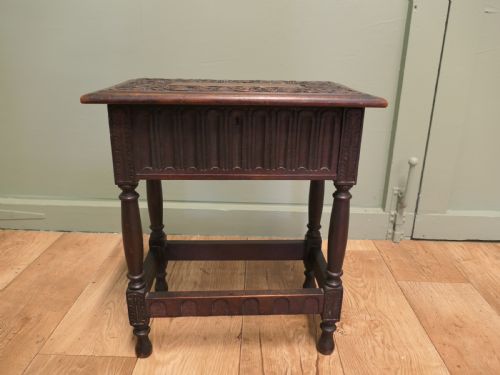
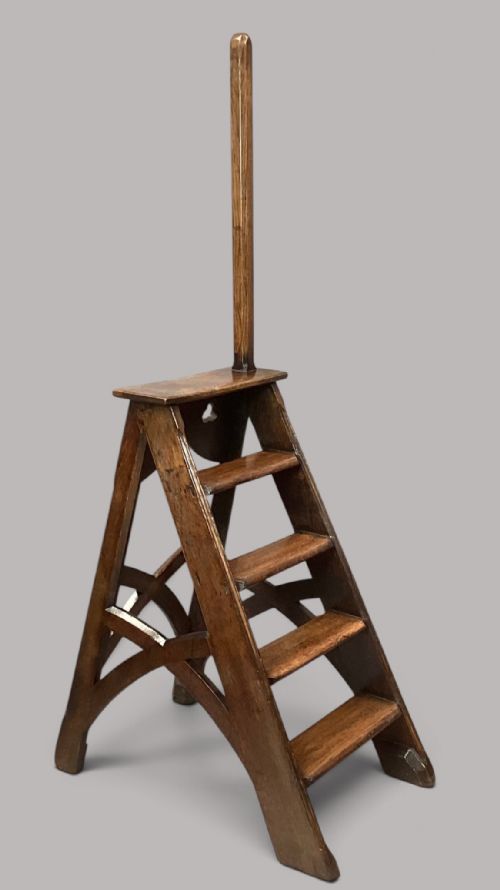
A gothic style wooden stool carries heavy architectural motifs translated into domestic seating from the seventeenth century onwards.
Buyers will encounter nineteenth century interpretations and Arts and Crafts revival pieces alongside older boarded forms on this page.
Formats range from simple boarded trestle structures to carved piano stools and occasional tables serving similar decorative functions.
Construction and materials
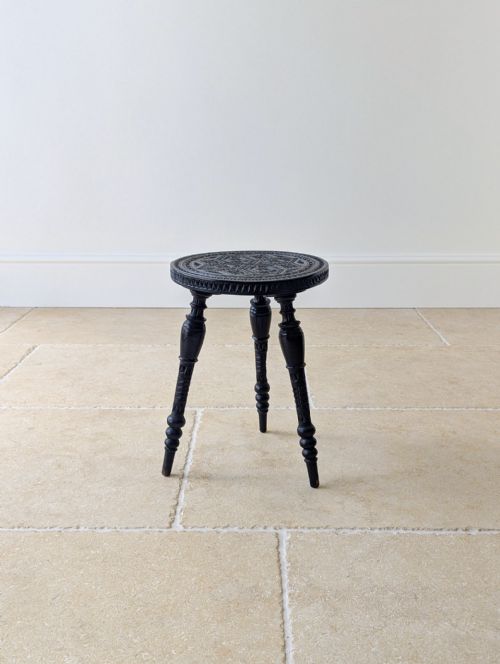
Makers relied primarily on solid oak and various hardwoods, sometimes adding ebonised finishes or iron fixings to achieve a severe medieval aesthetic.
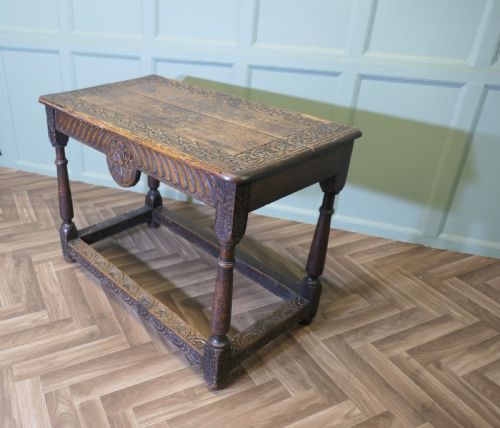
Surface decoration frequently involves chip carving, bringing geometric patterns and architectural tracery directly into the timber.
Gothic Style Wooden Stool Retail Price Guide 2026
Typical asking prices for gothic style wooden stool among the pieces listed under this phrase on Sellingantiques today, from the lower quarter to the upper quarter. They describe what is for sale here now, not the wider market.
The listings span from seventeenth-century oak boards to twentieth-century Arts and Crafts interpretations in stained hardwood and walnut.
Assessing quality and execution
Superior examples display crisp, deliberate hand carving that enhances the structural integrity rather than masking poor timber selection.
The weight of the wood and the honesty of the joinery dictate the longevity and overall presence of each piece.
The Gothic Style Wooden Stool Glossary
- Trestle form
- A structural arrangement where the top rests on upright side supports or feet. This construction method provides notable stability.
- Chip carved
- A technique where small chips are removed from the surface of the timber to create geometric patterns. It demands steady hand control.
- Ebonised
- Wood treated with a chemical stain or finish to imitate ebony. This dark surface was popular during the Victorian period.
- Apprentice piece
- A small or experimental item made by a trainee to demonstrate skill to a guild. These items often show remarkable detail.
Gothic Style Wooden Stool: Frequently Asked Questions
Where should I place a gothic stool?
These pieces suit quiet corners, hallways, or beside low seating where their dark timber provides a strong visual anchor. They also function well as small plant stands or side surfaces.
Keep them away from direct heat sources to prevent the timber from drying out and splitting over time.
How do I date a wooden stool?
Look closely at the tool marks, the method of joinery, and the wear patterns on the feet and seat. Older pieces often show hand-adzed surfaces and traditional pegged joints.
Revival pieces from the nineteenth century frequently employ machine-sawn timber combined with hand-applied chip carving.
Are these stools comfortable for daily seating?
Most historic examples were built for occasional use or specific tasks like playing the piano rather than lounging. Their solid wooden tops encourage upright posture.
Adding a loose period-appropriate textile pad can soften the seat without altering the timber structure.
What maintenance do these woods require?
Apply a microcrystalline wax occasionally to nourish the oak or hardwood and maintain a soft sheen. Avoid modern silicone sprays that can damage historic finishes.
Dust regularly with a dry cloth to prevent dirt from settling into the deep recesses of the carving.