



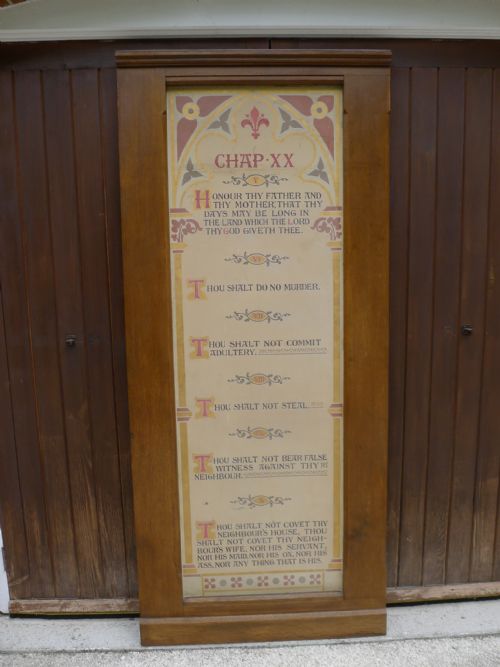
Gothic Oak Board
These gothic oak board pieces span centuries of sturdy carpentry, offering authentic medieval character for any traditional interior.
Gothic Oak Board
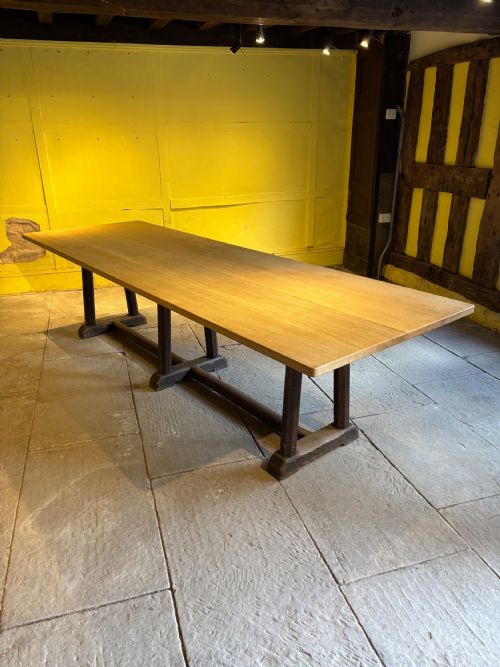
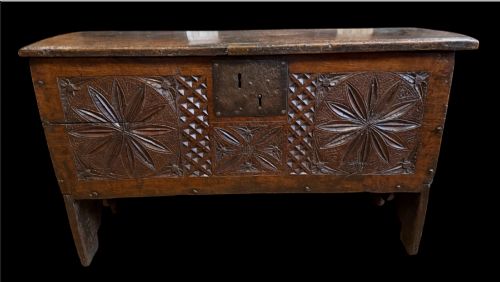
A gothic oak board brings heavy timber construction and ecclesiastical presence into domestic spaces, drawing directly from centuries of historic joinery. Buyers searching for a gothic oak board will find a range of forms, from early heraldic panels and plank coffers to boarded stools and large refectory tables. The examples on this page cover multiple eras, from pre-sixteenth century fragments up through nineteenth-century revivals and early twentieth-century interpretations.
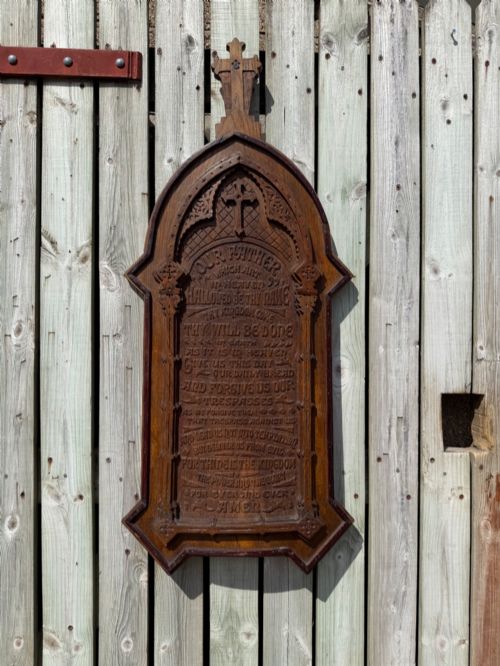
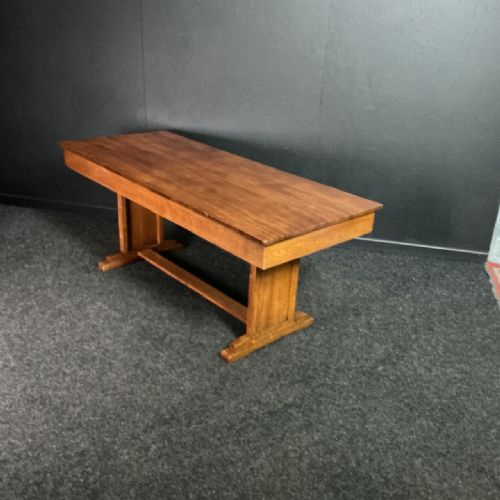
Many items show their original utilitarian purpose, such as public school library tables, hymn boards, and wall-mounted religious texts from tin tabernacles. Other pieces take the form of wall panels, dining tables, and hall tables constructed in solid timber with distinct period detailing. Survival depends heavily on the durability of the oak and the specific environment each piece inhabited over the generations.
How they were made
Makers built these pieces using solid oak boards, frequently employing heavy planks joined with traditional pegged framing or simple trestle forms. Carpenters shaped the heavy timber using hand tools, resulting in visible toolmarks and robust structural joints designed to endure centuries of daily use.
Secondary materials appear selectively across the inventory, including wrought iron hardware, brass accents, and painted or gilt details on religious texts. Surface finishes often involve natural ageing of the oak, supplemented occasionally by early paintwork or apotropaic markings burnt directly into the board.
Gothic Oak Board Retail Price Guide 2026
Typical asking prices for gothic oak board among the pieces listed under this phrase on Sellingantiques today, from the lower quarter to the upper quarter. They describe what is for sale here now, not the wider market.
Listings span from pre-sixteenth century fragments to nineteen-thirties institutional furniture, constructed primarily in solid oak with occasional iron and paint.
What varies in quality
Proportion and scale also separate standard utility items from grander architectural examples, such as eighteen-foot refectory tables or heraldic wall panels. The integrity of the timber grain, minimal warping across wide boards, and the quality of the original ironwork all contribute to the overall standard of craftsmanship.
The Gothic Oak Board Glossary
- Board
- A long, flat piece of timber sawn from a log. In these listings, thick oak boards form the primary structural and visual surface for tables, coffers, and wall panels.
- Apotropaic mark
- A carved or burnt symbol intended to ward off evil spirits. Examples on these panels include concentric circles and scorch marks applied to protect the building.
- Coffer
- A large wooden chest used historically for storage. Early plank coffers utilise heavy oak boards joined at the corners without complex framing.
- Refectory table
- A long dining table traditionally used in monastic or institutional dining halls. These massive oak tables often feature trestle or heavy leg supports.
- Gothic Revival
- An architectural and decorative style that draws inspiration from medieval design. Pieces in this style utilise pointed arches, tracery, and heavy oak construction.
Gothic Oak Board: Frequently Asked Questions
Are these boards meant for walls?
Many items in this category function specifically as wall art, plaques, or architectural panels designed to be mounted securely. Other pieces serve as functional furniture like tables and chests rather than wall hangings.
Buyers should examine the rear fixings and weight of each board before attempting installation on domestic plaster walls.
How do I care for old oak?
Historic oak timber requires stable humidity levels to prevent movement or splitting in the heavy boards. Avoid placing these pieces near direct heat sources or in areas with extreme temperature fluctuations.
Applying occasional neutral wax helps nourish the dry timber surface without building up modern chemical residues.
What is a tin tabernacle?
A tin tabernacle is a prefabricated corrugated iron church or mission hall popular during the nineteenth century. These buildings often housed wall-mounted religious texts and painted boards.
Survival of these interior boards provides a direct link to nineteenth-century community worship spaces.
How do I spot a revival piece?
Nineteenth and twentieth-century revival items often mimic medieval or Tudor construction methods using machine-sawn timber and standardised fixings. Closer inspection of toolmarks, nail types, and timber shrinkage helps distinguish true early periods from later interpretations.
Comparing the patination on the outer board surfaces to interior joints reveals the true age of the piece.