





Gothic Carved Timber Panel
These gothic carved timber panel examples bring centuries of dense architectural relief and historic iconography directly into modern interiors.
Gothic Carved Timber Panel
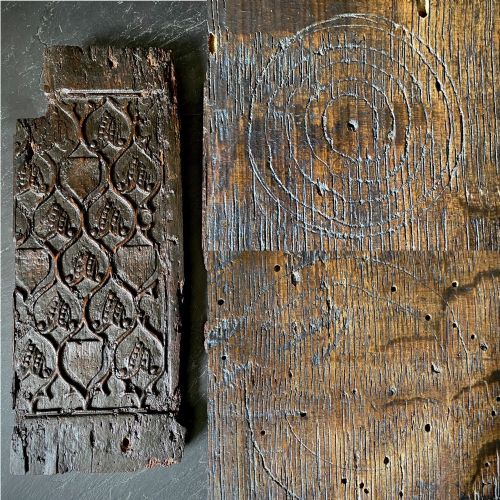
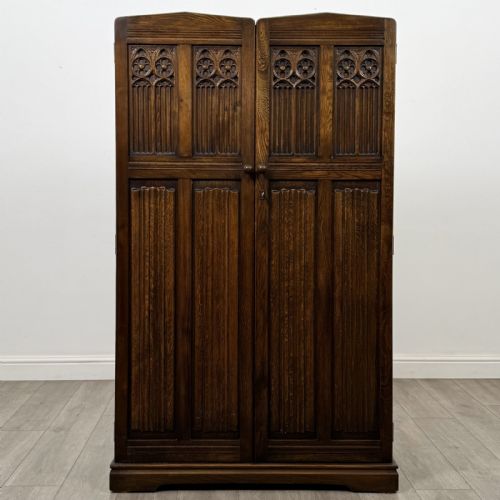
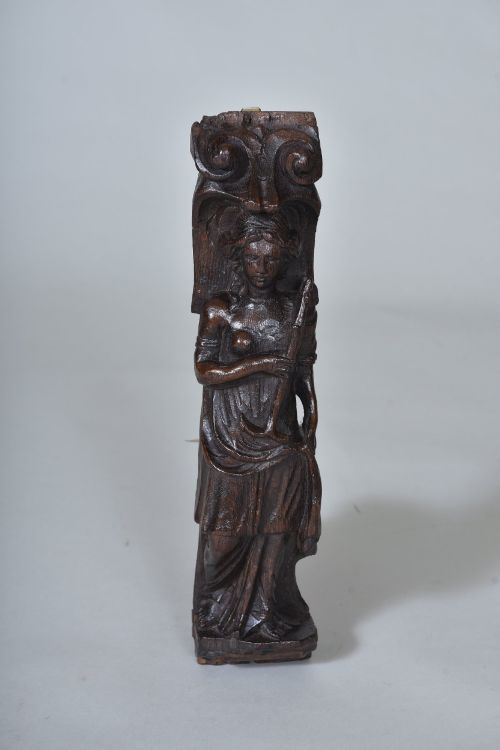
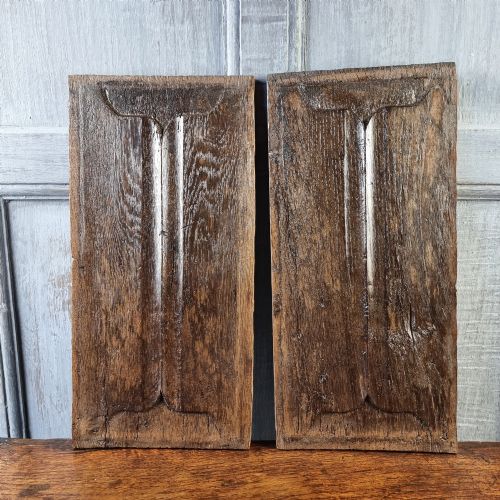
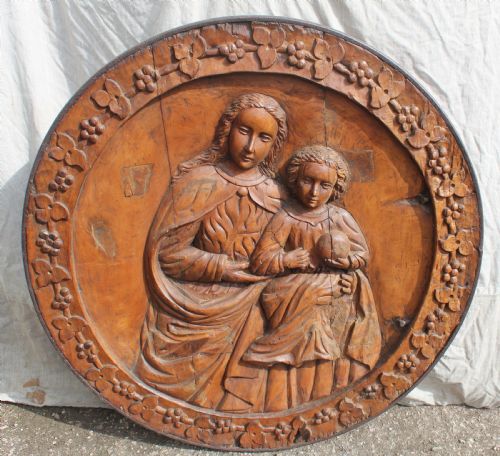
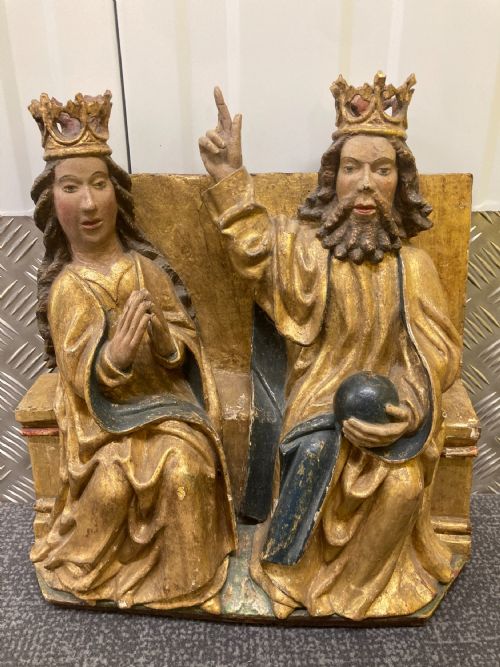
A gothic carved timber panel encompasses architectural salvage, wall plaques, and architectural fragments spanning from the sixteenth century through the Victorian revival period. Buyers encounter sixteenth century linenfold designs, seventeenth century Jacobean work, and ecclesiastical reliefs depicting figures like angels and biblical scenes.
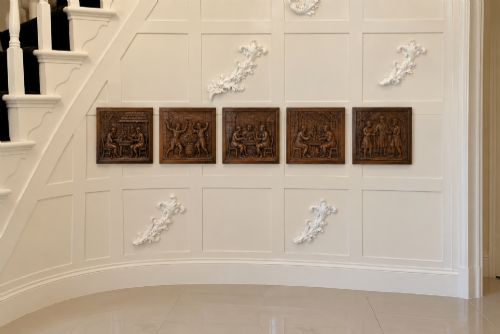
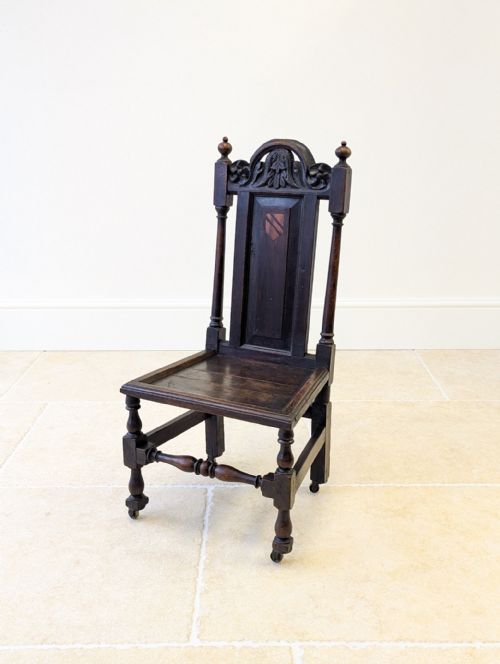
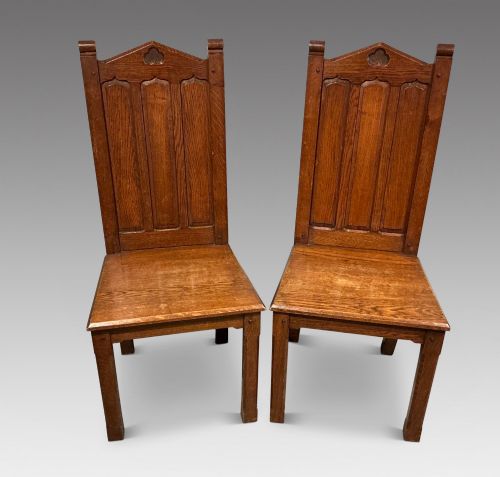
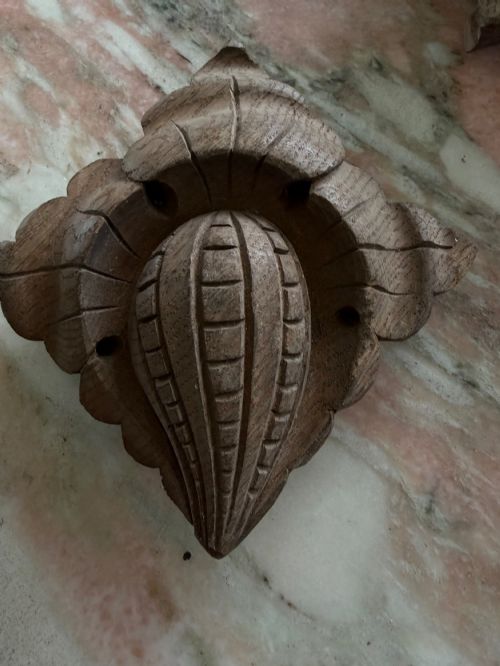
The selection ranges from structural ceiling bosses and Tudor rose motifs to large architectural tracery panels and walnut armorial plaques. Pieces take the form of wall panels, relief sculptures, and occasionally repurposed furniture elements such as hall chairs.
Origins stretch across English workshops and continental European centres, with Flemish carvers and English joiners represented among the surviving timbers. Most examples rely on heavy oak construction, though fruitwood, pine, and walnut also appear.
Materials and construction
Makers relied principally upon native oak, supplemented by walnut, fruitwood, and pine for specific regional or later revival commissions. Timber was hand-cleaved and seasoned before being worked with gouges, chisels, and bench planes to achieve deep relief.
Surface treatments included polychrome paint and gold leaf, particularly on sixteenth century ecclesiastical figure carvings, alongside plain waxed or polished timber finishes. Joinery utilised pegged mortise and tenon frames to house the central carved plates.
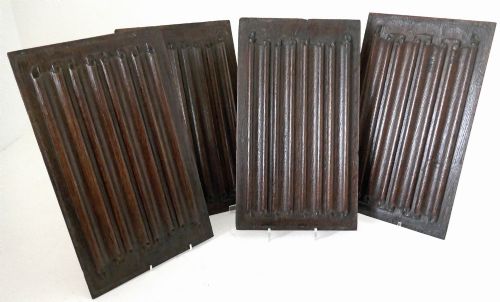
Carving technique dictates the visual weight, moving from the geometric precision of sixteenth century linenfold and parchemin folds to the narrative depth of figural reliefs.
Gothic Carved Timber Panel Retail Price Guide 2026
Typical asking prices for gothic carved timber panel among the pieces listed under this phrase on Sellingantiques today, from the lower quarter to the upper quarter. They describe what is for sale here now, not the wider market.
The listings combine sixteenth century ecclesiastical carvings with nineteenth century Gothic Revival wall plaques and hall chairs.
Assessing quality and execution
Quality rests upon the depth of the undercut and the crispness of the chisel work in the figures, foliage, or tracery. Master carvers achieved distinct facial expressions and natural drapery folds, whereas lesser pieces remain stiff and shallow.
The integrity of the original timber surface and the retention of early polychrome paint or gilding elevate an example significantly. Later nineteenth century revival pieces demonstrate industrial machinery input or softer tool marks compared to sixteenth century originals.
The Gothic Carved Timber Panel Glossary
- Linenfold
- A style of relief carving imitating folded linen fabric, popular on sixteenth century panels. It creates vertical ribbed folds across the wooden surface.
- Parchemin
- A flat panel carved in low relief to resemble parchment scrolls or stiffened leather. It appears frequently on sixteenth and seventeenth century joinery.
- Tracery
- Openwork or intersecting ribbing in stone or wood, characteristic of gothic architecture. Carvers translated window patterns into solid timber panels.
- Ceiling Boss
- A decorative projecting block placed at the intersection of ceiling ribs. These circular or square timber carvings often feature floral or figurative motifs.
- Armorial
- Displaying heraldic coats of arms or family crests. These panels were carved to commemorate lineage and status.
Gothic Carved Timber Panel: Frequently Asked Questions
How do I hang a heavy timber panel safely?
Heavy oak and walnut panels require robust french cleats screwed directly into wall studs to distribute the substantial weight evenly.
Avoid relying on simple picture wire or standard wall hooks fixed solely into plasterboard.
How can I tell a sixteenth century panel from a nineteenth century revival copy?
Early pieces show irregular hand-adzed tool marks, shrinkage cracks, and pegged joinery consistent with sixteenth century timber behaviour.
Revival pieces from the Victorian era often display machine-sawn backing boards and standardised moulding profiles.
Where were these panels originally placed?
Most architectural panels formed part of church rood screens, choir stalls, domestic wall panelling, or timber-framed Tudor manor houses.
Ceiling bosses occupied vaulted junctions overhead, while armorial plaques sat above grand fireplaces.
Can I mount panels in a bathroom or kitchen?
Historic timber reacts poorly to radical fluctuations in humidity and temperature found in damp spaces.
Keep antique panels in stable atmospheric conditions to prevent the oak from splitting or warping.