




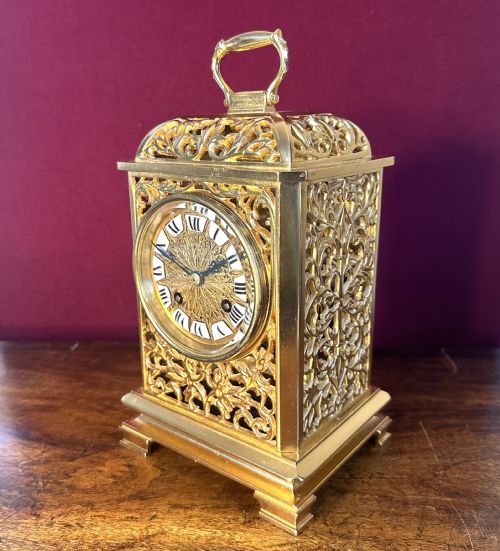


Gothic Bracket Clock
A gothic bracket clock anchors a room with vertical tracery, lancet arches and the steady chime of a fusee movement.
Gothic Bracket Clock
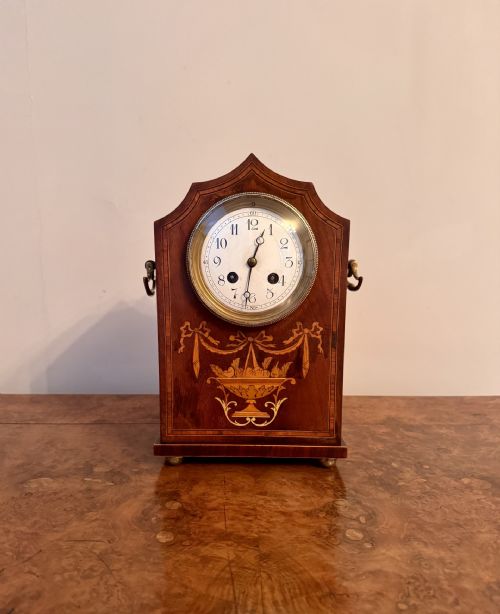
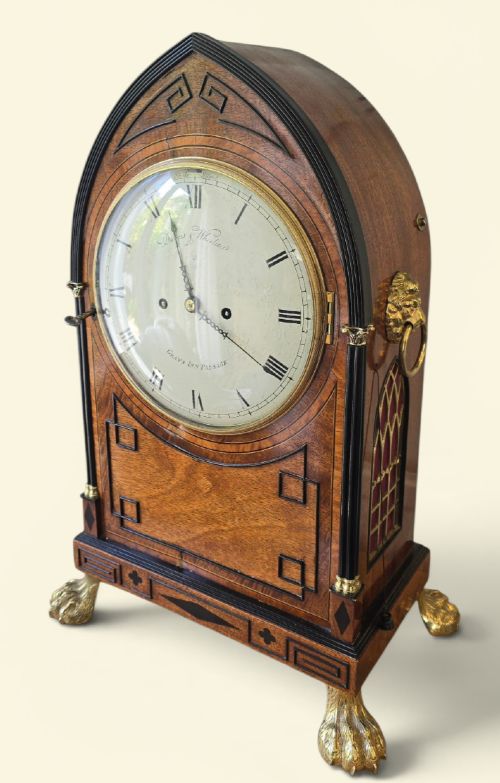
A gothic bracket clock sits upon a table, shelf or wall bracket, combining architectural motifs like cathedral arches and lancet tops with precision horology. These pieces emerge in styles spanning Regency Gothic Revival and Victorian Gothic Revival, often taking the form of mantel clocks or larger boardroom pieces.
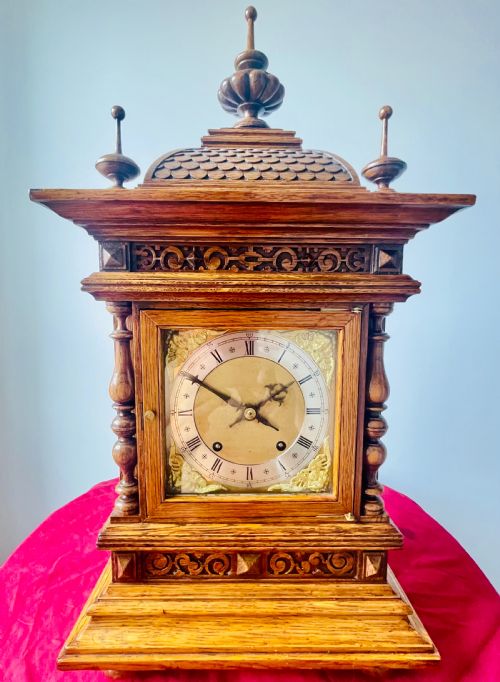
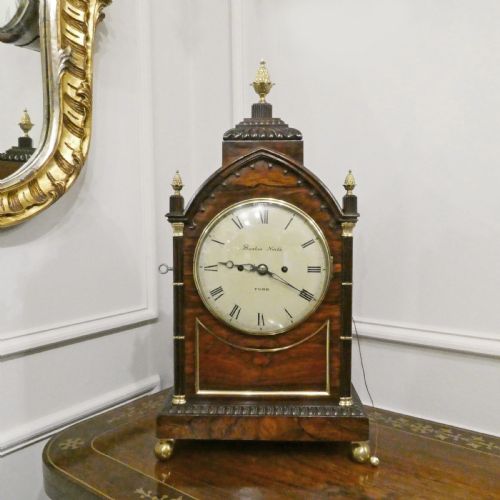
The materials reflect rich cabinet-making traditions, using mahogany, rosewood, oak and ebonised timber alongside bronze and brass mounts. Enamel dials and bevelled glass protect the face, while internal mechanisms range from single and double fusee movements to quarter-striking systems.
Buyers meet variations ranging from restrained early nineteenth-century lancet designs in figured mahogany to substantial late-Victorian quarter-striking clocks housed in oak or bronze. Each version translates medieval architectural elements into portable domestic timepieces.
Materials and Construction
Cabinet makers constructed the architectural cases from dense hardwoods like mahogany, rosewood and oak, frequently enriching the surfaces with brass inlay or bronze mounts. Skilled carvers shaped lancet tops, cathedral arches and tracery panels to echo stone masonry in wood.
Clockmakers fitted brass movements powered by fusee or spring-driven trains, incorporating enamel dials and protective glass bezels. These mechanisms often included quarter-striking capability, bells or gongs to mark the passing hours.
Gothic Bracket Clock Retail Price Guide 2026
Typical asking prices for gothic bracket clock among the pieces listed under this phrase on Sellingantiques today, from the lower quarter to the upper quarter. They describe what is for sale here now, not the wider market.
Some boardroom clocks roar into action with a Ting-Tang chime or eight bells.
Standards of Execution
Quality reveals itself in the architectural precision of the woodwork and the crispness of the bronze or brass mounts. Finer examples display master craftsmanship in the carving of lancet arches and cathedral details that remain sharp and well-proportioned.
The sophistication of the internal movement dictates the upper tier of the range, with intricate double-fusee or quarter-striking mechanisms by notable makers commanding distinction. Superior timber selection, such as richly figured mahogany or rosewood veneers, further elevates a piece.
Winterhalder & Hofmeier·Barber & North·George Orpwood·Desbois & Wheeler·Cording of London·Bryson Edinburgh·Wilkinson Leicester·Ganthony of London·Edwards Of London·Christie of Perth·Mitchell & Russell
The Gothic Bracket Clock Glossary
- Bracket clock
- A portable timekeeper originally designed to sit on a small wall bracket to project sound evenly through a room. Later versions stood directly on tables or mantelpieces.
- Fusee
- A conical pulley inside the clock that equalises the pull of the mainspring as it winds down. This mechanism ensures consistent force is delivered to the gear train for accurate timekeeping.
- Lancet top
- An architectural clock case profile shaped like a pointed gothic arch. This form echoes the lancet windows seen in medieval ecclesiastical architecture.
- Double fusee
- A movement incorporating two separate fusees and gear trains, one dedicated to timekeeping and the other to striking the hours or chimes. This setup provides superior chronometric stability.
- Quarter-striking
- A mechanism that sounds the quarters of the hour on bells or gongs before tolling the full hour. It represents a more complex level of horological engineering.
Gothic Bracket Clock: Frequently Asked Questions
Where should I place a gothic bracket clock?
These clocks look best on a sturdy mantelpiece, sideboard or dedicated wall bracket where their architectural silhouette can be appreciated. Ensure the surface is level so the pendulum or balance wheel beats evenly.
Keep them away from direct sunlight, radiators and damp exterior walls to protect the timber case and delicate internal brass components from warping or corrosion.
What is the difference between a single and double fusee?
A single fusee movement powers only the timekeeping train, meaning the clock simply tells the time without chiming. These tend to have a cleaner dial layout with a single winding hole.
A double fusee movement includes a second train dedicated to striking the hours or quarters, requiring two winding holes on the dial and offering greater mechanical complexity.
How can I tell a Regency gothic clock from a Victorian one?
Regency pieces often favour clean mahogany cases with restrained brass inlay and classical gothic proportions dating from around eighteen hundred to eighteen twenty. They reflect an early phase of revivalism.
Victorian examples from the mid to late nineteenth century frequently display heavier carving, more ornate tracery, ebonised finishes or complex quarter-striking movements by makers like Winterhalder and Hofmeier.
How do I care for the wood and brass case?
Dust the timber regularly with a soft, dry cloth and apply a quality microcrystalline wax sparingly once or twice a year to nourish the mahogany or rosewood. Avoid liquid polishes that contain silicone.
Clean exposed brass or bronze mounts gently with a dry flannel cloth, steering clear of harsh metal cleaners that can strip away the original age patina.