


Gold Silver Gilt Spoons
Gold silver gilt spoons bring bright metallic finish and fine craftsmanship to the table, spanning multiple historic periods.
Gold Silver Gilt Spoons
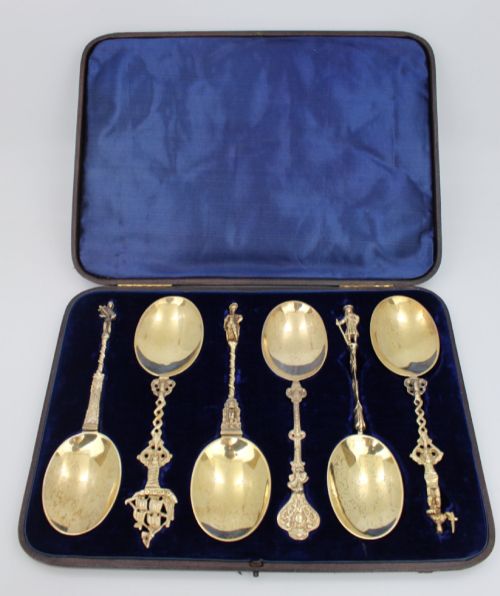
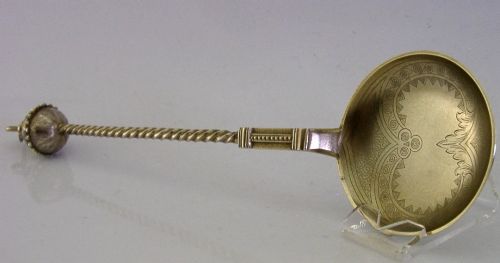
When you search for gold silver gilt spoons, you encounter a varied selection of domestic and decorative tableware ranging from small teaspoons to large serving pieces. The items span the Georgian, Victorian, Edwardian, and mid-century eras, reflecting changing domestic habits across generations.
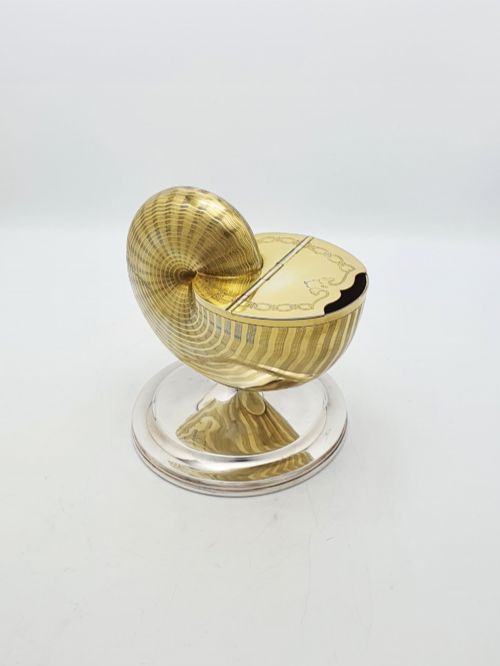
Most examples you meet on this page are fashioned as individual items or matching sets intended for specific uses such as serving, sifting, or caddy storage. Forms include serving spoons, teaspoon sets, spoon warmers, sifter spoons, and caddy spoons.
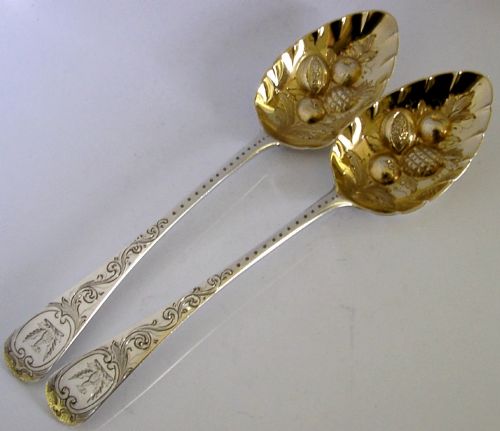
Makers utilised various base metals and surface treatments, producing solid silver, silver gilt, and silver plate enriched with gilt highlights, enamel work, and velvet linings. Styles move from formal Georgian crests through Victorian naturalistic leaf motifs to Arts and Crafts, Art Nouveau, Art Deco, and Mid-Century Modern designs.
How they were made
The construction of these items relies on solid silver, sterling silver, or silver plate as a foundational metal, shaped into bowls and handles by hand or machine. Silversmiths then applied layers of gold gilt to create the distinctive two-tone appearance characteristic of silver gilt objects.
Surface decoration frequently incorporates vibrant enamel work, particularly in Scandinavian pieces, alongside cast naturalistic forms such as leaf shapes. Makers also employed traditional hallmarks to stamp origin, standard, and date, providing a permanent record of manufacture.
Materials recorded across the inventory include sterling silver, silver gilt, enamel, velvet, and silver plate.
What varies in quality
Quality in these items depends on the weight and purity of the underlying metal, with solid silver and sterling silver representing a higher grade than silver plate or gilt metal. The presence of hallmarks and named makers adds demonstrable weight to an item's pedigree.
The intricacy of the execution also divides standard production from finer pieces, seen in the precision of cast naturalistic leaf work, hand-applied enamel, and engraved family crests. Preserved presentation cases and complete matching sets elevate the overall standard of the surviving examples.
David Andersen·Sebastian Crespell·Harrods London
The Gold Silver Gilt Spoons Glossary
- Silver gilt
- Silver that has been coated with a thin layer of gold on its surface. This technique combines the durability of silver with the rich appearance of gold.
- Sifter spoon
- A specialised spoon featuring a perforated or pierced bowl designed for dusting sugar or spices. They appear across various Victorian and later decorative periods.
- Caddy spoon
- A short-handled spoon specifically created for measuring dry tea leaves from a caddy. These often feature distinctive decorative bowls and handles.
- Spoon warmer
- A specialised Victorian vessel designed to hold hot water and keep serving spoons warm before use at the dining table. They reflect formal nineteenth-century dining rituals.
Gold Silver Gilt Spoons: Frequently Asked Questions
What are gold silver gilt spoons?
These are eating, serving, and decorative implements made from silver or silver plate that feature a gold gilt coating on the surface. They encompass a wide variety of forms from different eras.
Items range from single Georgian berry spoons to cased mid-century enamel sets from Norway and Denmark.
How were spoon warmers used?
Victorian households utilised spoon warmers to heat serving spoons with hot water before placing them on the dining table. This prevented cold metal utensils from chilling food.
These pieces often took elaborate forms in silver plate and gilt metal during the nineteenth century.
How do I identify the period?
You can determine the period by examining the style, hallmarks, and manufacturing techniques present on each piece. Georgian items display distinct crests, while Victorian examples often feature naturalistic leaf forms.
Later pieces from the twentieth century lean towards Arts and Crafts, Art Nouveau, or Mid-Century Modern aesthetics.
What is a caddy spoon used for?
A caddy spoon serves to measure dry tea leaves from storage containers known as tea caddies. Their compact size and shallow bowls made them practical for daily use.
Collectors often seek them out for their diverse decorative handle designs and specialised shapes.
Are these spoons made of solid silver?
The materials vary between solid silver, sterling silver, silver gilt, and silver plate depending on the specific piece and period of manufacture. Some items combine base metals with gilt surfaces.
Check individual listings for specific material descriptions and official hallmarks.