
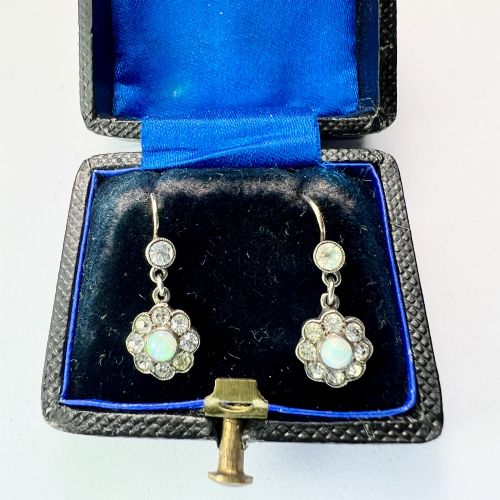
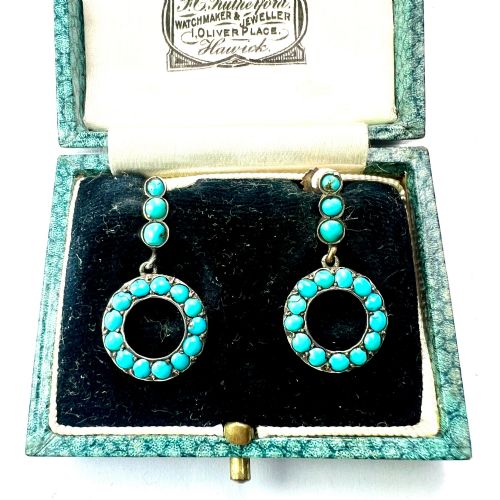


Gold Silver Drop Earrings
Gold silver drop earrings span periods from Georgian to Mid-Century Modern, combining precious metals and gems to create movement.
Materials and construction methods
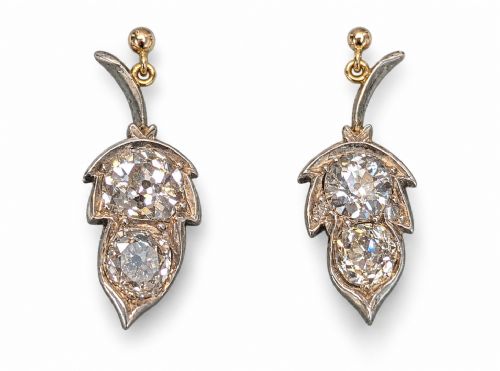
Makers construct these earrings by combining silver and gold, frequently mounting silver atop gold settings to maximise the brightness of diamonds and paste glass while retaining the sturdy warmth of gold backs and wires. Precious metals such as nine-carat gold, fifteen-carat gold, eighteen-carat gold, and platinum provide the structural foundation for intricate mounts.
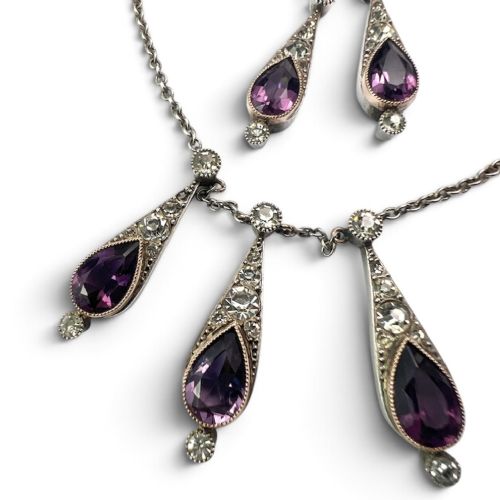
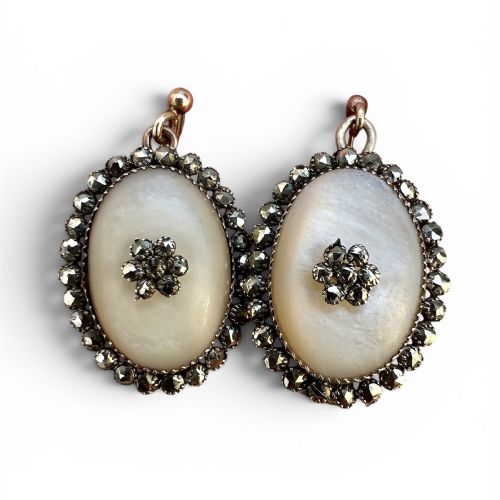
Gemstones and decorative elements are integrated using traditional setting techniques for old cut diamonds, rose cut diamonds, pearls, mother-of-pearl, rock crystal, aquamarine, amethyst, opal, agate, onyx, quartz, jade, turquoise, and marcasite. Foliate mounts, pavé work, and enamelling further enhance the metalwork.
Components rely on secure findings suited for pierced ears, including hook wires, lever-backs, and dangling links that permit fluid movement.
Distinctions in craftsmanship and materials
Quality in these earrings rests upon the precision of the metalwork and the selection of the stones. Finer examples display meticulous integration of silver front plates on gold bases, ensuring clean lines in foliate mounts and pavé settings without excess solder.
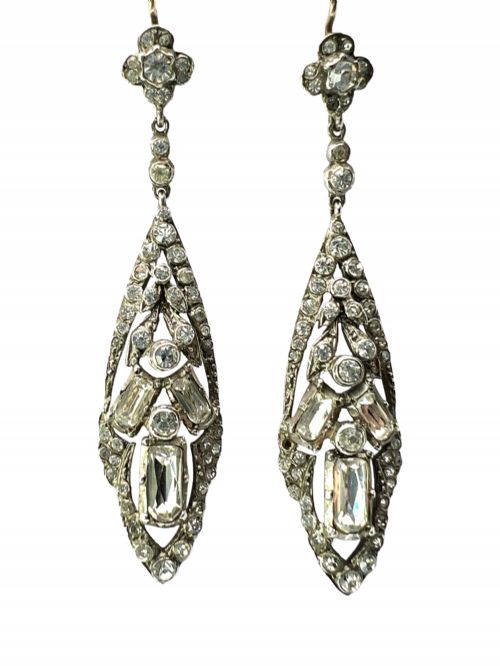
The distinction between simple glass pastes and fine natural diamonds or pearls shifts the visual weight and historical character of the piece. Superior craftsmanship shows in the symmetry of old cut stones, the matching of natural pearls, and the secure mounting of delicate components like rock crystal and marcasite.
The listings span eight distinct historical periods, with Victorian and Edwardian examples appearing most frequently alongside Georgian and Mid-Century items.
Knoll & Pregizer
The Gold Silver Drop Earrings Glossary
- Old cut diamond
- A hand-faceted diamond shape common in antique jewellery, featuring a smaller table and higher crown than modern brilliant cuts. These stones catch candlelight warmly.
- Paste
- Hand-cut lead glass used historically to imitate gemstones. High-quality antique paste displays deep refractive brilliance.
- Marcasite
- Small faceted pieces of iron pyrite set closely into silver mounts to produce a sparkling, metallic texture. It was widely used in Georgian and later pieces.
- Pavé
- A setting style where small gemstones are set closely together with minimal visible metal, creating a continuous surface of stones. This technique appears frequently in Edwardian work.
- Silver gilt
- Silver that has been coated with a thin layer of gold. This method offers the appearance of solid gold while retaining a silver base.
Gold Silver Drop Earrings: Frequently Asked Questions
How do I date gold silver drop earrings?
Dating relies on the combination of metal techniques, gemstone cuts, and overall style motifs. Victorian and Georgian pieces often feature closed-back settings or rose cut diamonds, while Edwardian designs favour delicate platinum or silver foliate mounts.
Later Mid-Century examples shift toward geometric lines and distinct stone cuts like baguette and emerald shapes. Examining the fastenings and the type of gold content helps confirm the manufacturing era.
Are these earrings suitable for daily wear?
Antique drop earrings require thoughtful handling due to their age and delicate construction. While sturdy gold wires and secure lever-backs provide reliable wear, delicate elements like paste glass, pearls, and old cut stones benefit from gentle treatment.
Storing them individually prevents abrasion to softer materials such as mother-of-pearl and turquoise. Regular checks of the settings help preserve the integrity of the silver and gold mounts.
What is the significance of combining silver and gold?
The dual-metal technique uses silver on the face of the jewellery to provide a bright, white reflective background for diamonds and paste. This traditional method made gemstones appear whiter and more brilliant under evening candlelight.
The gold backing provided strength and prevented the silver from tarnishing against the wearer's skin or clothing. This practice persisted across multiple eras before the widespread adoption of platinum.
How should I clean antique drop earrings?
Cleaning requires gentle methods that protect fragile organic materials like pearls and softer stones such as opal or turquoise. Professional jewellery cleaning is recommended for delicate antique settings to avoid damaging historic solders or foil backs.
Harsh chemical dips and ultrasonic cleaners can ruin paste glass, pearls, and treated gemstones. A soft, dry cloth is usually sufficient for routine maintenance of the metal surfaces.