

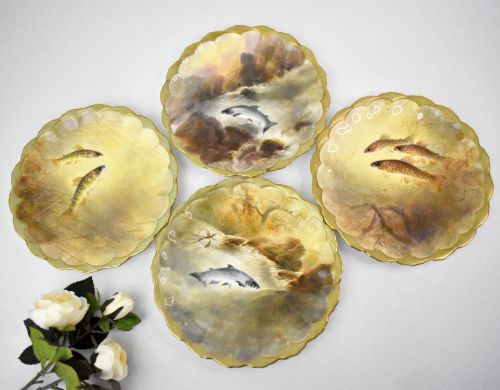


Gold Rimmed China Dishes
Gold rimmed china dishes bring hand-painted fruit, floral studies and gilded borders to the table from Georgian, Victorian and twentieth-century makers.
Gold Rimmed China Dishes
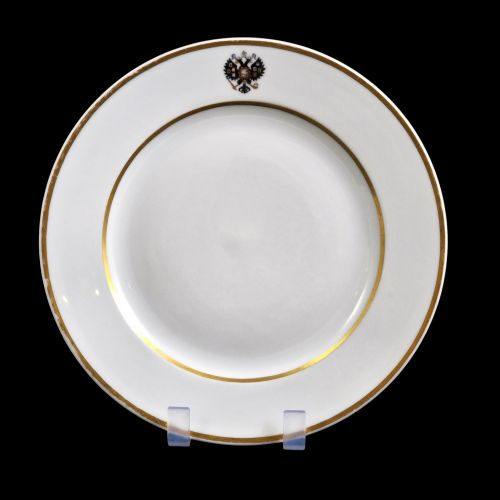
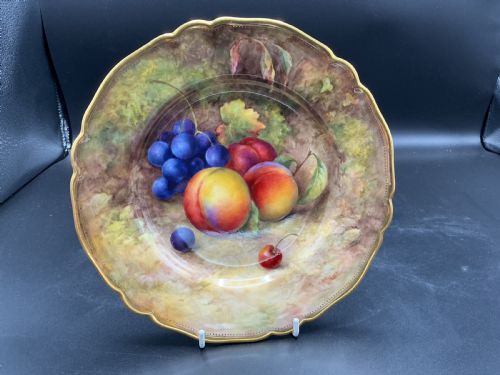
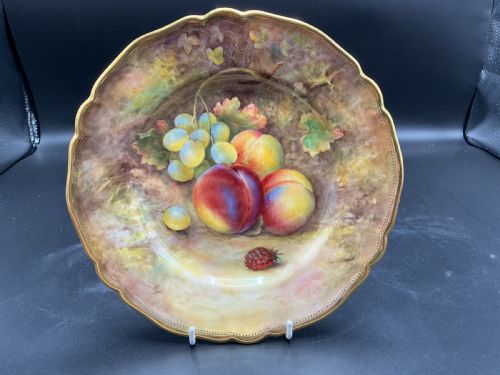
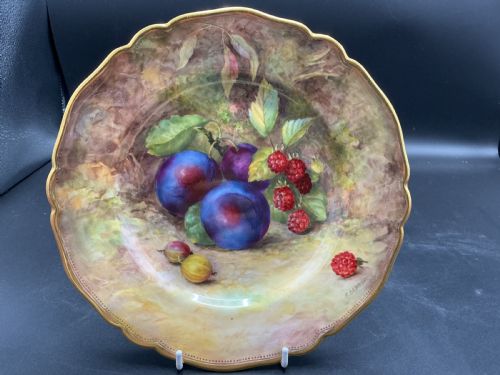
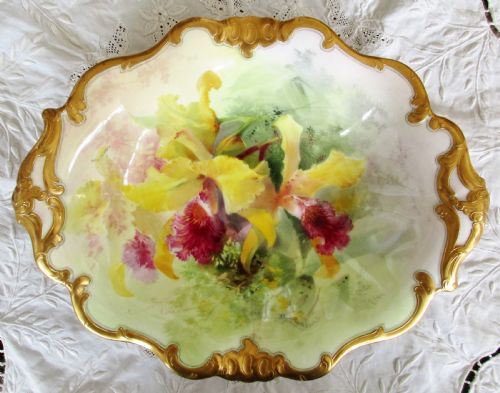
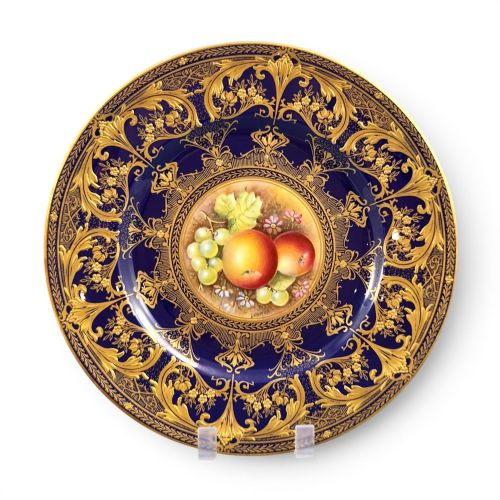
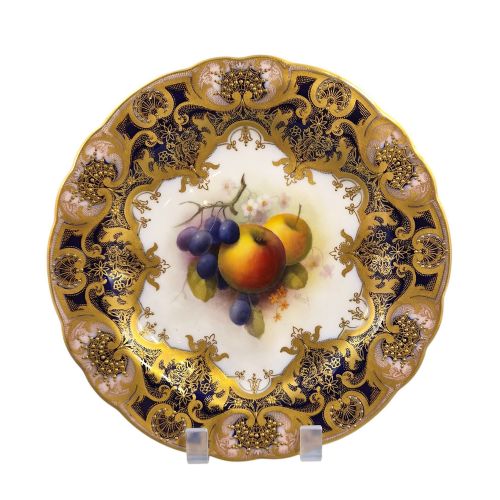
Gold rimmed china dishes encompass porcelain and bone china tableware decorated with gilt edges, banding or elaborate leaf gilding. Buyers seeking these pieces encounter cabinet plates, serving dishes and decorative bowls spanning the Georgian era to the mid-twentieth century. The selection leans heavily towards twentieth-century Royal Worcester fruit-painted wares alongside nineteenth-century Minton, Royal Doulton and Derby productions.
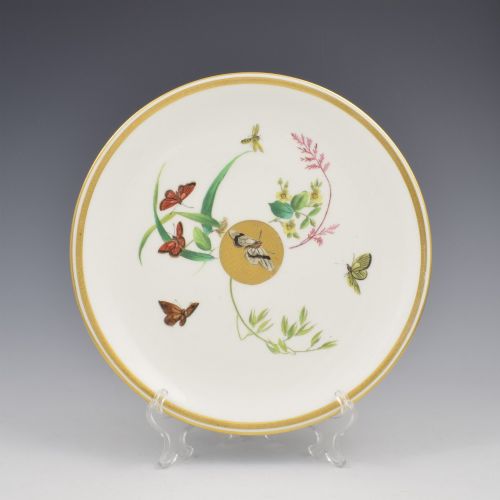
Forms range from standard dinner and dessert plates to specialised cabinet pieces like rope-edge plates, fish dishes and bon bon bowls. Traditional English styles dominate, though examples incorporate Aesthetic Movement Japanese motifs and Edwardian neo-Rococo shaping. These items function primarily as decorative display pieces or formal dessert service tableware.
How they were made
Ceramic bodies utilise fine bone china and hard-paste porcelain formed into plates, bowls and serving dishes through moulding and throwing. Manufacturers applied white glazes before firing the ceramic base at high temperatures to prepare the surface for subsequent decoration.
Decoration relies on hand-painted enamel pigments depicting fruit, flowers and armorial subjects, combined with gold leaf, gilding and gilt enamel for the distinctive rims. Skilled artisans signed many of the premier painted scenes, which required secondary kiln firings to set the metallic and enamel colours permanently.
Gold Rimmed China Dishes Retail Price Guide 2026
Typical asking prices for gold rimmed china dishes among the pieces listed under this phrase on Sellingantiques today, from the lower quarter to the upper quarter. They describe what is for sale here now, not the wider market.
Listings feature porcelain and bone china plates and dishes spanning the Georgian, Victorian, Edwardian and mid-twentieth-century periods.
What varies in quality
Quality separates through the artistic execution of the hand-painted subject matter, ranging from generic floral transfers to detailed, signed fruit and fish studies by notable factory artists. The precision and weight of the applied gold leaf or gilding along the rims also distinguish standard production items from premier exhibition pieces.
The underlying ceramic body dictates a further tier of refinement, with fine bone china and early armorial porcelain offering greater delicacy than standard utility wares. Form complexity, such as basketweave mouldings or rope edges, adds structural sophistication that elevates certain plates and dishes above plain round blanks.
Royal Worcester·Minton·Royal Doulton·Bloor Derby·Royal Crown Derby·Barr, Flight & Barr
The Gold Rimmed China Dishes Glossary
- Cabinet plate
- A decorative ceramic plate intended for display in a cabinet rather than for daily dining use. These pieces usually feature elaborate hand-painted scenes and gilt borders.
- Bone china
- A type of soft-paste porcelain incorporating bone ash, known for its high strength, chip resistance and milky white translucency. It forms the base of many fine English dessert and cabinet services.
- Gilding
- The application of gold leaf or gold powder to ceramic surfaces, particularly around rims and handles. It provides the characteristic metallic border seen on these dishes.
- Armorial
- Decorated with a coat of arms or heraldic crest. These bespoke commission pieces often date from the Georgian and Victorian periods.
- Enamel
- Opaque glass-based colour applied over the glaze and fired to create vibrant pictorial scenes. It allows for detailed depictions of fruit, birds and floral sprays.
Gold Rimmed China Dishes: Frequently Asked Questions
Can I use antique cabinet plates for serving food?
Most antique cabinet plates and decorative dishes are suitable for serving dry foods such as fruit, biscuits or confectionery. Acidic foods should be kept away from older enamel surfaces to prevent staining or degradation.
Consider whether the piece shows heavy gilt wear on the eating surface before deciding to use it for dining. Purely decorative cabinet items are best reserved for display.
How do I date a Royal Worcester painted plate?
Examine the base of the porcelain for factory backstamps, which often incorporate specialised letter or dot codes indicating the exact decade of production. Stylistic markers such as rope edges and the presence of artist signatures provide additional chronological clues.
Twentieth-century pieces frequently feature painted fruit scenes signed by studio artists, whereas nineteenth-century items display different aesthetic influences.
What is the difference between porcelain and bone china?
Bone china includes animal bone ash mixed into the clay paste, resulting in a lighter, more translucent body with high durability. Standard porcelain relies on kaolin and petuntse without bone ash content.
Both materials accept hand-painted enamel decoration and gold gilding equally well. English manufacturers utilised bone china extensively for fine dessert and cabinet services.