
Gold Metal Light Fixture
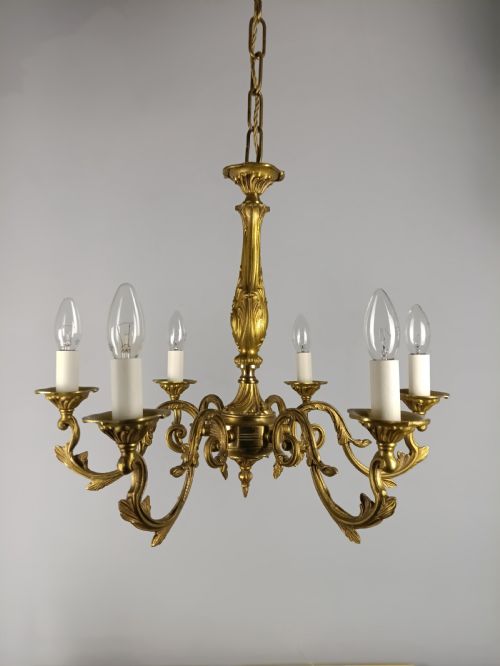
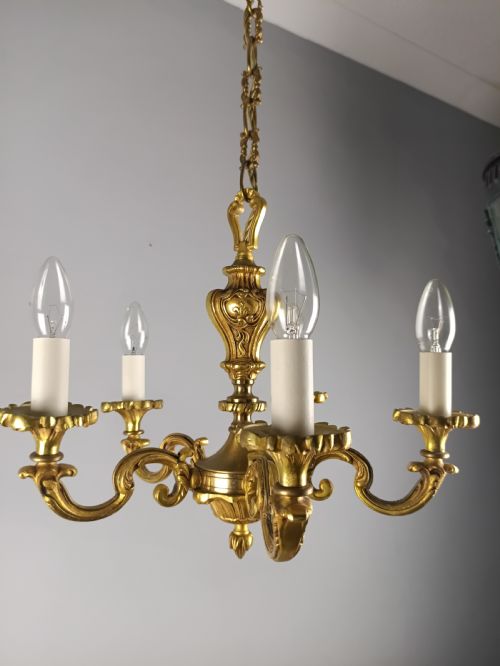
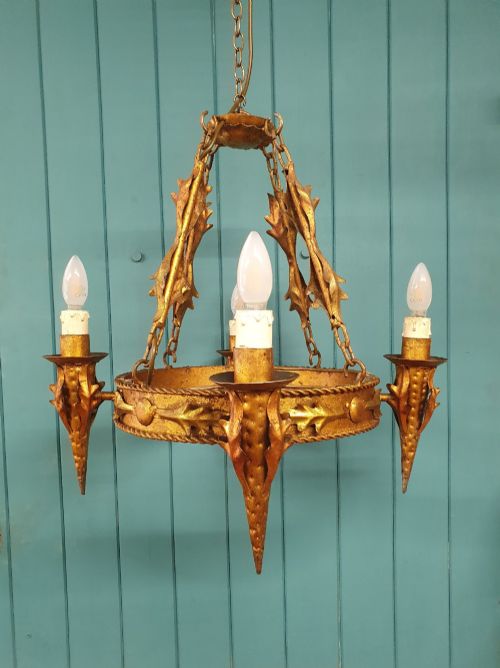
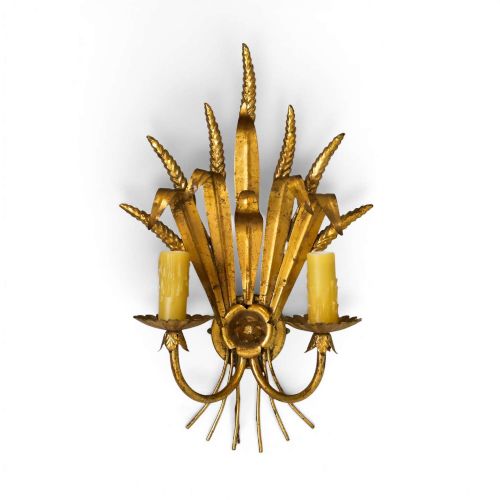
A gold metal light fixture brings warmth and architectural weight to a room through gilded surfaces, glass drops and branching metal arms.
Gold Metal Light Fixture
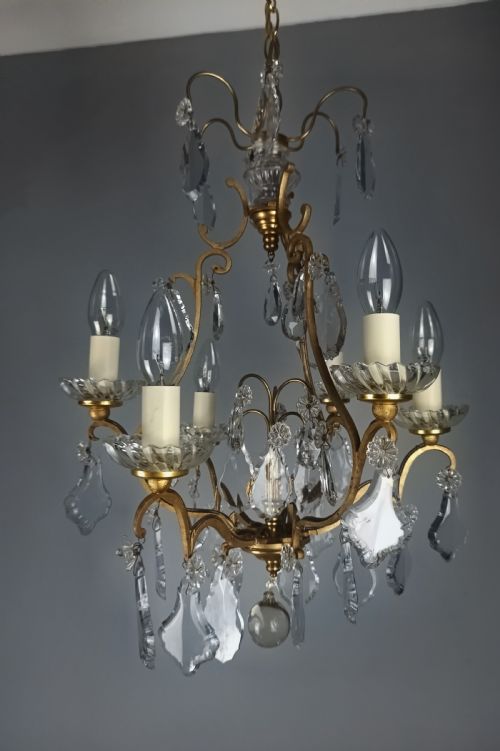
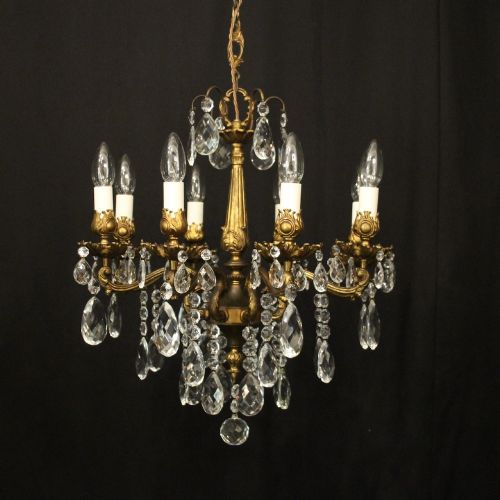
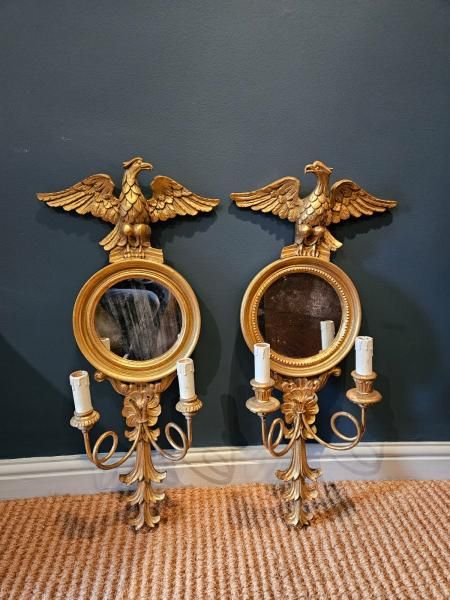
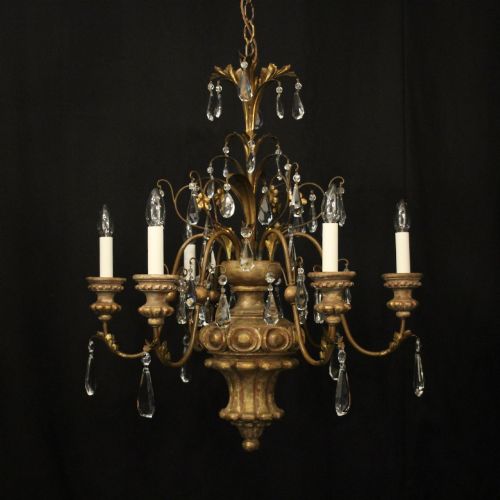
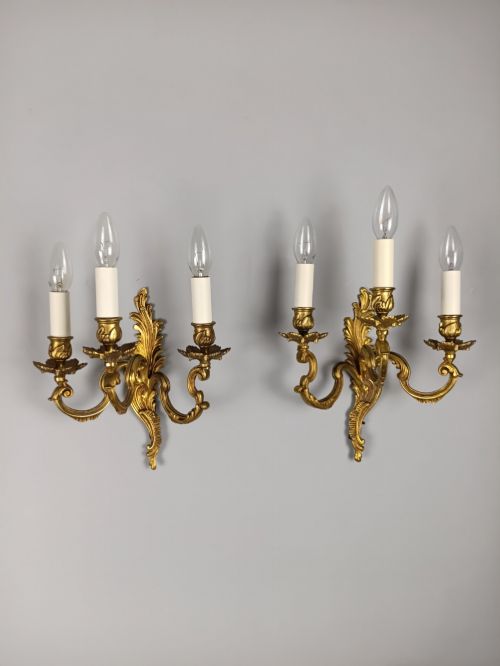
When you search for a gold metal light fixture, you encounter a range of period illumination designed to catch and refract light. The selection here leans heavily towards French and Italian chandeliers, wall sconces and pendant lights originating from the nineteenth and twentieth centuries.
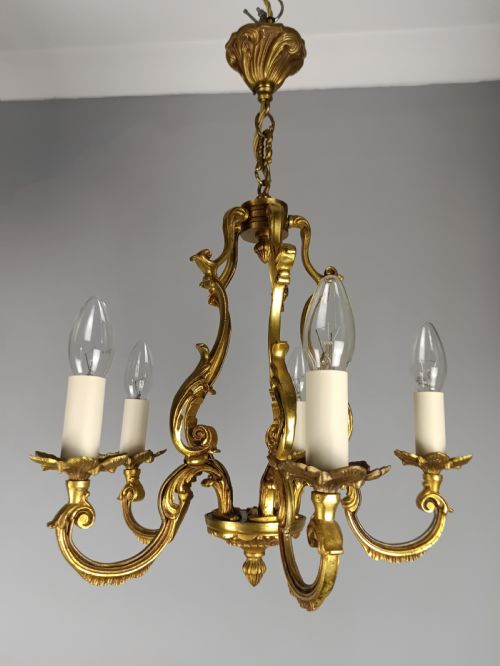
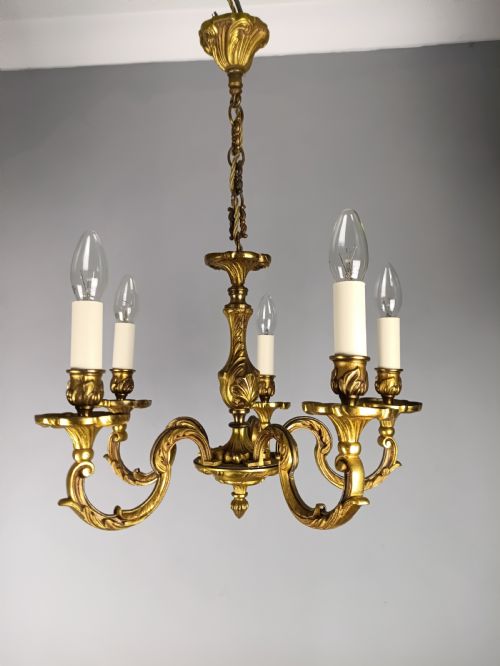
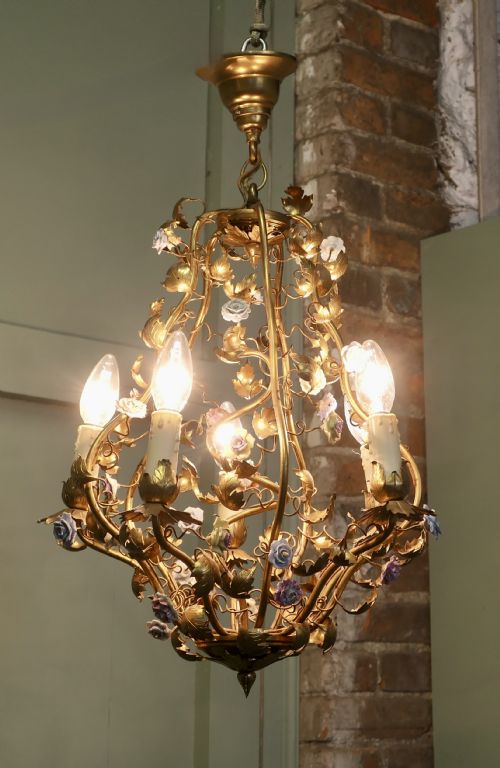
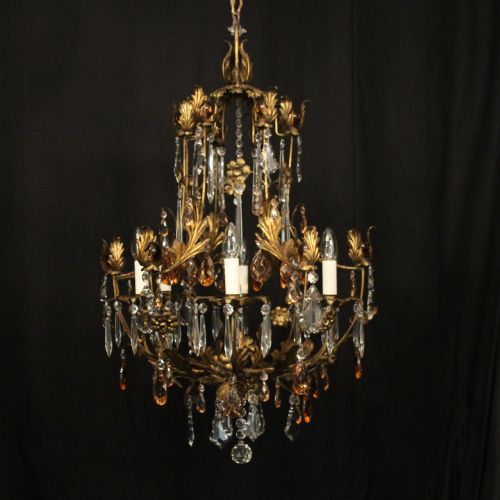
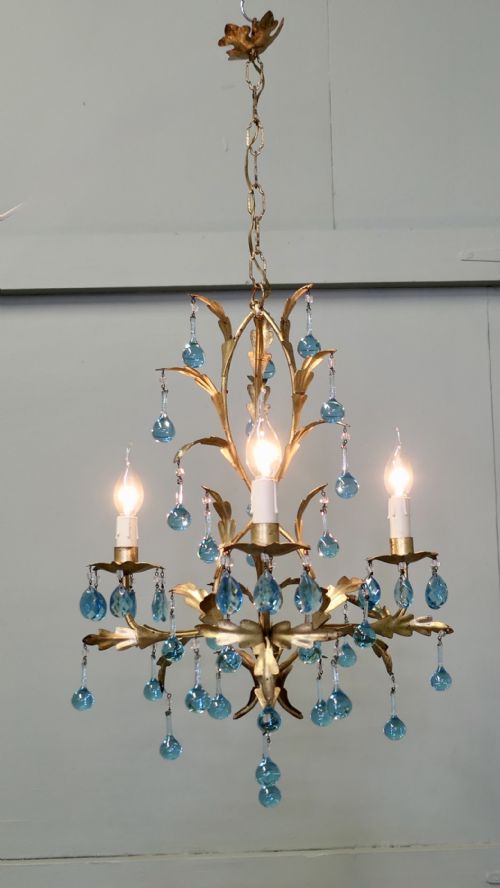
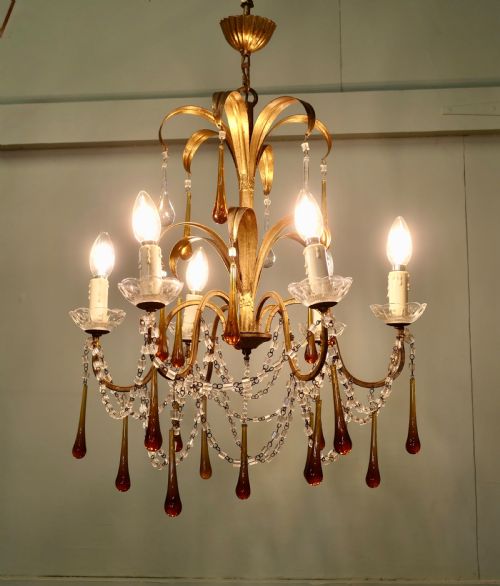
Most examples take the form of birdcage or cage chandeliers carrying multiple candle-style bulbs, alongside flush ceiling lights and wall lamps. Styles span from French Rococo and Neoclassical designs to Italian Florentine metalwork and mid-century branches.
Makers and workshops across Europe utilised gilt bronze, brass, spelter and toleware to construct these fixtures, often incorporating ceramic flowers or coloured crystal teardrops. The resulting pieces serve both as functional illumination and ornamental centerpieces for a room.
How they were made
Craftsmen built these fixtures using cast or forged metals including brass, bronze, iron and spelter, which were subsequently gilded, plated or painted. Structural frames support arms, drip pans and decorative elements formed through traditional metalworking and casting techniques.
Glass and crystal components, such as cut spikes, prisms and amber teardrops, are wired or pinned directly to the metal frames by hand. Many items combine these metallic and crystalline elements with ceramic floral details and hand-painted toleware components.
Electrification is often integrated into earlier designs that originally held candles, while other pieces retain their period wiring or have undergone rewiring for modern use. Lanterns feature pierced brass panels and glass inserts soldered into rigid metal housings.
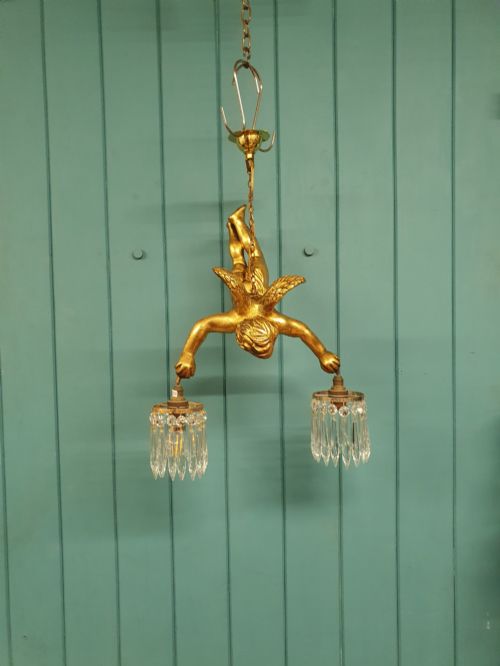
A flying cherub occasionally holds up an entire crystal light fixture, bringing celestial muscle to your ceiling.
What varies in quality
The finesse of the metal casting and chasing separates standard production pieces from finer works, particularly in bronze and ormolu mounts where leaf motifs and masks retain crisp definition. Hand-chased details on gilt bronze components demonstrate the artisan's skill compared to softer cast spelter alternatives.
The presence, cut and clarity of the crystal elements dictate the brilliance of the fixture when illuminated. High-quality pieces employ heavy, hand-cut crystal drops and spikes that refract light cleanly, whereas simpler iterations use moulded glass.
Structural integrity and the retention of original gilding, ceramic blooms and toleware paintwork define the preservation standard. Complete sets of matching crystals and unified patination across the gilt surfaces elevate the character of an antique fixture.
The Gold Metal Light Fixture Glossary
- Ormolu
- Gilded bronze, where finely ground high-carat gold is applied to a bronze base using mercury. This technique produces a durable, rich golden surface characteristic of fine French decorative arts.
- Toleware
- Painted and lacquered metalware, frequently shaped into leaves and flowers. It adds colour and botanical detail to lighting fixtures.
- Spelter
- An alloy of zinc and lead used as a less costly substitute for bronze in casting figural and structural elements. It often receives a bronze or gilt finish.
- Birdcage chandelier
- A form of lighting fixture featuring a curved metal framework resembling a birdcage, heavily hung with crystal drops and chains. The design concentrates illumination from multiple internal or external candles.
- Prism
- A cut glass or crystal pendant designed to refract light into spectral colours. These hang from the arms and coronets of chandeliers and wall sconces.
Gold Metal Light Fixture: Frequently Asked Questions
How do I clean a crystal chandelier?
Cleaning requires a soft cloth dampened with a mild, soapy solution applied gently to each crystal and metal arm. Avoid harsh chemical cleaners that can strip the gilt surface from the metal.
Many collectors remove delicate drops individually for washing and drying before reattaching them to the frame. Support the fixture from below while cleaning to prevent strain on the historical wiring and mounting points.
Are these lights compatible with modern wiring?
Many antique fixtures arrive already rewired to meet contemporary electrical standards, while others retain older setups. A qualified electrician can adapt most metal chandeliers and wall lights safely.
Checking the internal lamp holders and maximum wattage capacity ensures the fixture operates securely with modern LED or incandescent bulbs.
How do I determine the period of a fixture?
Dating relies on stylistic clues, casting methods, and construction materials typical of specific eras like the Victorian period or the early twentieth century. Rococo revival and Neoclassical motifs often indicate nineteenth-century French manufacture.
Examine the screws, fixings and metal composition, as older pieces utilise hand-cut threads and heavier cast bronze frames rather than modern machine-stamped components.
Can wall sconces be paired easily?
Wall lights often appear as matched pairs, sharing identical mirror backs, bronze castings or crystal arrangements. Sourcing a true pair ensures symmetrical placement on either side of a fireplace or doorway.
Single sconces also function effectively as focal points in smaller hallways or powder rooms where symmetry is less critical.