



Gold Metal Lamps
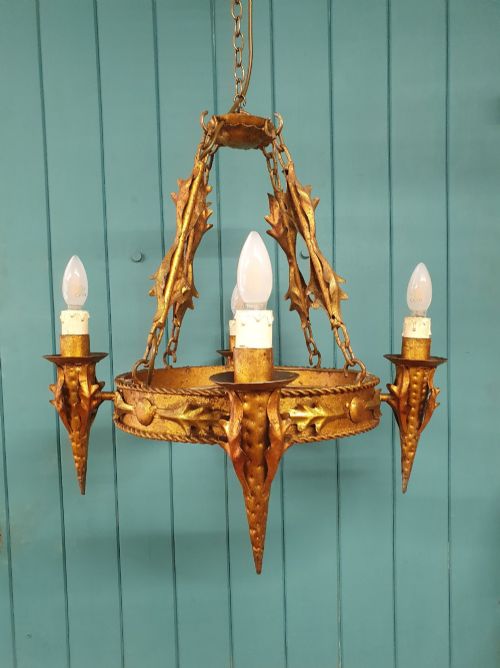
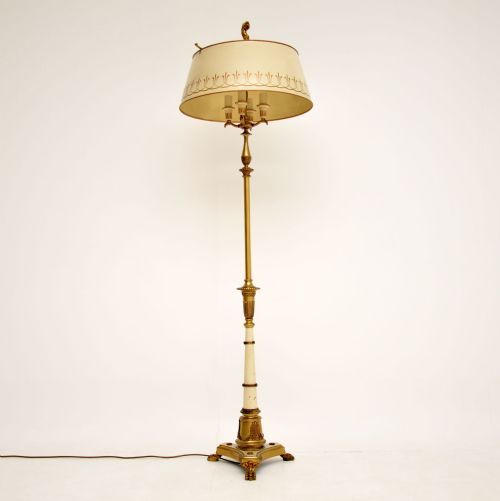
Gold metal lamps encompass table lamps, chandeliers and wall lights spanning Victorian to Art Deco periods, bringing warmth and decorative presence to a room.
Gold Metal Lamps
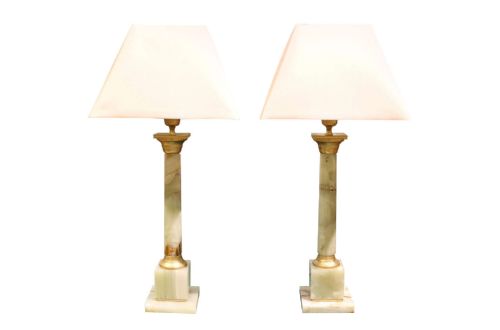
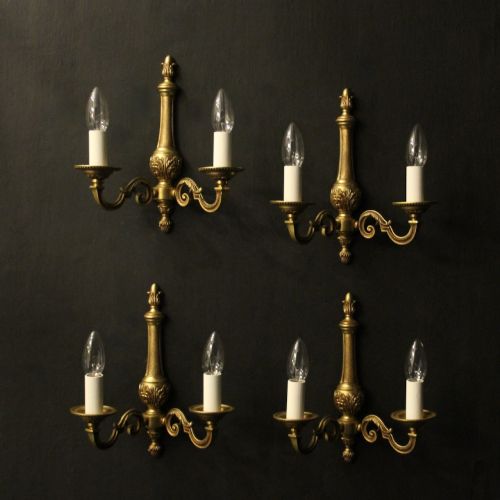
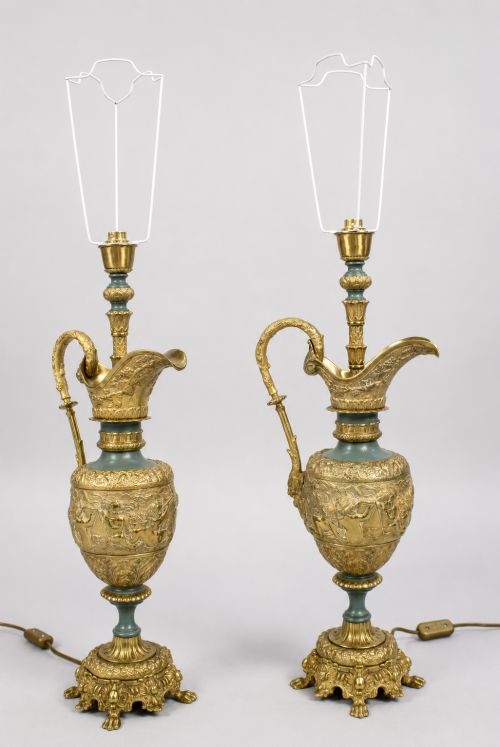
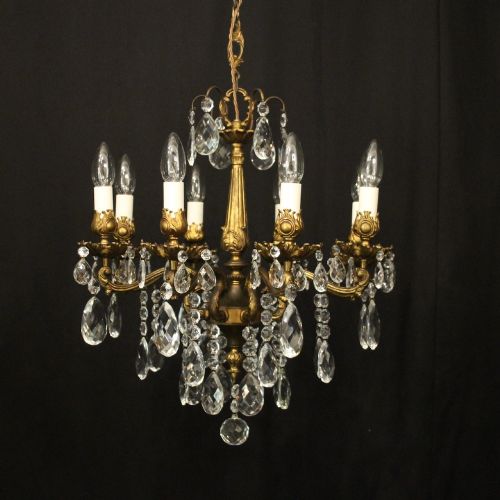
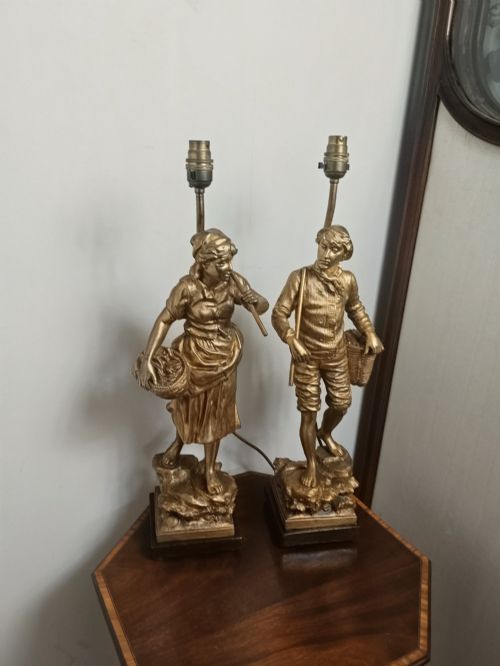
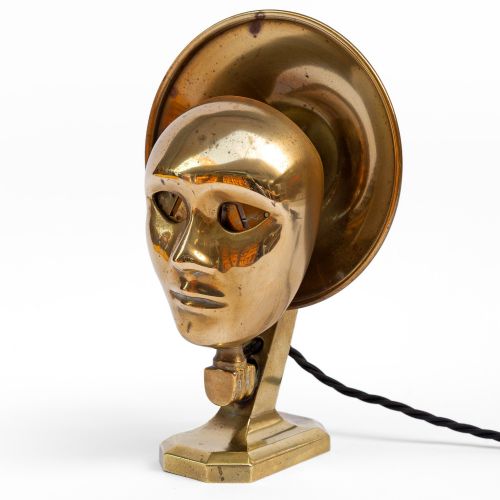
Gold metal lamps cover an extensive array of lighting forms, including table lamps, grand chandeliers, wall sconces and specialised lamp tables originating from the nineteenth century through the 1930s. Buyers searching this phrase meet diverse French, Italian, Dutch and British designs ranging from simple brass lanterns to elaborate gilt bronze figural bases.
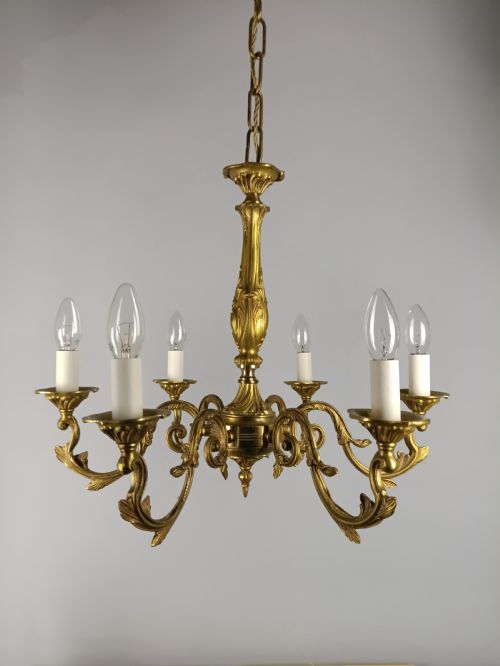
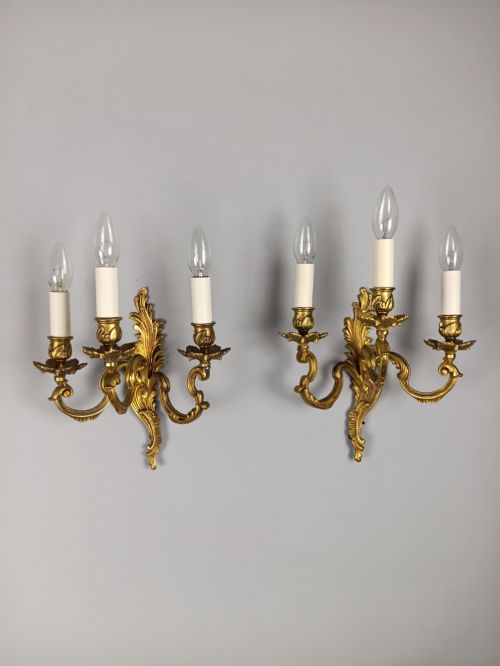
The selections on this page lean heavily toward French domestic lighting, with numerous gilded brass chandeliers, Rococo wall lights and Art Nouveau table lamps dominating the inventory. Alongside these, buyers find Edwardian metalwork, Italian marble-mounted pieces and occasional themed designs referencing cinema or architectural revivals.
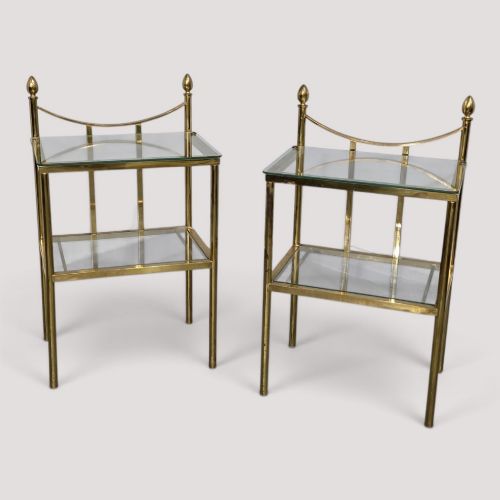
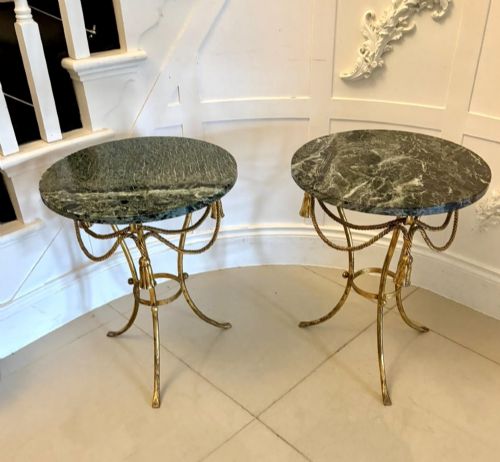
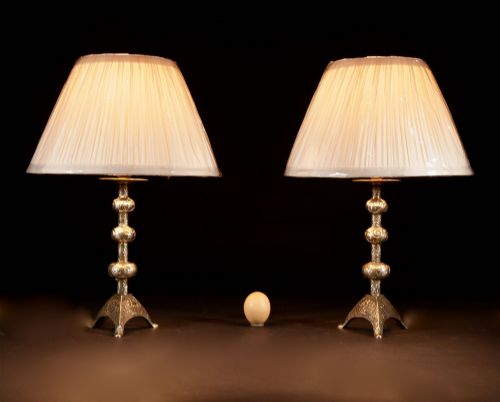
Forms vary from practical desk lamps and twin-arm wall brackets to massive multi-light chandeliers and decorative lamp tables incorporating marble, alabaster or glass. This variety reflects domestic lighting evolution from candlelight and gas conversion to early electrical adoption across Victorian and twentieth-century interiors.
Construction and materials
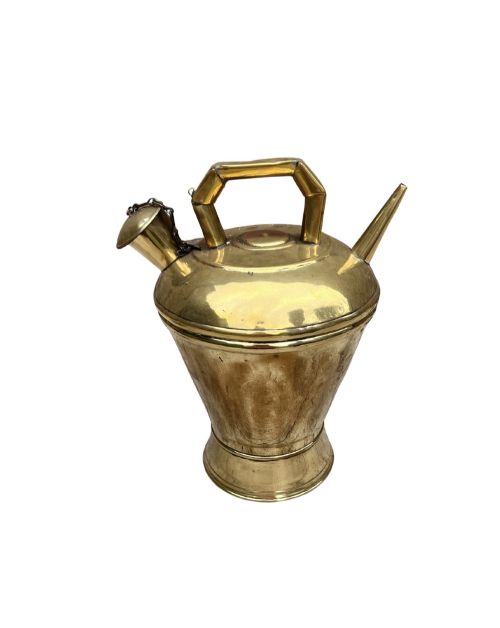
Manufacturing methods rely predominantly on cast brass, gilded bronze, and toleware, shaped through traditional foundry casting, hammering and piercing techniques. Metal components receive surface treatments including fire gilding, applied lacquer or simple polishing to achieve the characteristic golden sheen.
Many items incorporate secondary materials such as carved green marble, alabaster, crystal prisms and blown glass shades. Structural integrity depends on secure mechanical joints, threaded fittings and robust armatures designed to support heavy glass drops or multi-branch candle clusters.
Gold Metal Lamps Retail Price Guide 2026
Typical asking prices for gold metal lamps among the pieces listed under this phrase on Sellingantiques today, from the lower quarter to the upper quarter. They describe what is for sale here now, not the wider market.
Listings feature periods spanning from the Victorian era and Edwardian times through to the 1920s and 1930s.
Assessing quality
Quality reveals itself in the crispness of casting detail, particularly on figural motifs, acanthus leaves and rocaille scrollwork where hand-chasing refines the raw metal. Superior examples exhibit deep, even gilding and substantial metal gauge rather than thin pressed plates or hasty surface plating.
Integration of mixed media distinguishes finer pieces, such as precisely turned marble bases, well-fitted crystal components and harmonious proportions between the metal mountings and glass elements. The skill of the original artisan dictates whether a chandelier or table lamp possesses balanced architectural rhythm or appears clumsy.
E Rousseau·L & F Moreau
The Gold Metal Lamps Glossary
- Ormolu
- Gilded bronze, produced by applying a mixture of mercury and gold leaf to a bronze base and heating it until the mercury vaporised. This French technique created a durable, matte gold finish seen on nineteenth-century mounts.
- Toleware
- Lacquered or enamelled sheet metal, frequently painted in green and gold hues. It appeared on nineteenth-century French lighting and decorative accessories.
- Chandelier
- A branched ceiling-mounted lighting fixture designed to hold multiple candles or electric lamps. These fixtures frequently incorporate crystal prisms or glass drops.
- Candelabra
- A multi-branched candlestick holder that was frequently converted into an electrical table lamp in subsequent periods. These pieces retain the original proportions of candle lighting.
- Rococo
- An ornate decorative style characterised by asymmetry, scrollwork and naturalistic plant motifs. It heavily influenced French lighting design during the nineteenth-century revivals.
Gold Metal Lamps: Frequently Asked Questions
How do I clean antique brass and gilt metal?
Dust surfaces gently with a soft, dry microfibre cloth to remove daily accumulation without disturbing delicate patinas. Avoid chemical metal polishes, as abrasive compounds strip away thin layers of historical gilding.
For stubborn grime, use a slightly damp cloth with mild soap, drying the metal immediately afterwards. Preserving the original surface appearance maintains the historical integrity of the piece.
Are these lamps safe for modern electrical use?
Many older pieces retain nineteenth-century or mid-century wiring that requires professional rewiring to meet current safety standards. A qualified electrician can replace internal cords and lamp holders while retaining the original exterior structure.
Inspecting the base wiring ensures the lamp operates safely in a modern domestic setting. Professional updates protect both the antique fixture and your home.
How do I date an antique gold metal lamp?
Examine the construction methods, fastener types and casting marks visible on the underside or interior components. Hand-cut screws, heavy bronze casting and distinct revival styles like Art Nouveau or Louis Seize point toward specific manufacturing decades.
Comparing the decorative motifs against documented periods provides a reliable estimate of age. Subtle details in the mounting hardware often reveal the workshop era.
Where should I place a gilt metal table lamp?
Position these lamps on side tables, desks or marble-topped lamp tables where their reflective surfaces catch natural light. Pairing them with neutral walls or dark wooden sideboards accentuates the warm golden tones.
Ensure the scale of the lamp matches the surrounding furniture to maintain visual balance in the room. Strategic placement highlights the intricate metalwork as a focal point.