
Gold Leaf Rococo Mirrors
Gold leaf rococo mirrors bring asymmetrical flourish and reflective depth to a room, drawing the eye with elaborate carved frames and burnished surfaces.
Gold Leaf Rococo Mirrors
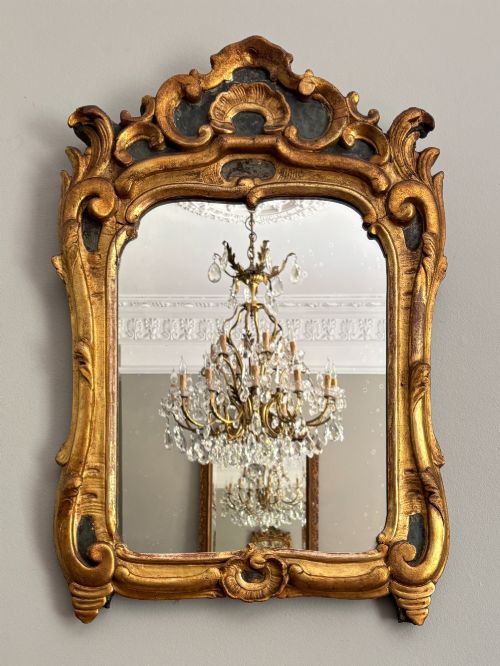
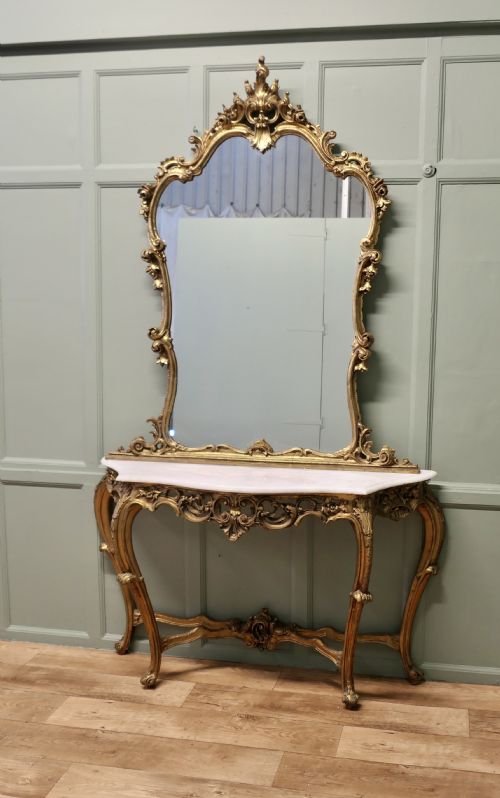
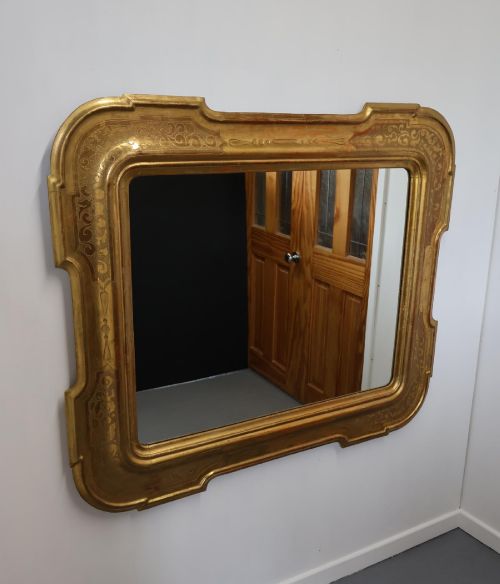
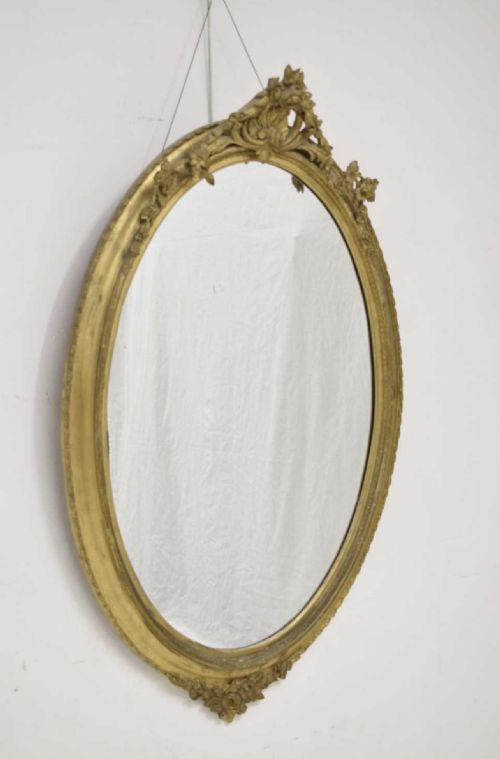
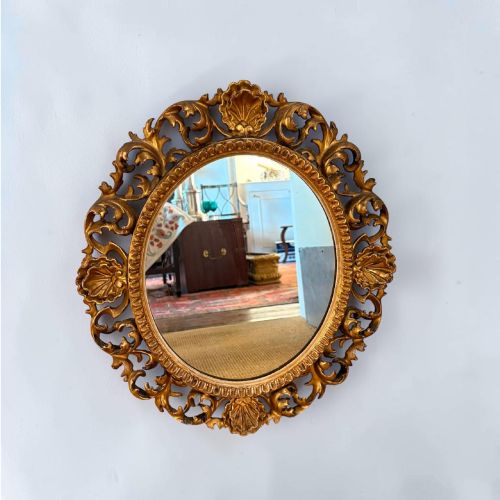
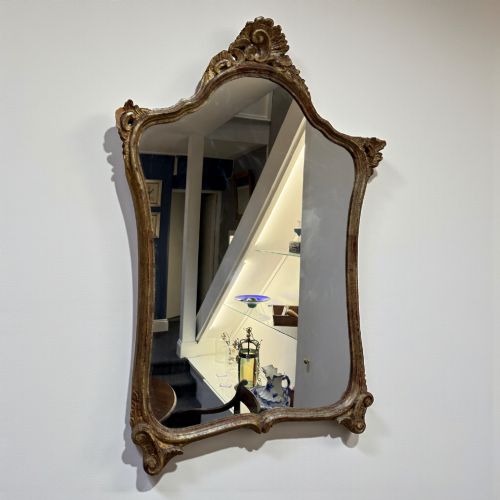
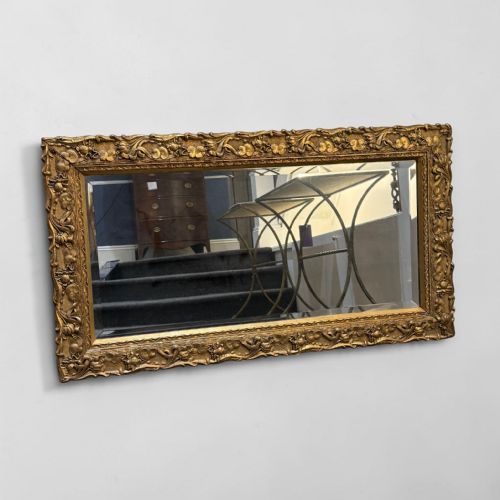
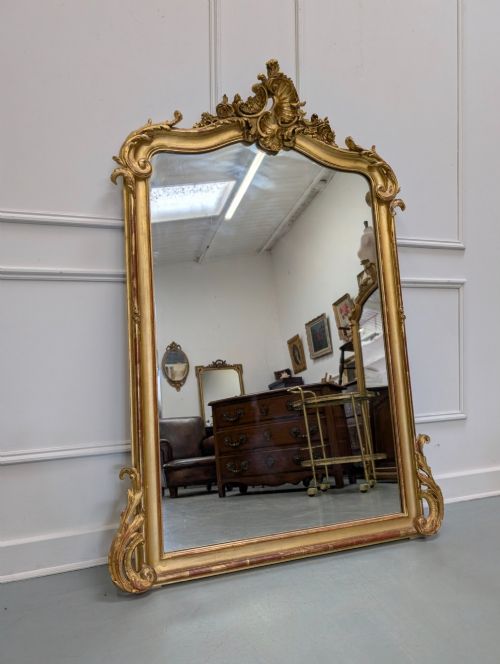
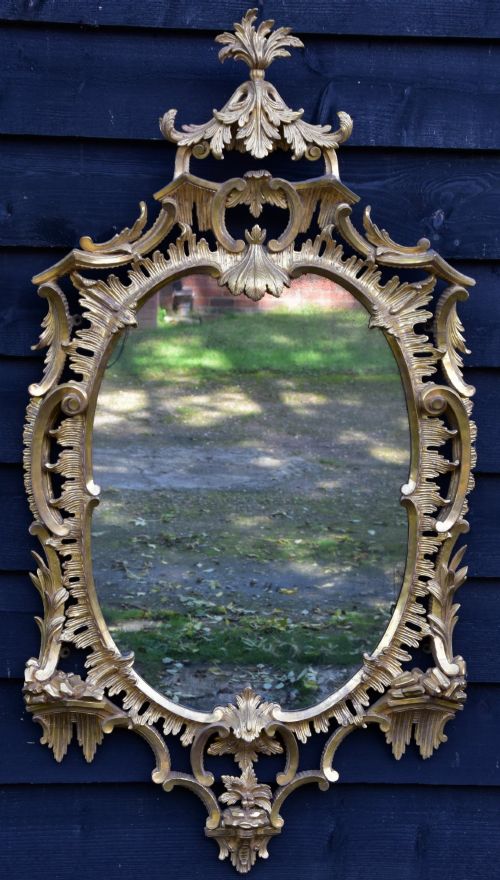
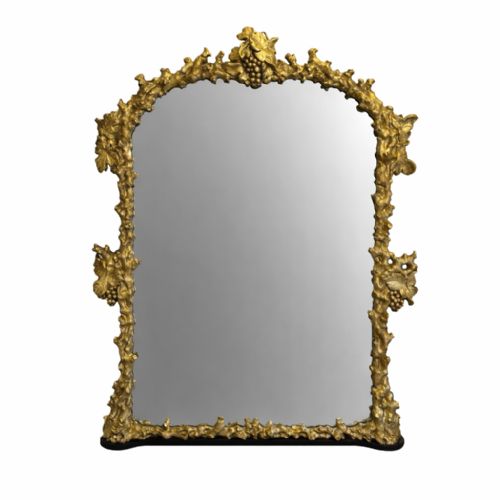
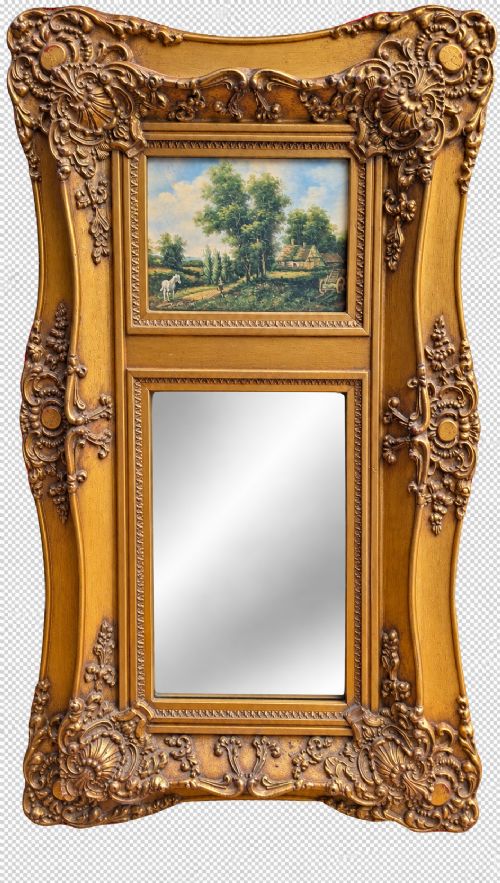
Gold leaf rococo mirrors encompass elaborate wall-hanging pieces, grand overmantels, and console sets designed to dominate a room with sweeping, fluid lines. Buyers searching for gold leaf rococo mirrors most frequently encounter nineteenth-century revival interpretations alongside eighteenth-century originals from French, Italian, and English workshops. These items range from intimate toilet glasses to monumental tall wall mirrors framed in rich, gilded timber.
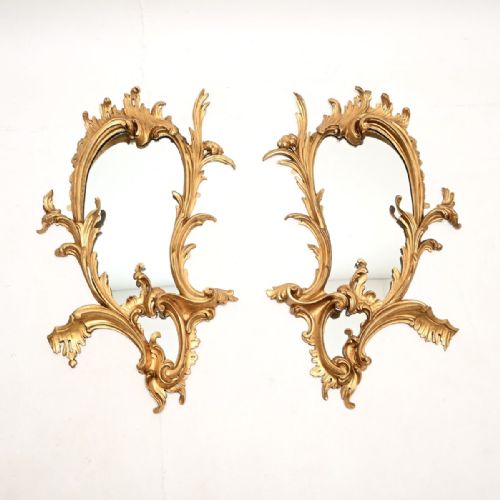
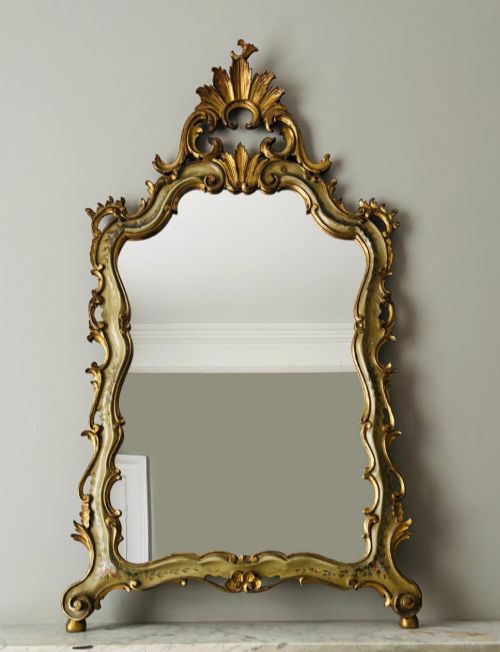
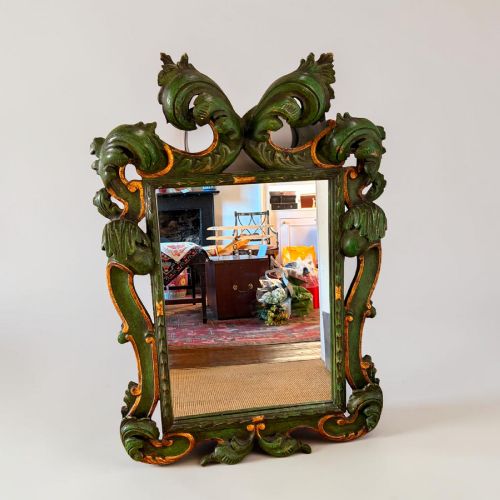
The decorative vocabulary relies on C-scrolls, S-scrolls, asymmetric cartouches, and naturalistic flora that typify the rococo style. Pieces span Georgian, Victorian, and Edwardian periods, frequently demonstrating regional interpretations such as Venetian polychrome painting or Florentine carving. Surviving formats include grand landscape overmantels, vertical pier glasses, and pairs designed for symmetry across a mantelpiece or console.
Materials and construction
Makers constructed the foundational frames from carved wood, utilising timber such as pine, walnut, or hardwoods that could sustain deep, intricate relief work. Artisans applied layers of gesso - a mixture of chalk and binder - over the timber substrate to create a smooth, receptive bed for fine detailing and carving crispness.
Gilders applied extremely thin sheets of gold leaf over the prepared gesso, securing the metal with size and burnishing selected areas to achieve a brilliant metallic sheen. Original mirror plates often display the subtle distortions, foxing, or silvering losses characteristic of historical glass production before the widespread adoption of modern industrial methods.
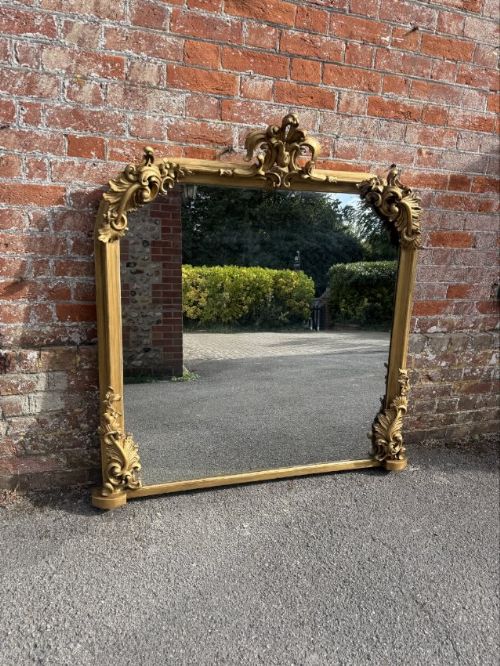
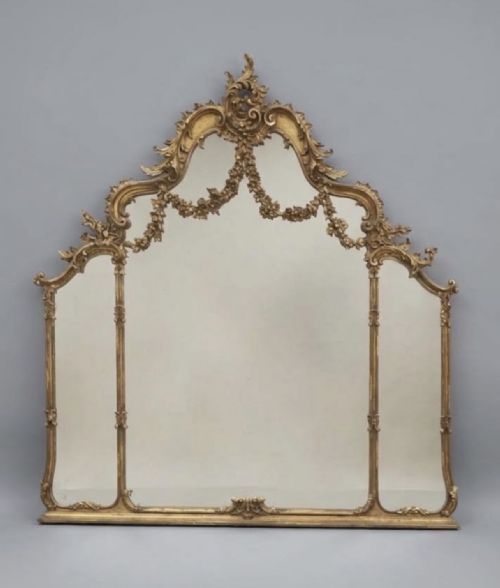
One cheerful overmantel mirror comes equipped with its original gilt cresting, ready to oversee centuries of mantelpiece ornaments.
Evaluating craftsmanship
Quality rests upon the depth, sharpness, and vitality of the wood carving, where master artisans achieved lively, three-dimensional scrolls rather than shallow, mechanical moulding. The application of gold leaf and the handling of the underlying gesso dictate how light catches the surface, separating deeply burnished, luminous frames from flat, uniform metallic coatings.
Proportion and structural integrity define the higher tiers of surviving pieces, particularly in monumental overmantels and tall wall mirrors where heavy frames must support large expanses of glass. The retention of original mirror plates, backboards, and mercury glass adds significant weight to an example's historical integrity.
The Gold Leaf Rococo Mirrors Glossary
- Giltwood
- Wood that has been coated with gold leaf applied over a prepared gesso ground. This technique creates a rich, warm metallic finish that ages with a distinctive patina.
- Gesso
- A plaster-like preparation consisting of chalk mixed with glue binder, applied to wood frames to provide a smooth surface for carving and gilding. Artisans carved intricate relief details directly into this layer.
- Overmantel mirror
- A large horizontal mirror specifically proportioned to hang above a fireplace mantel. These pieces often feature tiered crestings and wide frames designed to reflect the room.
- Rococo revival
- A nineteenth-century design movement that reinterpreted the lively, asymmetrical curves and naturalistic motifs of the eighteenth-century French rococo style. Revival pieces often display bolder scale and heavier carving.
- Parcel gilt
- Woodwork that is partially gilded with gold leaf, leaving areas of natural or stained wood visible underneath. This technique highlights specific carved details against a contrasting grain.
Gold Leaf Rococo Mirrors: Frequently Asked Questions
How do I clean an antique gold leaf mirror?
Dust the carved frame gently with a soft, dry brush to prevent disturbing the delicate gold leaf layers. Avoid using water, chemical sprays, or abrasive cloths on both the gilded surface and historical mirror glass.
Clean the glass plate sparingly using a soft microfiber cloth lightly misted with distilled water or a mild glass cleaner. Ensure liquid does not seep behind the frame edges where it could damage the backing or original silvering.
Are these mirrors heavy to hang?
These pieces possess substantial weight due to dense timber construction, thick gesso layers, and heavy glass plates. Large overmantels and tall wall mirrors require professional installation into secure wall studs or masonry.
Ensure mounting hardware is rated to carry several times the weight of the frame. Heavy-duty mirror brackets or French cleats provide the necessary stability for secure wall hanging.
What is foxing on a mirror plate?
Foxing refers to the small brown spots, speckles, and cloudy patches that develop on antique mirror glass over decades of oxidation. This chemical reaction occurs when moisture reaches the silver or mercury backing behind the glass.
Many collectors prize original plates with foxing as proof of genuine age and historical authenticity. It creates a soft, hazy reflection rather than the stark clarity of modern mirrors.
How can I tell an eighteenth century mirror from a revival piece?
Eighteenth-century examples typically exhibit hand-carved pine or hardwood framing with distinct tool marks and thinner, more irregular gesso applications. The wood behind the gilding often shows deep shrinkage, oxidation, and historical construction methods appropriate to the period.
Nineteenth-century revival pieces tend to feature heavier proportions, machine-assisted preparation, and composition ornaments pressed from pulp rather than hand-carved detail. Examining the backboards, fixings, and construction joins helps clarify the exact period of manufacture.