

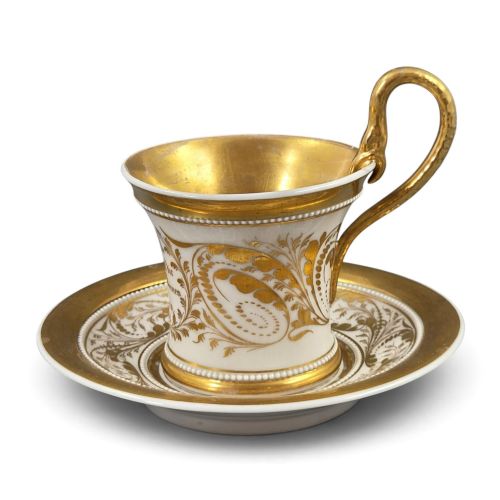


Gold Gilt Tea Set
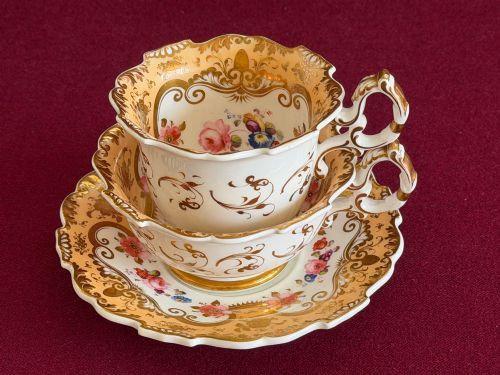
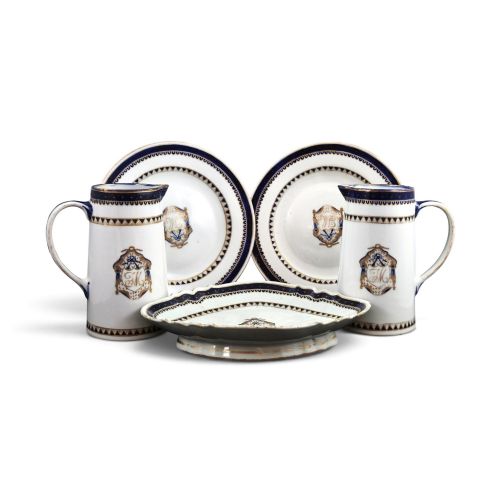
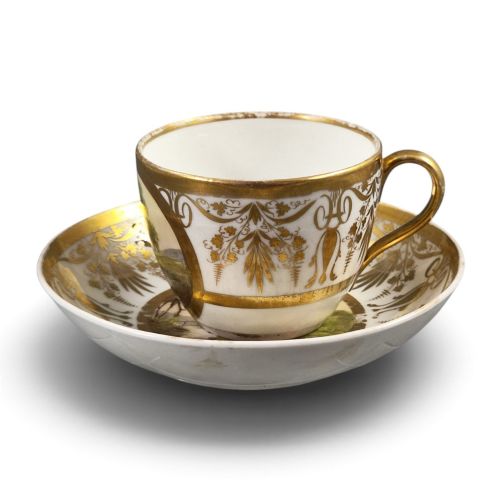
A gold gilt tea set brings gleaming surface ornament and porcelain craftsmanship to the table, spanning multiple centuries of European and Asian workshops.
Gold Gilt Tea Set
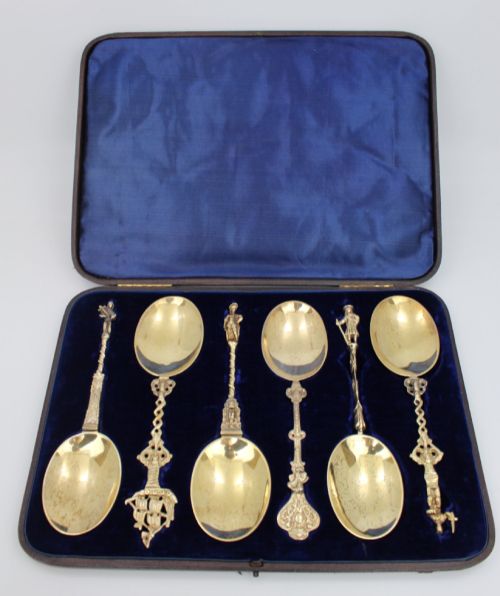
A gold gilt tea set comprises matched or complementary vessels for serving tea and coffee, frequently appearing alongside smaller trios, cups and saucers, and gilt cutlery.
The selections on this page range from 18th Century Chinese Export services and Regency porcelain trios to Victorian Coalport sets and early 20th Century bone china productions.
Formations vary from cabinet cups with painted landscapes to expansive twenty-one piece assemblies intended for formal hospitality.
Materials and production methods
Potters shaped these objects from hard-paste porcelain, bone china, and soft-paste bodies before applying hand-painted pigments and gold leaf.
Gilding techniques involved brushing metal leaf or liquid gold onto the ceramic surface, which was subsequently fired in a kiln to fuse the precious metal to the glaze.
Gold Gilt Tea Set Retail Price Guide 2026
Typical asking prices for gold gilt tea set among the pieces listed under this phrase on Sellingantiques today, from the lower quarter to the upper quarter. They describe what is for sale here now, not the wider market.
The listings encompass porcelain, bone china, and sterling silver materials across the 18th, 19th, and 20th Centuries.
Distinctions in quality
Quality rests in the precision of the hand-painted motifs and the thickness and purity of the applied gilding across cups, saucers, and larger service pots.
Early manufacturer marks, such as those from KPM Berlin or Barr Period Worcester, indicate specific kiln origins and elevate the standing of a service.
Deakin and Francis·H and R Daniel·KPM Berlin·Royal Albert Crown China·Royal Worcester
The Gold Gilt Tea Set Glossary
- Gilding
- The application of gold leaf or gold dust to the surface of porcelain, metal, or wood objects. This technique adds reflective metallic highlights to rims, handles, and painted scenes.
- Trio
- A matched set consisting of a teacup, a saucer, and a matching side plate. Trios became popular table service components during the 19th Century.
- Hard-paste porcelain
- A durable ceramic composition fired at high temperatures using kaolin and petuntse. It provides a dense, vitreous body suitable for intricate tea services.
- Satsuma ware
- A type of Japanese pottery featuring an ivory-coloured earthenware body with a crackle glaze. Pieces are typically decorated with elaborate enamel and gold details.
Gold Gilt Tea Set: Frequently Asked Questions
How do I clean an antique gold gilt tea set?
Wash each piece gently by hand using warm water and a mild detergent. Avoid abrasive sponges or dishwashers to protect the delicate gold leaf and hand-painted enamel details.
Dry the porcelain immediately with a soft cloth to prevent water spots from forming on the surface.
Can I use these tea sets for daily dining?
While these sets were originally created for functional use, antique porcelain requires careful handling due to age. Many collectors reserve them for special occasions rather than everyday routines.
Thermal shock from boiling water poured directly into cold antique cups can also cause hairline cracks in older ceramics.
How can I date a porcelain tea set?
Examine the underside of the saucers and pots for manufacturer stamps, impressed marks, or painted pattern numbers. Reference guides can match these marks to specific active years of the pottery.
The shape of the vessels and the style of the hand-painted decoration also offer strong clues to the period of production.
What is the difference between a tea set and a coffee set?
Tea sets generally include wider cups suited for infusions with milk, alongside larger teapots and sugar bowls. Coffee services feature taller, narrower cups and distinct pots designed for brewed coffee.
Many listings combine these forms into broader tea and coffee set categories depending on the surviving pieces.