

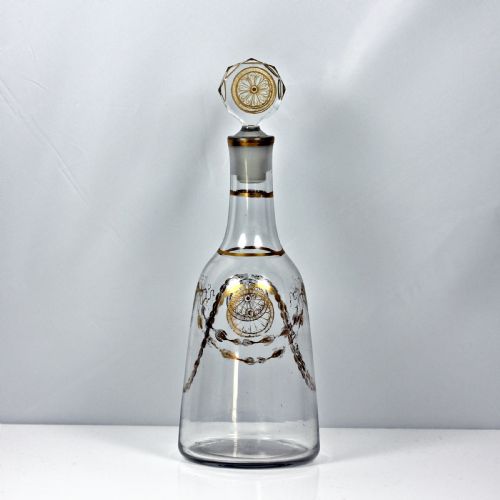
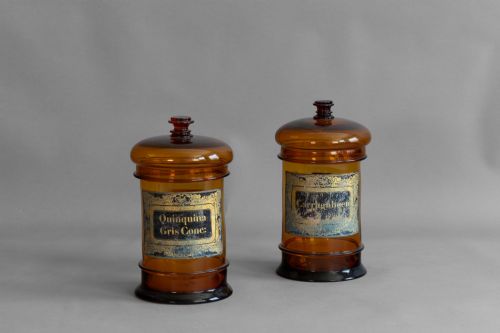


Gold Gilt Glass Bottle
A gold gilt glass bottle brings the bright weight of precious metal directly to delicate vessels.
Gold Gilt Glass Bottle
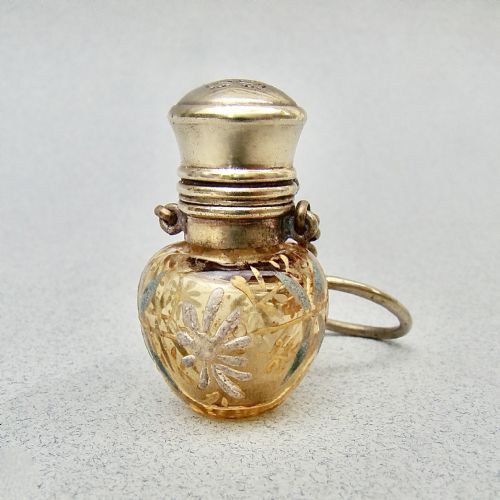
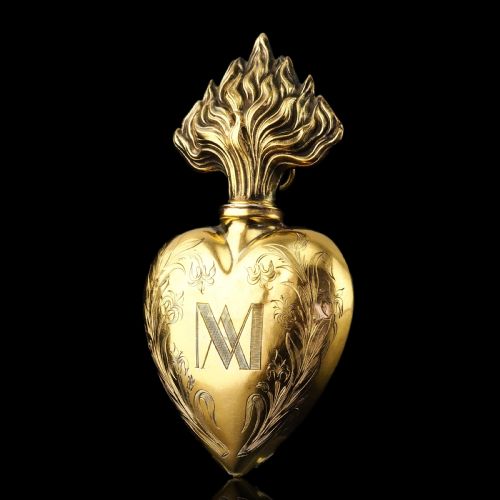
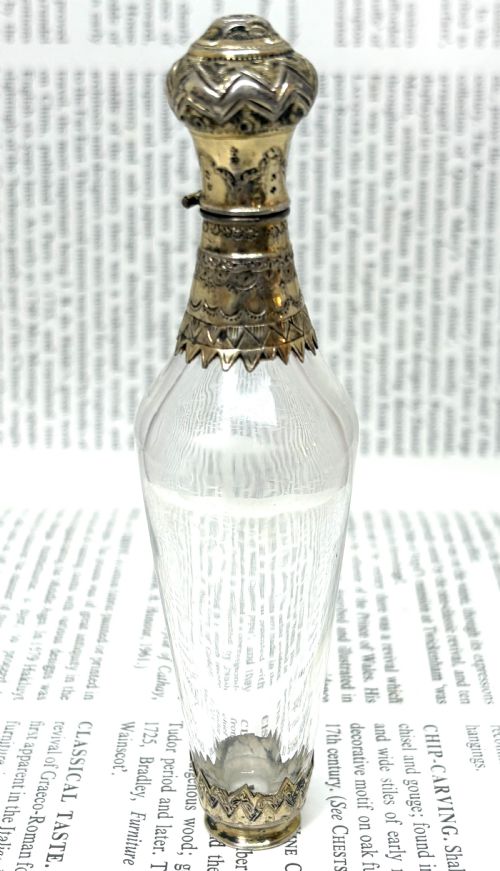
When you search for a gold gilt glass bottle, you encounter a selection of vessels that range from small chatelaine flasks to larger apothecary jars and decanters. These items combine transparent or coloured glass bodies with applied metallic decoration, spanning periods from the Georgian era through the nineteenth century and into the twentieth century.
The pieces on this page are heavily represented by French and English origins, showcasing styles such as Victorian, French Empire, and Art Deco alongside functional apothecary and scent bottle forms.
Materials and construction
Makers utilised glass bodies in forms such as crystal, amber glass, and peachblow glass, shaping them through blowing or moulding. These vessels then received surface enrichment through gold leaf, gilt decoration, or silver gilt mounts.
Artisans applied metallic leaf by hand to accent the glass contours, sometimes combining enamel work or oil painting elements to complete the decorative scheme.
Gold Gilt Glass Bottle Retail Price Guide 2026
Typical asking prices for gold gilt glass bottle among the pieces listed under this phrase on Sellingantiques today, from the lower quarter to the upper quarter. They describe what is for sale here now, not the wider market.
Listings feature items from the Georgian period through the nineteenth century, including Art Deco and mid-twentieth-century examples.
Assessing craftsmanship
Quality in these items rests upon the crispness of the gilding and the clarity of the glass itself, where heavier metal application and finer hand-painted detailing elevate the piece.
The integration of metal mounts, such as hinged caps on scent bottles or fitted collars on decanters, demonstrates the precision of the maker and the overall harmony of the design.
James Giles·René Lalique·Freeman And Son Ltd·S Morden And Co
The Gold Gilt Glass Bottle Glossary
- Gilt
- A thin layer of gold applied to the surface of glass or metal. This technique adds reflective warmth to the body of the vessel.
- Chatelaine
- A decorative belt hook worn with suspended accessories like scent bottles. It allowed Victorian women to carry small personal items securely.
- Apothecary jar
- A vessel originally used by chemists to store medicines and dry ingredients. These pieces often feature glass bodies with painted or gilded labels.
- Perfume atomiser
- A spray bottle designed for diffusing liquid fragrance. These mechanisms usually incorporate metal hardware and glass reservoirs.
Gold Gilt Glass Bottle: Frequently Asked Questions
What is a gold gilt glass bottle?
These pieces are decorative or functional glass containers adorned with gold leaf or gilt paint. They include scent flasks, perfume atomisers, and apothecary jars from various historical periods.
Craftsmen created them to hold perfumes, spirits, or medicinal tinctures while serving as ornamental objects on dressing tables and in cabinets.
How were these bottles used historically?
Smaller vessels served as portable scent containers for personal use during social outings, often attached to chatelaines. Larger decanters and jars held brandy, water, or medicinal compounds in homes and apothecaries.
The inclusion of secure stoppers and metal mounts ensured that volatile liquids remained contained within the glass body.
How do I care for a gilt glass bottle?
Dust these items gently with a dry, soft cloth to protect the delicate metallic surface. Avoid using liquid cleaners or abrasives, which can wear away the thin layer of gold.
Keep them out of direct sunlight to prevent any painted or enamelled elements from fading over time.
How can I tell the period of a glass bottle?
Examine the manufacturing techniques, such as pontil marks on the base, and the style of the metal mounts to determine the era. Victorian and Georgian pieces often display distinct hand-blown characteristics and specific decorative motifs.
Comparing the form and the type of gilding against known nineteenth and twentieth-century examples helps narrow down the date.