



Gold Gilt Cross
A gold gilt cross brings together religious history and fine metalwork, offering a striking focal point for any room or collection.
Gold Gilt Cross
When you search for a gold gilt cross, you encounter a diverse selection of religious artefacts, paintings, and decorative objects spanning several centuries.
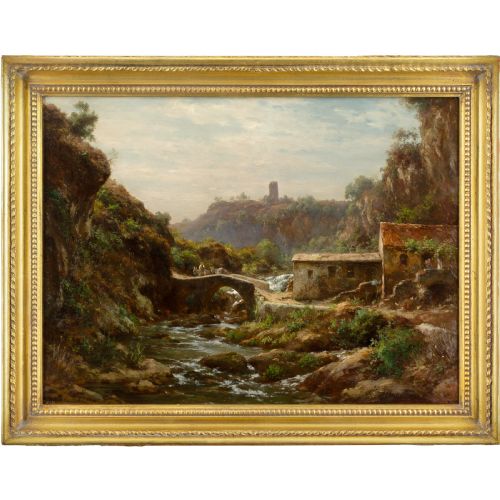
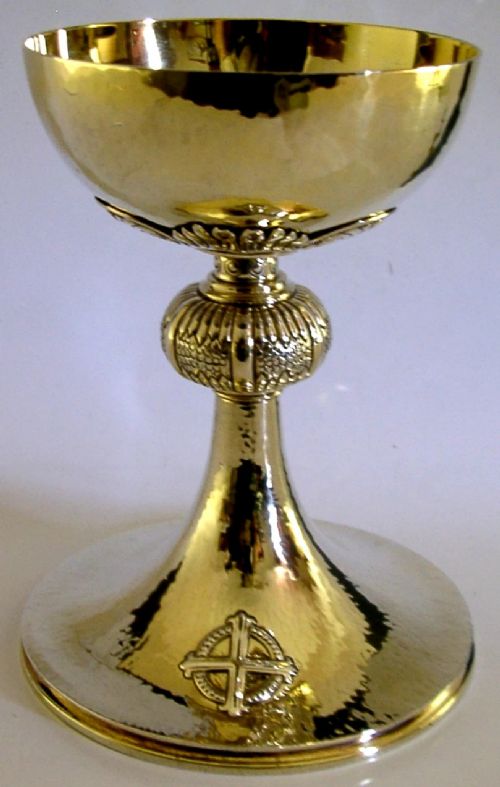
The items found here range from early ecclesiastical metalwork and chalices to oil paintings depicting crosses in landscape scenes, alongside Victorian and Edwardian decorative pieces.
Objects include pieces from the sixteenth century up through the mid twentieth century, representing various European traditions and styles.
Materials and construction methods
The physical pieces involve precious metals such as sterling silver with silver gilt, alongside engraved copper and bronze components.
Frames and decorative wooden objects utilise gesso and gold leaf applied to giltwood bases, while paintings are rendered in oil on canvas.
Gold Gilt Cross Retail Price Guide 2026
Typical asking prices for gold gilt cross among the pieces listed under this phrase on Sellingantiques today, from the lower quarter to the upper quarter. They describe what is for sale here now, not the wider market.
Napoleon managed to cross the Alps and still found time to appear on a nineteenth-century mantel clock.
Assessing quality in gilt objects
Quality rests upon the precision of the engraving, the depth and preservation of the gilding, and the integrity of the underlying materials.
Finer examples demonstrate careful handwork in metal and wood, whereas simpler items show more utilitarian execution.
The Gold Gilt Cross Glossary
- Giltwood
- Wood that has been coated with gold leaf or a gold-coloured substance. This finish appears frequently on frames and decorative furniture.
- Chalice
- A large cup used for drinking wine during a religious service. These vessels are often fashioned from sterling silver with a gilt interior.
- Gesso
- A paint mixture consisting of a neutral binder mixed with chalk, gypsum, or pigment. It serves as a preparation layer for gilding on wood.
Gold Gilt Cross: Frequently Asked Questions
What periods do these pieces represent?
The items span several centuries, including sixteenth-century ecclesiastical metalwork and nineteenth-century oil paintings.
You also find Victorian, Edwardian, and mid-twentieth-century pieces within the selection.
What materials are commonly used?
Common materials include oil on canvas, giltwood, gesso, and gold leaf.
Silver gilt and engraved copper also appear among the metalwork and liturgical objects.
How were these items used?
Many objects served liturgical functions in religious ceremonies, such as chalices and pyxes used for communion.
Other items, including paintings and decorative stools, were created for domestic display and interior decoration.
How do I identify different styles?
Styles range from Neoclassical and Gothic to French Empire and Rococo Revival.
Examining the decorative motifs and framing techniques helps determine the specific design period of each object.