

Gold Gilded Glass
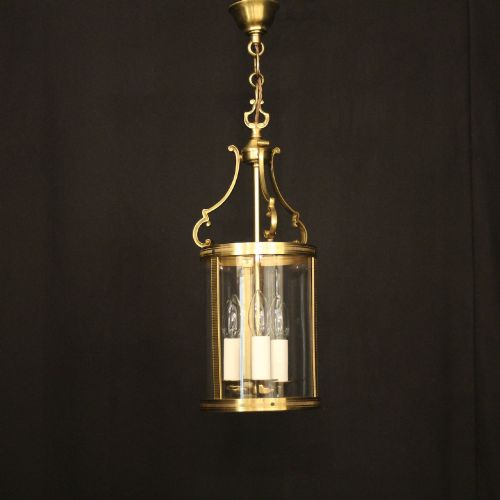
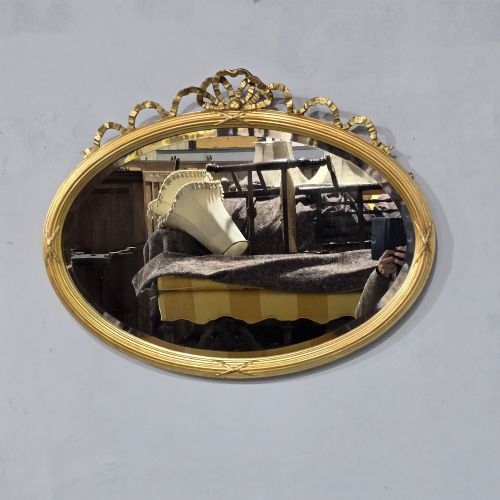
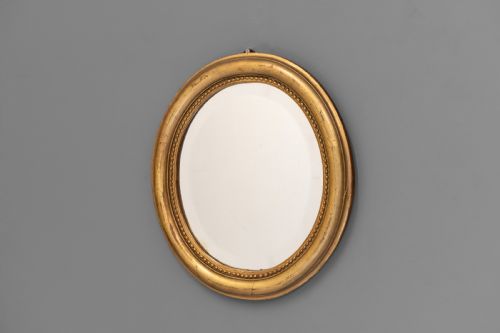
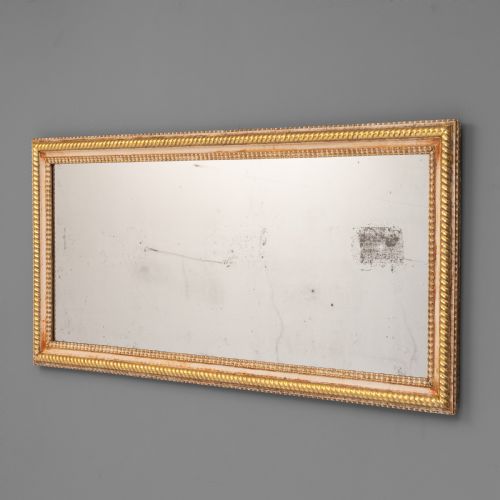
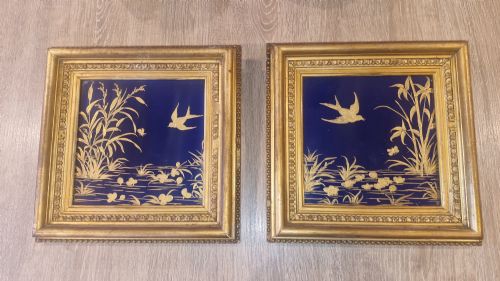
Gold gilded glass brings together glittering metal leaf and transparent material, appearing here in mirrors, chandeliers, and small vessels across several centuries.
Gold Gilded Glass
Gold gilded glass encompasses decorative items where gold leaf, mercury glass, or eglomise techniques meet transparent and reflective surfaces. When searching for gold gilded glass, buyers generally encounter furnishings and lighting designed to catch and amplify interior light.
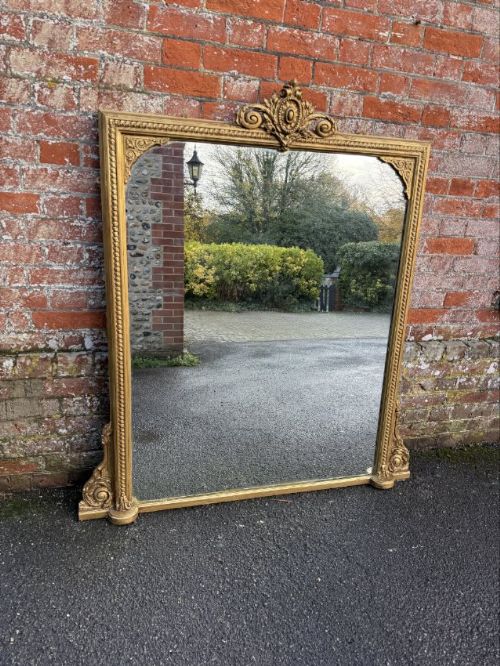
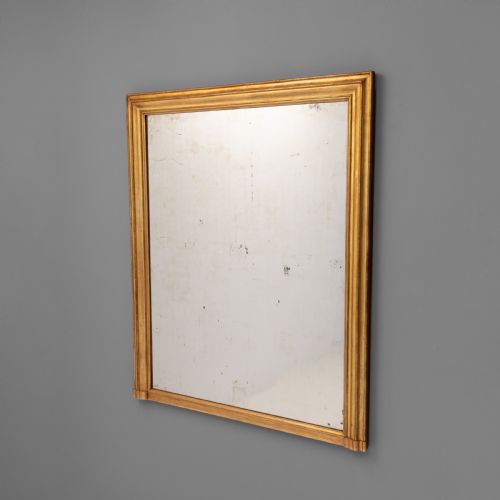
The selections span the eighteenth, nineteenth, and early twentieth centuries, drawing heavily from French and Italian decorative traditions. Wall mirrors, overmantel mirrors, and chandeliers dominate the forms currently available.
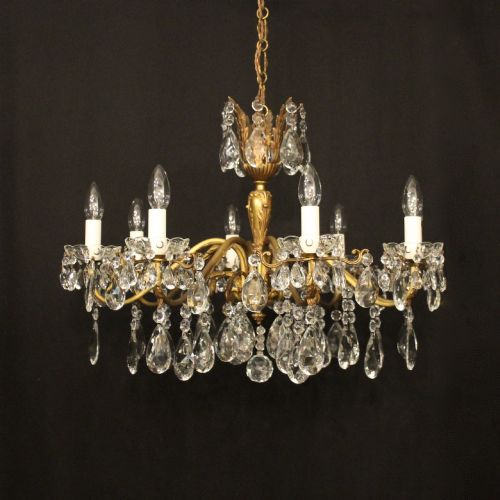
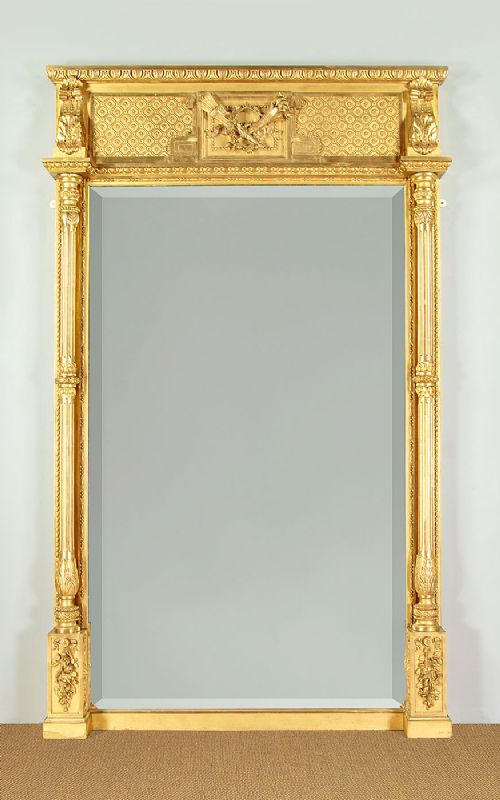
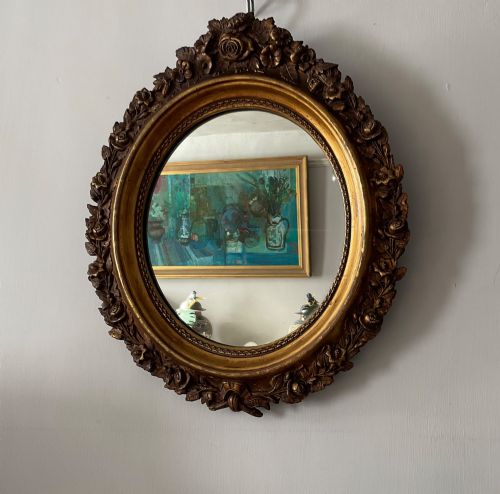
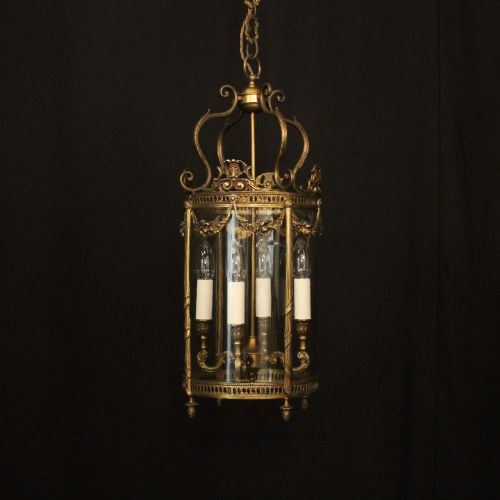
Pieces range from Regency pier glasses to Louis Philippe mirrors and crystal chandeliers adorned with gilt metal elements. Each item demonstrates how makers integrated reflective glass with gilded wooden frames, bronze, or wrought iron.
Materials and Construction
Makers combined glass, wood, gesso, and gold leaf to construct these decorative objects, often applying water gilding or oil gilding techniques to carved wooden frames. Mercury glass and crystal provide the reflective and refractive surfaces seen across mirrors and chandeliers.
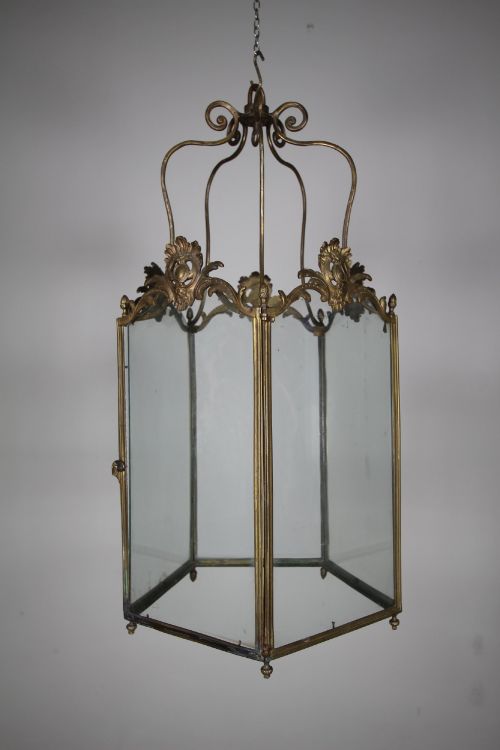
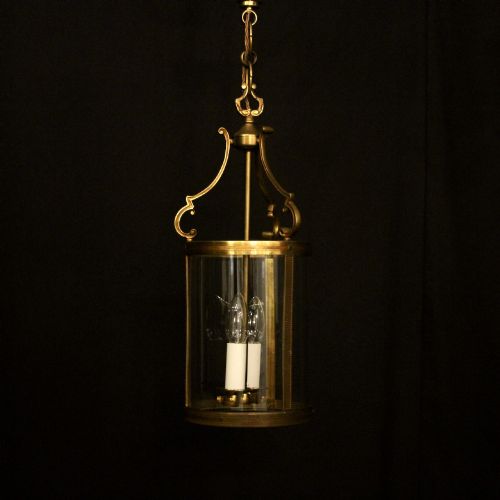
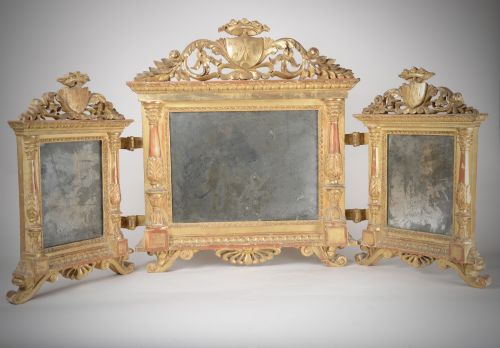
Bronze and wrought iron frequently form the structural framework for hanging lanterns and lighting fixtures, subsequently gilded or ormolu finished. Artisans also utilised eglomise methods to apply gold leaf directly onto glass panels.
Gold Gilded Glass Retail Price Guide 2026
Typical asking prices for gold gilded glass among the pieces listed under this phrase on Sellingantiques today, from the lower quarter to the upper quarter. They describe what is for sale here now, not the wider market.
Saint Catherine watches over proceedings from an 18th century wax devotional icon nestled inside a shimmering giltwood frame.
Distinguishing Quality
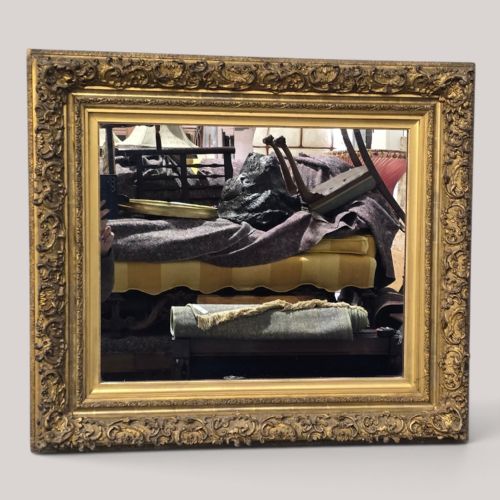
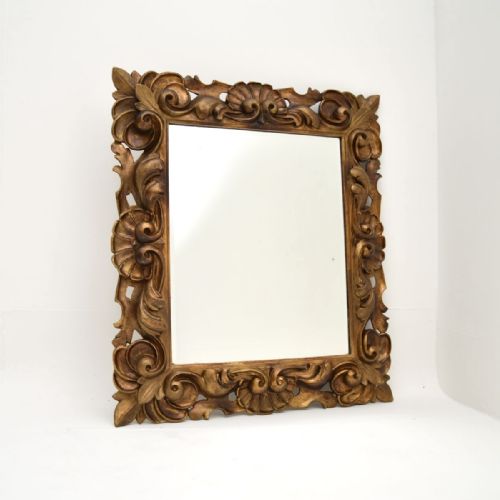
The refinement of the surface decoration and the depth of the carving determine the distinction between average and exceptional pieces. Hand-carved wooden frames with detailed gesso ornamentation and genuine gold leaf display superior craftsmanship compared to simpler moulded alternatives.
The condition of the glass itself, whether original mercury backing or bevelled crystal, influences the overall integrity of the piece. Superior examples maintain crisp architectural details and harmonious proportions within their respective stylistic periods.
Arsène Rochette·Maison Ramsay
The Gold Gilded Glass Glossary
- Giltwood
- Timber that has been coated with thin sheets of gold leaf over a prepared gesso ground. This technique creates a rich, warm metallic sheen on mirror frames and console tables.
- Mercury glass
- A type of blown double-walled glass filled with a silvering mixture through a pontil hole, then sealed. It produces a dark, misty reflection common in nineteenth-century mirrors.
- Eglomise
- A cold decoration technique where gold or silver leaf is applied to the reverse side of glass and then engraved or painted. It creates a deeply reflective, jewel-like panel.
- Gesso
- A plaster mixture applied to wood surfaces as a smooth base for gilding and carving. Finer pieces exhibit deeply built gesso relief under their gold leaf.
- Pier glass
- A tall mirror specifically designed to hang on the wall space between two windows. These often sit above matching console tables in period interiors.
Gold Gilded Glass: Frequently Asked Questions
How do I date a gold gilded glass mirror?
Examine the construction of the wooden frame behind the gilding, looking at the joinery, backboards, and fastener types. Older pieces from the eighteenth and early nineteenth centuries often feature hand-cut fixings and older gesso compositions.
The glass itself offers further clues, as mercury silvering and hand-bevelled edges typically point to nineteenth-century production or earlier. Comparing the stylistic motifs, such as Regency neoclassical lines or Louis Philippe curves, helps narrow the decade.
What is mercury glass?
Mercury glass is a double-walled blown glass object coated on the interior with a silvering solution, historically containing silver rather than actual mercury. This creates a distinctive, mottled reflective surface that darkens with age.
You will find this material frequently in nineteenth-century French leaners and wall mirrors. The foxed, uneven reflection is a prized characteristic among collectors of period interiors.
How should I clean gilded glass frames?
Dust gilded surfaces gently with a soft, dry brush to prevent damage to the delicate gold leaf layer. Avoid using chemical cleaners, water, or abrasive cloths on the gilded wood or gesso.
For the glass panels, apply a mild glass cleaner to a cloth rather than spraying directly onto the glass. This prevents moisture from seeping behind the frame and damaging the backing or leaf.
Where should I hang an overmantel mirror?
Overmantel mirrors are traditionally designed to sit on the chimney breast directly above a fireplace mantelpiece. Their large scale helps anchor the room and reflect natural light across the space.
Ensure the wall structure and fixings can support the substantial weight of these large wooden and glass frames. Secure them properly using heavy-duty mirror brackets suited to the weight of the piece.