
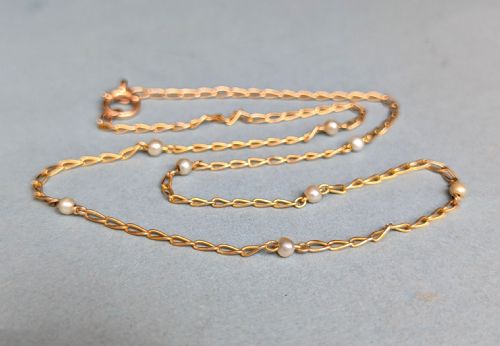


Gold Fine Chain Necklace
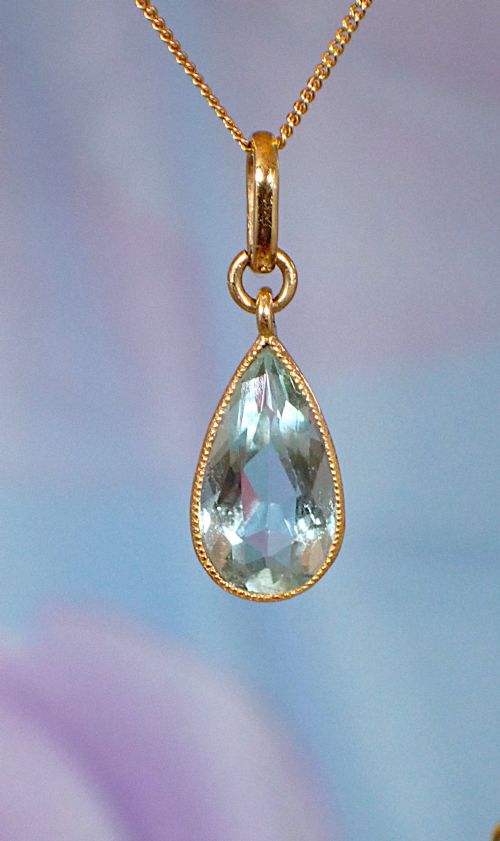
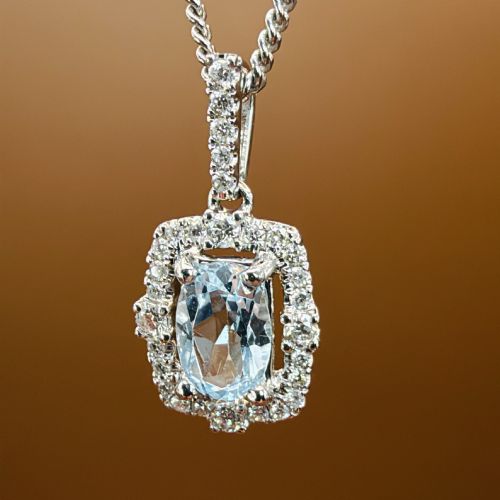
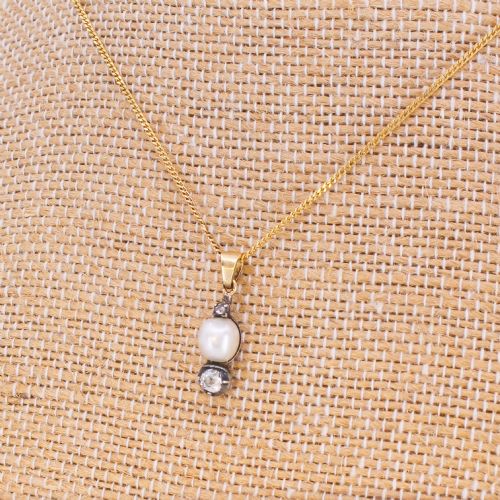
A gold fine chain necklace carries pendants of aquamarine, diamond, and pearl through Edwardian, mid-century, and modern classic designs.
Gold Fine Chain Necklace
When searching for a gold fine chain necklace, a buyer encounters slender metallic links designed to support pendants or worn simply as delicate neck chains. The selections span from the Edwardian era through the mid-twentieth century, capturing shifts in aesthetic preference over several decades.
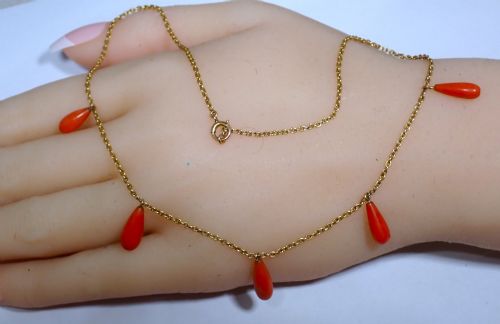
Most examples appearing on this page pair slender yellow or white gold chains with gemstones such as diamond, sapphire, and pearl. Pendant necklaces dominate the selection, alongside delicate double strand configurations and longuard chains.
Origins stretch from the early nineteenth century into the late twentieth century, encompassing Edwardian, Art Deco, and mid-century modern classic styles. Pieces range from simple solitaire diamond drops to multi-gem clusters set in platinum and gold.
How they were made
These items utilise various purities of gold, including 9ct, 14ct, 18ct, and platinum-set elements, often combined with seed pearls, natural pearls, and cut diamonds. Goldsmiths balanced durability with delicate visual lightness, employing fine wirework and secure bezel or claw settings for gemstones.
Gemstone selection dictates the character of each piece, incorporating emerald-cut aquamarines, old-cut diamonds, and natural sapphires alongside amethyst, citrine, and topaz. Platinum integration appears in Edwardian items, providing a bright contrasting metal for diamond settings before white gold became common in later decades.
Listings feature items from the 1800s, Edwardian era, 1920s, and 1950s, utilising 9ct gold, 18ct gold, platinum, diamonds, and pearls.
What varies in quality
The distinction between tiers rests on the integrity of the chain links, the precision of the stone setting, and the quality of the raw materials used. Master goldsmiths achieved uniformity in link construction and ensured that clasps operated securely without compromising the slender profile of the chain.
Stone selection separates standard examples from exceptional ones, particularly regarding the cut, clarity, and matching of natural pearls and diamonds. Superior pieces display thoughtful integration between the pendant drop and the supporting chain, maintaining balance and proportional harmony.
Carl Bucherer
The Gold Fine Chain Necklace Glossary
- Pendant necklace
- A chain supporting a suspended ornament, which can range from a single diamond solitaire to a multi-gem cluster.
- Longuard chain
- A long necklace historically designed to hold a watch or lorgnette, often worn doubled around the neck.
- Seed pearl
- A very small natural pearl, frequently used in clusters or strung in multiples during the Edwardian and mid-century periods.
- Old cut diamond
- A hand-faceted diamond shape typical of earlier periods, predating the modern brilliant cut and exhibiting distinct light reflection.
- Cluster pendant
- An arrangement of smaller gemstones surrounding a central stone, creating a dense focal point on the chain.
Gold Fine Chain Necklace: Frequently Asked Questions
How do I wear a delicate chain necklace?
These slender chains function well on their own or layered with other necklaces of varying lengths. Pairing them with pendants highlights the delicate nature of the metalwork.
Care should be taken when storing them to prevent tangling. Laying them flat or hanging them separately protects the fine links from stress.
What periods do these necklaces represent?
The inventory spans the nineteenth and twentieth centuries, including Edwardian, Art Deco, and mid-century modern classic eras. Each period brings distinct characteristics in metal choice and stone cutting.
Edwardian pieces often feature platinum-set diamonds and natural pearls. Mid-century examples frequently incorporate yellow or white 9ct gold with diverse gemstones.
Are the pearls natural?
Many period pieces incorporate natural pearls or seed pearls characteristic of Edwardian and mid-century jewellery making. These organic elements require gentle care away from harsh chemicals.
Cleaning should involve only soft cloths and mild solutions to preserve the delicate lustre of the pearl surface.
How are different gold purities identified?
Items on this page feature 9ct, 14ct, and 18ct gold in yellow and white variants, alongside platinum settings. Hallmarks and stamps often verify the metal purity used by the maker.
White gold and platinum offer a silvery tone popular in twentieth-century pieces, while yellow gold dominates earlier Victorian and Edwardian examples.