

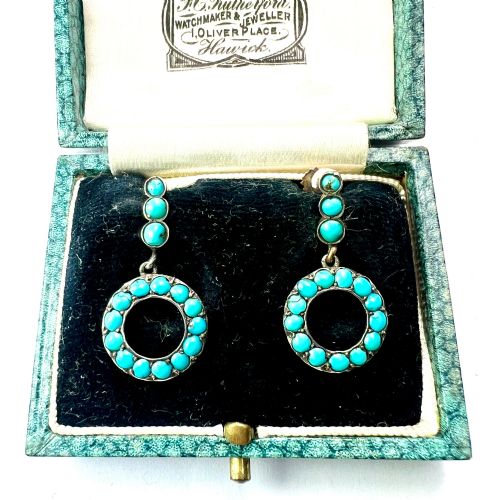


Gold Dangle Cluster Jewellery
Gold dangle cluster jewellery brings together drops and tight stone arrangements across eras from Georgian to mid-century, offering distinct personality.
Gold Dangle Cluster Jewellery
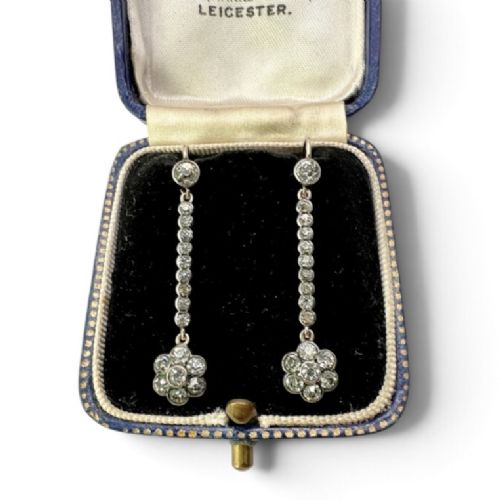
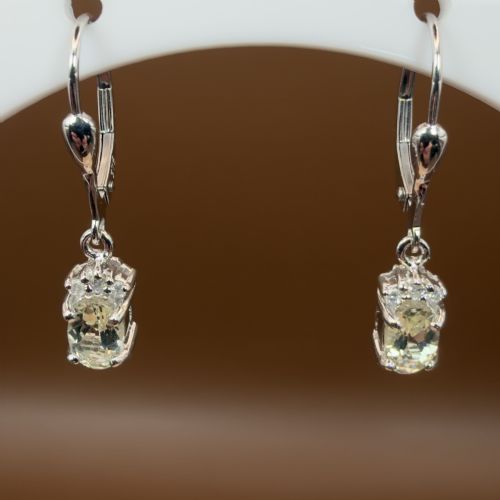
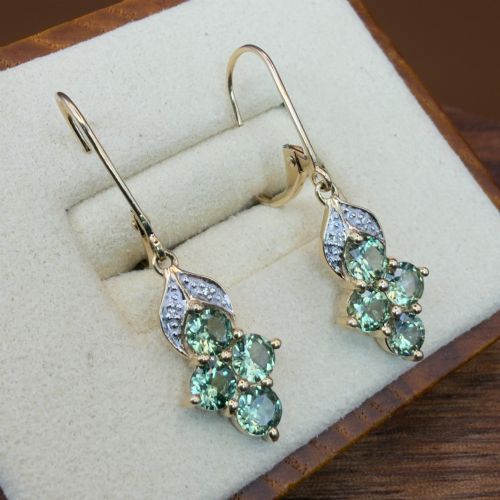
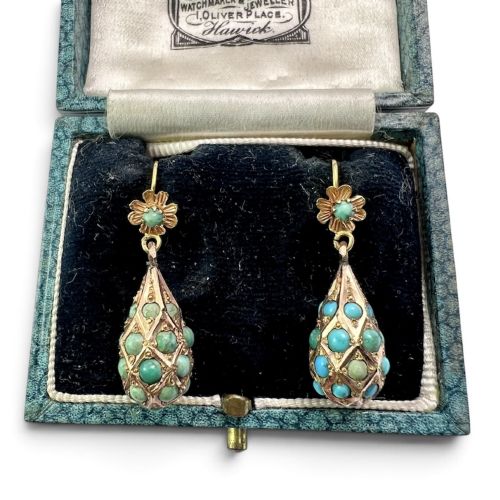
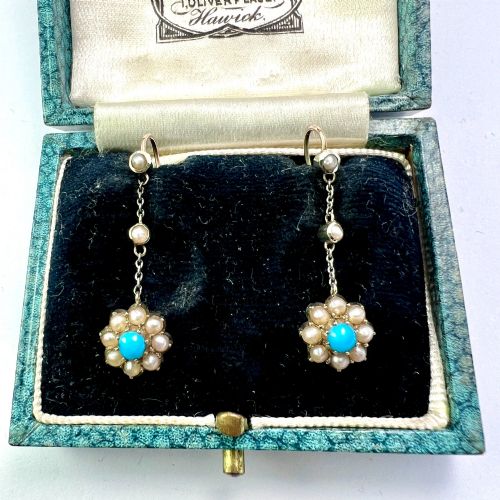
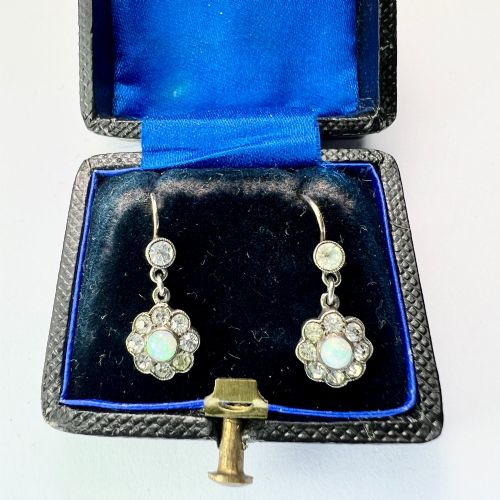
Gold dangle cluster jewellery comprises drop and earring forms that suspend clustered gemstones from ear wires, screwbacks, or hinge backs. The selections range from compact Victorian floral motifs to elongated Edwardian diamond configurations.
Buyers meet Victorian, Edwardian, and mid-century versions frequently on this page. These pieces span eras including Georgian, 1920, 1930, 1950, and 1960 examples.
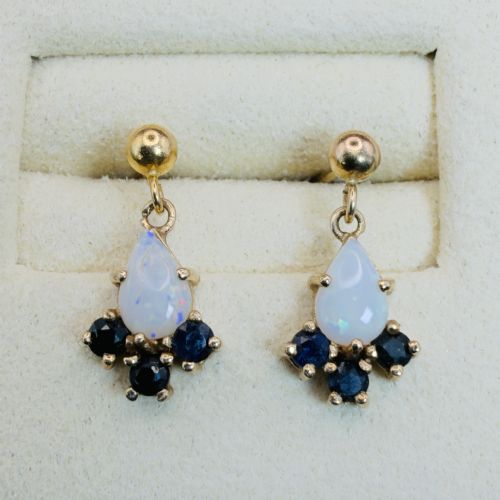
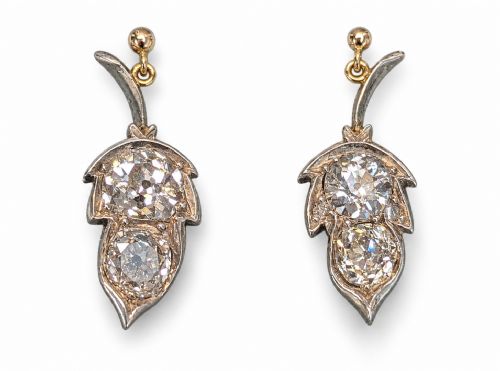
The objects take shapes such as flower drops, teardrops, sunbursts, and tassel drops. Gemstones including turquoise, pearl, diamond, opal, sapphire, garnet, and paste feature prominently in these configurations.
Materials and Construction Techniques
Metals span 9ct gold, 9ct yellow gold, 9ct white gold, 15ct yellow gold, 18ct gold, and silver. These metals support settings for stones like old cut diamonds, rose cut diamonds, pearls, and turquoise.
Construction methods involve mounting clusters of smaller gems around central stones to create flower or geometric shapes. Drop mechanisms utilise hinges, screwbacks, and articulated links to permit movement.
Gold Dangle Cluster Jewellery Retail Price Guide 2026
Typical asking prices for gold dangle cluster jewellery among the pieces listed under this phrase on Sellingantiques today, from the lower quarter to the upper quarter. They describe what is for sale here now, not the wider market.
Some grape earrings come with matching pendant parures, ensuring you are fully prepared for a Victorian harvest festival.
Distinctions in Quality
Quality rests upon the precision of the stone setting and the integration of the cluster work. Pieces featuring well-matched natural pearls, clean old cut diamonds, or vibrant turquoise demonstrate higher refinement.
The integrity of the articulated joints and the weight of the gold or silver mountings distinguish the construction. Finer examples maintain secure settings while allowing fluid movement in the dangle elements.
Knoll & Pregizer
The Gold Dangle Cluster Jewellery Glossary
- Cluster
- An arrangement of smaller gemstones set closely around a central stone. This technique maximises visual impact and light reflection.
- Old cut
- A diamond cutting style typical of earlier periods featuring a smaller table, higher crown, and open culet. These stones catch candlelight effectively.
- Paste
- Hand-cut glass used to imitate gemstones in antique pieces. High-grade paste displays deep facets and careful foiling.
- Hinge back
- A secure earring fastening that clicks closed on a hinged post. This mechanism provides stability for dangling drop designs.
- Parure
- A matching set of jewellery designed to be worn together. Surviving sets often include earrings and coordinating pendant elements.
Gold Dangle Cluster Jewellery: Frequently Asked Questions
What periods do these pieces span?
The selection includes items from the Georgian and Victorian eras, through Edwardian and Art Deco periods, up to 1950 and 1960 designs.
Each period brings distinct metal choices and stone cuts, ranging from dark paste clusters to bright mid-century sapphires.
How do I care for antique cluster earrings?
Gentle cleaning with a soft brush and warm soapy water preserves the metal and stone settings. Avoid harsh ultrasonic cleaners, particularly with pearls and turquoise.
Store pieces individually to prevent stone-on-stone contact and protect delicate drop mechanisms.
Are these earrings suitable for pierced ears?
Many listings feature standard wire or hinge back fittings for pierced ears. Certain vintage examples utilise screwback mechanisms designed for non-pierced lobes.
Checking the specific listing details reveals the fastening type used on each pair.
What stones are common in these clusters?
Diamonds, pearls, turquoise, opals, garnets, and sapphires frequently appear as central or surrounding stones. Paste is also utilised in Georgian and Edwardian examples.
These materials define the colour palette of the jewellery across different eras.