





Gold Crucifix Necklace
A gold crucifix necklace brings together centuries of devotional craftsmanship and fine metalwork, offering pieces from the Georgian, Victorian and Edwardian eras.
Gold Crucifix Necklace
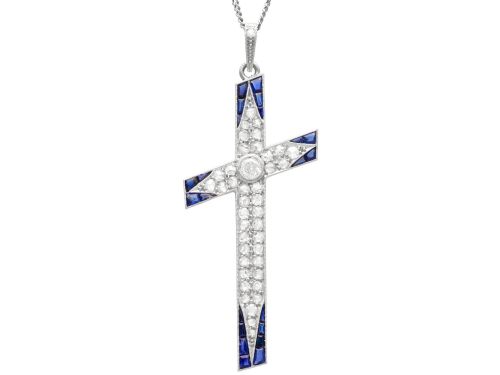
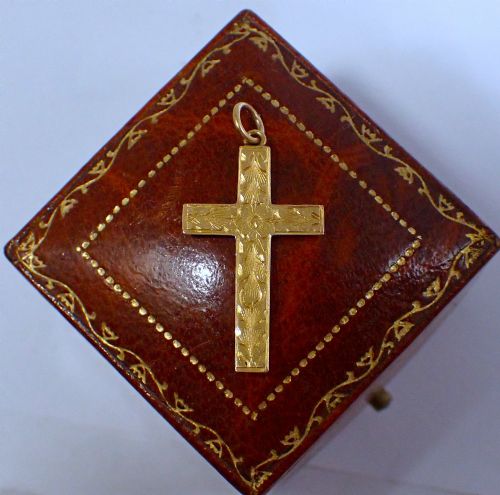
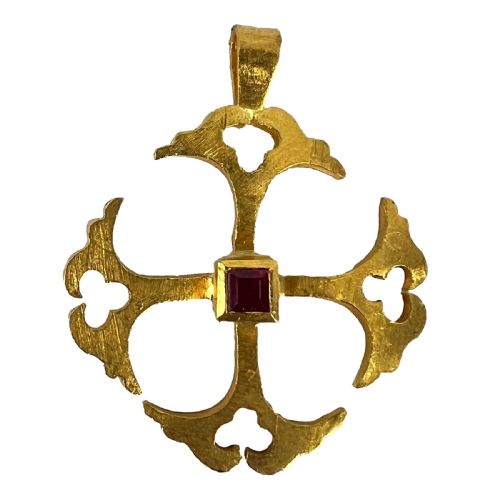
A gold crucifix necklace takes many forms across the listed items, ranging from Georgian coral and seed pearl designs to Victorian engraved 15ct gold crosses and later twentieth-century iterations. Buyers searching this category encounter various interpretations of the cross motif, executed in yellow gold, white gold, and distinct regional styles such as Italian modernist pieces.
Origin and period dictate the character of each piece, moving from the delicate seed pearls of the Georgian era to the bolder diamond and gemstone settings of the 1950s. Every gold crucifix necklace holds a distinct place in the history of devotional jewellery and fine metalwork.
Materials and Making
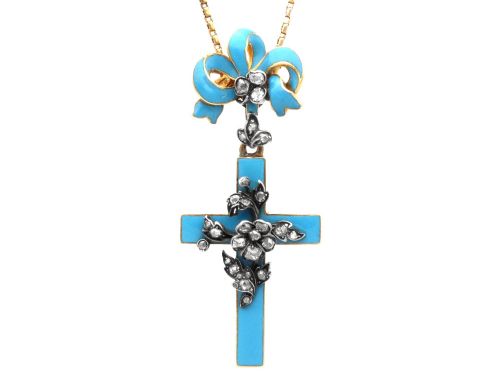
Goldsmiths utilised varying purities of gold, notably 9ct, 15ct, 18ct, and occasionally 24ct yellow and white gold, to form the foundational structure of each cross pendant. Surface enrichment often involved intricate hand engraving, blue enamel application, or precision bezel settings designed to secure small gemstones.
Gemstones such as diamonds, sapphires, rubies, turquoise, and seed pearls were meticulously integrated into the gold framework using period-appropriate mounting techniques. The combination of durable precious metals with fragile organic elements like coral and seed pearls required specialised jeweler skills to ensure longevity.
Gold Crucifix Necklace Retail Price Guide 2026
Typical asking prices for gold crucifix necklace among the pieces listed under this phrase on Sellingantiques today, from the lower quarter to the upper quarter. They describe what is for sale here now, not the wider market.
Listings span multiple eras from the Georgian period through the 1960s, incorporating gold, silver, diamonds, emeralds, sapphires, and seed pearls.
Assessing Quality and Execution
The refinement of the hand engraving and the precision of the stone setting separate standard production from superior examples. Master goldsmiths achieved crisp lines in the metal and secure flush or prong settings that highlight the brilliance of diamonds and coloured stones alike.
The choice of materials also defines the hierarchy of pieces, with higher carat gold and finely matched gemstones indicating superior workshop output. The integrity of the enamel work and the preservation of original mounts further distinguish the finer pieces from simpler counterparts.
The Gold Crucifix Necklace Glossary
- Seed pearl
- A very small, naturally occurring pearl, often drilled and threaded or set collectively to form floral or geometric patterns in antique jewellery. They add a delicate, luminous texture to Georgian and Victorian pieces.
- Enamel
- A glassy substance fused to the surface of metal through firing for decoration and colour. Blue enamel is frequently seen on nineteenth-century devotional pendants.
- Hallmark
- An official stamp applied by an assay office to indicate the purity of the precious metal and often the year of manufacture. British marks often reveal the specific town, such as Birmingham.
- Rose cut
- An antique diamond cut featuring a flat base and a domed crown consisting of triangular facets. This cut predates the modern brilliant and offers a softer, understated sparkle.
Gold Crucifix Necklace: Frequently Asked Questions
How do I date an antique gold cross?
Dating relies on examining the construction techniques, hallmarks, and the specific style of the goldwork and gemstone settings. Georgian and Victorian pieces often display hand engraving and specific pin mechanisms that differ from mid-century manufacturing methods.
Assay office marks and regional design characteristics further narrow down the decade of production for pieces originating in Britain or continental Europe.
What is the difference between a crucifix and a cross?
A cross is a simple intersecting geometric shape, whereas a crucifix specifically bears the figure of the corpus representing Jesus Christ. Both forms appear frequently in antique and vintage fine jewellery categories.
Collectors often use the terms interchangeably in conversation, but the physical presence of the figure defines the crucifix distinction.
Can I wear my antique gold cross every day?
Wearing antique and vintage jewellery daily requires consideration of its age, delicate materials like seed pearls, and the security of the settings. While solid gold pieces are durable, older mounts holding fragile gemstones benefit from gentle care and occasional inspection by a jeweller.
Avoiding exposure to harsh chemicals and removing the necklace during vigorous activities helps preserve the integrity of the gold and any delicate enamel.
What gold purities should I expect to find?
The inventory includes items rendered in 9ct, 15ct, 18ct, and 24ct gold, encompassing both yellow and white metal variations. British pieces from the nineteenth and early twentieth centuries frequently utilise 15ct gold before regulations shifted toward 9ct and 18ct standards.
Each purity level offers a distinct hue and weight, reflecting the prevailing standards of the period in which the item was made.