



Gold Branch Light Fixture
A gold branch light fixture brings botanical form and metallic warmth to a room, channelling historical French and Italian design.
Gold Branch Light Fixture
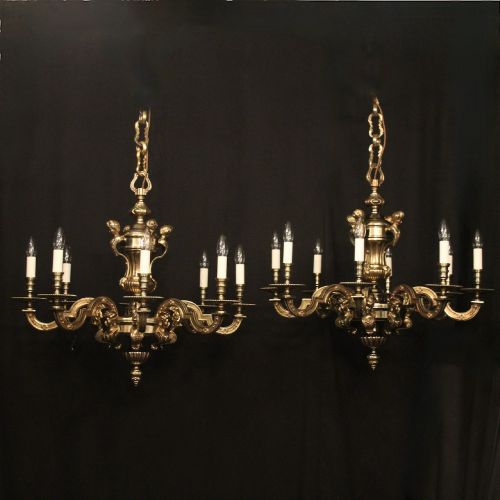
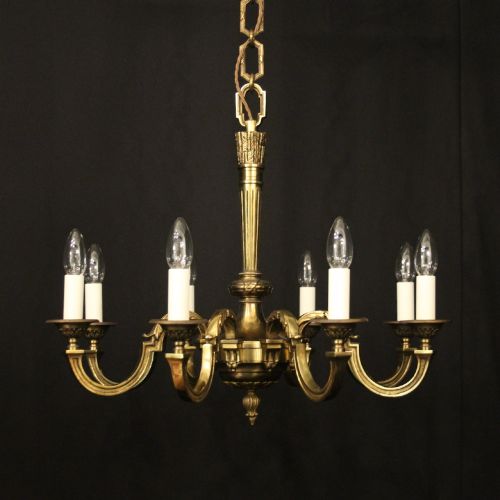
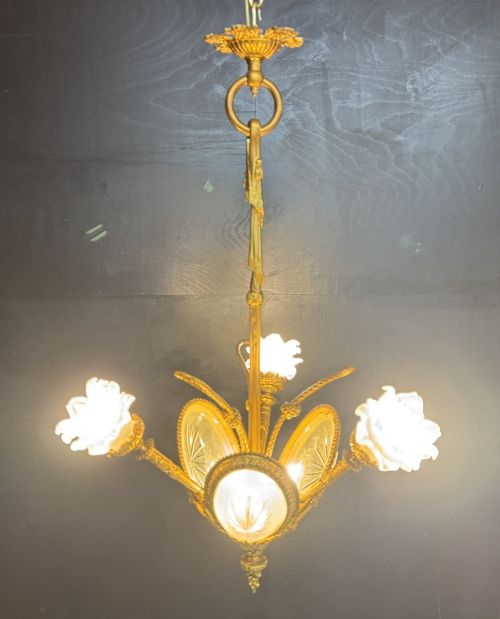
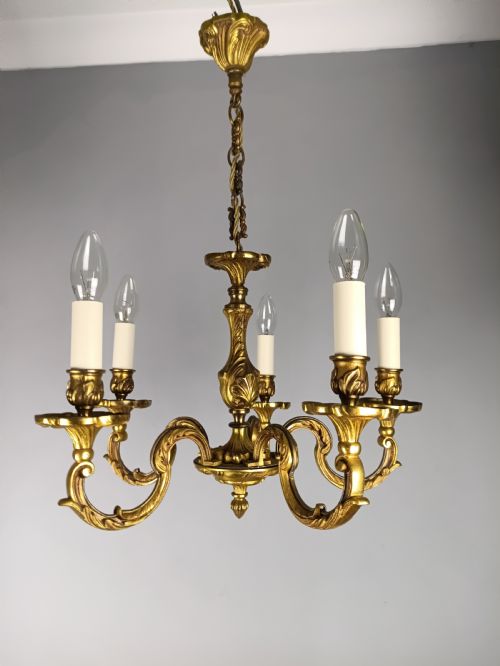
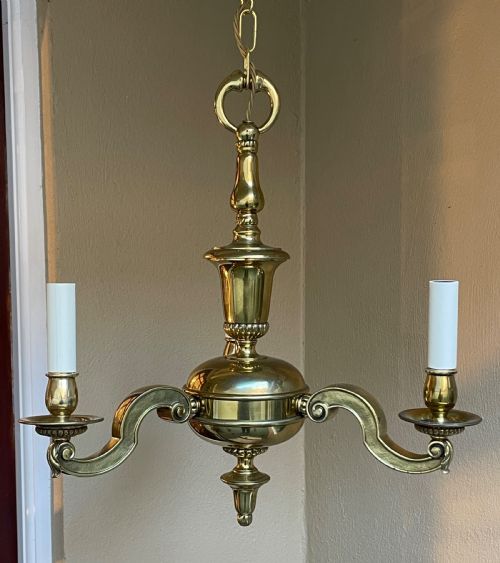
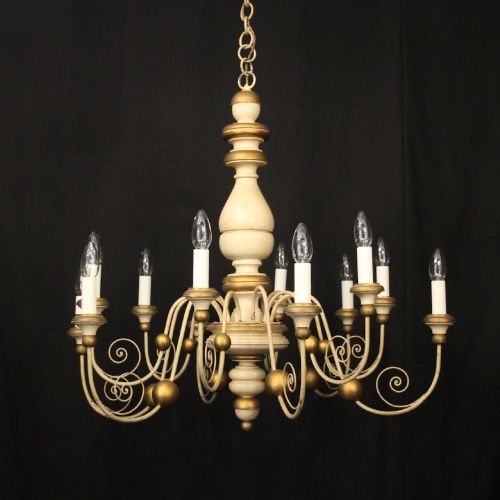
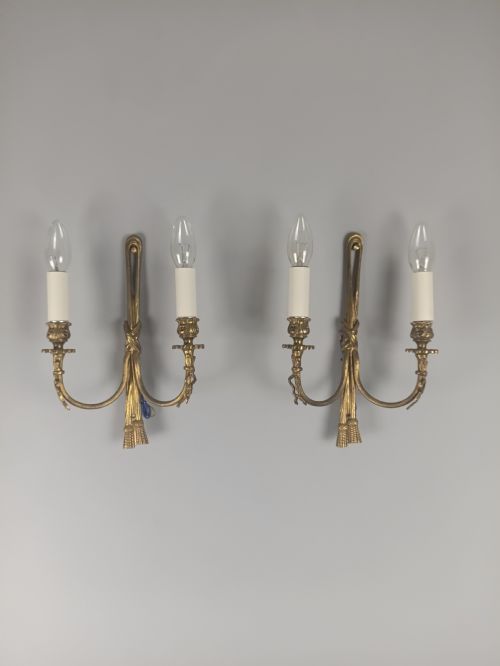
When you search for a gold branch light fixture, you look at decorative lighting shaped to mimic natural foliage, bearing multiple arms or branches in metallic finishes. The selection here leans heavily towards French and Florentine chandeliers, wall lights, and table lamps originating from the nineteenth century up through the nineteen-thirties.
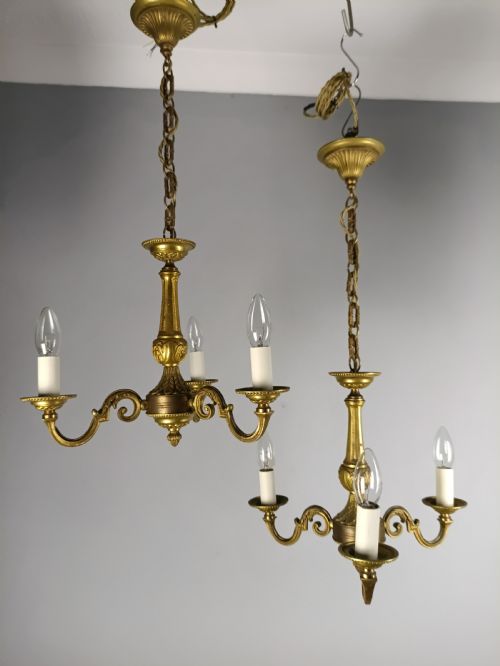
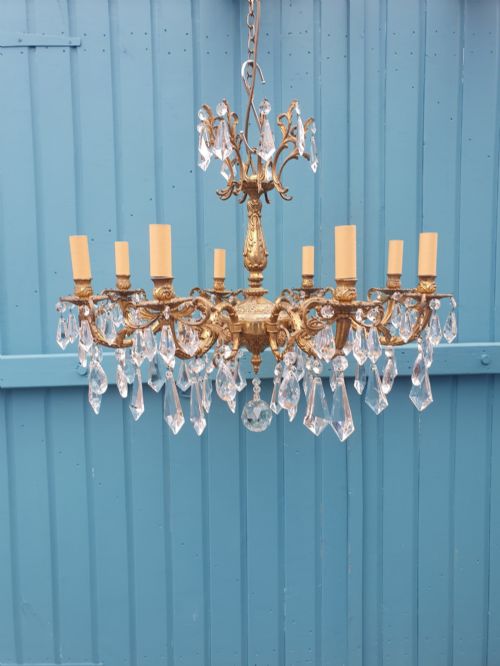
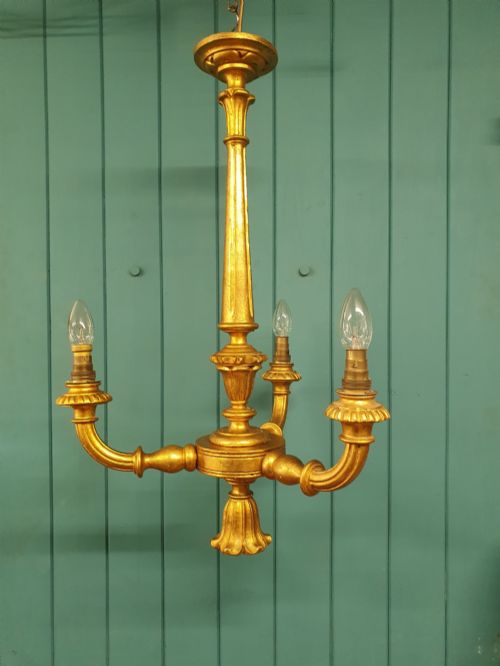
The most common pieces you meet on this page are multi-armed chandeliers and paired wall lights utilising cast brass, gilt bronze, and carved giltwood. These range from simple three-branch designs to large twelve-light creations adorned with crystal drops and floral ceramic elements.
Origin and period heavily dictate the character of each piece, spanning Edwardian sensibilities through to French Neoclassical and Rococo Revival styles. Buyers select these fixtures to introduce organic curves and historical weight into contemporary or traditional interiors.
How these fixtures were constructed
The construction of these fixtures relies on metal casting, carving, and gilding techniques applied to brass, bronze, and wood. Makers cast brass and bronze to form intricate acanthus leaves and naturalistic branches, while other examples feature hand-carved giltwood.
Surface decoration involves applying gold leaf, gilt finishes, or polychrome paint, often paired with cut glass crystal pendants and drops. Fabric occasionally appears in supporting elements, and toleware combines with floral ceramics in specific French variants to introduce colour and texture.
Gold Branch Light Fixture Retail Price Guide 2026
Typical asking prices for gold branch light fixture among the pieces listed under this phrase on Sellingantiques today, from the lower quarter to the upper quarter. They describe what is for sale here now, not the wider market.
Some branches wear drips.
What separates the tiers of quality
Quality in these lighting pieces rests on the crispness of the casting and the depth of the metalwork. Hand-chased bronze and finely carved giltwood display botanical details with sharp definition, whereas lesser examples present softer, shallower surface textures.
The integration of secondary materials such as cut glass crystal and ceramic elements dictates the refinement of the piece. Superior items exhibit harmonious proportions across multiple branches and secure mountings that hold heavy arms without sagging.
The Gold Branch Light Fixture Glossary
- Gilt bronze
- Copper alloy coated with a thin layer of gold, providing a durable and rich metallic finish. This material permits fine casting detail often seen in French chandeliers.
- Giltwood
- Timber carved and subsequently covered with gold leaf or a gilt composition. It appears frequently in Florentine wall lights and decorative chandelier components.
- Toleware
- Enamelled and painted sheet metal used for decorative items and light fittings. French examples often incorporate floral ceramic elements alongside this painted metal.
- Acanthus leaf
- A classical ornamentation motif modelled on the leaves of the Mediterranean acanthus plant. Found cast in brass or bronze on nineteenth-century and early twentieth-century arm mounts.
- Ormolu
- Synonym for gilded bronze popular in French decorative arts. It provides a warm, non-tarnishing gold appearance on grand historical light fittings.
Gold Branch Light Fixture: Frequently Asked Questions
How do I hang a heavy antique chandelier?
Hanging a heavy cast brass or gilt bronze chandelier requires securing the ceiling fixture directly into a wooden joist or using a rated structural ceiling anchor. The weight of multiple metal arms and crystal drops demands professional ceiling reinforcement.
Electrical wiring must also be inspected or renewed to safely handle the lamp capacity, especially when dealing with imported pieces from the nineteenth and early twentieth centuries.
Are these light fixtures wired for modern use?
Many listings indicate that pieces have undergone rewiring, while others retain older internal components that require professional updating to meet current electrical standards. Buyers should check individual listing details regarding rewiring status.
An accredited electrician can easily adapt European or older British fittings to accept standard modern bulbs without altering the exterior metalwork.
How do I clean a gilt metal chandelier?
Cleaning gilt bronze, brass, or giltwood requires gentle dusting with a soft brush or a dry microfiber cloth to preserve the delicate gold leaf or surface finish. Avoid harsh chemical cleaners or abrasive polishes that strip away historical gilding.
Crystal drops can sometimes be removed and washed in warm soapy water before being dried thoroughly and reattached to the arms.
What is the difference between French and Florentine styles?
French lighting designs from this era often draw on Louis XIV, Neoclassical, or Rococo Revival traditions, featuring symmetrical bronze casting, crystal drops, and refined acanthus ornamentation. They project a formal elegance.
Florentine pieces frequently utilise carved giltwood and polychrome gilded surfaces with an emphasis on organic floral and leaf motifs. They lean towards rustic Italian craftsmanship and dramatic surface texture.