





Gold Branch Ceiling Light
A gold branch ceiling light brings sculptural warmth and illumination to a room, channelling historical styles from French chateaux to Florentine workshops.
Gold Branch Ceiling Light
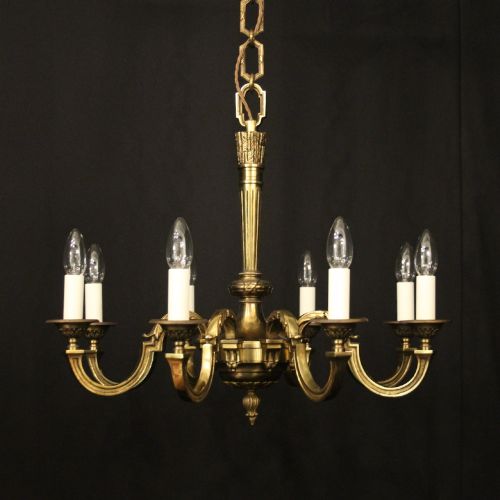
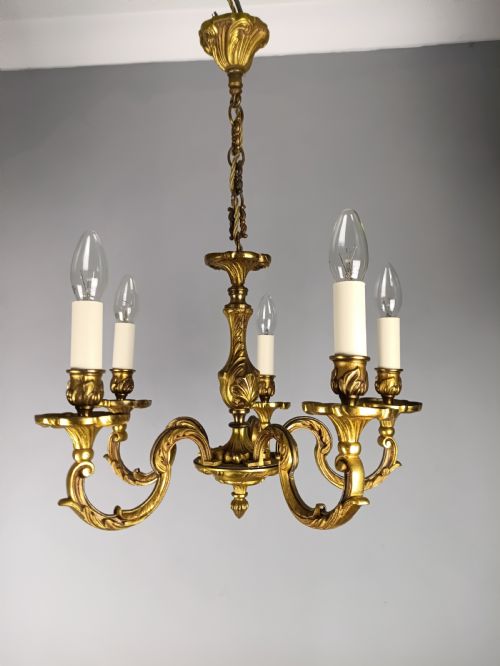
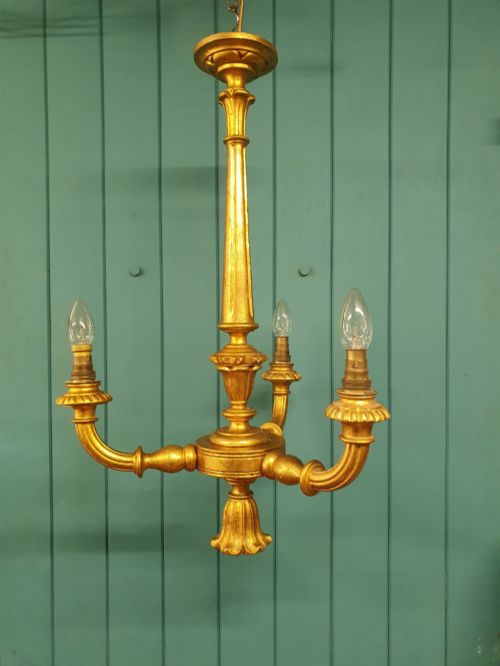
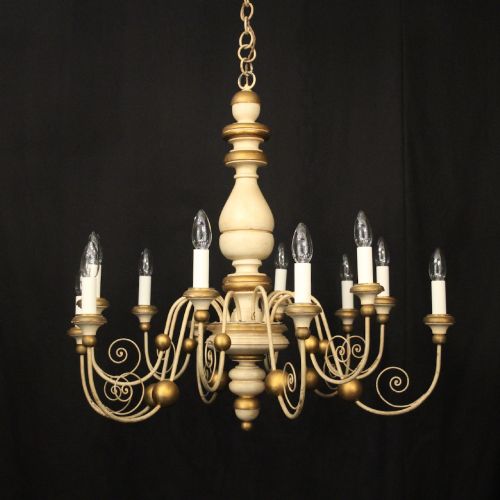
A gold branch ceiling light encompasses ornate multi-arm chandeliers shaped with botanical or branch-like metalwork, often referred to in listings simply as chandeliers. Buyers seeking this aesthetic will find numerous examples styled after French chateaux, French Rococo Revival, and Florentine designs. These pieces range from compact three-branch fixtures to large twelve-arm centrepieces designed for substantial rooms.
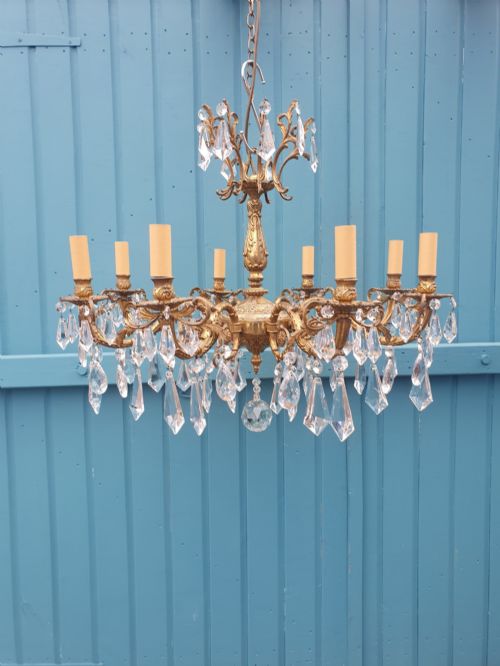
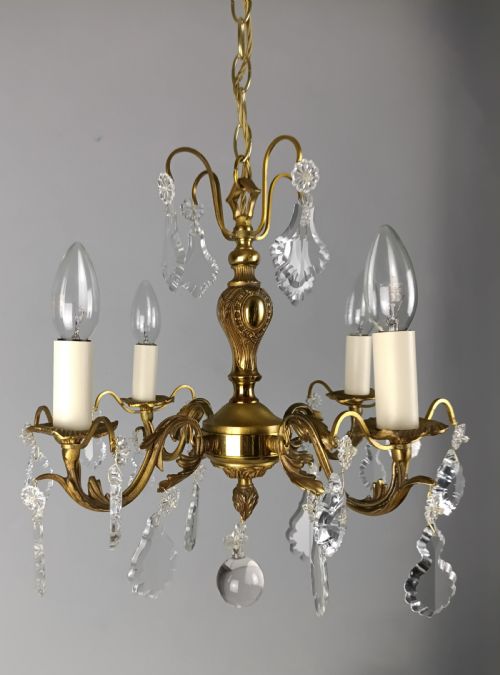
The selections available date across the nineteenth and early twentieth centuries, including Edwardian pieces alongside creations from the 1900s, 1910s, 1920s, and 1930s. French and Italian provenances dominate the aesthetic, frequently displaying ornate gilt bronze, brass, or carved giltwood frameworks. Many incorporate suspended crystal or cut glass drops that catch and refract the light.
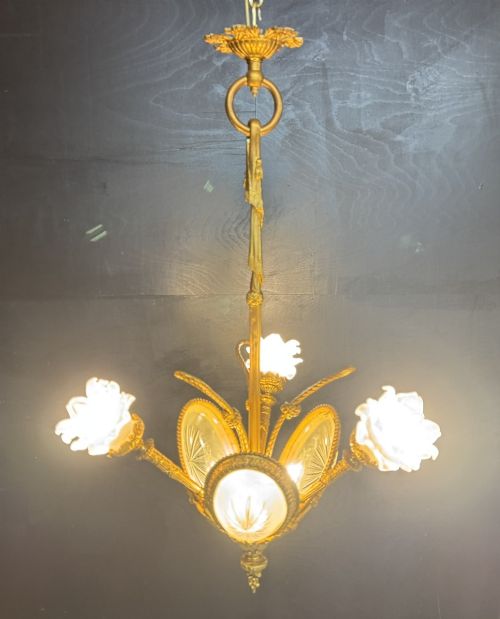
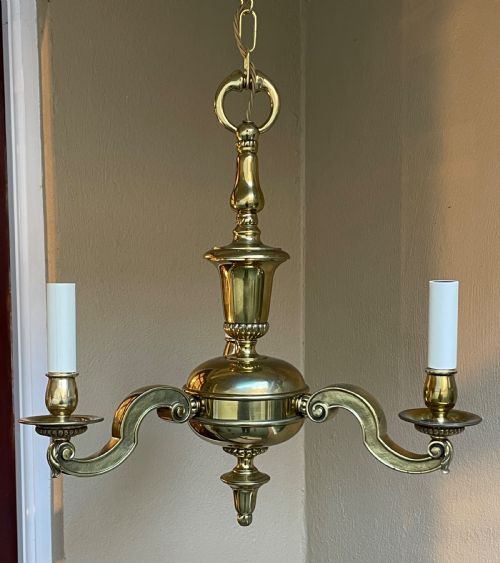
Within this category, buyers frequently encounter pieces featuring specific botanical flourishes, such as gilt toleware with floral ceramics or cast acanthus leaf mounts. Others lean towards Dutch Baroque Revival or Neoclassical interpretations with solid brass arms and classical proportions. Each variant offers a distinct interpretation of branch-like metalwork finished in gold tones.
Materials and construction methods
The primary structural framework of these chandeliers relies upon cast or forged metal, predominantly brass, gilt bronze, and ormolu. Artisans also utilised carved giltwood in certain Florentine and nineteenth-century pieces, creating organic branch formations through skilled carving. Gilt metal, gilded brass, and gilt brass finishes were then applied to achieve a unified golden surface.
Decoration often includes hand-cut glass and crystal pendants suspended from the metal branches to enhance light dispersion. Additionally, some workshops integrated floral ceramic elements and painted toleware alongside metal arms. These varied components were assembled using threaded rods, pins, and cast mounts such as acanthus leaves.
Gold Branch Ceiling Light Retail Price Guide 2026
Typical asking prices for gold branch ceiling light among the pieces listed under this phrase on Sellingantiques today, from the lower quarter to the upper quarter. They describe what is for sale here now, not the wider market.
Some branch chandeliers incorporate floral ceramics alongside metal foliage to bring an eternal garden indoors.
Distinctions in quality and execution
The standard of a gold branch ceiling light is evident in the crispness of the metal casting and the depth of the gilding. Finer pieces display sharply defined botanical details like acanthus leaves and hand-chased surface work rather than soft, mass-produced contours. The weight and solidity of the brass or bronze arms also indicate superior craftsmanship.
Another differentiator lies in the quality of the glass and crystal components, where hand-cut pendeloques provide superior optical clarity and brilliance compared to moulded glass. The integration of structural elements, such as securely pinned branches and substantial proportions, marks out the more ambitious examples from this period.
The Gold Branch Ceiling Light Glossary
- Ormolu
- Gilded bronze, where a finely ground high-carat gold-mercury amalgam is applied to a bronze base and heated. This technique produces a durable, rich golden finish characteristic of fine French pieces.
- Toleware
- Painted and lacquered sheet metal used to create decorative elements such as floral motifs or foliage. It adds colourful, organic accents to the metal armature.
- Acanthus
- A classic sculptural ornament modelled on the leaves of the Mediterranean acanthus plant. It frequently appears cast onto the arms and mounts of period chandeliers.
- Giltwood
- Timber, often gessoed and carved, that has been coated with gold leaf or metallic paint. It provides a lighter alternative to solid cast bronze in specific Florentine and French designs.
- Pendeloque
- A hanging glass or crystal drop cut with multiple facets. These are suspended from the arms to catch and multiply the illumination.
Gold Branch Ceiling Light: Frequently Asked Questions
What periods do these chandeliers come from?
The available lighting spans the nineteenth century through the Edwardian era and into the 1920s and 1930s. Styles range from classical French designs to Florentine and Dutch Baroque revivals.
Most pieces reflect early twentieth-century or nineteenth-century manufacturing techniques using brass, gilt bronze, and crystal.
How do I identify French versus Florentine pieces?
French examples typically showcase ormolu, gilt bronze, or crystal-heavy neoclassical and rococo forms. Florentine chandeliers often employ carved giltwood and polychrome gilded finishes with distinctive Italian floral motifs.
Examining the metal casting and decorative flourishes helps clarify the regional origin of each chandelier.
Are these lights suitable for standard ceiling heights?
Many of these chandeliers come in varying arm counts, from compact three-branch versions to large twelve-arm fixtures. The physical dimensions and drop lengths vary significantly between pieces.
Buyers should check specific measurements to ensure proper clearance for their intended rooms.
What maintenance do crystal and gilt arms require?
Crystal drops benefit from gentle cleaning with a mild solution to maintain their refractive clarity. Gilt metal surfaces require dusting with a soft cloth to preserve the finish.
Avoiding harsh chemical cleaners protects the historic gilding and patination on both brass and bronze.