





Gold Botanical Jewellery
Gold botanical jewellery comprises wearable flora and foliage rendered in yellow gold, rose gold, silver, and precious stones.
Gold Botanical Jewellery
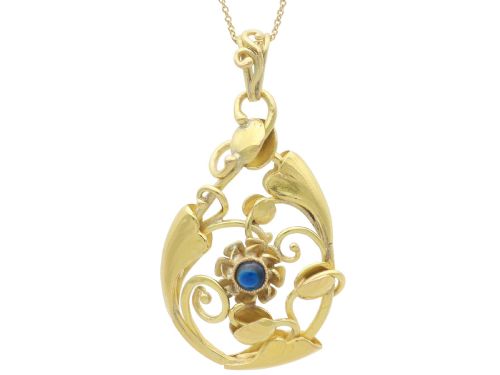
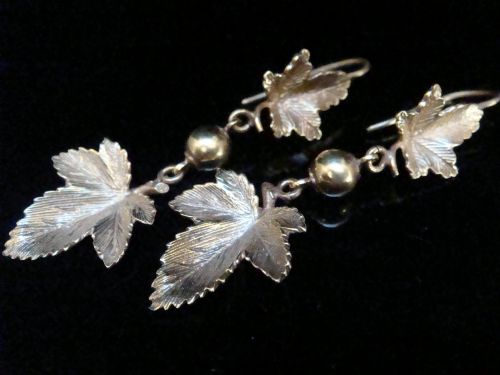
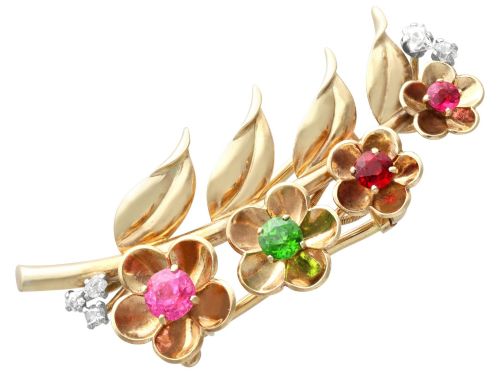
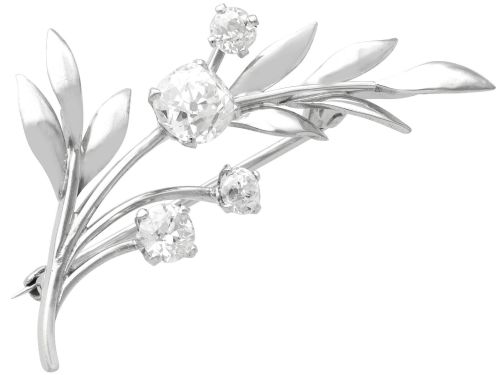
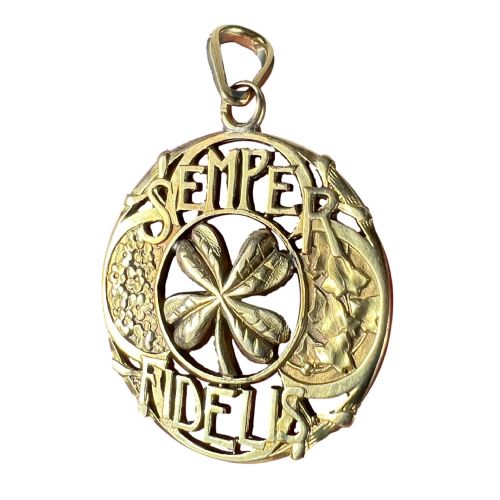
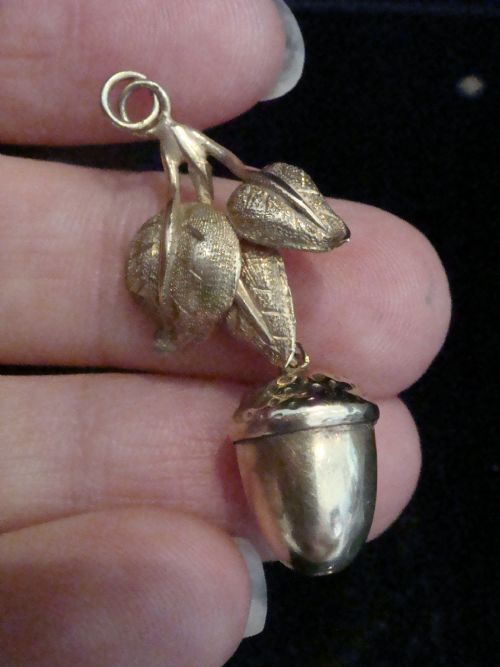
Gold botanical jewellery encompasses brooches, rings, pendants, earrings, and cufflinks shaped as leaves, flowers, clovers, acorns, and thistles. These pieces draw on Victorian, Edwardian, Art Nouveau, Art Deco, and Mid-Century styles to capture natural motifs in precious metals.
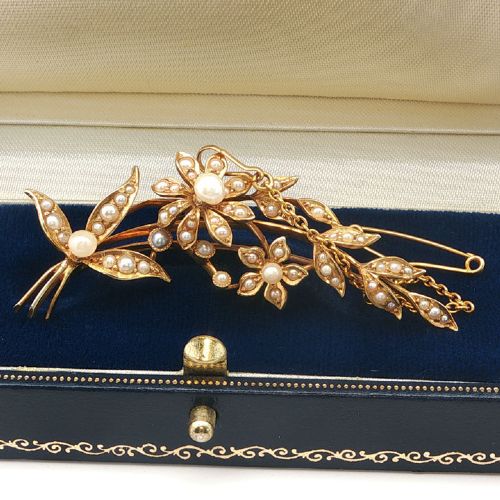
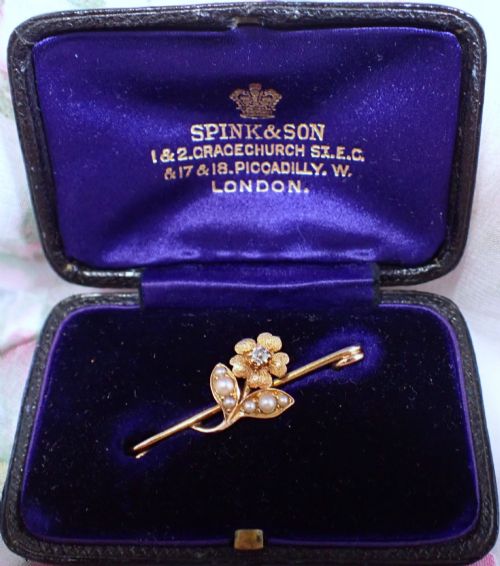
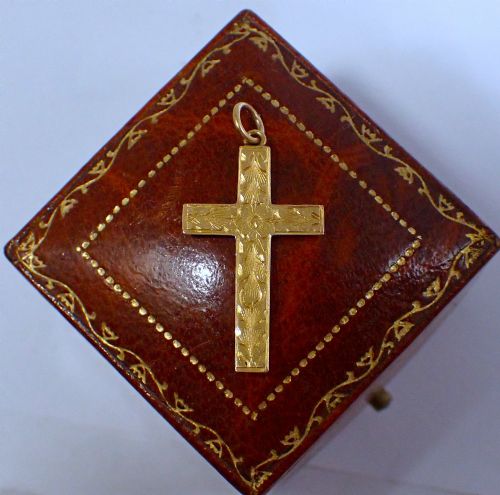
The selections on this page are most frequently represented by Victorian and Edwardian brooches and rings fashioned from yellow gold. Creators through these periods utilised naturalistic forms, rendering oak leaves, ivy, vine leaves, and floral sprays with engraved detail.
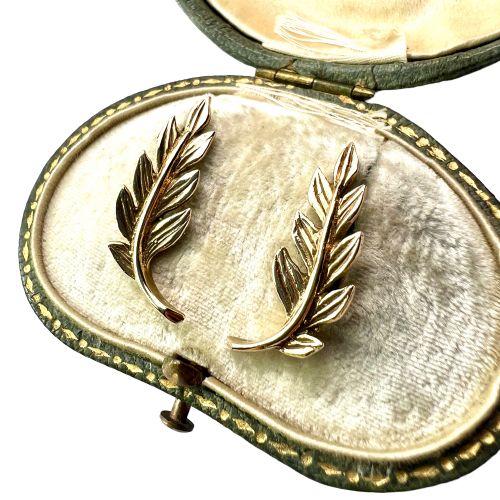
Later mid-century iterations also appear, spanning 1950s and 1960s laurel leaf earrings, heavy signet rings, and cocktail rings. Each era adapts the botanical theme, shifting from sinuous Art Nouveau mistletoe and plique-à-jour enamel hearts to structured geometric leaf clusters.
Materials and construction
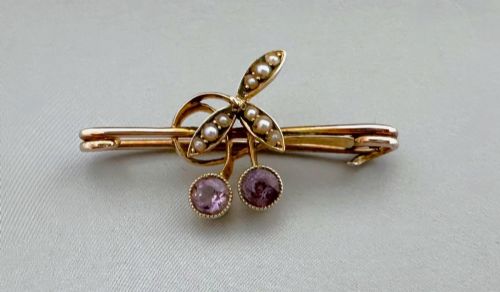
Items are constructed from various grades of gold, including 9ct, 14ct, 15ct, and 18ct yellow gold, alongside silver gilt and rolled gold. Artisans frequently paired these gold settings with diamonds, pearls, opals, rubies, turquoise, aquamarines, and carved coral.
Techniques range from intricate hand engraving and repoussé to delicate plique-à-jour enamel and openwork casting. Stones are set using claw settings, star settings, or flush mounts to highlight the natural contours of petals, acorns, and foliage.
Gold Botanical Jewellery Retail Price Guide 2026
Typical asking prices for gold botanical jewellery among the pieces listed under this phrase on Sellingantiques today, from the lower quarter to the upper quarter. They describe what is for sale here now, not the wider market.
Mistletoe leaves made ardent Victorians reconsider the rules of the parlour, frozen forever in 18K gold.
Evaluating the standard
Quality rests upon the crispness of the botanical carving, the weight and purity of the gold, and the integration of any gemstones. Superior examples display fine hand-engraved veining on leaves and secure, precise stone settings that enhance the natural subject.
Execution of period styles also marks the distinction, such as the fluid enamel work found in Art Nouveau pieces or the balanced symmetry of Edwardian diamond leaf clusters. Lower tiers rely on mass production with minimal hand finishing and lighter gauge metals.
Aksel Holmsen
The Gold Botanical Jewellery Glossary
- Plique-à-jour
- An enamelling technique where enamel is applied in cells without a backing, allowing light to shine through transparent colours like stained glass. This method appears on intricate Art Nouveau botanical brooches.
- Dormeuse
- A type of antique earring designed with secure fastenings intended originally to be worn overnight. These often feature botanical drops or clusters.
- Repoussé
- A metalworking technique where a design is hammered into relief from the reverse side. It creates the rounded, three-dimensional forms seen on gold leaves and acorns.
- Essex crystal
- A technique involving a convex rock crystal cabochon reverse-carved and painted with a miniature subject. Botanical examples display small flora beneath the crystal lens.
Gold Botanical Jewellery: Frequently Asked Questions
What periods do these pieces span?
The inventory spans the Victorian, Edwardian, Art Nouveau, Art Deco, and Mid-Century eras, alongside pieces from the 1930s, 1950s, and 1960s.
Designs shift from ornate 19th-century floral sprays and ivy to sinuous Art Nouveau mistletoe and later geometric laurel motifs.
How do I care for antique gold botanical jewellery?
Handle pieces with care, particularly those set with pearls, opals, or delicate enamel work which can be sensitive to moisture and harsh chemicals. Store items individually in soft pouches to protect the raised leaf and petal details from scratching.
Clean gently with a soft, dry cloth rather than soaking, especially for items containing organic gems or foiled stones.
What gemstones are commonly found in these designs?
Diamonds, pearls, and opals frequently accent floral and leaf motifs, often representing dew drops or flower centres. Rubies, aquamarines, moonstones, and carved jadeite also appear.
Coloured stones are chosen to complement the naturalistic theme, such as red rubies paired with vine leaves.
How can I distinguish Victorian botanical pieces from Edwardian ones?
Victorian items often employ heavier 15ct or 9ct yellow gold with deeper hand engraving and warmer stone pairings like garnet or coral. They tend to feature robust, tactile representations of oak, ivy, and vine foliage.
Edwardian pieces generally favour lighter yellow gold or platinum combinations with diamonds and pearls, producing an airier, garland-style aesthetic.