






Gold and Silver Setting
When you search for gold and silver setting, you find antique jewellery and tablewares where metals combine to frame diamonds, gemstones and enamel.
Gold and Silver Setting
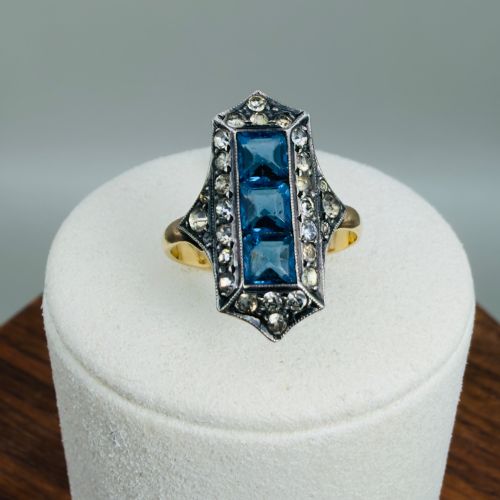
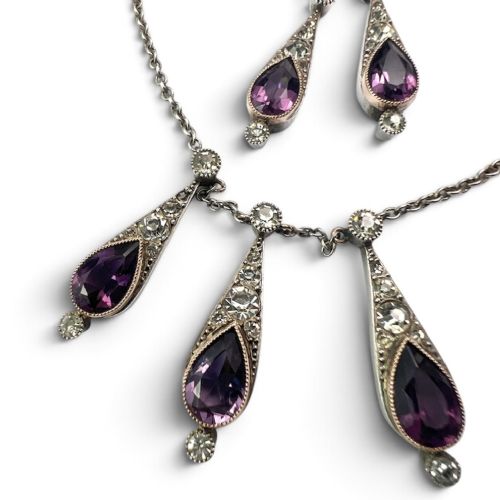
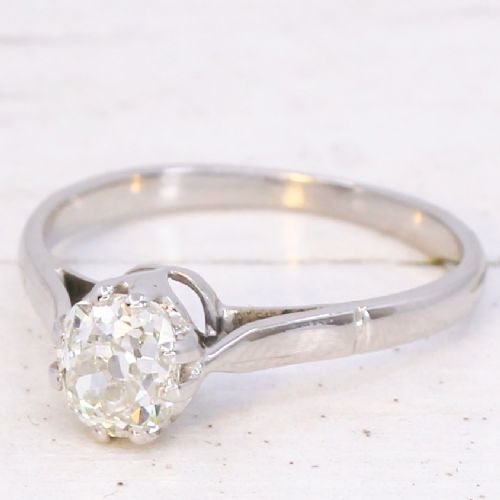
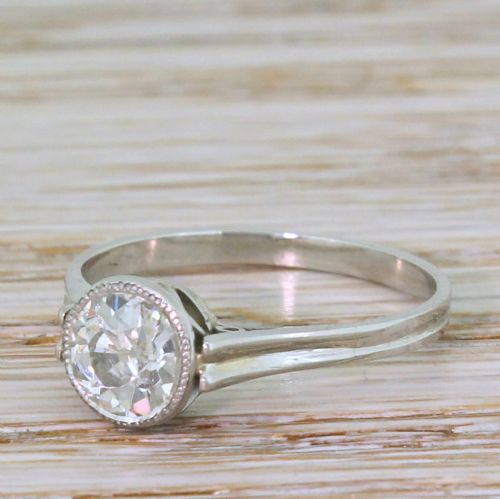
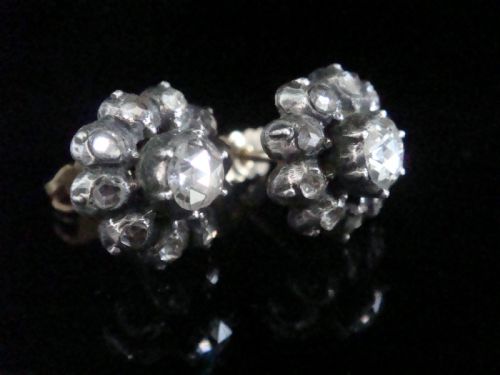
When you examine pieces featuring a gold and silver setting, you look at items spanning the Victorian era through the mid-twentieth century. The selection on this page consists chiefly of diamond rings, gem-set brooches, pendants, earrings and fitted silver-gilt tableware sets.
Victorian examples lean toward naturalistic motifs such as stars, butterflies, doves and monkeys, often pairing yellow gold with silver to keep diamond settings bright. Art Deco and later twentieth-century pieces shift toward geometric clusters, engagement rings and matching sets.
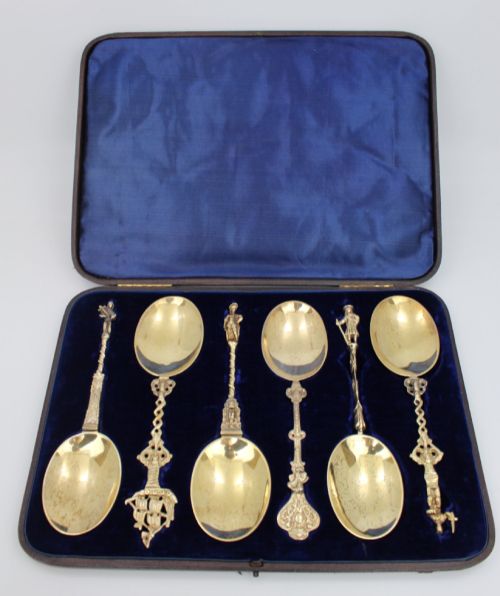
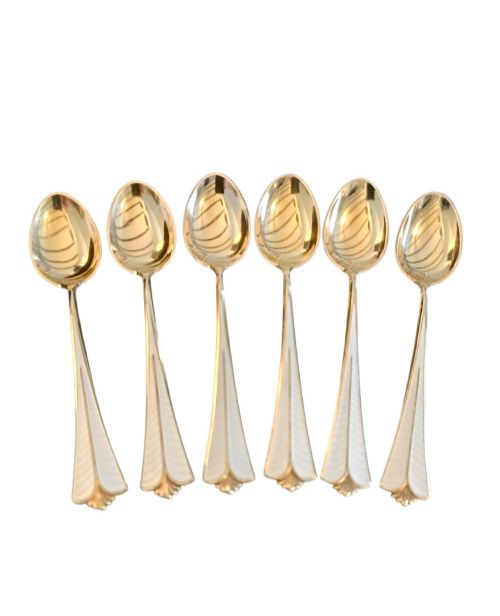
Functional items also appear in the form of silver-gilt cutlery, desk sets and coffee spoon collections. These utilise precious metal over silver bases to create a rich, uniform appearance across entire dining and writing services.
Materials and construction
Makers combine yellow gold, white gold or platinum with sterling silver, often layering gold bands with silver tops to securely hold old-cut diamonds and coloured gemstones. This traditional technique places silver at the front for its bright reflection against stones while using gold for structural strength.
Silver gilt involves applying a fine layer of gold over solid silver objects, such as Apostle spoons, fruit knives and inkstands. Artisans also incorporate enamel, paste stones, pearls, turquoise, amethyst and sapphire alongside precious gems.
Gold and Silver Setting Retail Price Guide 2026
Typical asking prices for gold and silver setting among the pieces listed under this phrase on Sellingantiques today, from the lower quarter to the upper quarter. They describe what is for sale here now, not the wider market.
Among the cutlery and jewels sits a silver-gilt inkstand shaped as an apple, pear, and pomegranate.
Distinguishing quality
Quality rests in the precision of the metalwork and the integration of the dual-metal structure. Superior pieces display seamless joining between the silver bezel or collet and the gold shank or backing, ensuring durability without obscuring the stones.
The choice and cut of the gemstones define the upper tiers of the range, from matched old-cut diamonds in engagement rings to hand-carved mother-of-pearl or hand-painted enamel on tableware. Original gilding depth and crisp hallmark stamps on silver components further separate fine examples from standard production.
David Andersen·Deakin & Francis·Dorrie Nossiter·Marson & Jones·Robert Hennell
The Gold and Silver Setting Glossary
- Silver gilt
- Sterling silver coated with a thin layer of gold. This finish provides the visual warmth of gold combined with the durability of silver.
- Collet setting
- A metal collar that wraps around the girdle of a gemstone to hold it in place. It represents an older form of stone setting seen frequently in antique rings.
- Old cut diamond
- A diamond cut by hand before modern machinery standardised proportions. These stones feature smaller tables and larger facets that catch candlelight effectively.
- Paste
- Hand-cut glass used as an affordable substitute for gemstones in historic jewellery. Quality paste stones are foiled at the back to enhance their brilliance.
- Vesta
- A small pocket case designed to hold matches safely. Victorian examples in silver and gold often feature engraved decoration and jewel accents.
Gold and Silver Setting: Frequently Asked Questions
Why use both gold and silver together?
Makers combined metals to gain the best properties of each. Silver provided a bright, white surface that enhanced the sparkle of diamonds, while gold offered the structural strength needed for bands and pins.
This method persisted through the Victorian and Edwardian periods before platinum largely replaced silver-topped gold in fine jewellery manufacture.
How do I care for silver gilt items?
Silver gilt requires gentle handling because aggressive polishing wears away the thin gold layer over time. Clean pieces using a soft, dry cloth rather than chemical dips.
Store items away from direct sunlight and moisture to protect vulnerable materials like enamel, pearls and paste stones.
What is the difference between silver gilt and solid gold?
Silver gilt consists of a sterling silver core covered with a microscopic layer of gold. Solid gold items are made from gold alloy throughout their entire structure.
Items like spoons and desk accessories utilised gilding to achieve a luxurious golden appearance without the immense cost of solid gold.
How can I tell a Victorian piece from an Art Deco one?
Victorian items often display organic motifs such as stars, flowers, and animals, paired with yellow gold and heavy engraving. Art Deco design favours geometric symmetry, clean lines, and white metals.
The setting styles and gemstone cuts also shift, moving from old rose cuts to precise old European and early brilliant cuts.