




Glazed Wall Unit
A glazed wall unit provides practical display space for treasured objects, bringing period craftsmanship directly into your home.
Glazed Wall Unit
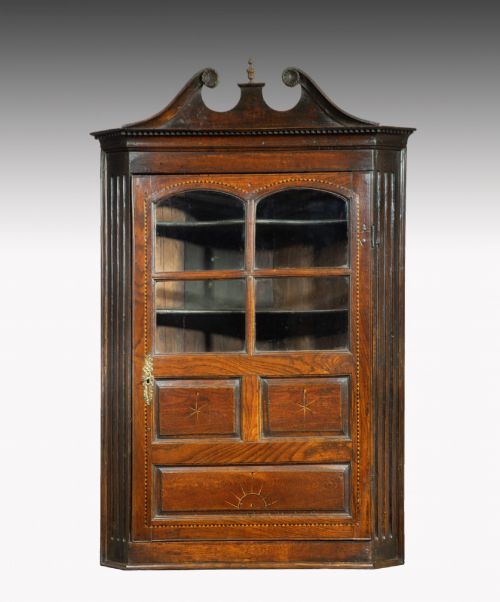
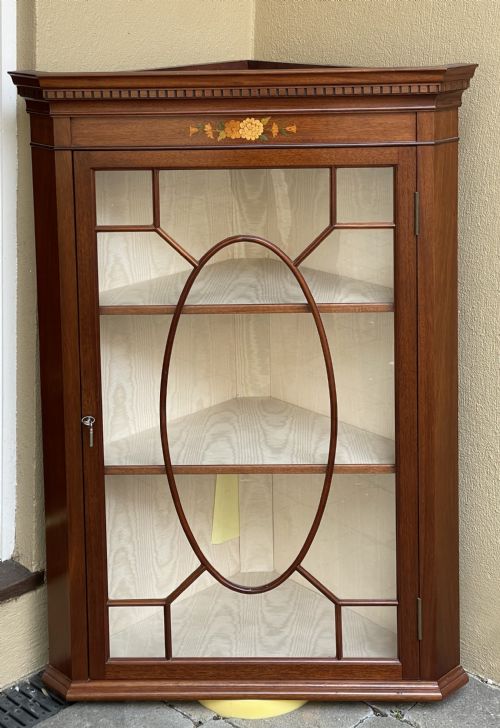
A glazed wall unit encompasses hanging cabinets and corner cupboards designed to display items while protecting them behind glass doors. These architectural pieces utilise vertical wall space effectively in rooms of varying proportions.
The versions most commonly met on this page are corner cupboards and wall cabinets spanning from the eighteenth century to the mid-twentieth century. Oak and mahogany dominate the timber choices, reflecting centuries of domestic cabinet making.
Makers historically shaped these glazed wall unit designs to fit domestic interiors, producing bow-fronted, serpentine and straight-fronted variants. Georgian and Edwardian iterations sit alongside later mid-century examples.
How they were made
Cabinet makers constructed these pieces using solid timbers such as oak and mahogany, frequently incorporating satinwood inlay for decorative contrast. Panels of glass were fitted into timber frames to create the viewing panels for display.
Brass hardware including hinges and escutcheons secured doors and added functional detail to the timber structures. Joinery techniques varied from early eighteenth-century methods to later twentieth-century production.
Glazed Wall Unit Retail Price Guide 2026
Typical asking prices for glazed wall unit among the pieces listed under this phrase on Sellingantiques today, from the lower quarter to the upper quarter. They describe what is for sale here now, not the wider market.
The selection includes corner cabinets and wall-hanging display units spanning the eighteenth to the twentieth centuries.
What varies in quality
The refinement of the timber and the crispness of any inlay or mouldings distinguish finer examples from standard workshop production. Selection of figured mahogany or well-grained oak demonstrates the cabinet maker's intent.
Originality of the glass panels and brass fittings influences the integrity of the piece. The proportion of the cornices and the accuracy of the door mitres show the level of skill involved in construction.
The Glazed Wall Unit Glossary
- Bow front
- A convex curved front facade found on certain corner cupboards and cabinets. This styling softens room angles and demands precise timber bending.
- Serpentine front
- A facade shaped with a central convex curve flanked by concave sweeps. It represents a more complex form of cabinet construction.
- Corner cupboard
- A triangular or wedge-shaped cabinet designed specifically to fit into the intersection of two walls. These pieces make efficient use of otherwise neglected room space.
- Satinwood inlay
- Decorative contrasting wood veneer inserted into the primary timber surface. It creates delicate geometric or botanical patterns.
- Cornice
- The decorative moulding crowning the top of a cabinet. It provides a finished architectural transition to the ceiling.
Glazed Wall Unit: Frequently Asked Questions
How do I hang a heavy wall cabinet?
These timber cabinets require secure fixing directly into wall studs or masonry using appropriate brackets. Professional installation ensures the weight of the structure and its contents is safely supported.
Older pieces often feature original hanging loops that must be assessed for strength before mounting. Modern reinforcement may be necessary to protect the antique wood.
What is the difference between oak and mahogany cabinets?
Oak cabinets typically date from earlier periods like the eighteenth century and display a prominent, open grain structure. They offer a robust and rustic aesthetic suited to traditional interiors.
Mahogany units often present a smoother, denser surface with rich reddish-brown tones. This timber became favoured for finer formal furniture from the Georgian era onwards.
Where should I place a corner cupboard?
A corner cupboard fits neatly into the junction of two walls, making it ideal for smaller rooms or empty corners. Positioning them away from direct sunlight protects the timber and internal contents.
These pieces draw the eye into room corners that might otherwise remain underutilised. They balance vertical space without protruding too far into living areas.
How do I date a glazed wall unit?
Dating relies on examining the timber species, construction methods, and hardware styles. Eighteenth-century pieces show hand-cut joinery and early glass manufacturing characteristics.
Later Edwardian and mid-century examples introduce different aesthetic signatures and machine-assisted construction techniques. Comparing the moulding profiles helps pinpoint the manufacturing era.