


Glazed Trophy Display Case
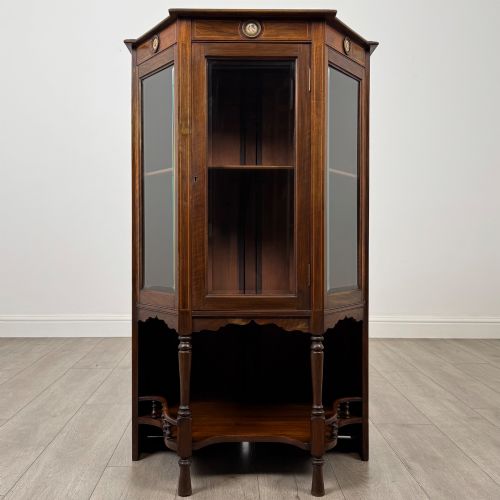
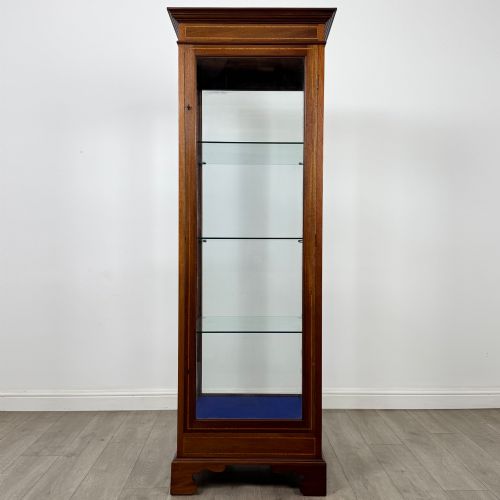
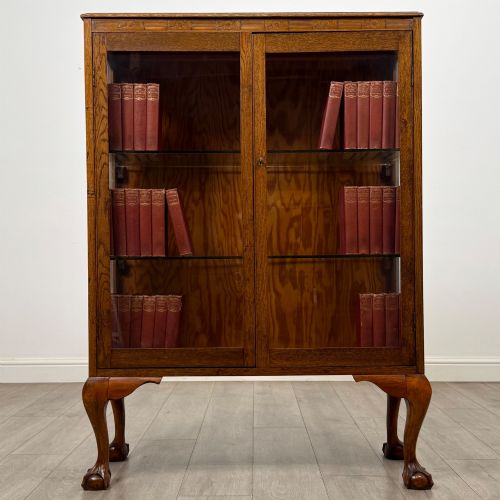
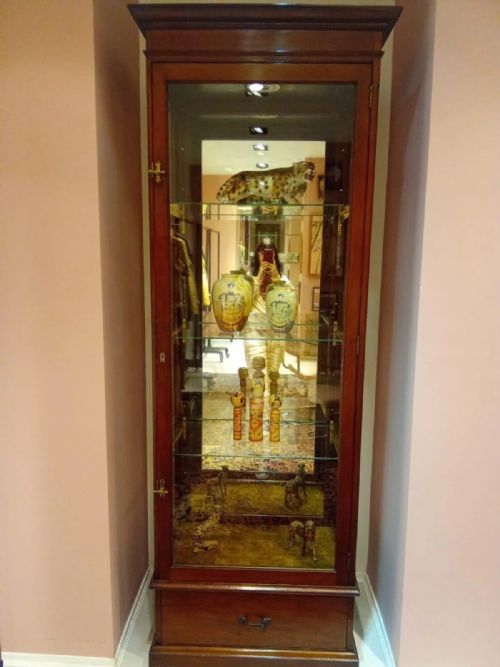
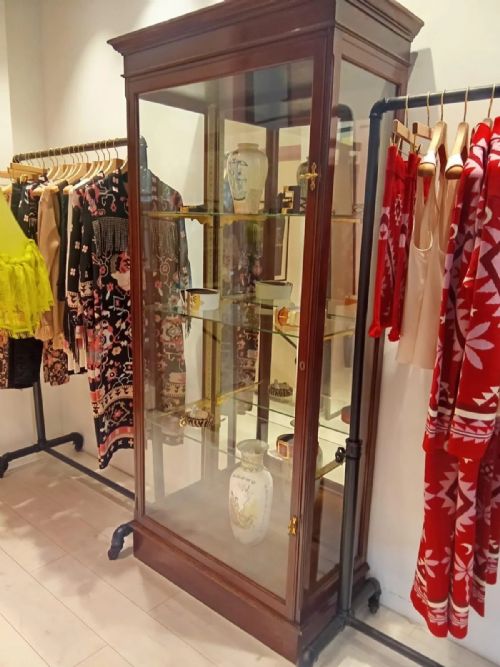
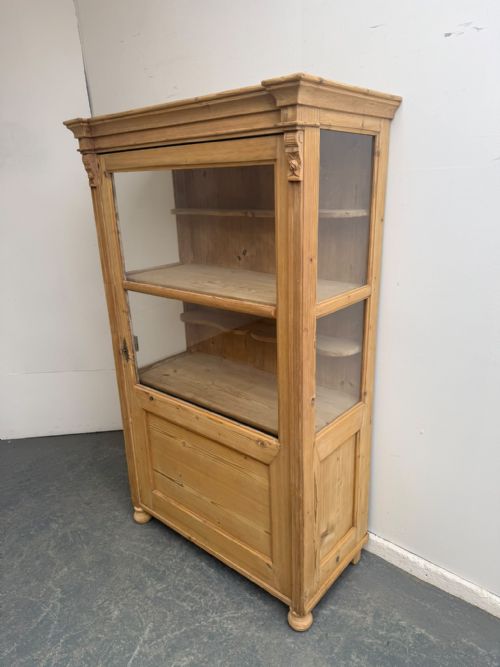
These glazed trophy display case pieces offer secure and clear presentation for collections, spanning Edwardian shop fittings and Victorian wall or freestanding cabinets.
Glazed Trophy Display Case
A glazed trophy display case brings together timber framing and extensive glass panels to protect prized items while keeping them fully visible from multiple angles. When searching for a glazed trophy display case, buyers encounter a range of forms, from tall freestanding shop display units to flat wall-hanging cabinets and specialised specimen cases.
The examples available on this page lean heavily towards the Edwardian period, though Victorian pieces also appear alongside variations in oak, walnut, and mahogany. These functional furnishings range from commercial shop fittings to domestic display furniture and taxidermy enclosures.
Cabinets from this selection often feature adjustable glass shelves and generous proportions suited to showcasing objects of significance. Shoppers will find both refined home display cabinets and robust mercantile show cases among the listed items.
Materials and construction methods
Makers relied on durable hardwoods such as mahogany, walnut, and oak to provide a sturdy structural skeleton capable of supporting heavy glass panes. Brass hardware frequently secures doors and internal fittings, adding a metallic contrast to the timber frames.
Large sheets of clear glass are fitted into the cabinet doors and sides to maximise light penetration, occasionally paired with mirrored backs to enhance visibility. Pine and satinwood also appear as secondary or primary timbers, depending on whether the piece served a commercial or domestic function.
Cooper and Sons ensured that even a humble Rudd fish could achieve immortality behind glass.
Assessing quality in construction and finish
Quality in these cabinets is largely determined by the refinement of the timber joinery and the clarity of the glass panels used. Superior examples display careful timber selection, such as figured mahogany or walnut, paired with robust and seamless framing.
The sophistication of internal detailing, including adjustable shelving mechanisms and fitted brass work, separates standard utility cabinets from finer show cases. Original surfaces and well-preserved glass integrity further elevate the standing of a piece.
The Glazed Trophy Display Case Glossary
- Freestanding
- Designed to stand independently on the floor rather than being mounted to a wall or fitted into a recess.
- Adjustable glass shelves
- Internal panes of glass resting on movable supports that allow the user to alter vertical spacing between tiers.
- Show case
- A glazed commercial enclosure historically utilised in retail environments to display merchandise to customers.
- Specimen taxidermy
- Preserved animal specimens mounted within a protective glass case, often historically linked to natural history collections.
- Satinwood
- A pale, hard timber with a natural sheen, frequently used for decorative banding or inlay on fine cabinet work.
Glazed Trophy Display Case: Frequently Asked Questions
What periods do these cases date from?
The available selection primarily encompasses pieces from the Victorian and Edwardian eras, with specific dates extending from the late nineteenth century into the early twentieth century. These eras represent a period of high craftsmanship in both domestic and commercial cabinetry.
Buyers will also find pieces reflecting the early Art Deco style alongside traditional Victorian country workshop production.
Are the shelves adjustable?
Many of the shop display cabinets and freestanding units incorporate adjustable glass shelves to accommodate objects of varying heights. This flexibility allows collectors to configure the interior layout to suit their specific display requirements.
Not every cabinet includes this feature, so checking the individual description for shelving details is recommended.
What timbers were used for the frames?
Mahogany is the most prevalent timber seen across these listings, valued for its strength and rich reddish-brown tone. Walnut and oak also feature prominently, offering alternative grain patterns and darker or golden hues.
Other materials such as pine and satinwood appear in specific pieces, while brass and mirror glass complete the construction.
How were shop display cabinets used?
Merchants utilised these tall glazed units to showcase high-value goods, artefacts, or trophies securely while maintaining unobstructed customer visibility. The extensive glass panels allowed natural light to flood the interior.
Today, collectors repurpose these commercial fittings in residential settings to exhibit similar items safely.