
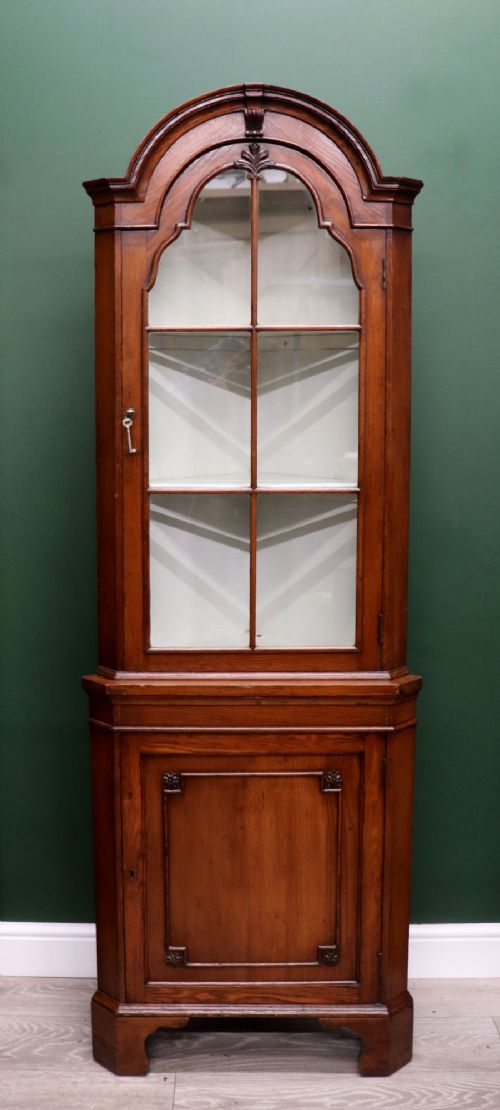


Glazed Oak Standing Cupboard
A glazed oak standing cupboard brings architectural timber and fitted glass into a room, offering upright storage that displays books and ceramics while keeping dust at bay.
Glazed Oak Standing Cupboard
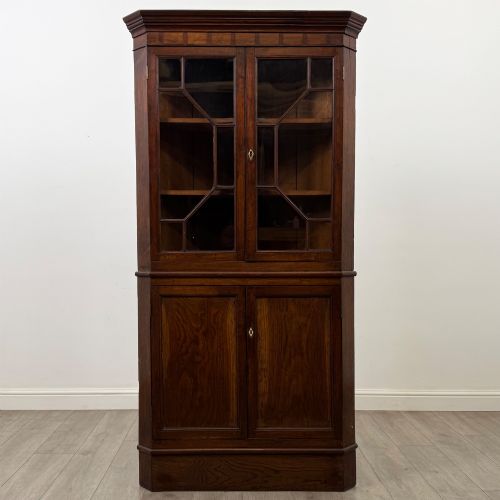
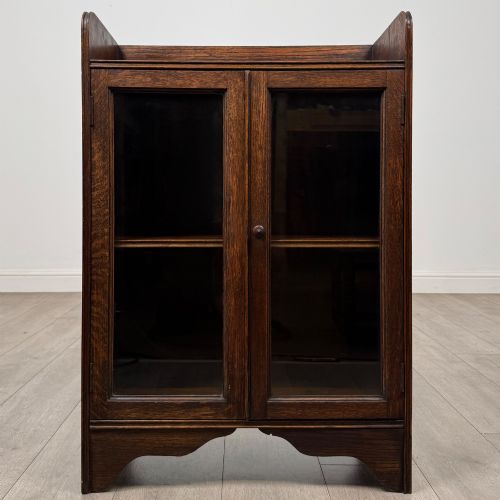
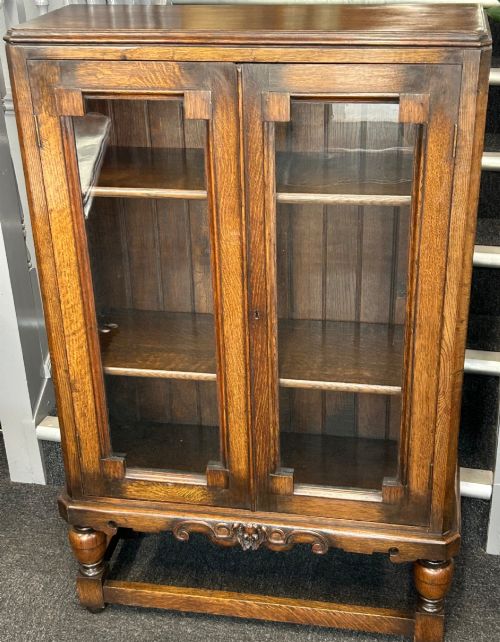
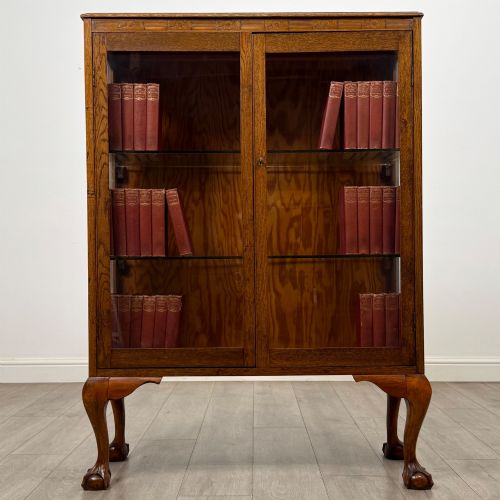
A glazed oak standing cupboard stands directly on the floor, combining solid timber panels with glazed upper sections designed to showcase contents. These upright storage pieces serve various rooms, appearing frequently as corner cabinets, tall bookcases, and two-part display units.
The pieces on this page span several centuries and movements, ranging from Georgian and Victorian eras to the Arts and Crafts period, Art Deco, and early twentieth-century revivals. Buyers encounter everything from tall Welsh country cupboards to compact Edwardian bookcases with glazed doors.
Form follows utility across the selection, with corner cabinets utilising awkward angles, and freestanding cupboards providing substantial display capacity. Many examples incorporate lower wooden doors, drawers, or galleries alongside their primary glazed compartments.
Assessing quality and proportion
Quality rests in the balance of timber selection, joinery execution, and the preservation of original surfaces. Better examples display harmonious grain patterns in the oak and well-fitted doors that maintain proper alignment within their frames.
The integration of secondary materials, such as brass fittings or glazed panels, distinguishes standard utility work from finer artistic production. Pieces retaining original hardware and unblemished glass hold greater integrity than those with extensive later alterations.
One nineteenth-century bookcase cabinet carries later sign-written German beer emblems, turning utility storage into an unexpected tavern souvenir.
The Glazed Oak Standing Cupboard Glossary
- Astragal
- Moulding strips that divide panes of glass within a door or window frame. These narrow wooden bars create geometric patterns across the glazed front.
- Corner cabinet
- A storage unit built with a triangular footprint to fit directly into the corner of a room. This form maximises floor space in smaller domestic interiors.
- Gallery
- A raised protective border or railing along the top surface of a piece of furniture. It often consists of open spindle work or pierced woodwork.
- Two-part cabinet
- A tall piece constructed in separate upper and lower sections that stack together. This modular approach aided transport and placement in domestic settings.
Glazed Oak Standing Cupboard: Frequently Asked Questions
Where should I place a standing cupboard?
These upright cabinets suit living rooms, dining spaces, or hallways where they provide vertical storage without dominating the floor plan. Corner units make effective use of neglected angles in smaller rooms.
Freestanding models with glazed doors allow you to display ceramics and books while protecting them from dust. Ensure you measure the ceiling height and clearance for door swings before positioning them.
How do I care for oak furniture?
Keep oak furniture away from direct heat sources and strong sunlight to prevent the timber from drying out or splitting. Dust the surfaces regularly with a soft, dry cloth.
Occasional application of appropriate wax polish helps maintain the lustre of the wood without building up heavy residues. Avoid using silicone-based sprays that can penetrate the grain.
How do I distinguish Georgian from Edwardian pieces?
Georgian pieces, dating from the eighteenth and early nineteenth centuries, typically feature hand-cut joinery, pegged framing, and timber chosen for its specific grain character. They often employ classical proportions and understated mouldings. C abinets from the Edwardian era frequently incorporate revival styles, lighter construction techniques, and factory-made hardware. They reflect shifts toward domestic display and lighter interior aesthetics.