




Glass Front Stacking Bookcase
A glass front stacking bookcase combines modular utility with period charm, giving collectors a practical way to display and protect volumes.
Glass Front Stacking Bookcase
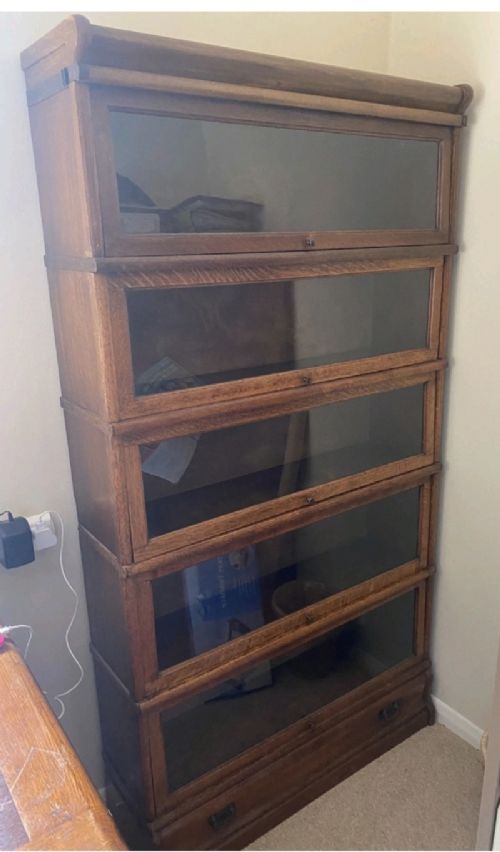
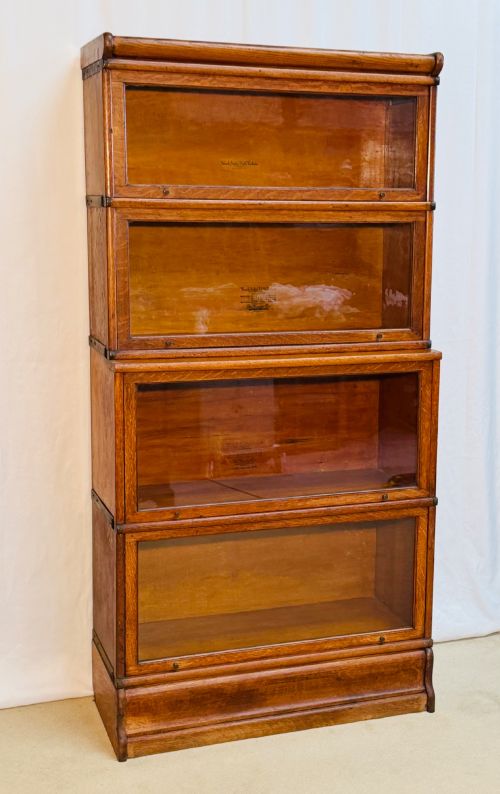
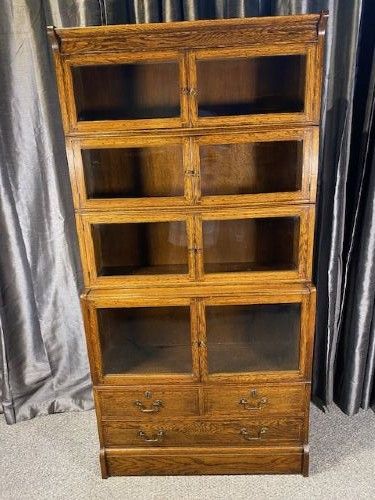
A glass front stacking bookcase consists of individual modular sections that sit one atop another, forming a tall shelving unit for libraries and studies. The form originates primarily in the Edwardian era and spans the early decades of the twentieth century, with examples dating from nineteen hundred up to nineteen twenty.
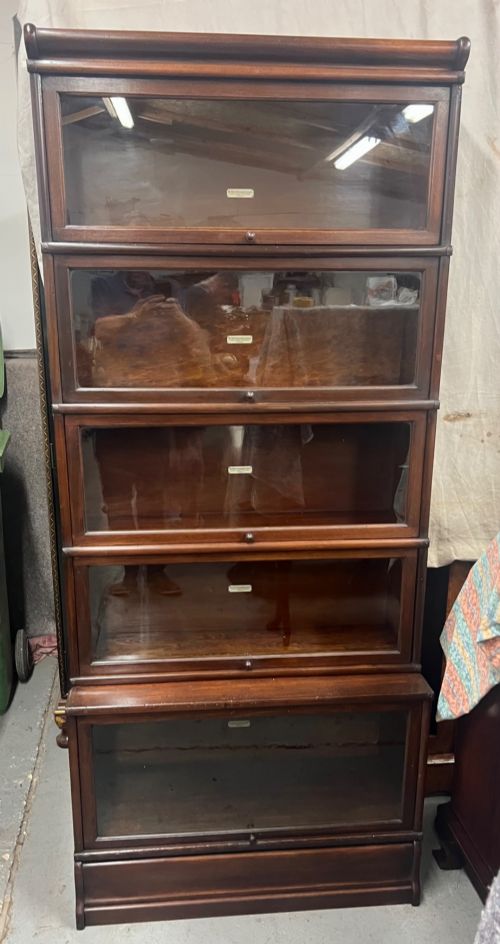
Most pieces encountered on this page are constructed from oak or mahogany, often featuring glazed lifting doors that shield books from dust. Makers arranged these elastic systems in varying heights, sometimes incorporating a drawer at the base for additional storage.
How they were made
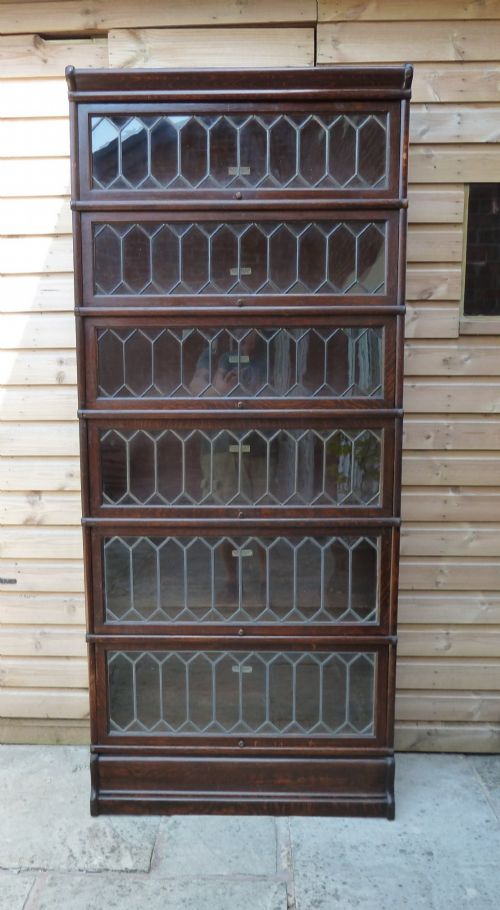
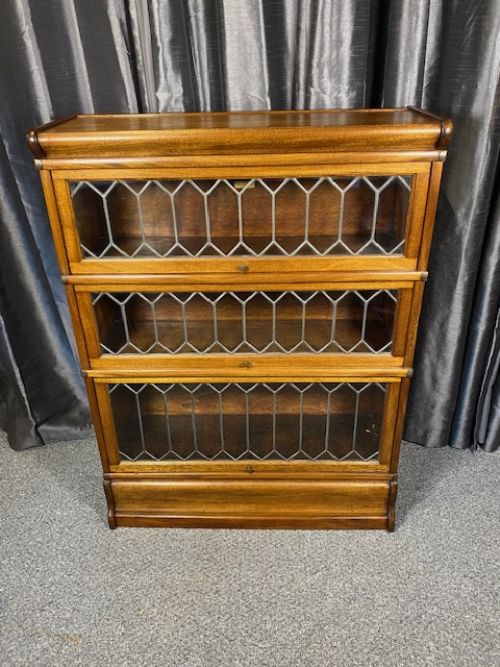
Carpenters built these modular units using solid timber frames of oak and mahogany, fitted with brass or metal hardware to connect and secure the separate tiers. The glazed doors utilise glass held within wooden frames, occasionally incorporating lead came to divide the panes into smaller segments.
The elastic stacking mechanism relies on specialised internal metal or brass guide arms that allow each glazed shelf to lift and slide smoothly back into the recess above the books.
Glass Front Stacking Bookcase Retail Price Guide 2026
Typical asking prices for glass front stacking bookcase among the pieces listed under this phrase on Sellingantiques today, from the lower quarter to the upper quarter. They describe what is for sale here now, not the wider market.
Current listings feature pieces spanning the Edwardian period through to nineteen twenty, constructed primarily in oak and mahogany with glass and brass elements.
What varies in quality
Quality rests in the fidelity of the timber selection and the complexity of the sectional configuration, such as whether a piece incorporates five or six tiers alongside a base drawer. Finer examples display precise joinery in the oak or mahogany carcases and retain their original brass or metal mechanism components.
The character of the glazing also dictates distinction, distinguishing plain glass front panels from taller leaded doors that require meticulous metalwork by the maker.
The Glass Front Stacking Bookcase Glossary
- Globe Wernicke
- A prominent proprietary system of elastic modular bookcases manufactured during the Edwardian period. These units gained popularity for their interchangeable stacking sections and upward-lifting glass doors.
- Barrister bookcase
- A portable stacking bookcase designed for legal professionals to transport volumes easily. The individual tiers separate for transit while keeping books enclosed behind glass.
- Leaded glass
- Glass panes assembled using lead strips known as cames. This technique creates decorative geometric patterns across the door front.
- Elastic bookcase
- A term used by makers for modular shelving that expands by adding tiers. The sections interlock to form a stable column.
Glass Front Stacking Bookcase: Frequently Asked Questions
How do stacking bookcases work?
Each tier operates as an independent wooden box with a glazed door that lifts on internal metal arms and slides into the recess above the shelf. The sections rest one on top of another without permanent fixings.
This modular design allows owners to separate the units for moving or to add extra sections as a library grows.
Were these used only by lawyers?
While often called barrister bookcases because legal professionals needed portable libraries for court circuits, doctors, scholars and homeowners utilised them widely. The glass protection kept valuable texts clean in busy Edwardian rooms.
Their adaptable size made them suitable for offices and domestic studies alike.
How do I date an oak stacking bookcase?
Dating relies on examining the timber, hardware materials, and construction marks typical of the nineteen hundreds to nineteen twenties. Edwardian versions often feature specific patent stamps or brass manufacturer badges on the interior walls.
The presence of leaded glass or specific base drawer configurations also points toward particular decades within this era.
Can I separate the stacking sections?
Yes, the individual tiers lift apart once the top cornice and any base plinth or drawer unit are uncoupled. The modular nature is intentional for transport and reassembly.
Care must be taken when lifting sections to avoid straining the glass doors or the connecting brass hardware.