




Glass Collector Case
These glass collector case examples span Victorian and Edwardian periods, offering glazed protection for specimens and precious objects.
Glass Collector Case
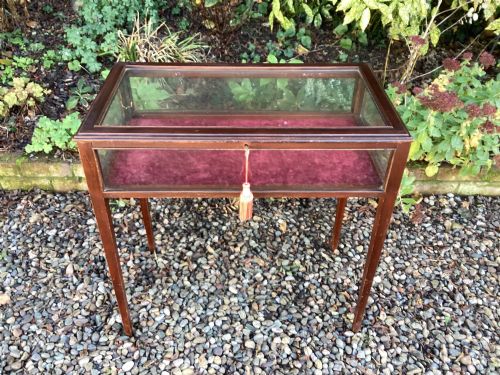
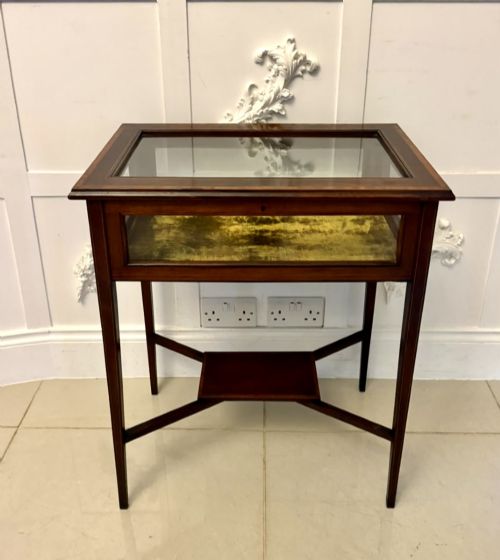
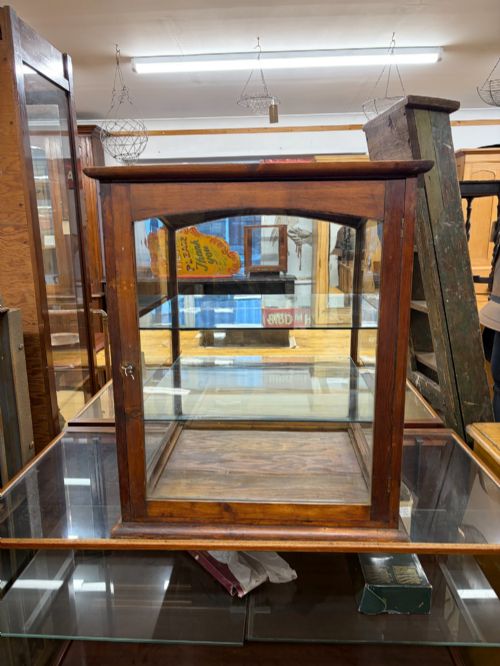
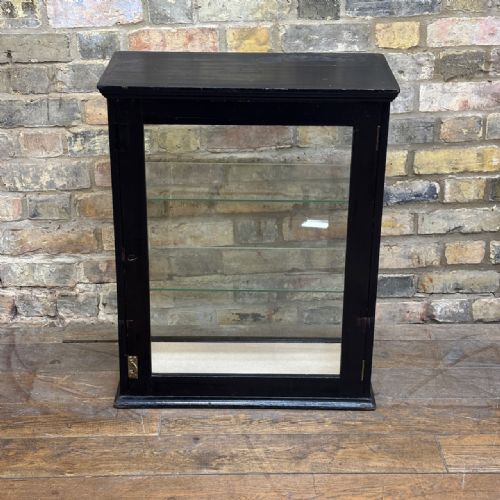
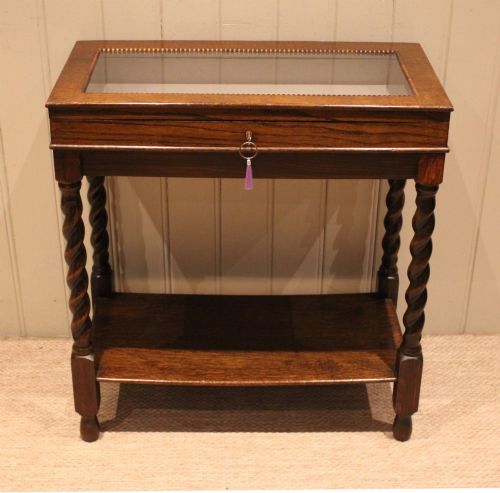
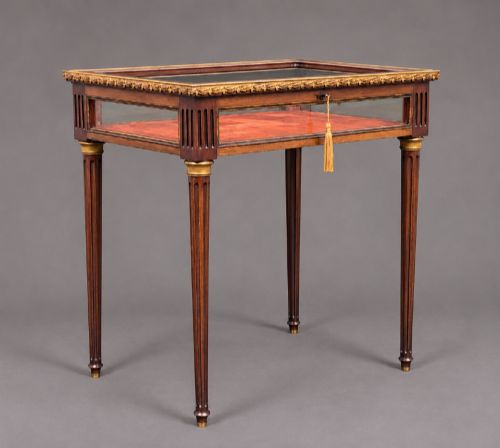
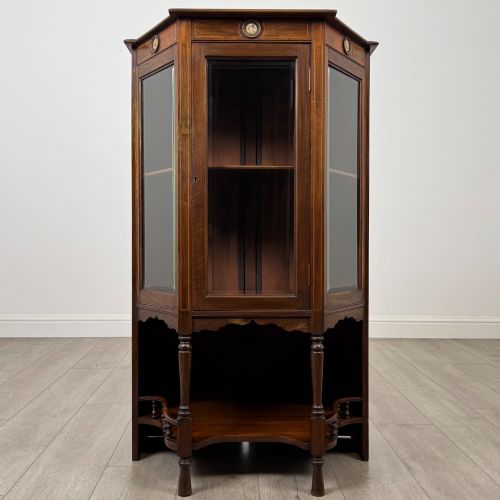
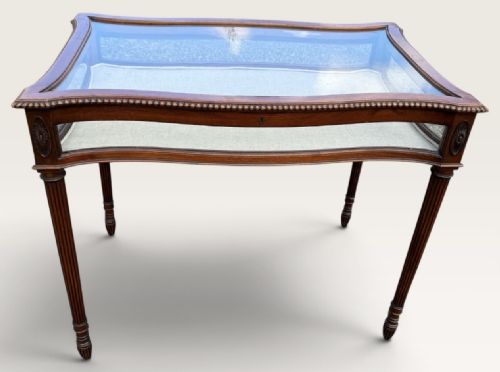
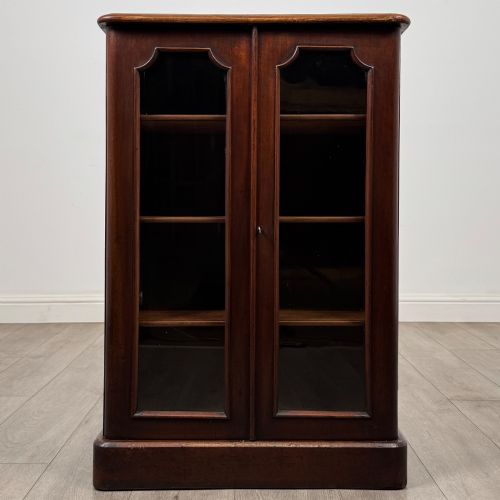
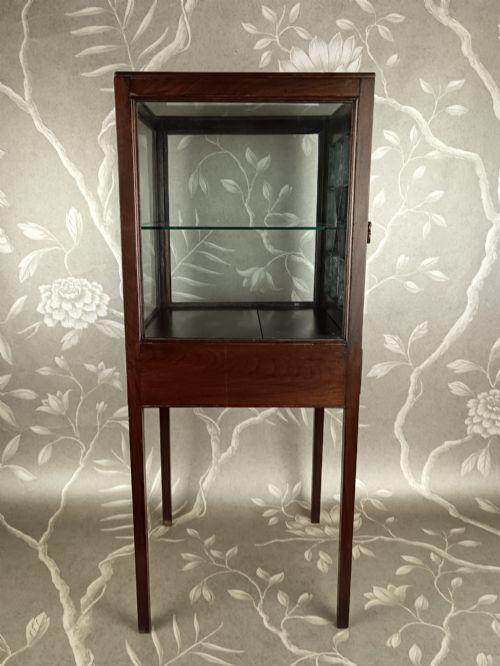
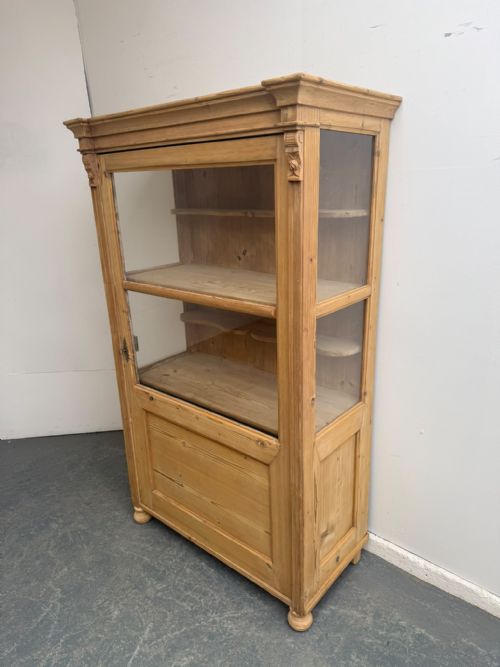
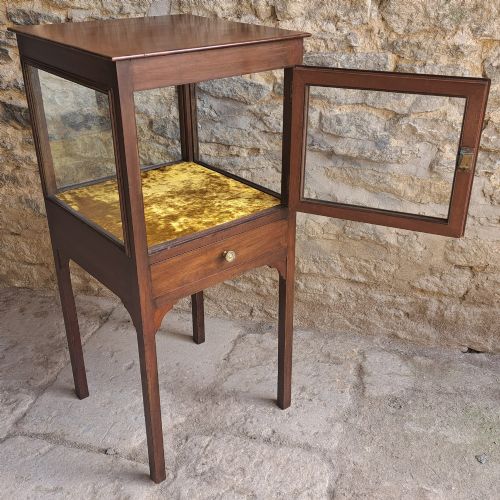
A glass collector case serves to protect and display items ranging from taxidermy to jewellery, using transparent panels to keep dust away while maintaining visibility. The pieces on this page include countertop cabinets, wall display cabinets, bijouterie tables, and tall collector domes spanning Victorian, Edwardian, and 1920s periods.
Countertop and shop display cabinets provide practical access for smaller objects in commercial or domestic settings, while tall display cabinets and vitrines accommodate larger collections. Tabletop display cases and glazed domes suit delicate specimens, botanical displays, and scale models requiring enclosed preservation.
Materials and construction methods
Frames rely on timbers such as mahogany, oak, walnut, and ebonised wood, often joined with precision to support heavy glass panels and mirrored interiors. Brass hardware, ormolu mounts, and fabric or velvet linings complete the interior presentation for stored collections.
Glazing technique involves securing clear glass panes within wooden rebates or metal channels to create dust-sealed enclosures. Countertop units and bijouterie tables incorporate hinged lids or sliding doors for frequent access to jewellery and small artefacts.
Glass Collector Case Retail Price Guide 2026
Typical asking prices for glass collector case among the pieces listed under this phrase on Sellingantiques today, from the lower quarter to the upper quarter. They describe what is for sale here now, not the wider market.
One exceptional vintage bijouterie table bears later sign-written detail for Breitling watches, tying precision timekeeping to display history.
Factors influencing quality
The choice of cabinet timbers and secondary woods dictates structural integrity, with dense hardwoods like mahogany and burr walnut holding finer mouldings than pine or basic oak. Timber selection often dictates whether a case served a grand drawing room or a busy shop interior.
Metalwork details and internal finishes reveal the original grade of the piece, from simple brass hinges to cast ormolu mounts and tailored velvet or fabric linings. The clarity of the glass and the precision of the mitred joints further distinguish workshop standards.
The Glass Collector Case Glossary
- Vitrine
- A glass display cabinet used primarily for ceramics, silver, and small curiosities. These freestanding or wall-mounted cases feature transparent sides for all-round visibility.
- Bijouterie table
- A glass-topped display table designed specifically for jewellery, medals, and small decorative items. The glazed compartment sits at waist height for close inspection.
- Collector's dome
- A blown glass bell jar mounted on a wooden base to protect delicate taxidermy, clocks, or botanical specimens. They provide an airtight environment for fragile displays.
- Ormolu
- Gilded bronze mounts applied to furniture and cabinet work for decorative enrichment. This technique creates metallic highlights against dark woods like rosewood and mahogany.
- Ebonised wood
- Timber treated to imitate the dark, dense appearance of ebony. This finish appears frequently on late Victorian and 1920s cabinet frames.
Glass Collector Case: Frequently Asked Questions
What fits inside a glass collector case?
These cases accommodate small valuables, jewellery, taxidermy, minerals, and scale models. Their enclosed shelving and tabletops keep delicate items free from dust.
Countertop models suit retail or study use, while table vitrines display flat items at a comfortable viewing height under glass.
How do I tell Victorian from Edwardian cases?
Victorian examples tend to use darker timbers like mahogany and rosewood with heavy mouldings, occasional ormolu mounts, and deep plinths. They reflect denser room styling.
Edwardian and 1920s pieces often feature lighter inlaid mahogany or oak construction with simpler framing, reflecting shifts towards brighter interior decoration.
Where should I place a table top display case?
Table top cases and countertop cabinets sit securely on desks, chests of drawers, or dedicated shop counters where natural light highlights the contents. Ensure the surface is level to protect the glazed panels.
Keep wooden frames away from direct sunlight and strong heat sources to prevent the timber from warping and the internal fabric lining from fading.
How are bijouterie tables different from vitrines?
Bijouterie tables feature a horizontal glazed compartment set into a table frame, allowing items to be viewed from above. They function as both furniture and display units.
Vitrines are upright cabinets with vertical glass doors and internal shelving designed to exhibit taller objects and collections at eye level.