





Glass and Wood Display Box
Glass and wood display box selections unite practical storage with visible charm, bringing history into your home.
Glass and Wood Display Box
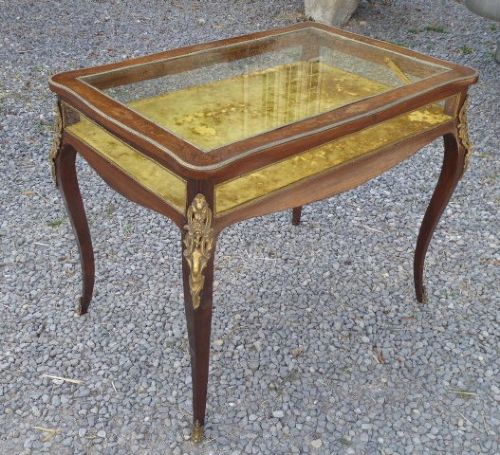
A glass and wood display box encompasses a variety of forms designed to showcase precious items, curiosities, and collections. Buyers searching for this phrase encounter pieces that range from countertop cabinets and key cupboards to elegant bijouterie tables.
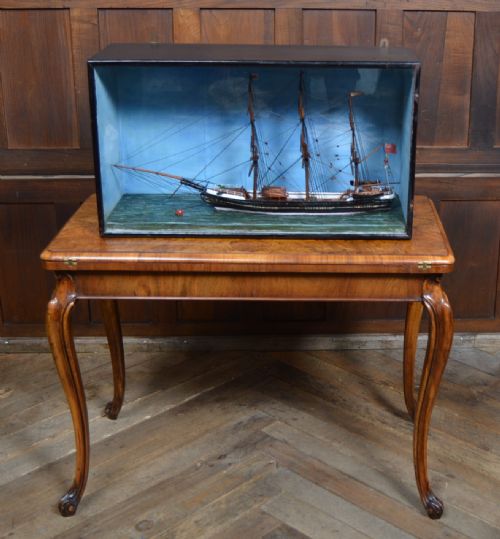
The pieces on this page span the nineteenth and early twentieth centuries, including Victorian and Edwardian examples. Maritime folk art dioramas and taxidermy cases also appear alongside commercial sweet shop and pencil display cabinets.
Bijouterie tables with glazed tops and wooden frames dominate the selection. These tables allow owners to view stored objects from above while keeping them protected.
Materials and construction
Construction relies heavily on timbers such as mahogany, satinwood, kingwood, and general hardwoods, paired with transparent glass panels. Brass fittings, paint, plaster, and fabric linings frequently appear as interior and structural components.
Joinery techniques reflect the period of origin, from Victorian commercial cabinet making to Edwardian inlaid work and maritime folk art construction. Frames are built to support glazed lids or doors securely, housing delicate dioramas, models, or merchandise.
Glass and Wood Display Box Retail Price Guide 2026
Typical asking prices for glass and wood display box among the pieces listed under this phrase on Sellingantiques today, from the lower quarter to the upper quarter. They describe what is for sale here now, not the wider market.
A pair of waxwings enjoys a permanent snow scene inside a Victorian taxidermy box, frozen mid-winter forever.
Factors that distinguish quality
Quality in a glass and wood display box rests on the selection of timber veneers, the crispness of any inlay work, and the structural integrity of the glazing bars. Finer pieces incorporate refined woods like satinwood and kingwood alongside detailed marquetry.
The integration of original hardware, fabric linings, and the condition of the glass panes elevate a piece. Purpose-built commercial counters and domestic bijouterie tables demonstrate different levels of joinery ambition depending on their original function.
Rowntree’s Chocolates·Cadbury's
The Glass and Wood Display Box Glossary
- Bijouterie table
- A shallow glazed table designed specifically for displaying small valuable items, medals, or jewellery beneath glass.
- Diorama
- A three-dimensional scene, often depicting maritime subjects like sailing vessels, enclosed within a cased box.
- Marquetry
- Decorative woodwork where pieces of veneer are fitted into a design on a structural panel.
- Taxidermy case
- A specialised glass and wood enclosure built to preserve and exhibit prepared animal specimens in a simulated environment.
Glass and Wood Display Box: Frequently Asked Questions
What were glass and wood display boxes originally used for?
These pieces served multiple functions, from commercial retail counters displaying sweets and pencils to domestic tables holding collections of small valuables. Maritime examples housed detailed model ships and folk art scenes.
Specialised versions also functioned as taxidermy enclosures or secure key cupboards for night porters. Each format reflects the specific display or storage needs of its era.
How do I care for a wooden display box?
Keep wooden surfaces clean using dry microfiber cloths and avoid applying excessive moisture or harsh chemical polishes. Protect the timber and fabric linings from direct sunlight to prevent fading.
Inspect the glass panels gently during cleaning to ensure they remain secure within their frames. Regular dusting preserves both the wood finish and the clarity of the display area.
How can I tell Victorian pieces from Edwardian ones?
Victorian examples often feature heavier mahogany construction and robust commercial designs, alongside detailed folk art dioramas. They tend to prioritize solid presence and traditional craftsmanship.
Edwardian pieces frequently display lighter satinwood timbers, delicate stringing, and refined inlay work. The overall aesthetic shifts towards airier proportions while maintaining functional glazing.
Can I use a bijouterie table as a coffee table?
Bijouterie tables are designed with glazed tops intended for viewing delicate items rather than supporting heavy everyday loads. Placing heavy mugs, books, or feet upon the glass top risks causing structural damage.
They function best as side surfaces or dedicated display furniture where their interior compartments remain visible and protected.