

Giltwood Wall Frames
Giltwood wall frames bring warmth and reflective depth to a room, enclosing centuries of mirrors and oil paintings in gleaming gold leaf.
Giltwood Wall Frames
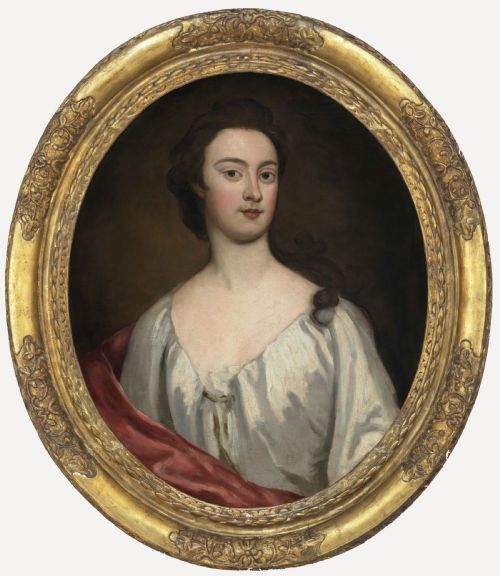
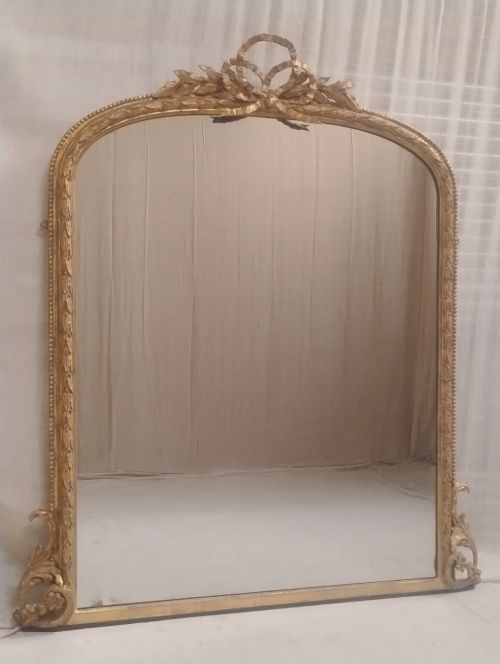
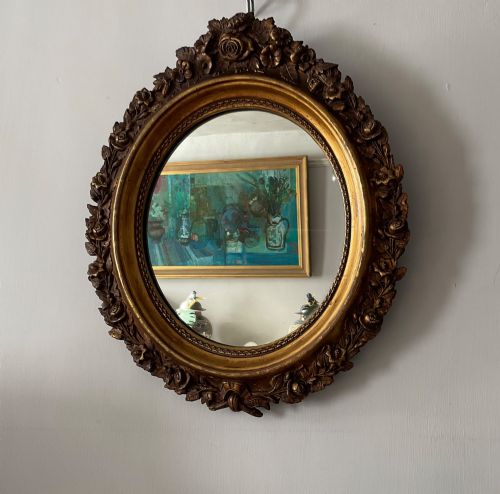
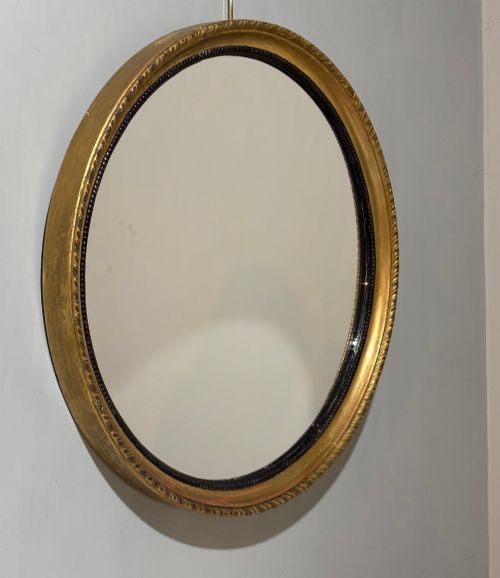
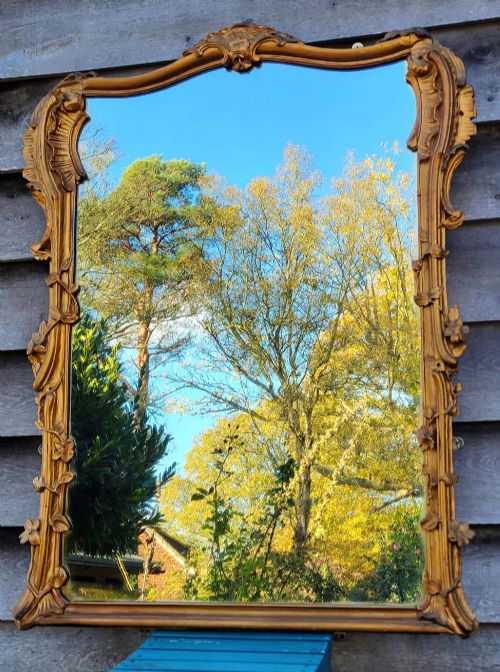
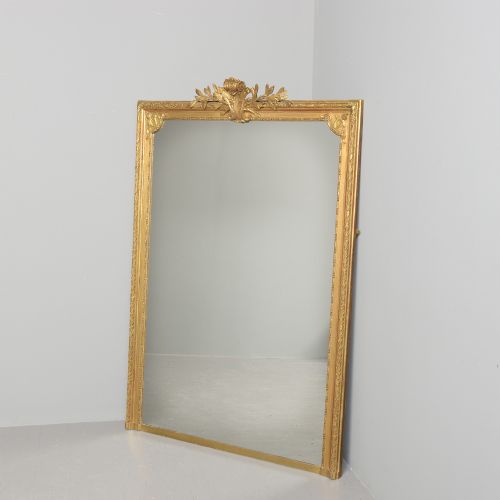
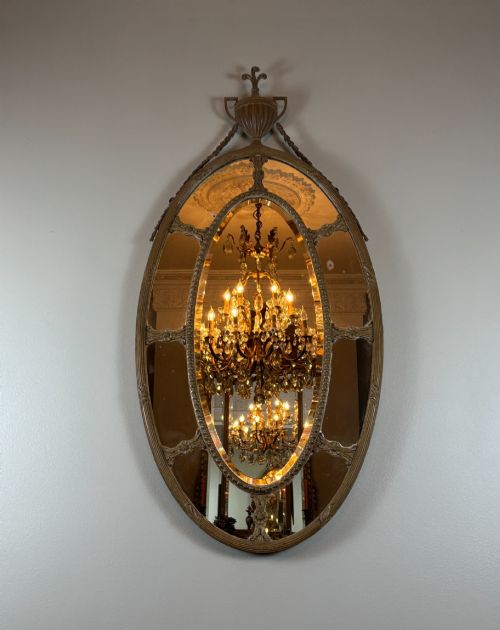
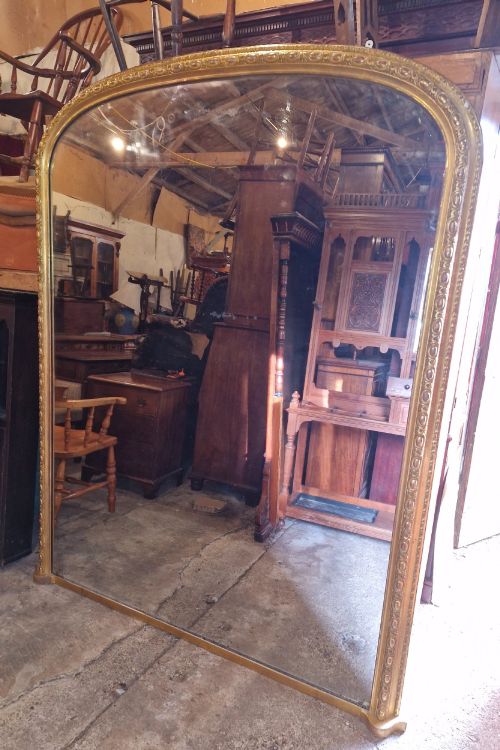
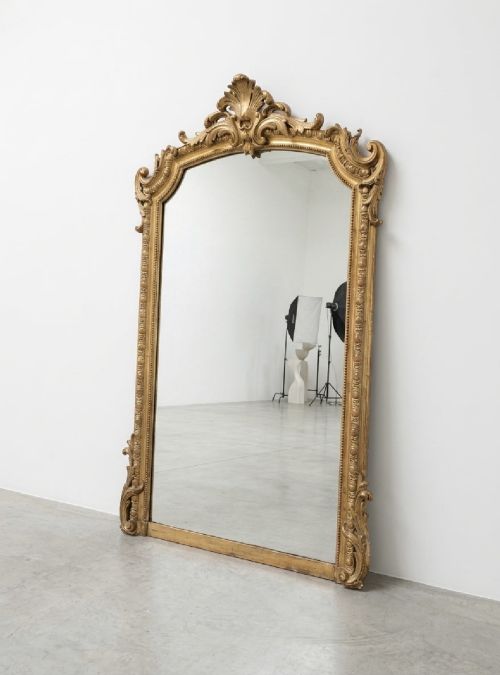
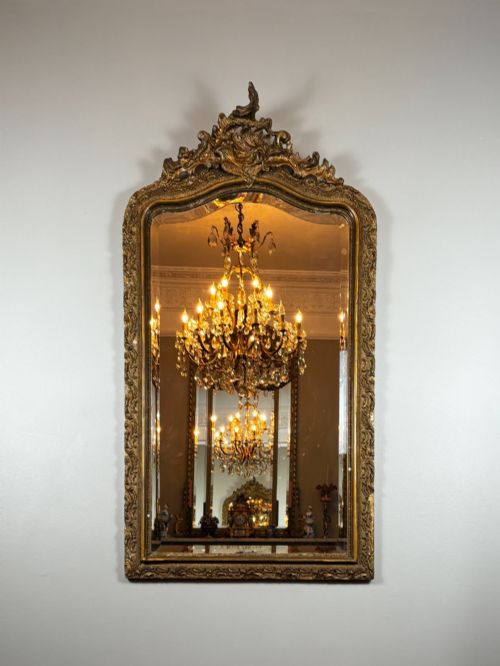
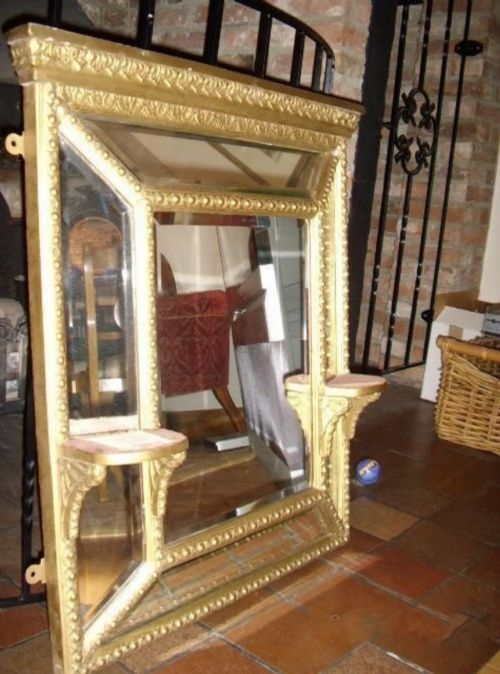
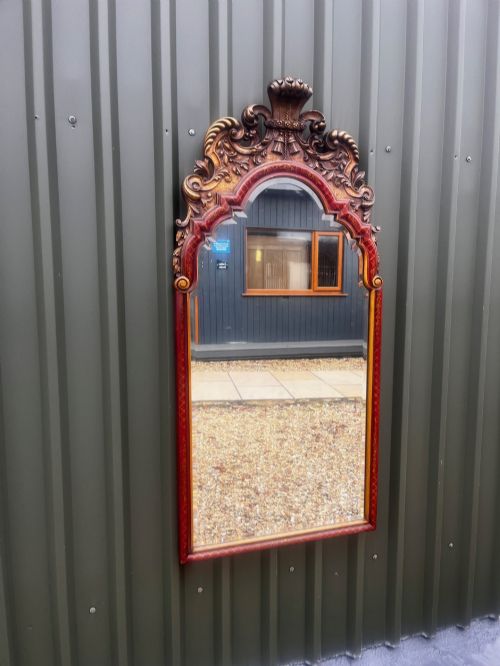
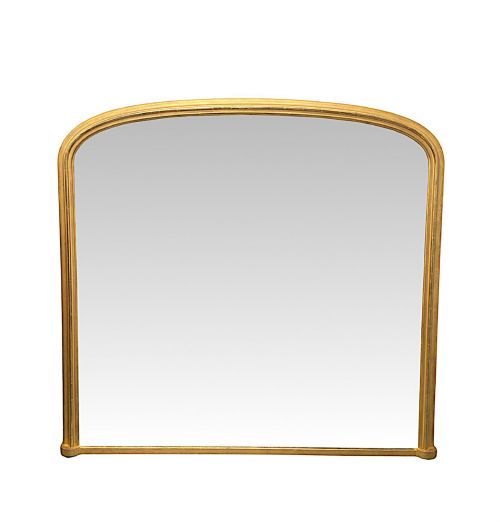
When searching for giltwood wall frames, you are looking at an array of decorative wall furnishings that span several centuries of craftsmanship and design. The pieces you encounter most frequently on this page are nineteenth-century giltwood mirrors, including large overmantel mirrors and architectural wall mirrors, alongside framed oil paintings.
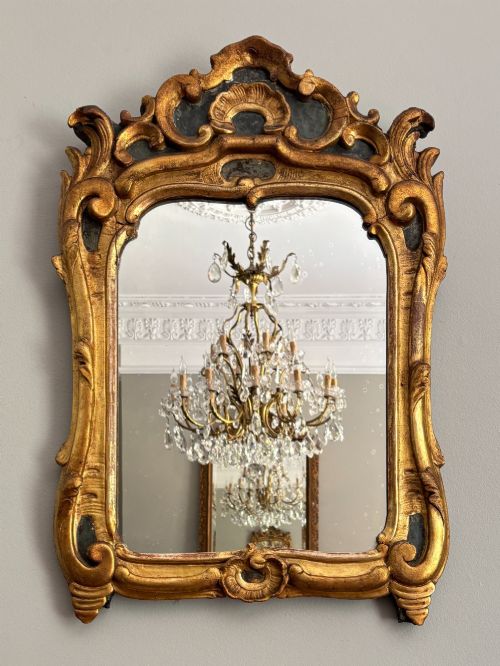
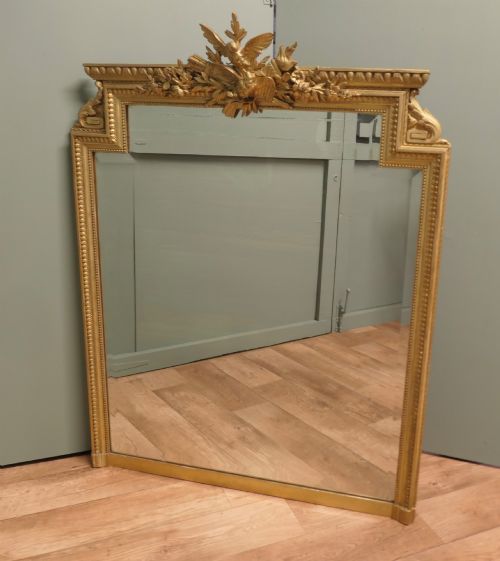
The selection ranges from seventeenth-century portraits housed in period surrounds to nineteenth-century French trumeau mirrors featuring integrated pastoral oil paintings. Styles vary from seventeenth-century Baroque and Georgian to nineteenth-century French Rococo Revival and Louis Philippe, reflecting the shifting tastes in interior decoration over generations.
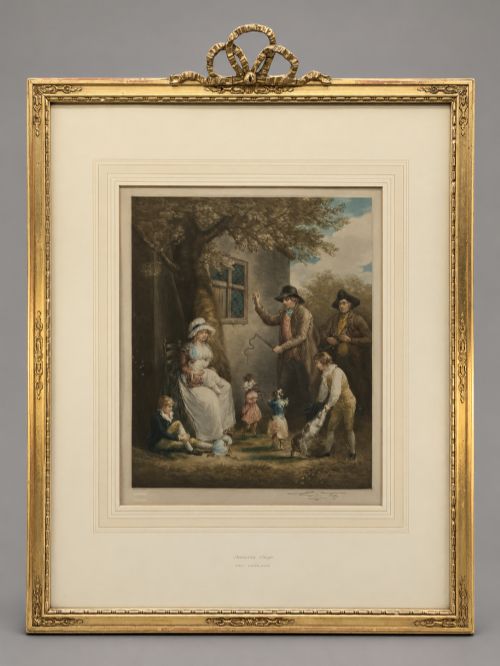
Many items combine functional mirror glass with ornate carved wood and gesso structures, while others serve strictly as picture frames for canvas and panel art. Whether rectangular, arched, oval, or pier glass, these objects function simultaneously as structural woodwork and reflective or pictorial art.
Materials and construction methods
Makers constructed the foundational structure of these frames using timber, commonly carving intricate decorative motifs directly into the wood or applying a layer of gesso to build up high-relief ornamentation. Gesso, a mixture of plaster of Paris or chalk with glue, allowed artisans to mould elaborate scrolls, foliage, and crests before gilding.
The golden finish was achieved by applying thin sheets of gold leaf or gold paint over a prepared bole base, imparting a luminous metallic sheen that catches natural light. Mirror glass within these frames frequently includes period characteristics such as foxed mercury glass or verre eglomise panels, whilst paintings utilise oil on canvas or oil on panel.
Giltwood Wall Frames Retail Price Guide 2026
Typical asking prices for giltwood wall frames among the pieces listed under this phrase on Sellingantiques today, from the lower quarter to the upper quarter. They describe what is for sale here now, not the wider market.
Assessing quality in giltwood frames
Quality in these pieces is determined by the depth and crispness of the hand-carved detail in the wood and gesso, distinguishing finely sculpted ornamentation from softer, moulded composition work. Superior examples exhibit precise joinery, harmonious proportions, and gilding that retains its texture and warmth over centuries of existence.
The integration of original components also dictates standard, such as frames retaining their original mercury glass plates, uncompromised canvas backings, or period-appropriate oil paintings rather than later replacements.
John Syer RI·Michiel van Musscher·Joseph Vivienne·Charles Jervas·John Greenhill·Trajan Hughes
The Giltwood Wall Frames Glossary
- Giltwood
- Wood that has been coated with gold leaf or gold paint. This technique provides a durable, reflective metallic finish characteristic of high-status antique frames and mirrors.
- Gesso
- A plaster-like mixture applied to wood frames to create a smooth surface for carving and gilding. It allows craftsmen to fashion elaborate three-dimensional scrollwork and relief patterns.
- Overmantel mirror
- A large mirror designed to hang specifically above a fireplace mantel. These pieces often feature arched or shaped tops to fit architectural proportions.
- Trumeau mirror
- A decorative wall mirror paired with an oil painting or panel artwork set into the upper section. Originating in France, these pieces served as permanent wall decor.
- Verre eglomise
- A process of cold painting and gilding on the reverse side of glass. It produces a reflective, ornamental panel often seen in antique pier glass mirrors.
Giltwood Wall Frames: Frequently Asked Questions
How do I hang a heavy overmantel mirror safely?
Heavy overmantel mirrors require robust wall fixings anchored directly into masonry or substantial wall studs to support their considerable weight. Professional mirror hangers often utilise mirror plates or french cleats distributed evenly across the frame structure.
Ensure the weight distribution is tested before removing support, as nineteenth-century timber and gesso frames exert significant downward force on hanging hardware.
What is foxed glass and should I keep it?
Foxed glass refers to the natural ageing process where the silver backing behind the mirror plate oxidises, creating dark spots and mottled patches. This effect is desirable among collectors because it confirms the age and authenticity of nineteenth-century or earlier glass.
Replacing foxed glass with modern mirror plate destroys the historical integrity and visual charm of a period piece, so retaining the original glass is standard practice.
How do I identify a French Louis Philippe mirror?
Louis Philippe mirrors typically feature a subtle, rounded upper corner design on an otherwise rectangular frame, blending classical proportions with restrained nineteenth-century elegance. They often incorporate beaded inner borders and simple crests without excessive ornamentation.
Checking the reverse reveals traditional joinery, timber backing boards, and original mercury glass consistent with mid-nineteenth-century French workshops.