



Giltwood Shelf Pair
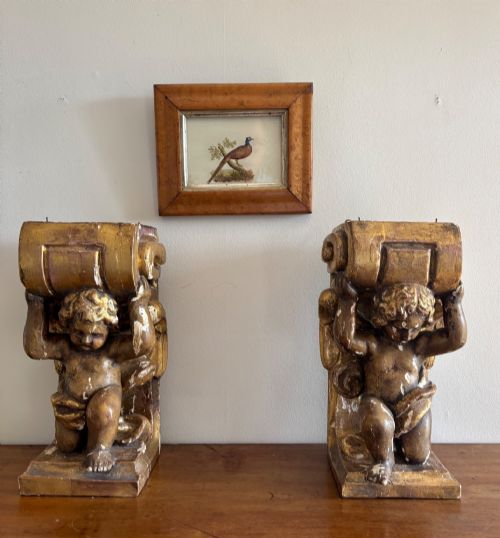
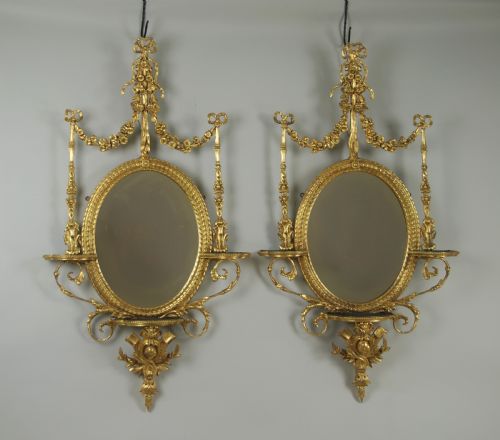
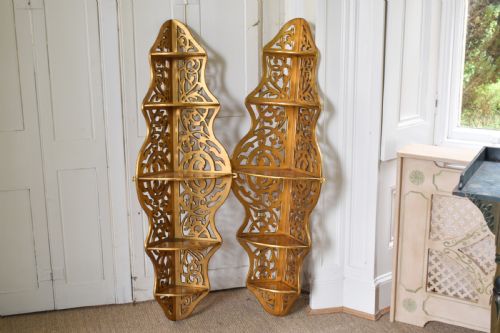
These giltwood shelf pair examples bring decorative symmetry and historic presence to a room, offering functional display surfaces with carved ornamentation.
Giltwood Shelf Pair
A giltwood shelf pair brings together matching wall-mounted brackets, shelves, or mirrors designed to create visual balance on either side of a fireplace, window, or architectural feature. When searching for a giltwood shelf pair, buyers typically encounter pieces originating from the nineteenth and early twentieth centuries, spanning Victorian, Rococo, and Baroque revival styles.
The selection includes specific configurations like corner shelves, mirrored wall display shelves, and carved wall brackets alongside related forms such as girondoles and side tables. These items reflect European stylistic influences, including French chateau, Italian baroque, and nineteenth-century Irish cabinet-making traditions.
Many surviving examples incorporate display surfaces combined with glass panels or mirror plates to reflect light into living spaces. The assortment ranges from compact wall brackets to larger display structures designed for prominent placement in period interiors.
Materials and construction methods
Construction relies upon carved wood frameworks built from timber bases, which are then coated in layers of gesso to create a smooth, responsive surface for fine detailing. Artisans shaped these wooden supports into intricate scrollwork, acanthus leaves, and architectural motifs characteristic of revival aesthetics.
Gold leaf or applied gilding covers the gesso base, providing the reflective metallic finish that defines the giltwood aesthetic. Additional structural elements incorporate brass fixings and glass components, particularly in pieces featuring integrated mirrors or display shelves.
Giltwood Shelf Pair Retail Price Guide 2026
Typical asking prices for giltwood shelf pair among the pieces listed under this phrase on Sellingantiques today, from the lower quarter to the upper quarter. They describe what is for sale here now, not the wider market.
Some Victorian wall shelves clearly suffered identity crises, moonlighting in listings as both display consoles and bedside tables depending on the room.
Assessing craftsmanship and execution
The depth and crispness of the carved woodwork separate standard decorative pieces from exceptional examples, as master carvers achieved sharper undercut details and more naturalistic floral or scroll reliefs. The application of gold leaf over gesso dictates the surface brilliance, with finer work showing smooth burnishing and consistent coverage.
Design coherence between the two matched objects determines the success of the pair, ensuring that proportions, carving depth, and gilt patination align harmoniously. Maker signatures, paper labels, or distinctive regional workshop traits further distinguish notable pieces within the wider field.
Strahan of Dublin
The Giltwood Shelf Pair Glossary
- Giltwood
- Wood that has been coated with gold leaf or gold paint. This technique provides a luminous metallic surface that was widely favoured in formal European interior decoration.
- Gesso
- A plaster mixture applied to a wooden substrate as a base for gilding and fine carving. It allows artisans to model intricate relief details before applying gold leaf.
- Girondole
- A decorative wall bracket or sconce featuring a mirrored backplate. The reflective glass enhances the ambient light cast by candles or illuminated rooms.
- Wall bracket
- A projecting architectural support attached to a vertical surface to hold ornaments or small objects. In giltwood forms, it serves both a functional and ornamental purpose.
- Rococo
- An ornate artistic style characterised by asymmetric scrolls, shell motifs, and flowing curves. It heavily influenced nineteenth-century revival furniture and decorative hardware.
Giltwood Shelf Pair: Frequently Asked Questions
What is a giltwood shelf pair?
A giltwood shelf pair consists of two matching decorative wall-mounted shelves or brackets finished with gold leaf over carved wood and gesso. They were designed to provide symmetrical display space on either side of architectural focal points.
These pieces range from simple carved wooden brackets to complex mirrored wall displays incorporating glass plates and ornate revival detailing.
How were these shelves used?
Historically, these shelves functioned as ornamental ledges for displaying porcelain, small sculptures, or timepieces within formal reception rooms and parlours. The inclusion of mirrors in certain designs helped amplify candlelight and natural illumination.
Today, they are utilised in traditional and eclectic interiors to create vertical display points and introduce period character to plain walls.
How do I identify the period?
Dating relies on examining the underlying timber, the preparation of the gesso layers, and the specific stylistic vocabulary of the carving. Nineteenth-century pieces frequently display Baroque or Rococo revival motifs influenced by French and Italian design.
Later twentieth-century examples often exhibit simplified construction methods or distinct regional interpretations such as Florentine bedside and side tables.
How do I care for giltwood?
Giltwood requires careful handling because the gold leaf and gesso layers are sensitive to excessive moisture, direct sunlight, and physical abrasion. Dusting should be performed gently using a soft, dry brush without applying chemical cleaning agents.
Maintaining stable indoor humidity levels prevents the wooden substrate from expanding or contracting, which helps protect the gesso from cracking over time.