


Giltwood Columns
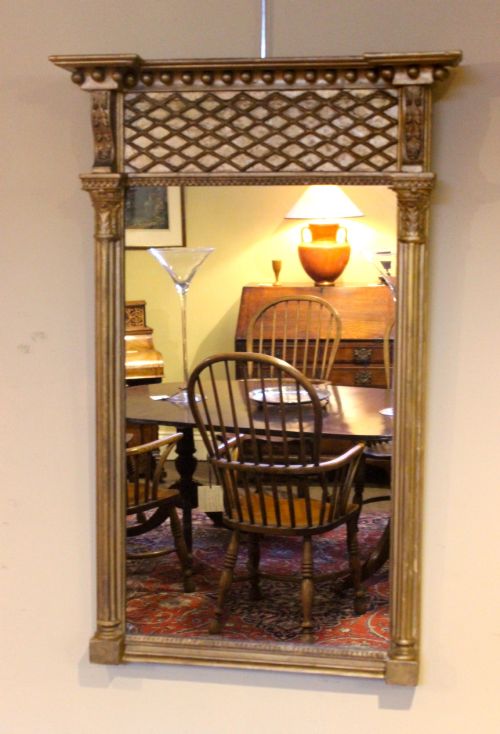
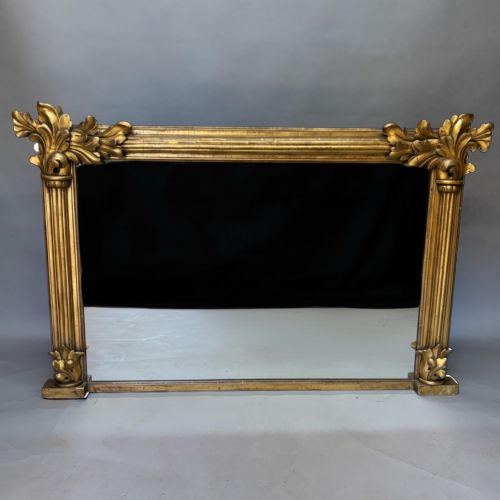
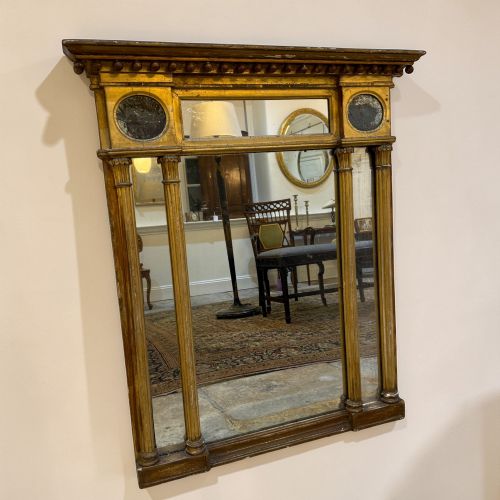
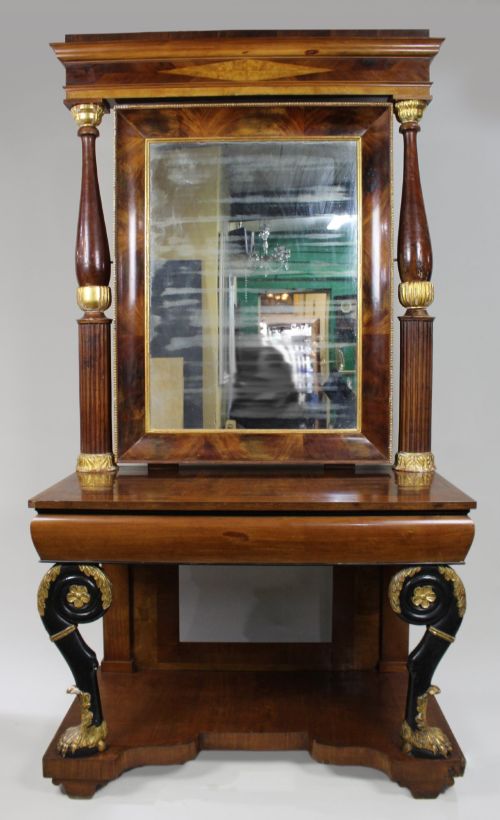
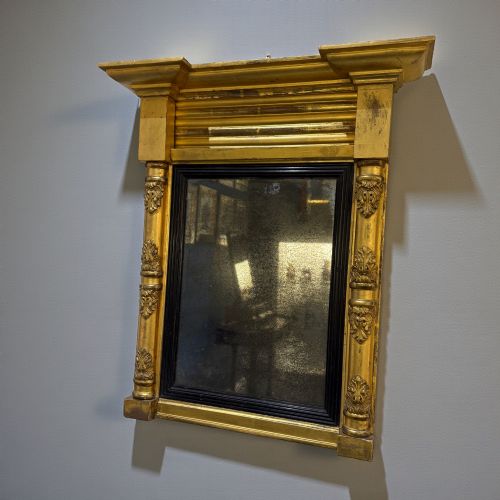
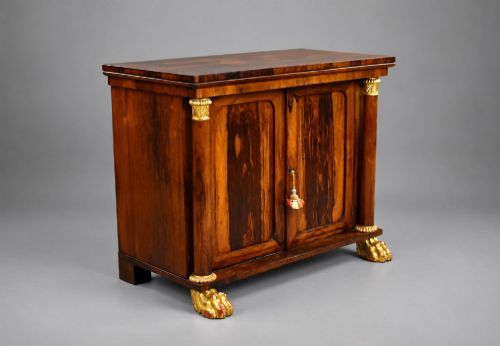
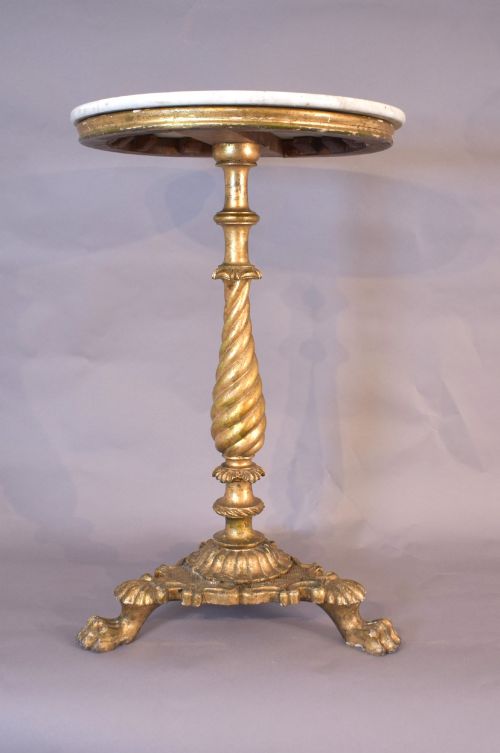
Giltwood columns frame the glass and support the architectural forms of these mirrors and tables, bringing a gilded warmth and classical order into a room.
Giltwood Columns
When you search for giltwood columns, you encounter architectural woodwork applied to pier mirrors, overmantels, and occasional tables dating from the eighteenth century through to the early twentieth century. These pieces draw heavily on Regency, Victorian, and Neoclassical vocabularies, where columns and pilasters structure the borders of mirrors or prop up small tables and torchères.
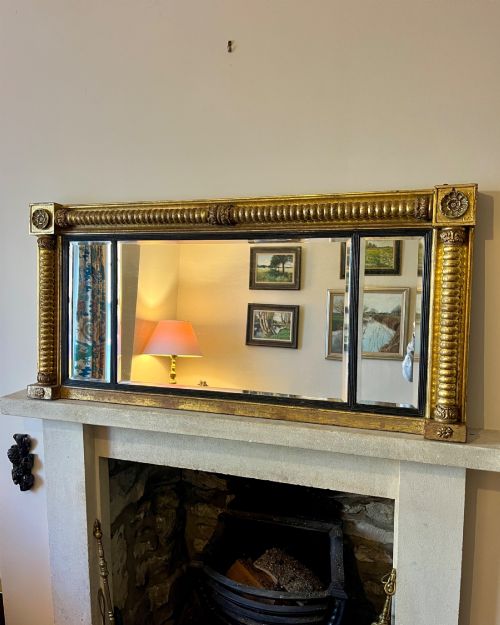
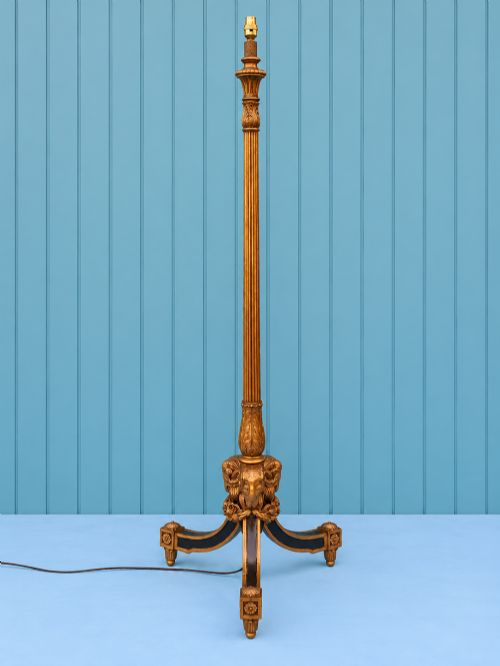
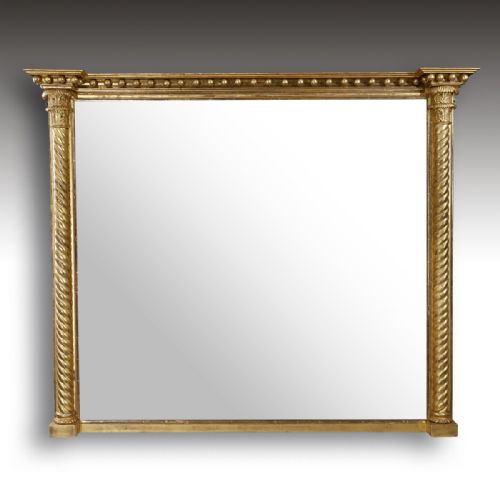
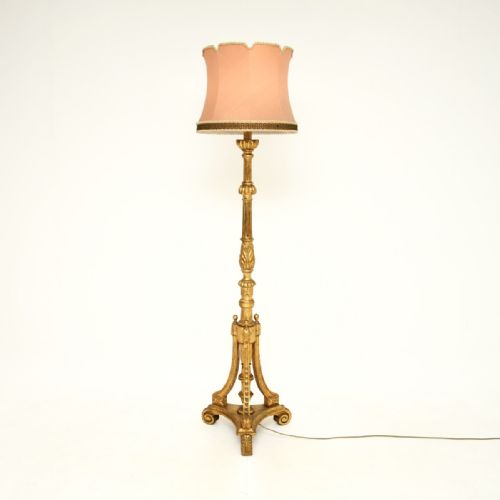
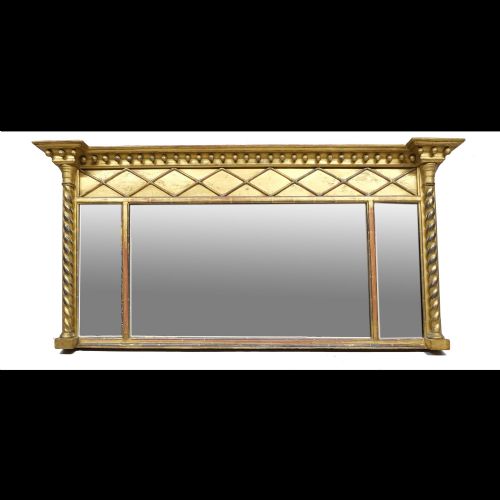
The version you are most likely to meet on this page is the nineteenth-century pier mirror or overmantel glass, frequently sporting fluted or ribbed columns flanking a central plate. Alongside these wall-hanging forms, the listings contain occasional wine tables, tripods, and standard lamps that integrate gilded column supports.
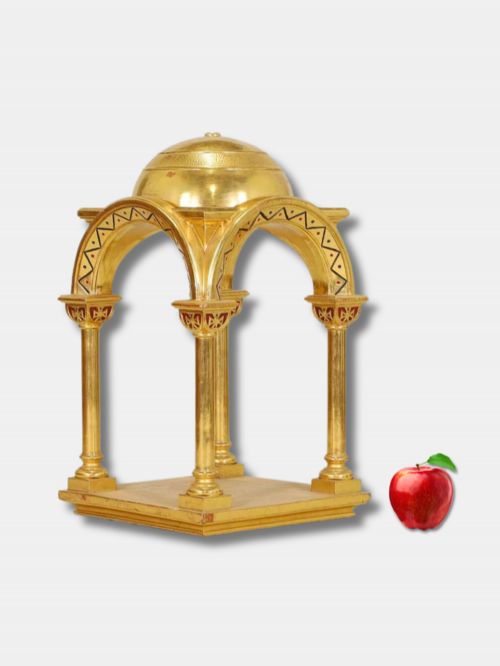
Originating predominantly from English and French workshops, these items reflect periods of revival spanning from Georgian elegance down to the Neoclassical and Byzantine revivals of the Victorian era. The columns themselves range from simple plain cylinders to variants decorated with acanthus motifs or zigzag patterns.
Materials and construction
Makers constructed the structural carcasses of these pieces from timber substrates such as mahogany, pine, or general hardwoods, upon which they applied layers of gesso to build up decorative mouldings and relief details. Gesso provided a smooth, responsive surface for carving architectural elements like fluted column shafts and floral mouldings.
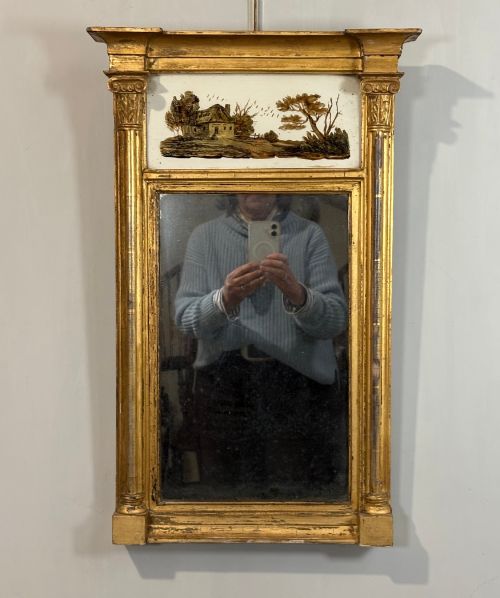
Workers then applied gold leaf or metal leaf finishes over the prepared ground, sometimes augmenting the appearance with parcel-gilt techniques on painted or ebonised wood surfaces. Verre églomisé panels and mirror glass were integrated into the frames, held by carved wooden fillets and secured alongside the integrated columns.
Giltwood Columns Retail Price Guide 2026
Typical asking prices for giltwood columns among the pieces listed under this phrase on Sellingantiques today, from the lower quarter to the upper quarter. They describe what is for sale here now, not the wider market.
Listings span periods from the 18th century through the Victorian era and into the 1930s, using materials including giltwood, gesso, ebonised wood, and verre églomisé.
Judging the standard
Quality separates the pieces built with crisp, hand-carved wooden detail from those relying heavily on thick composition mouldings cast in relief. Sharpness in the fluting of the columns and the definition of acanthus leaves or geometric patterns indicate careful hand-finishing.
The integrity of the gilded surface and the original state of the mirror glass - whether retaining an early verre églomisé panel or showing uniform age across the plate - distinguish pieces that preserve their period character from those with later repainting or replaced elements.
The Giltwood Columns Glossary
- Giltwood
- Wood that has been coated with gold leaf or metal leaf over a prepared base. This finish gives the carved columns and frames their characteristic metallic sheen.
- Pier Mirror
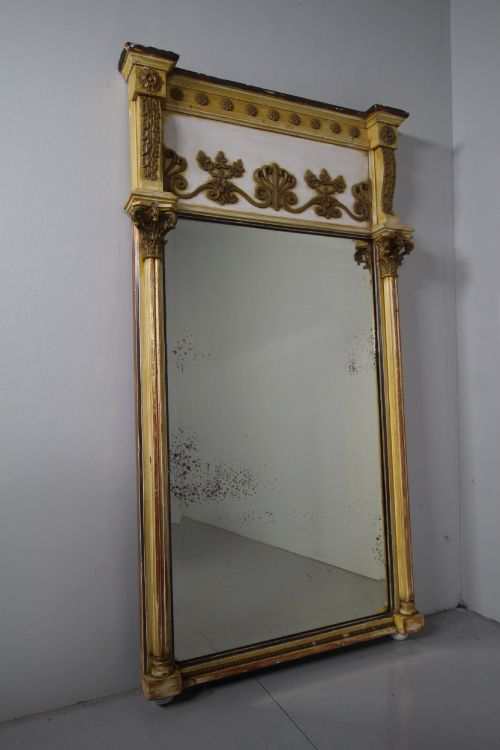
- A tall glass designed to hang on the narrow wall space between windows. They frequently incorporate side columns and pilasters to match architectural interiors.
- Verre Églomisé
- A process of cold painting and gilding on the reverse side of glass. These panels often appear in the upper sections of Regency pier mirrors.
- Gesso
- A mixture of binder and chalk applied to wood surfaces. It provides the pliable layer needed for crisp column mouldings and relief decoration before gilding.
- Overmantel Mirror
- A wide mirror designed to sit directly above a fireplace mantel. They often utilise column framing to anchor their expansive landscape format.
Giltwood Columns: Frequently Asked Questions
What is a pier mirror?
A pier mirror is a tall, vertical glass designed specifically for the wall space between two windows. These pieces often feature integrated columns that echo the architectural joinery of the room.
In period interiors, they reflected natural light deep into the floor space while visually extending the height of the wall.
How do I place a column mirror?
Mount these mirrors securely to a sturdy wall, taking the substantial weight of the timber, gesso, and glass into account. Position them at a height where the frame's architectural proportions balance the surrounding furniture.
They function effectively above sideboards, console tables, or mantelpieces where the vertical lines of the columns can command the wall.
What is verre églomisé?
Verre églomisé is a decorative technique involving gold leaf and painted designs applied directly to the reverse side of glass panels. This process creates a deep, reflective surface with a muted metallic sheen.
On these mirrors, you typically find these panels set into the upper frieze above the main glass plate.
How do I date a giltwood frame?
Dating relies on observing the underlying construction materials, the weight of the timber, and the style of the columns and mouldings. Regency and Georgian pieces tend to show restrained classical proportions, whereas Victorian interpretations often introduce heavier relief work and eclectic revivals.
Examining the backboards, fixings, and the composition of the gesso layers provides further clues to the manufacturing decade.