




Gilt Wood Phoenix
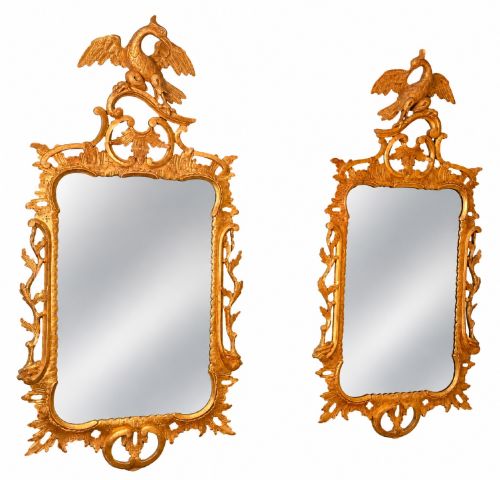
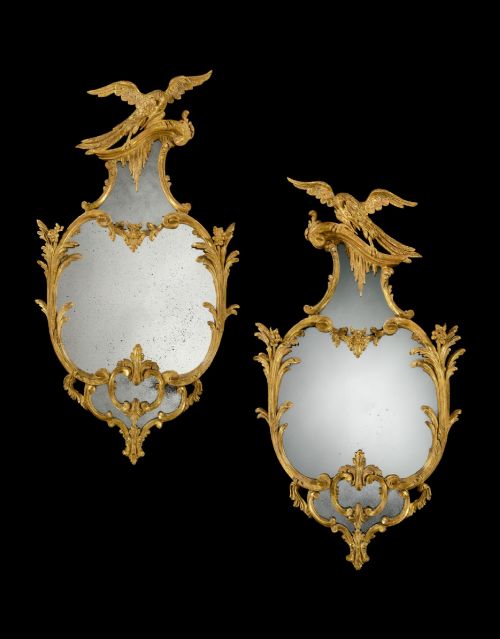
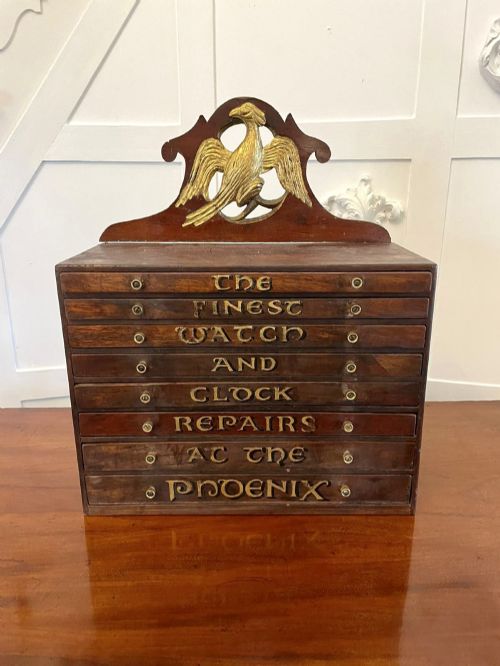
These gilt wood phoenix carvings and mirrors bring lively 18th Century spirit and carved detail to any room.
Gilt Wood Phoenix
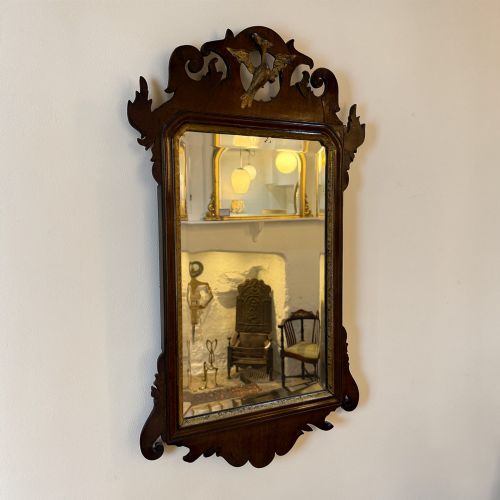
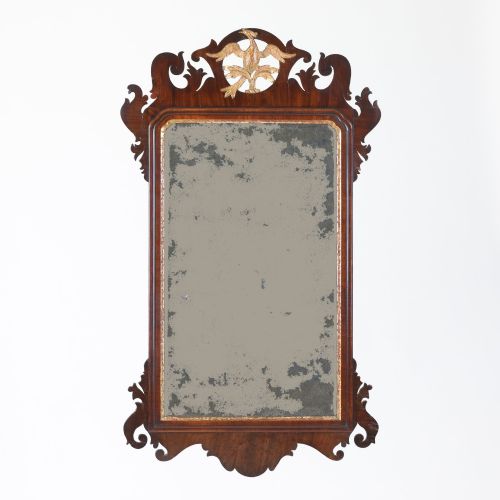
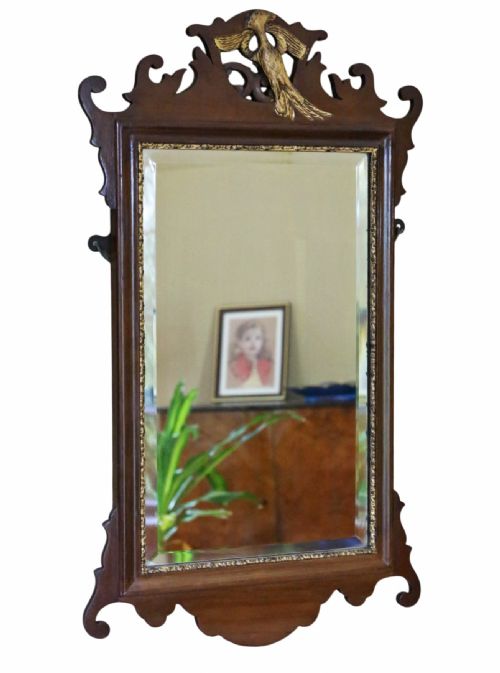
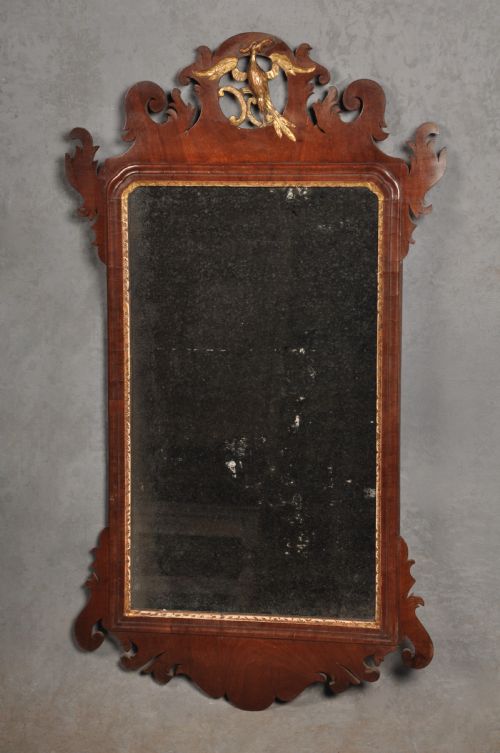
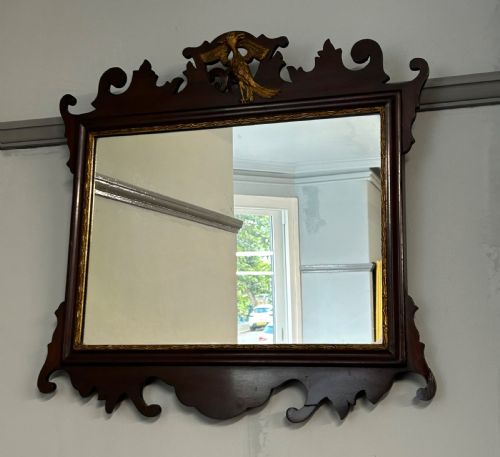
A gilt wood phoenix, often called a ho-ho bird in period terms, tops fret-cut wall mirrors from the 18th Century onwards. These carved figures look down from the crest of mahogany or giltwood frames.
The versions met on this page span Georgian originals to later Victorian and Georgian Revival interpretations. They combine carved wood with glass plates and occasionally walnut or brass elements.
Collectors encounter these birds perched atop wall mirrors rather than as standalone carvings. The form draws the eye upward and completes the classical silhouette of a Georgian or Chippendale design.
How they were made
Carvers shaped the birds and frames from timbers such as mahogany, walnut, and softwoods destined for gilding. Artisans applied gold leaf over a prepared gesso ground to achieve the bright metallic finish characteristic of giltwood.
Fretwork sections were pierced with fine saws to create the intricate scrollwork surrounding the central glass plate. Bevel-edged glass was fitted into the rebates behind the crest where the phoenix takes its place.
Gilt Wood Phoenix Retail Price Guide 2026
Typical asking prices for gilt wood phoenix among the pieces listed under this phrase on Sellingantiques today, from the lower quarter to the upper quarter. They describe what is for sale here now, not the wider market.
The mythical phoenix keeps a permanent watch over the room, ensuring your wall decor carries a touch of 18th Century drama.
What varies in quality
Quality rests upon the crispness of the carver's hand and the depth of the relief work on the phoenix crest. Finer examples show lively feather detailing and balanced proportions rather than flat, mechanical cutting.
The integrity of the original gilding and the preservation of the underlying gesso separate the best pieces from those heavily restored. The choice of primary timber, whether rich mahogany or figured walnut, also dictates the standing of the mirror.
The Gilt Wood Phoenix Glossary
- Giltwood
- Wood that has been coated with gold leaf over a gesso base. This finish provides the bright reflective surface seen on many 18th Century mirror frames.
- Ho-ho bird
- The traditional English name for the Chinese phoenix motif used by cabinet makers on Chippendale and Georgian mirrors. It appears as a crested bird perched at the top of the frame.
- Fretwork
- Ornamental pattern work created by piercing thin boards with a fretsaw. It defines the scroll edges of many Georgian and revival wall mirrors.
- Gesso
- A plaster mixture applied to wood surfaces as a preparation for gilding. It allows carvers to crisp up details before applying gold leaf.
Gilt Wood Phoenix: Frequently Asked Questions
What is a ho-ho bird?
A ho-ho bird is the period term for the mythical Chinese phoenix used as a decorative motif by 18th Century cabinet makers. These carved creatures sit proudly at the crest of wall mirrors.
They draw inspiration from Chinese export goods that influenced European taste during the Georgian era. Carvers adapted the mythical bird into the vocabulary of English furniture design.
How do I date a mirror?
Dating relies on examining the timber, the construction of the frame behind the glass, and the style of the fretwork. 18th Century pieces show specific joinery techniques and wood oxidation not found later.
Revival pieces from the Victorian era imitate these earlier forms but often use machine-cut elements or different backing boards. Comparing the glass plate and silvering also helps determine age.
Where should I hang these mirrors?
These mirrors suit principal reception rooms or above a fireplace mantel where their height and crest can be fully appreciated. They require sturdy fixings due to the combined weight of timber and glass.
Positioning them opposite a window helps bounce natural light around the space while highlighting the gilded phoenix detail.
Are these mirrors fragile?
The projecting carved crests and delicate fretwork require careful handling during placement and cleaning. Giltwood surfaces are sensitive to moisture and harsh chemical cleaning agents.
Gentle dusting with a soft brush keeps the carved details clear without damaging the gold leaf or the underlying gesso layers.