


Gilt Metal Pendant
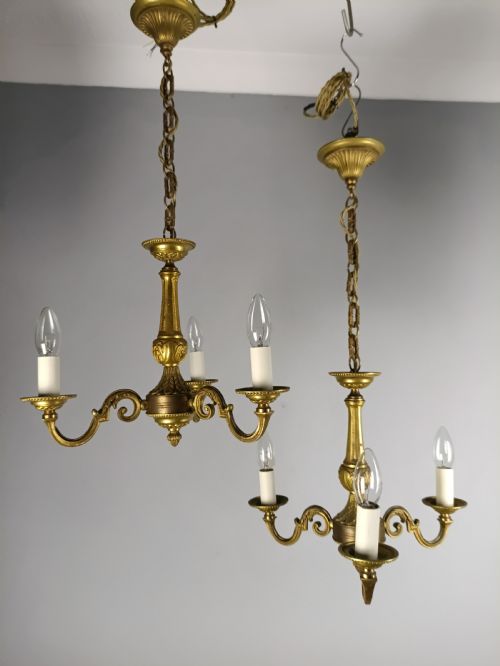
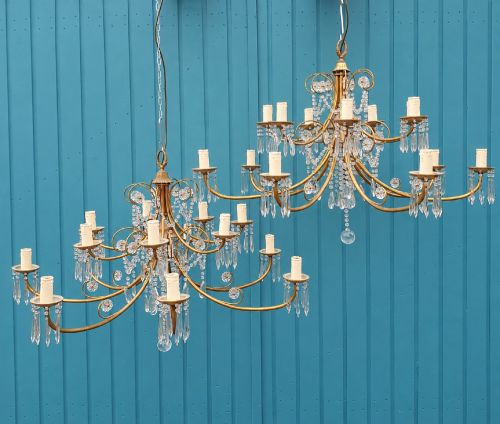
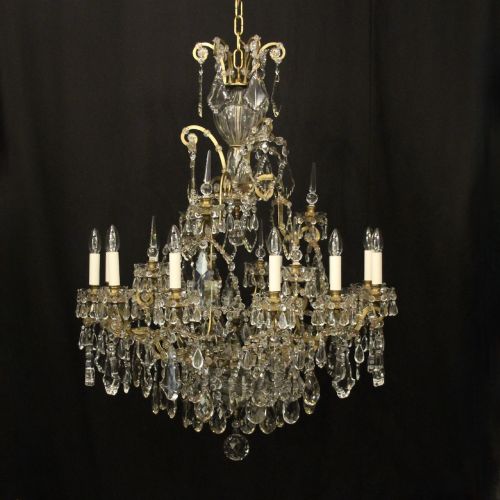
A gilt metal pendant brings warmth and suspended illumination to a room, drawing the eye upwards through metallic and glass facets.
Gilt Metal Pendant
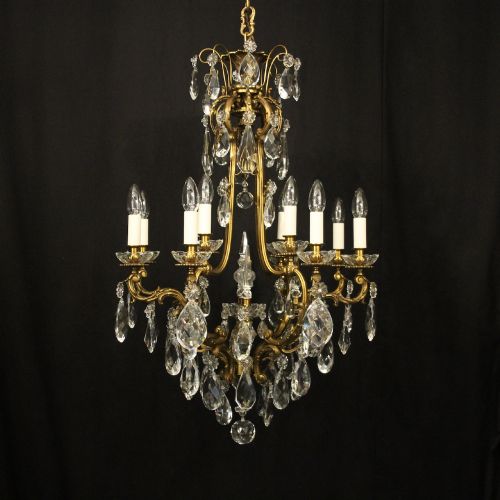
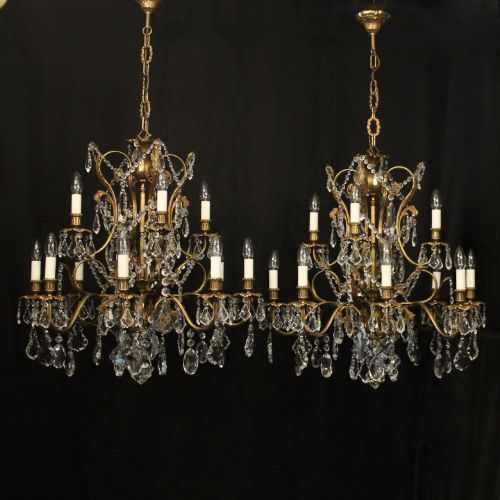
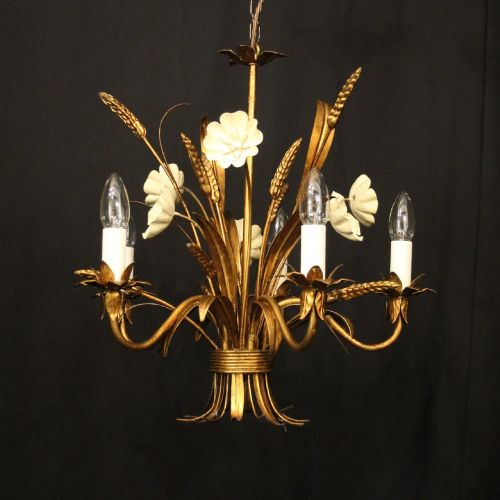
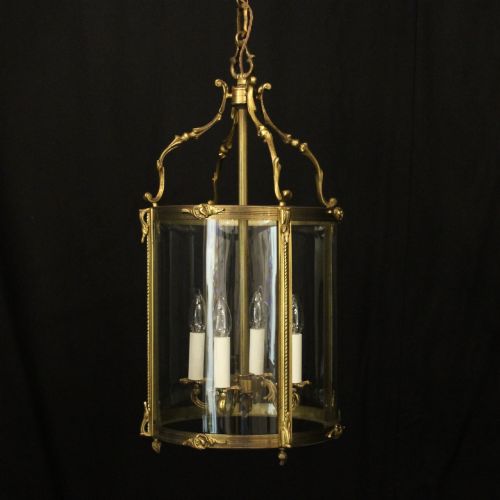
When searching for a gilt metal pendant, a buyer encounters suspended ceiling fittings and small hanging objects shaped by various historical aesthetics. The selection spans distinct forms, from multi-light chandeliers and hall lanterns to small decorative fobs and portrait miniatures.
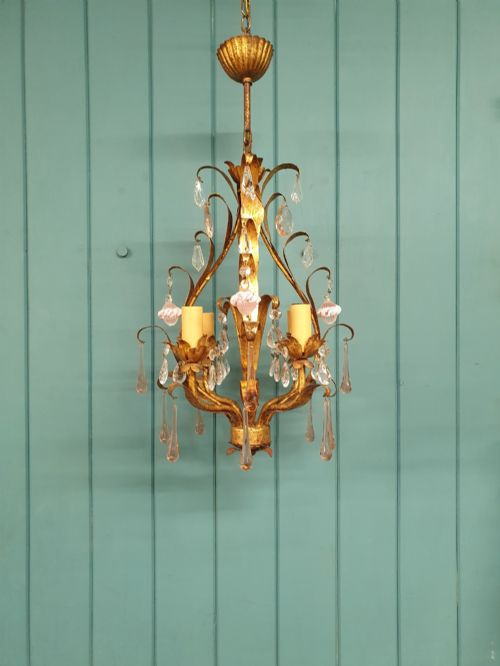
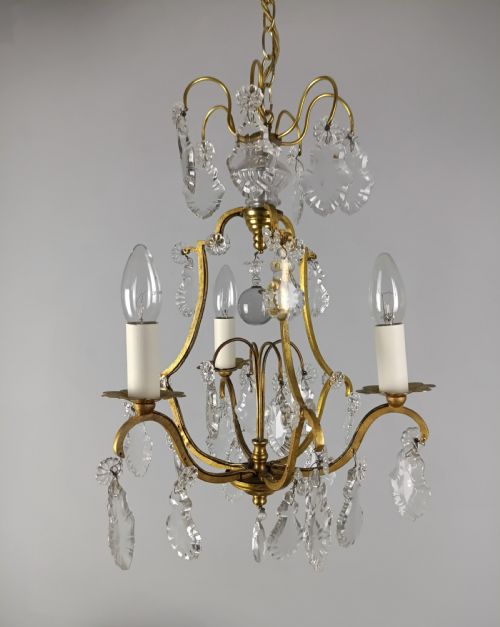
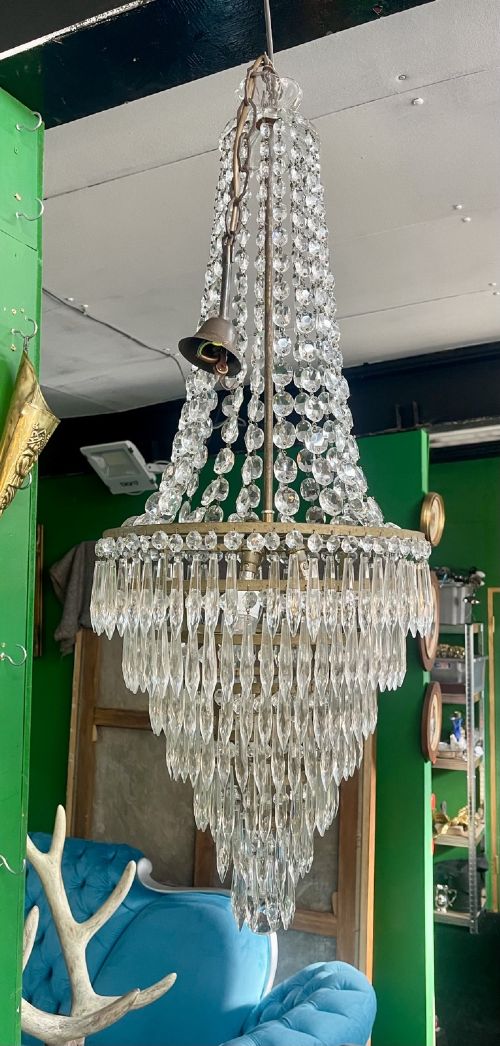
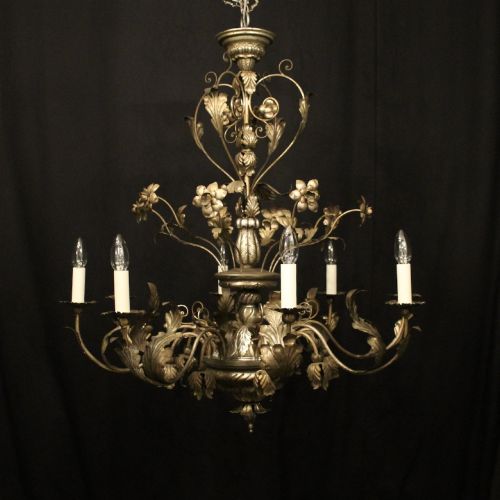
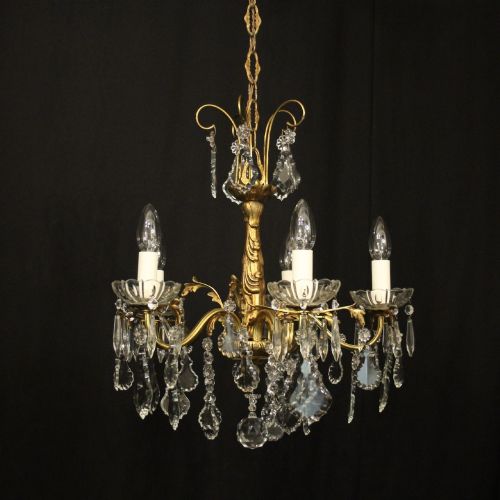
The pieces appearing here lean heavily toward twentieth-century French and Italian designs, alongside select Georgian items. Common configurations include birdcage frames, crystal-hung tent structures, and flush-mounted ceiling lights.
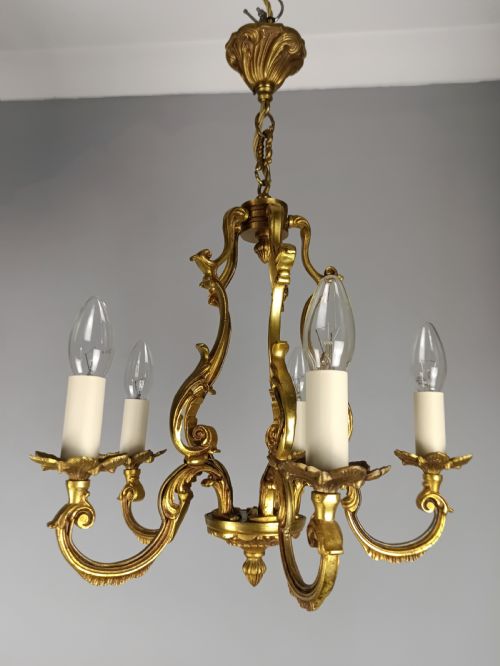
Originating largely from European workshops, these items utilise metals combined with glass and crystal elements. Buyers find both elaborate Rococo-inspired fittings and clean Art Deco geometric profiles.
How they were made
The construction relies on base metals finished with a layer of gold or silver gilt, paired with glass, crystal, or porcelain components. Workshops cast bronze, brass, spelter, and other metal alloys into intricate frames, floral motifs, and structural arms.
Glass is cut, moulded, or formed into prisms, beads, and drops that hang from the metal armatures. Artisans assemble these components using pinned joints, wire bindings, and threaded connections to support the weight of the glass and lighting elements.
Gilt Metal Pendant Retail Price Guide 2026
Typical asking prices for gilt metal pendant among the pieces listed under this phrase on Sellingantiques today, from the lower quarter to the upper quarter. They describe what is for sale here now, not the wider market.
Listings feature items dated from the Georgian era through to 1930, spanning French and Italian regional styles.
What varies in quality
The distinction between tiers of execution rests in the depth of metal-chasing, the clarity of the glass or crystal drops, and the coherence of the overall design. Superior examples exhibit crisp casting detail in the gilt metal mounts and hand-cut facets on the glass components.
Subtleties in the application of the surface finish and the integration of secondary materials, such as porcelain flowers or hand-painted portrait miniatures, separate standard production pieces from finer studio creations.
John C D Engleheart·William Naish·Charles Schneider
The Gilt Metal Pendant Glossary
- Gilt metal
- Metal that has been coated with a thin layer of gold or gold-coloured wash. This finish provides a warm, reflective surface across the body of the pendant.
- Plafonnier
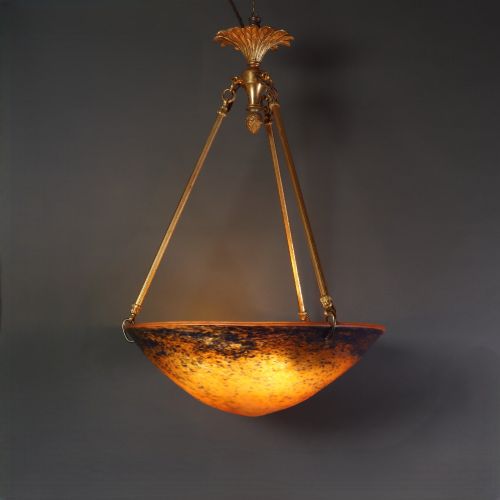
- A shallow ceiling light designed to sit close to the ceiling surface. These fixtures often feature moulded art glass held within a metal mount.
- Birdcage chandelier
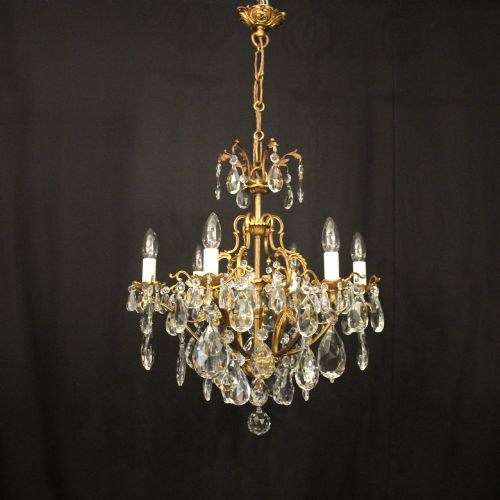
- A lighting fixture featuring a curved metal framework resembling a birdcage, typically draped with crystal strands and drops. This form is common in French interior lighting.
- Fob
- A small ornament attached to a ribbon or chain, such as a swivel seal or pendant. These miniature items frequently incorporate hardstones like carnelian set in metal frames.
Gilt Metal Pendant: Frequently Asked Questions
What periods do these pieces come from?
The items span several eras, including the Georgian period, the nineteenth century, and early twentieth-century decades up to 1930. Art Deco, French Rococo, and Italian Florentine styles are well represented.
Specific design cues, such as the streamlined profiles of the 1920s or the elaborate casting of earlier decades, help distinguish the manufacturing period.
How are gilt metal pendants cleaned?
Dusting with a soft, dry cloth maintains the surface of the metal and glass without disturbing delicate wirework. Harsh chemical cleaners should be avoided to protect the gilded finish.
Crystal drops can sometimes be washed individually in warm soapy water if they are detached from the frame.
Where were these items originally made?
The listings show a strong concentration of French and Italian origins, particularly from centres known for decorative metalwork and glass production. Styles range from French country and chateau designs to ornate Italian baroque forms.
Workshops in these regions produced both domestic lighting and portable items like portrait miniatures and fobs.
What materials accompany the gilt metal?
Glass and crystal feature prominently, appearing as cut prisms, beads, drops, and moulded shades. Porcelain flowers, toleware, and hardstones also appear as secondary decorative elements.
These materials combine with brass, bronze, and plated metal alloys to create varied reflective qualities.