

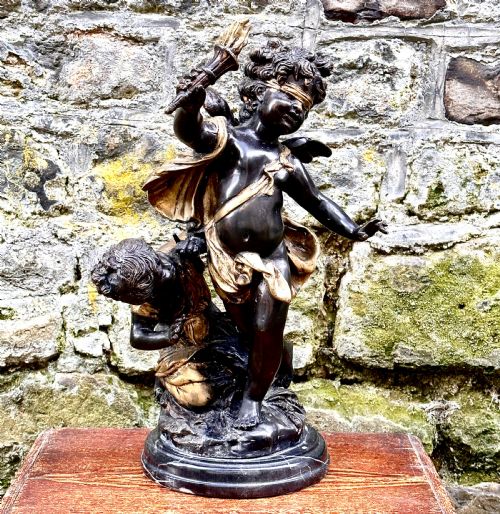
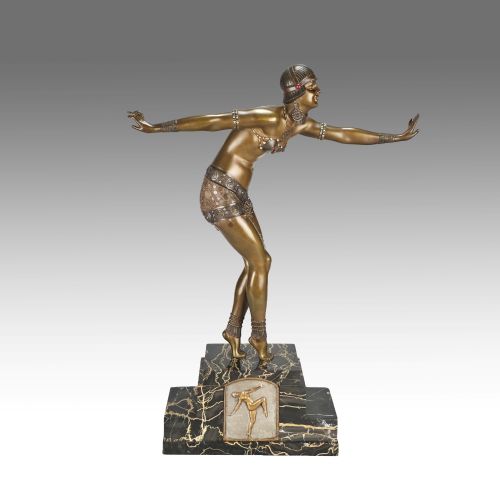
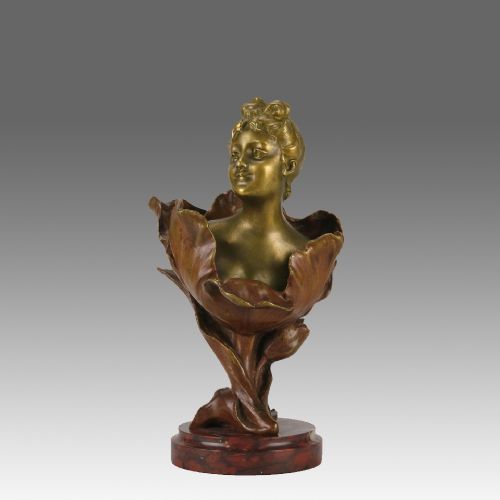

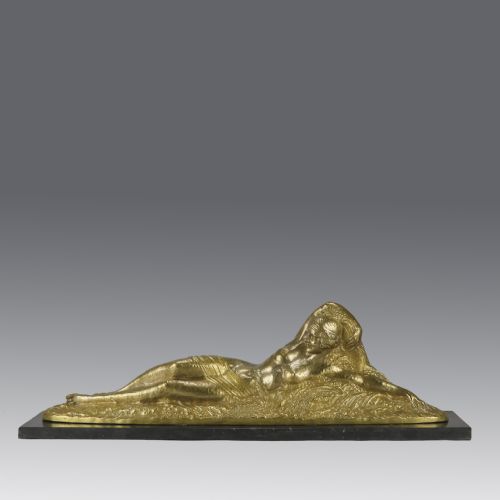
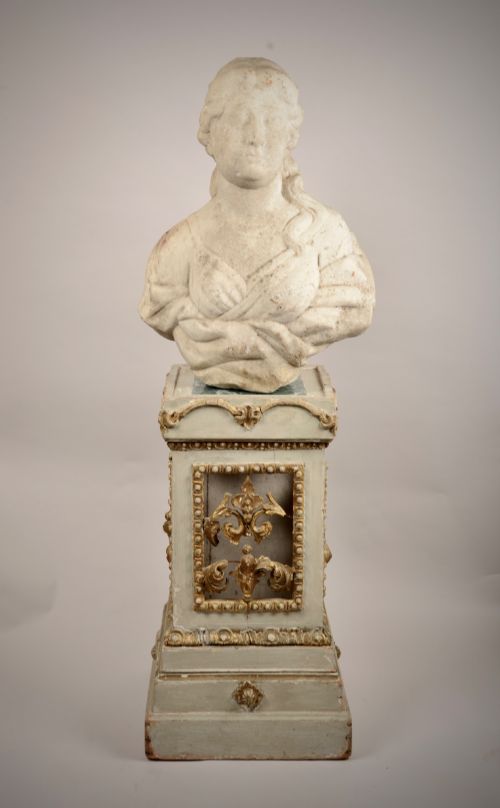

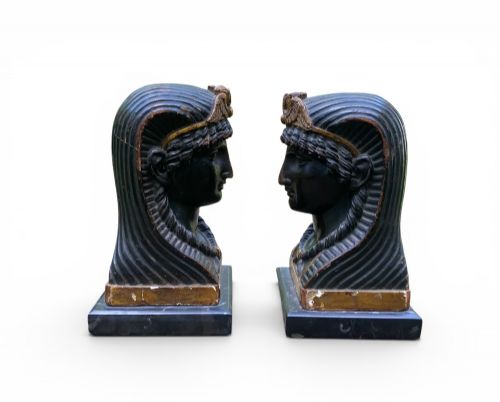
Gilt Marble Sculpture
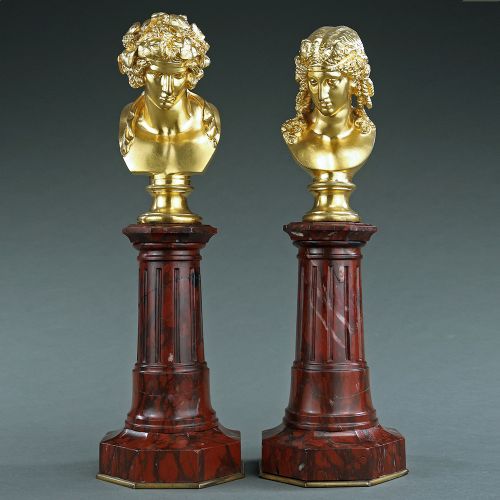
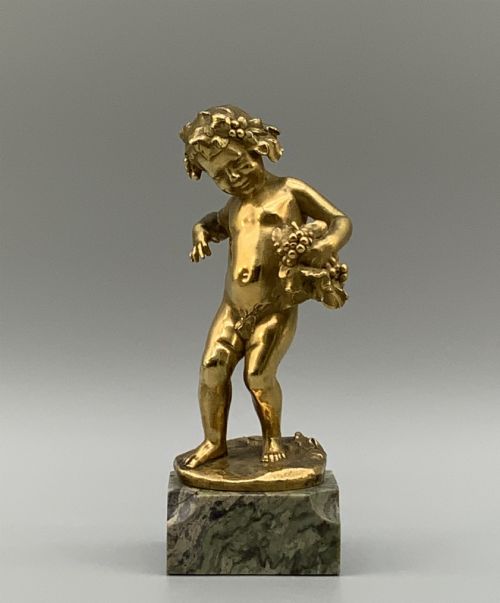
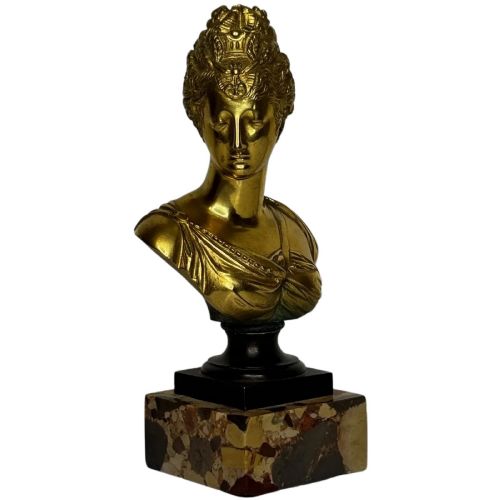
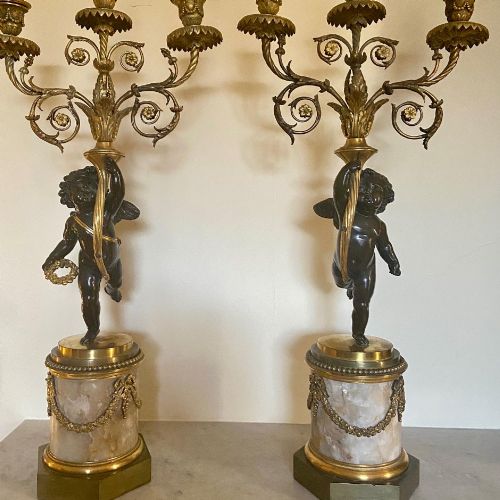
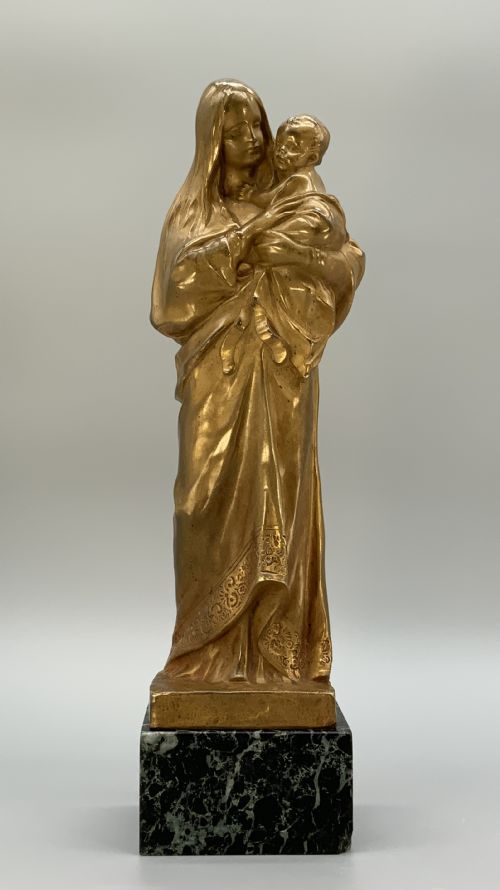
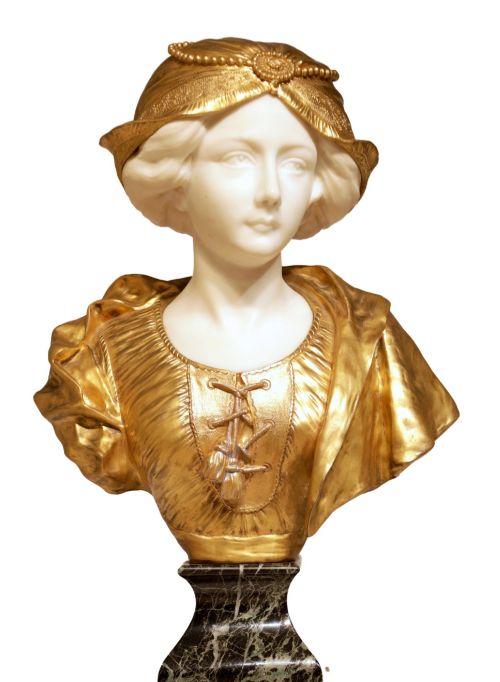
These gilt marble sculpture pieces unite heavy stone bases with gilded bronze figures, offering a striking display of classical form.
Gilt Marble Sculpture
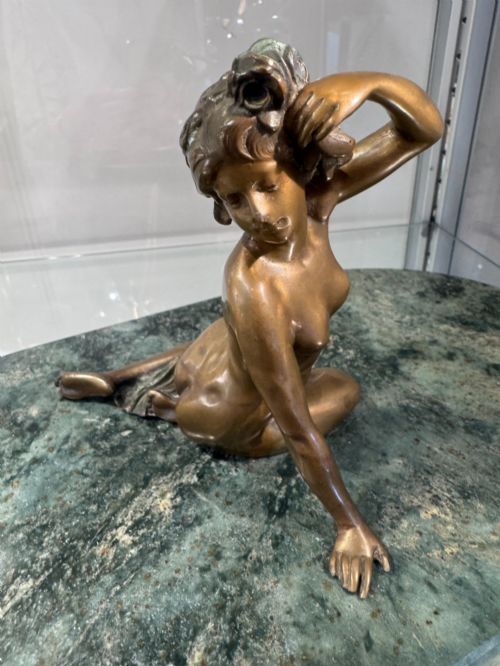
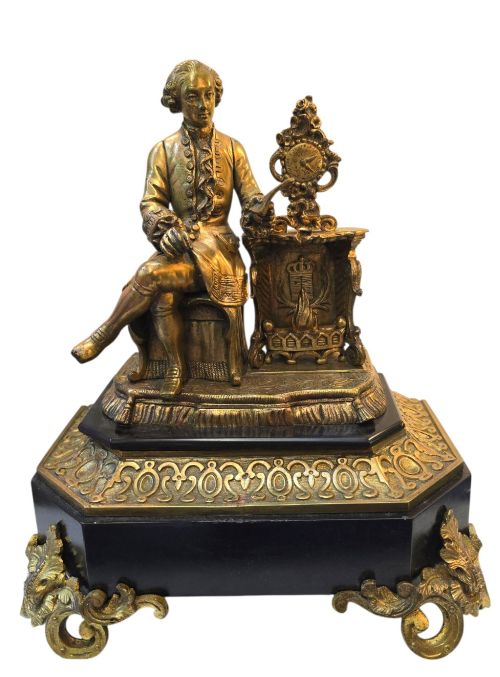
When you search for gilt marble sculpture, you encounter a mix of figural bronzes, portrait busts, and decorative objects mounted upon stone plinths or columns.
The most common examples on this page date from the nineteenth century and the early twentieth century, spanning Neoclassical, Art Nouveau, and Art Deco aesthetics.
Many items combine carved marble, onyx, or fluorspar with cast metal elements finished in ormolu or gilt bronze.
Materials and construction
Foundry workers shaped bronze figures through lost-wax casting before applying mercury gilding or ormolu finishes to create the golden surfaces.
Masons turned and polished natural stone such as marble and onyx to form columns, pedestals, and sturdy display bases.
Craftsmen joined the metal components to the stone mounts using threaded bolts or pins fitted directly into the heavy bases.
Gilt Marble Sculpture Retail Price Guide 2026
Typical asking prices for gilt marble sculpture among the pieces listed under this phrase on Sellingantiques today, from the lower quarter to the upper quarter. They describe what is for sale here now, not the wider market.
Listings feature items spanning the seventeenth century through to the Art Deco era, incorporating materials like satinwood, onyx, and gilded bronze.
Judging the work
Quality rests in the crispness of the bronze chasing and the depth of the hand-applied mercury gilding across drapery and hair.
Stone selection plays a major role, with uniform veining and fine polishing distinguishing superior marble columns and bases from plain blocks.
Charles Louis Malric·Hans Müller·Affortunato Gory·Demetre Chiparus·Henri Godet·Thomas Hope·Carrier-Belleuse·Ernst Barrias·Ferdinand Preiss·Vincenzo Gemito·Jean Jacques Pradier·Victor Paillard
The Gilt Marble Sculpture Glossary
- Ormolu
- Ground gold amalgamated with mercury, applied to bronze and heated to drive off the mercury, leaving a durable golden coating. This technique defines nineteenth-century French decorative metalwork.
- Chryselephantine
- Sculpture constructed from carved ivory combined with bronze or stone. Artists utilised this method extensively during the Art Deco period.
- Patinated
- The surface colour developed on bronze through age or chemical treatment, ranging from deep brown to dark green. It protects the metal and adds visual depth.
- Grand Tour
- Souvenirs purchased by travellers on educational journeys through Europe during the eighteenth and nineteenth centuries. These items typically replicate classical antiquities in bronze and marble.
Gilt Marble Sculpture: Frequently Asked Questions
How do I clean gilt bronze?
Dust the gilded surfaces gently with a soft, dry brush to prevent dirt accumulation.
Avoid commercial metal cleaners, as abrasive compounds strip the delicate gold layer from the bronze underneath.
Are these marble bases original?
Nineteenth-century sculpture mounts were often paired specifically to highlight the bronze figures above them.
Inspect the fit between the metal pin and the stone hole to check if the components were joined during the period of manufacture.
Where should I place a heavy pedestal?
Position stone columns and heavy pedestals on solid flooring to adequately support their considerable weight.
Keep them away from direct heat sources to prevent the natural stone and internal mounting pins from shifting over time.