





Gilt Gesso Moulding
These pieces of gilt gesso moulding bring historical depth and gilded surface texture to period interiors through carved wooden frames and mirrors.
Gilt Gesso Moulding
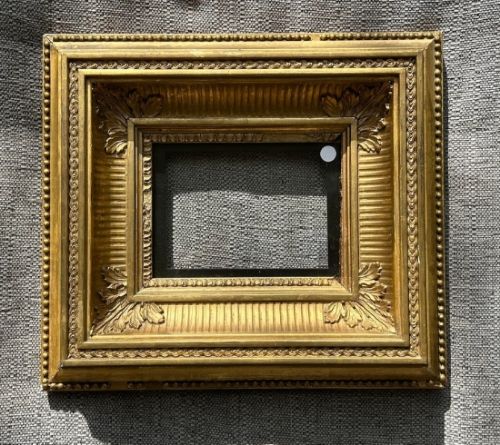
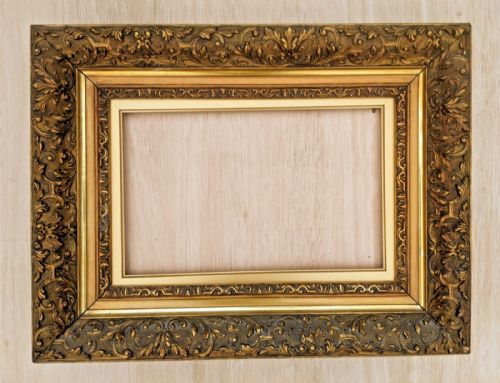
When you search for gilt gesso moulding, you encounter decorative architectural framing elements, picture frames, and wall mirrors. The selection on this page consists predominantly of Victorian pieces, alongside a seventeenth-century picture frame and nineteenth-century European and Regency examples.
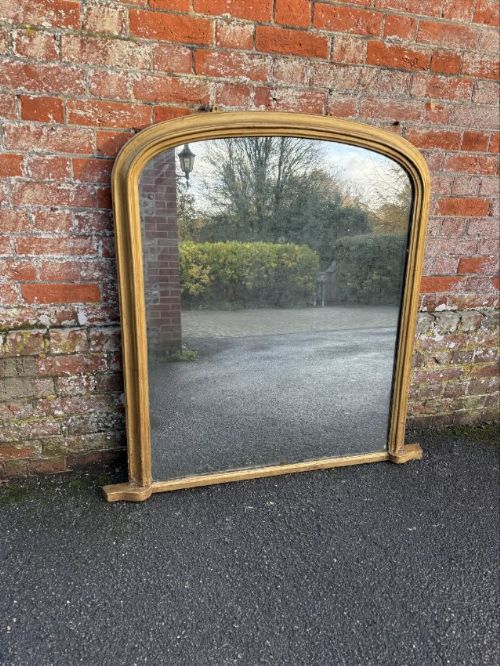
The forms span deep picture frames, arched top overmantel mirrors, and oval mirrors. These items function as wall hangings and overmantel centrepieces, retaining their original decorative purpose.
Origins represented in the evidence include English and broader nineteenth-century European workshops. The majority of items date from the Victorian era, spanning decades such as eighteen sixty, eighteen seventy, and eighteen ninety.
How they were made
Maker construction relies on carved wood foundations coated in gesso, a plaster-like mixture built up to receive surface enrichment. Artisans then applied gold leaf or silver leaf to the prepared gesso surfaces.
Finishing techniques recorded in the inventory include sand finish applications and fluted hollow profiles. Carved wood and mirror glass combine with the gesso and leaf layers to complete the frames and overmantel mirrors.
Gilt Gesso Moulding Retail Price Guide 2026
Typical asking prices for gilt gesso moulding among the pieces listed under this phrase on Sellingantiques today, from the lower quarter to the upper quarter. They describe what is for sale here now, not the wider market.
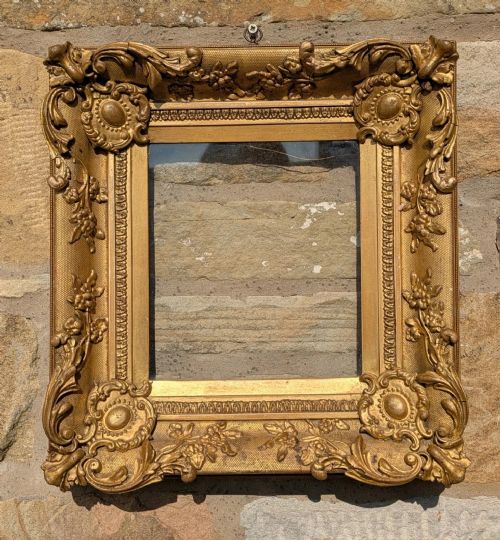
Listings on this site feature items spanning from the seventeenth century through to the late nineteenth century, including Victorian Rococo Revival and French Baroque styles.
What varies in quality
Quality differences emerge in the depth of the carved wooden substrate and the crispness of the moulded gesso ornamentation. Deeper profiles and more elaborate execution distinguish the higher end of the range from simpler mouldings.
The application and preservation of the gold leaf or silver leaf also determine the visual impact of each piece. Intact leaf layers with original burnishing and minimal surface disturbance separate better-preserved examples from worn pieces.
The Gilt Gesso Moulding Glossary
- Gesso
- A plaster preparation applied to wood as a base for gilding. It provides a smooth or moulded surface that holds fine detail.
- Giltwood
- Wood that has been coated with gold leaf. This material forms the primary structure of many historical frames and mirrors.
- Overmantel mirror
- A large mirror designed to hang above a fireplace mantel. These pieces often feature architectural arches and substantial framing.
- Sand finish
- A textured surface treatment where fine sand is embedded in the gesso or paint layer. It creates a matte, light-absorbing contrast against bright gilding.
Gilt Gesso Moulding: Frequently Asked Questions
What is gilt gesso moulding?
Gilt gesso moulding refers to decorative wooden framing or architectural trim coated in prepared plaster and finished with gold or silver leaf.
Items of this type are typically found on historical picture frames and mirrors from the seventeenth to the nineteenth centuries.
How do I hang a heavy overmantel mirror?
Large overmantel mirrors require secure wall fixings anchored directly into masonry or substantial timber studs behind the plaster.
Due to the combined weight of the wood, gesso, glass, and leaf layers, professional installation ensures the piece remains safely supported.
How do I clean a gilt gesso frame?
Dust these surfaces gently using a soft, dry brush without applying moisture or cleaning solvents that can dissolve historical finishes.
Gilded gesso is sensitive to liquid and physical abrasion, so minimal intervention preserves the original leaf and substrate.
How can I tell a Victorian frame apart from earlier styles?
Victorian pieces often display revival styles such as Rococo or French Baroque alongside characteristic nineteenth-century proportions and moulded details.
Comparing the backing timber, construction fixings, and gesso composition helps distinguish Victorian manufacture from seventeenth-century or Regency examples.