

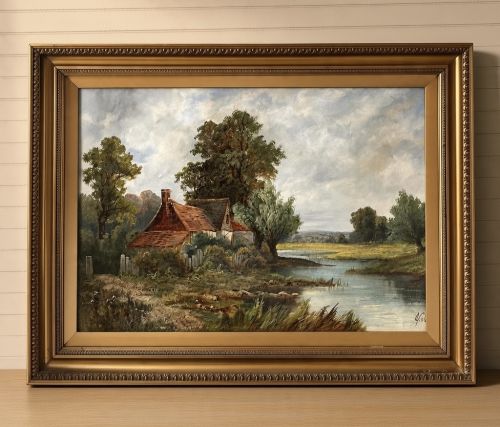
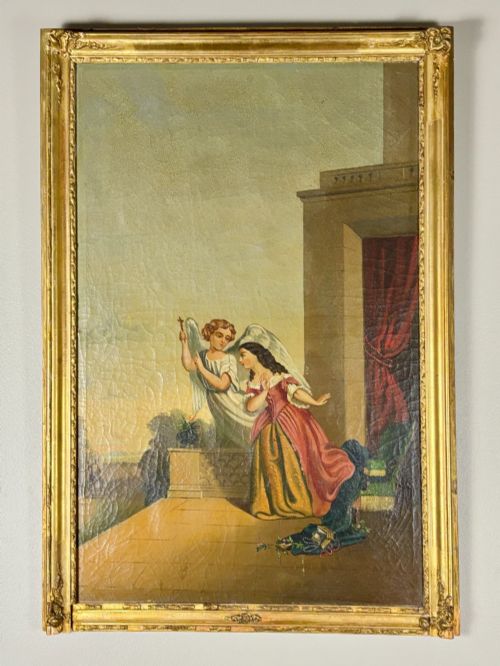
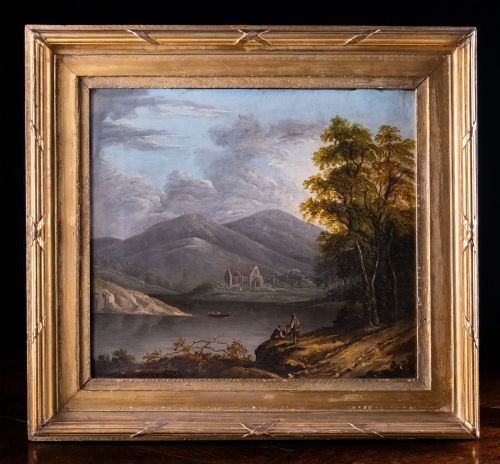
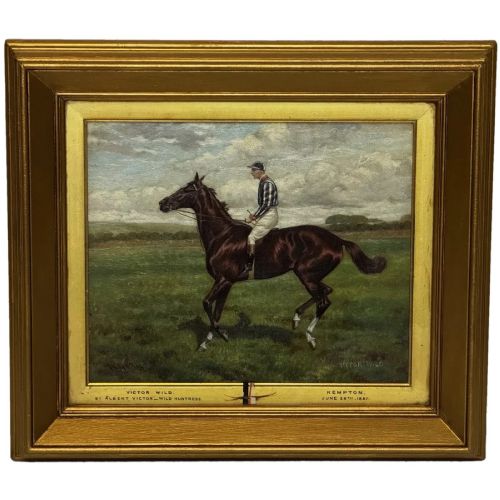
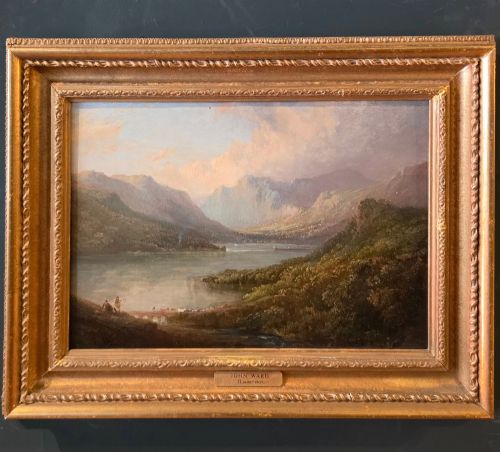
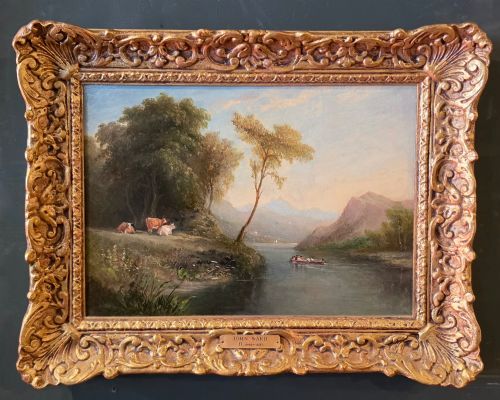
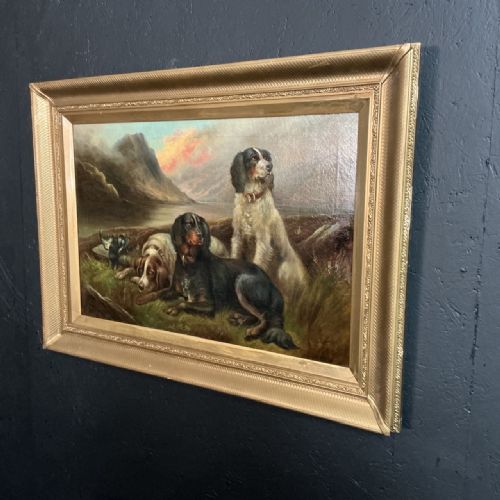
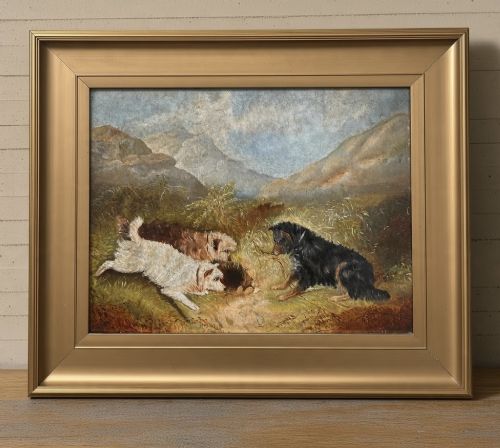
Gilt Framed Oil Picture
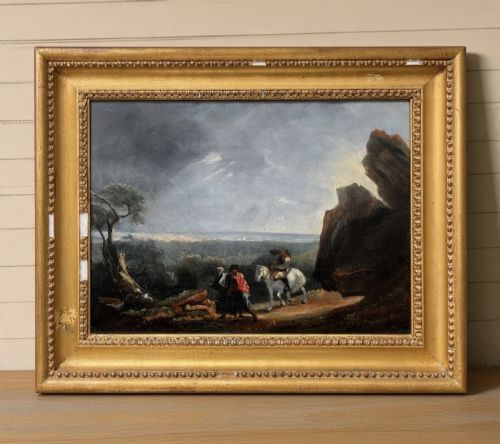
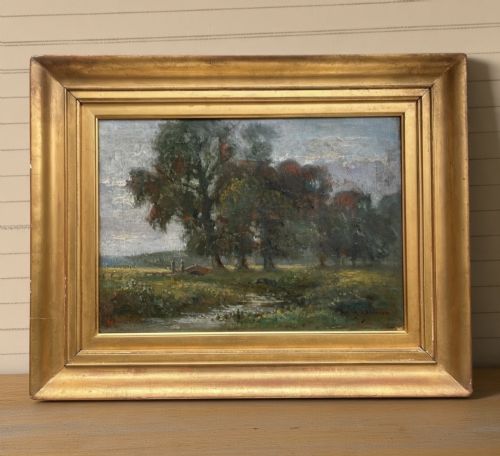
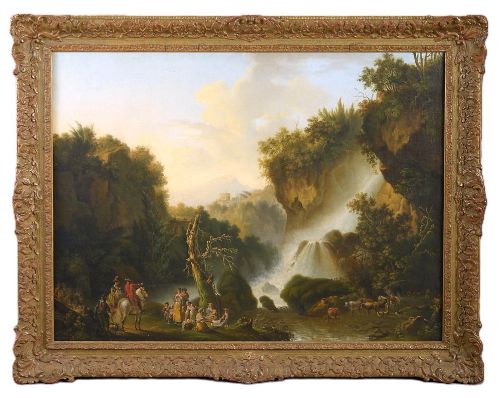
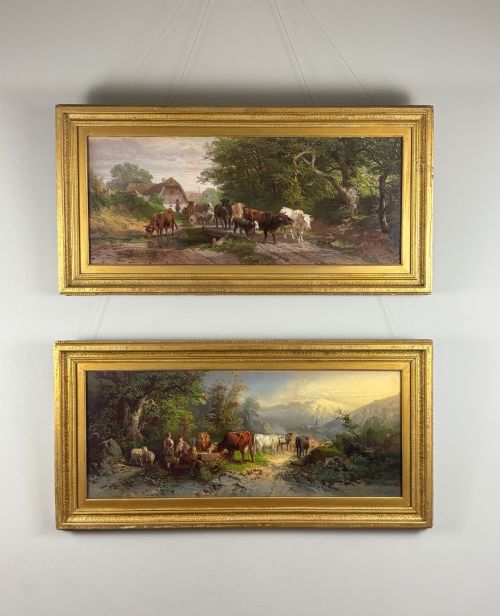
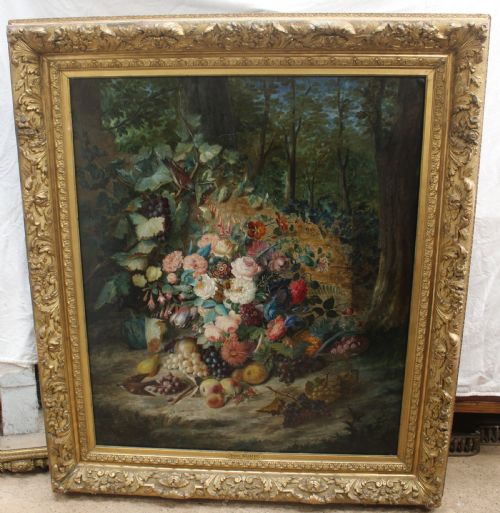
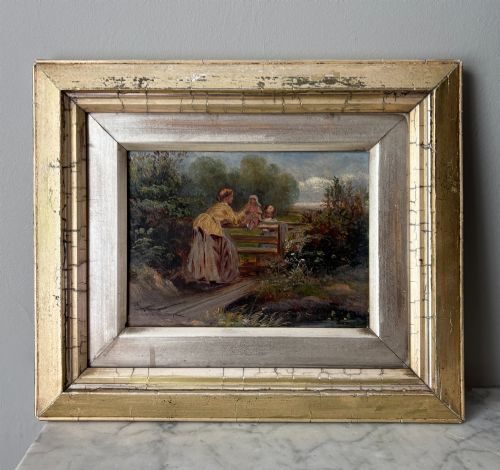
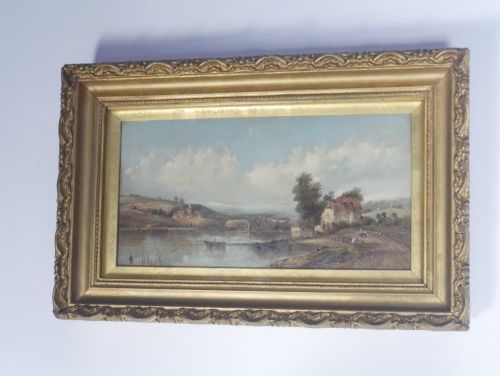
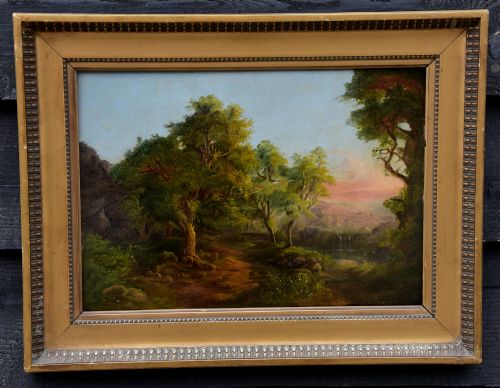
These gilt framed oil picture examples span the eighteenth century to the mid-century, bringing canvas and board works housed in carved wood and gesso.
Gilt Framed Oil Picture
When searching for a gilt framed oil picture, buyers encounter works ranging from eighteenth-century landscapes and portraits to nineteenth-century sporting art, marine scenes, and mid-century British and Dutch school compositions.
The objects combine an oil painting on canvas, board, or panel with a decorative frame, often constructed from wood and finished with gesso and gold leaf.
The selection includes pieces spanning the Victorian and Edwardian eras alongside Regency, Baroque, and mid-century modern examples.
How They Were Made
Painters applied oil paint to stretched canvas, wooden board, or panel substrates, creating landscapes, portraits, and still lifes.
Makers constructed frames from wood, applying layers of gesso to build up decorative mouldings before finishing the surface with gold leaf or giltwood.
Gilt Framed Oil Picture Retail Price Guide 2026
Typical asking prices for gilt framed oil picture among the pieces listed under this phrase on Sellingantiques today, from the lower quarter to the upper quarter. They describe what is for sale here now, not the wider market.
Several canvases capture unexpected subjects, including terriers ratting, foxes hunted side-saddle, and children ice-skating under Dutch winter skies.
What Varies In Quality
The standard of execution in the painted surface distinguishes the works, with finer brushwork, anatomical precision, and atmospheric depth separating accomplished artistry from simpler vernacular production.
Frame construction also dictates quality, where deeply carved giltwood and gesso mouldings provide greater substance than flat or later replacement surrounds.
Alfred Charles Havell·Fred Solway Merriman·Johann Philipp Hackert·Johann Friedrich Voltz·George Armfield·Miles Birkett Foster·James Albert Clark·Edwin Marsh·Emily Eyres·Andrew Beer·Moss Williams·Achille Bron·Ernest Rigg·Robert Gallon·Kathleen Winifred Molesworth·Lionel Ellis·Sebastiano del Piombo
The Gilt Framed Oil Picture Glossary
- Gesso
- A plaster-like mixture applied to wood frames to create a smooth surface for gilding. It allows craftsmen to carve intricate relief details before applying gold leaf.
- Giltwood
- Wood carved and coated with gold leaf or metallic powder. It forms the structural and decorative housing for traditional paintings.
- Oil on Canvas
- Pigment suspended in drying oil applied to a woven fabric support. This combination provides flexibility and texture durability for the artist.
- Primitive Landscape
- A painting style characterised by a naive perspective and direct application. These works often originate from provincial or amateur artists working in the early nineteenth century.
- Dutch School
- A regional designation covering painting traditions originating in the Netherlands. Works in this manner frequently depict winter landscapes, ice skaters, or domestic interior scenes.
Gilt Framed Oil Picture: Frequently Asked Questions
How do I date a gilt framed oil picture?
Dating relies on stylistic markers within the painting, such as costume, pigment use, and subject matter, combined with the construction methods of the frame. Wood types, stretcher frames, and gesso application offer further chronological clues.
Examining the back of the canvas or board often reveals old labels, stamps, or inscriptions that help establish the period of creation.
Where should I hang an oil painting?
Oil paintings benefit from placement away from direct sunlight and fluctuating heat sources like radiators. Stable indoor environments protect both the canvas and the gilt frame from cracking.
Consider eye-level positioning where adequate ambient light reveals the brushwork without causing excessive glare on the varnished surface.
What is the difference between canvas and board?
Canvas consists of fabric stretched over a wooden frame, offering slight give and a textured surface for the oil paint. Board or panel refers to a rigid wooden or composition support.
Rigid panels were frequently utilised for smaller works and outdoor sketching sessions, providing a stable foundation that resists punctures.
How are antique frames cleaned?
Cleaning gilt frames requires dry, gentle methods to avoid removing the delicate gold leaf layer. Soft brushes remove accumulated dust from deep mouldings and gesso details.
Moisture and commercial solvents should be avoided unless handled by a professional restorer, as they can strip the historic gilding.