



Gilt Ceramic Pitcher
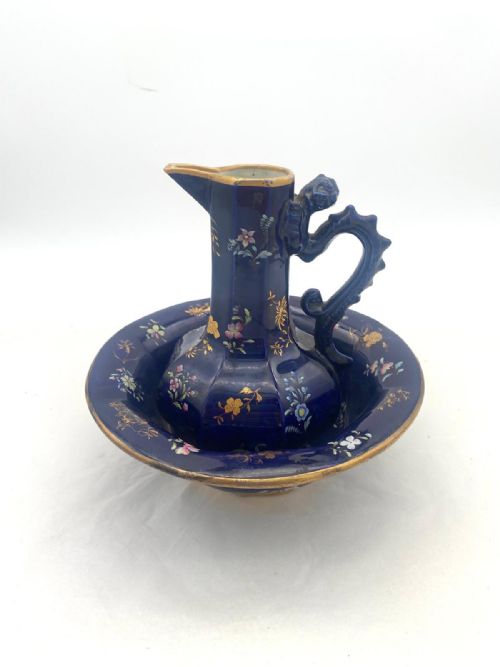
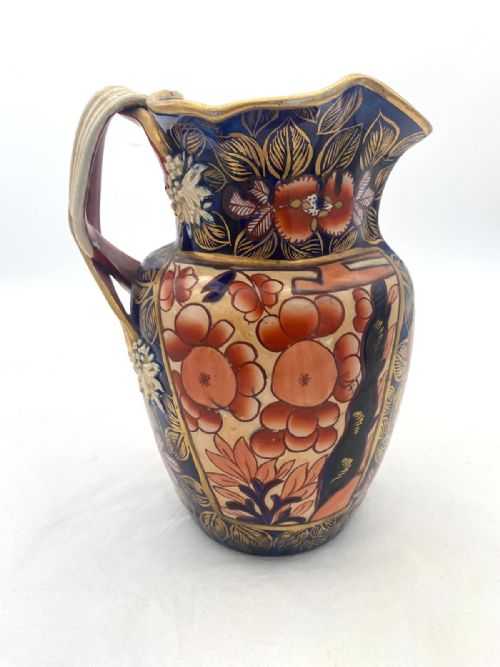
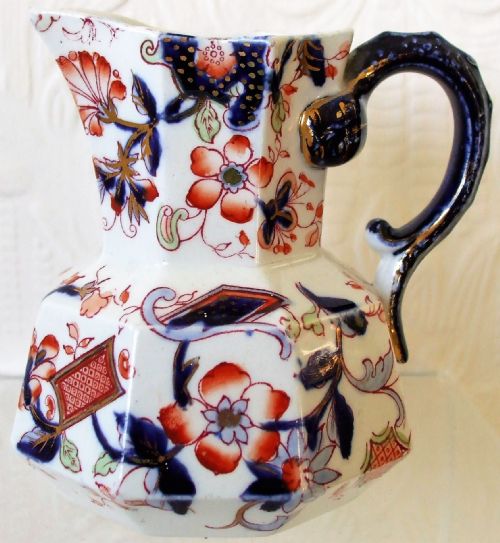
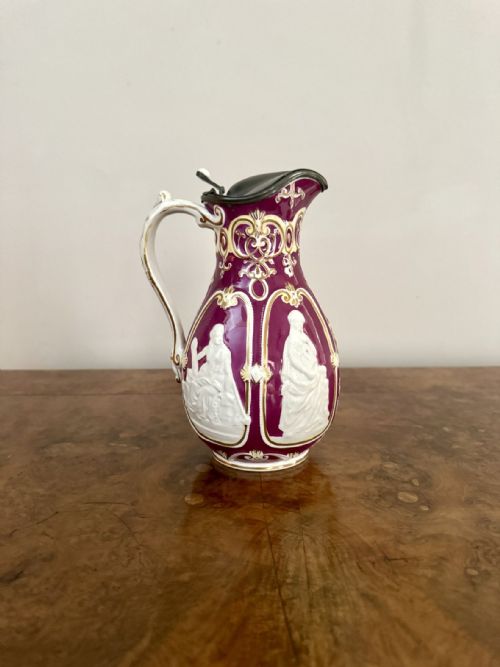
A gilt ceramic pitcher brings nineteenth-century craftsmanship and gleaming metallic highlights straight to the display cabinet or table.
Gilt Ceramic Pitcher
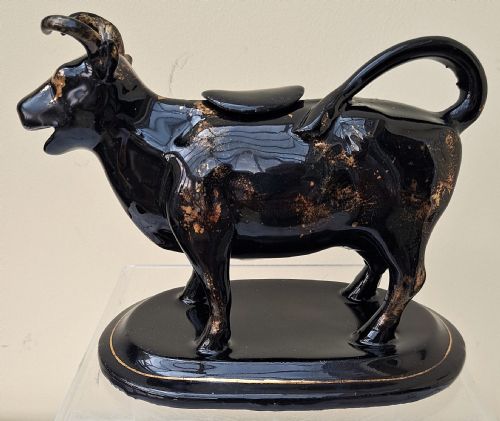
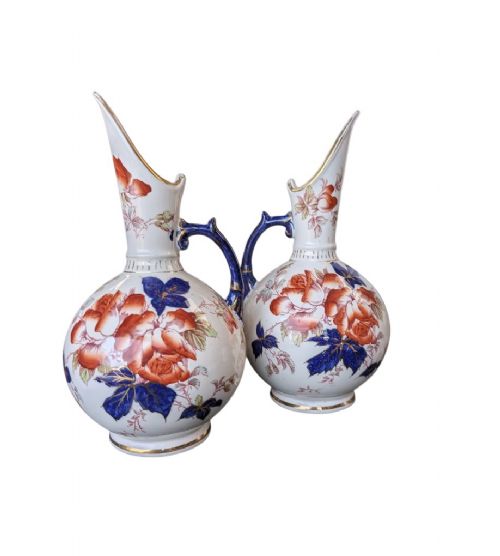
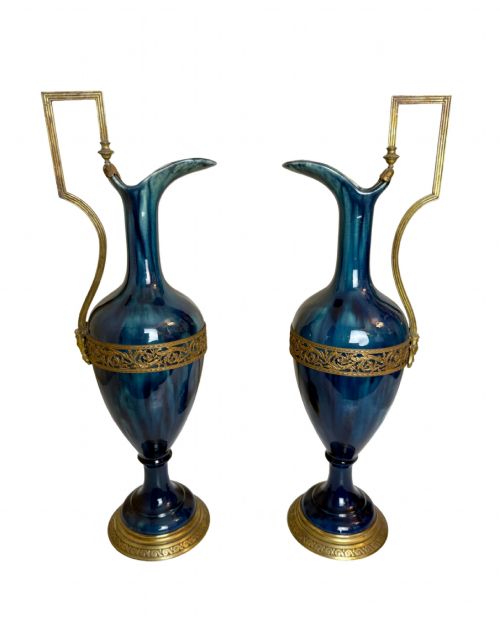
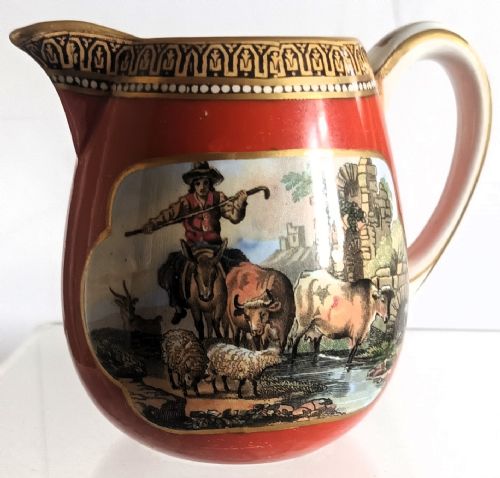
A gilt ceramic pitcher is a functional or decorative vessel designed in ceramic materials and enriched with gold leaf or gilding. When searching for a gilt ceramic pitcher, buyers encounter forms ranging from water jugs and cream jugs to decorative ewers.
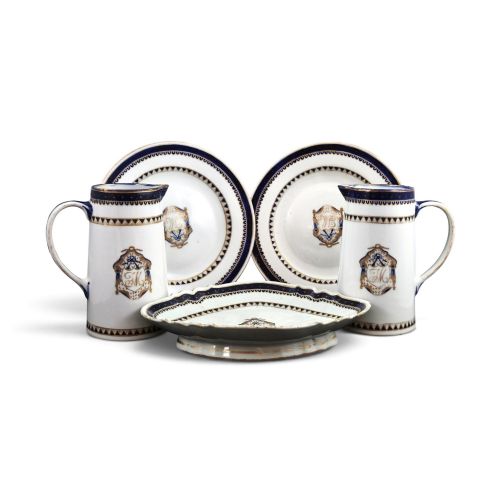
The pieces appearing on this page span the nineteenth century, Victorian, Edwardian, and mid-century periods. Common origins include English potteries such as Royal Worcester, Mason's, and Doulton, alongside continental European porcelain and earthenware.
How They Were Made
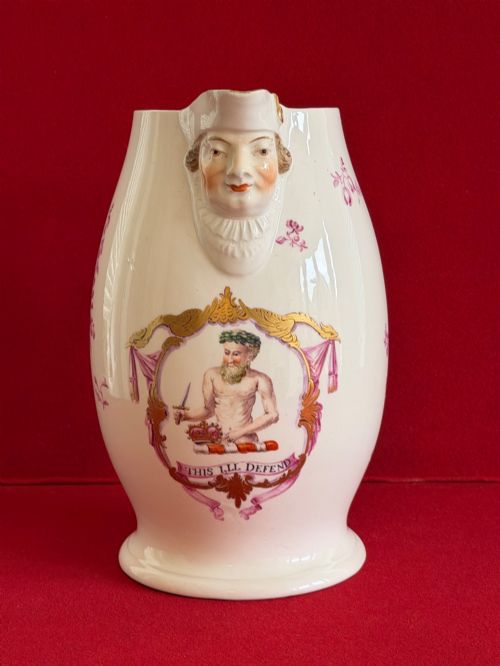
These vessels utilise ceramic bodies such as porcelain, ironstone, and earthenware shaped into jugs and ewers. Potters applied glazes and painted surfaces by hand, incorporating cobalt blue grounds, botanical designs, or figural motifs.
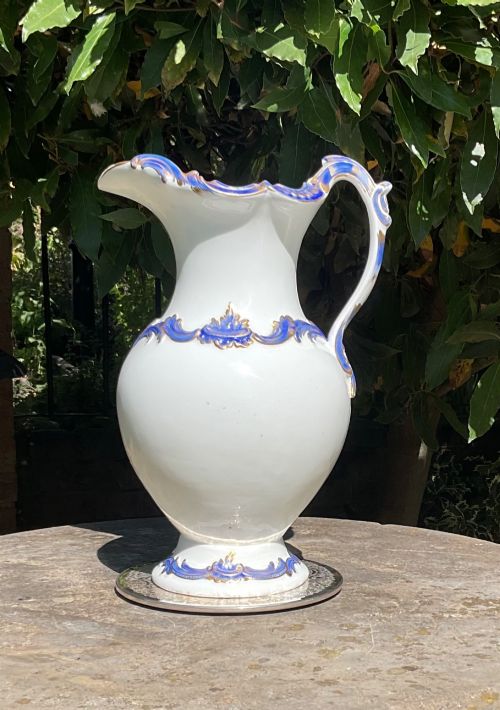
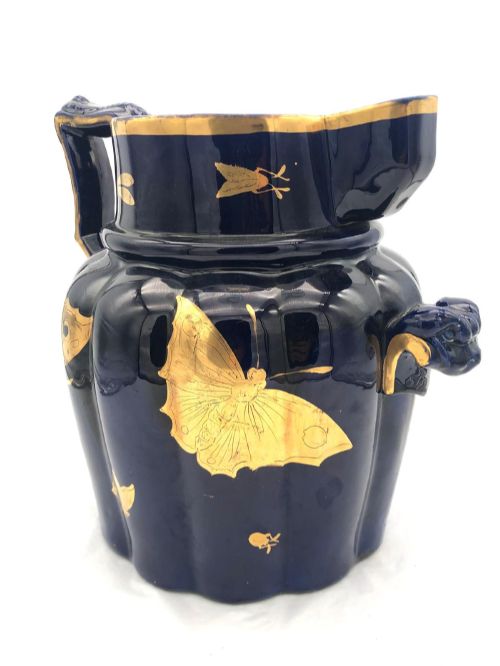
Gold leaf and metallic gilding were applied to rims, handles, and bodies, sometimes paired with gilt bronze trim. Firing techniques fixed the glaze and fixed the metal accents to the ceramic surface.
Gilt Ceramic Pitcher Retail Price Guide 2026
Typical asking prices for gilt ceramic pitcher among the pieces listed under this phrase on Sellingantiques today, from the lower quarter to the upper quarter. They describe what is for sale here now, not the wider market.
Listings feature porcelain, ironstone, and earthenware vessels decorated with hand-applied gilding across the nineteenth and twentieth centuries.
What Varies in Quality
Quality rests in the crispness of the ceramic moulding and the precision of the hand-painted decoration. Finely rendered details on pieces by established makers stand apart from simpler utilitarian wares.
The application of the gilding itself defines the upper tier of the range. Intact, burnished gold leaf and intricate reticulated or moulded handles elevate a vessel above standard production pieces.
Mason's Ironstone·Royal Worcester·Doulton Burslem·Chamberlain Worcester·Keeling And Co
The Gilt Ceramic Pitcher Glossary
- Ewer
- A large jug with a wide spout and handle, traditionally used for pouring water or wine. Many decorative examples functioned purely as display pieces.
- Ironstone
- A heavy, durable type of earthenware patented in the nineteenth century. It provided a strong body for transfer-printed and hand-painted tableware.
- Gilding
- The application of gold leaf or gold powder to the surface of ceramics. This finish highlights rims, handles, and painted motifs.
- Reticulated
- Decorated with an openwork pattern resembling a net or lattice. Porcelains feature this technique on necks and bodies.
Gilt Ceramic Pitcher: Frequently Asked Questions
What is a gilt ceramic pitcher used for?
These vessels served practical roles as water jugs, cream jugs, and wash set components in period homes. They also functioned as decorative ewers displayed on sideboards and tables.
Over time, many shifted entirely from utility to decorative display. Their painted designs and metallic accents suited them for formal rooms.
How do I identify Victorian pieces?
Victorian examples often feature characteristic nineteenth-century aesthetic styles, ironstone bodies, or floral hand-painted motifs. Look for period manufacturing marks on the base where available.
Potteries active during this reign produced distinctive shapes like the schoolhouse pattern or aesthetic movement jugs.
Are these pitchers waterproof?
Most ceramic pitchers were designed to hold liquids such as water, cream, or wine during daily use. Glazed earthenware and porcelain interiors successfully contain water.
Pieces with delicate overglaze gilding or intricate reticulation are better suited for display. Hand washing preserves the metallic surface over time.
What styles are common?
Styles range from Georgian and Regency forms to Victorian aesthetic movement and Edwardian designs. Chinoiserie and French neoclassical influences also appear frequently across the period.
Painters drew inspiration from nature, utilising botanical studies and still-life fruit scenes on the ceramic surfaces.