


Gilt Bronze Fitting
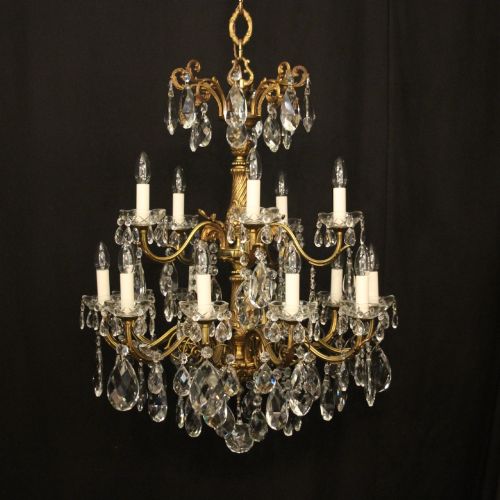
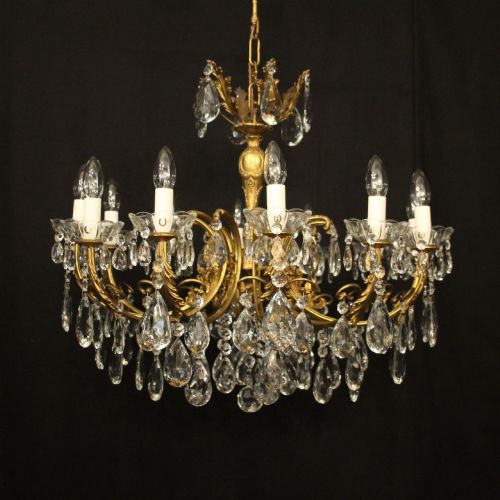
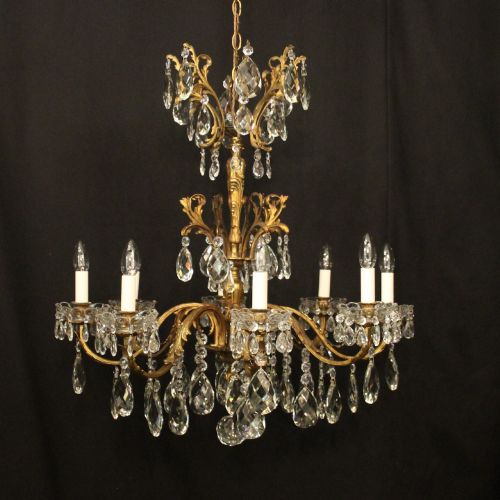
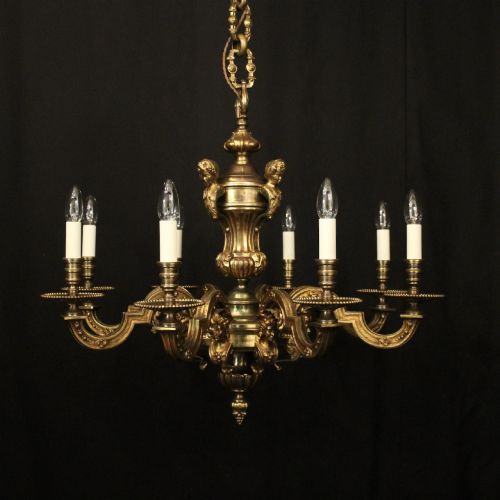
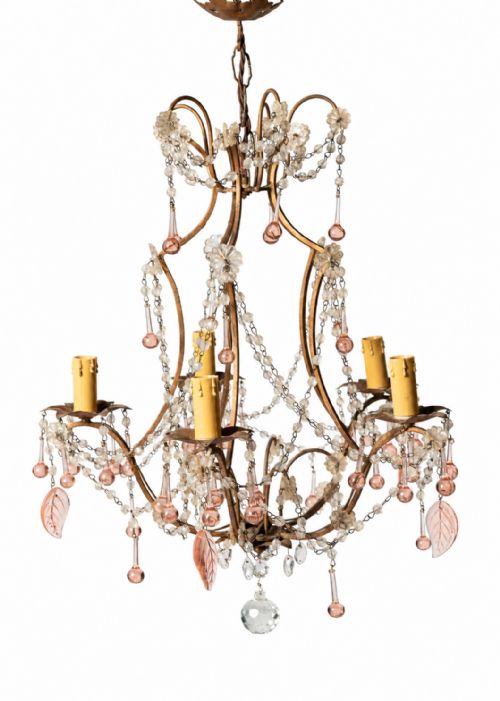
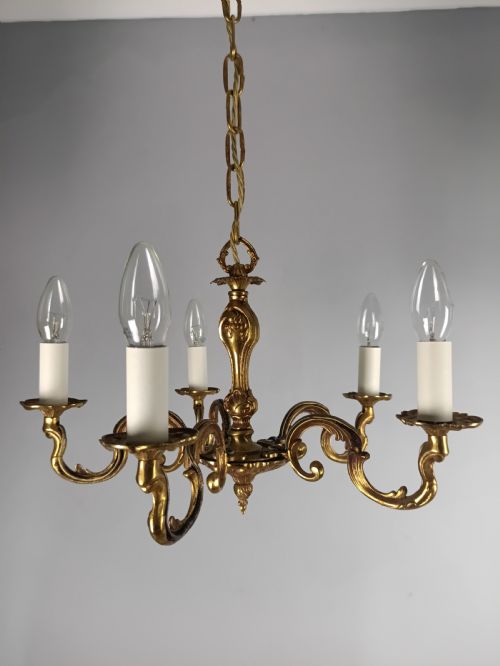
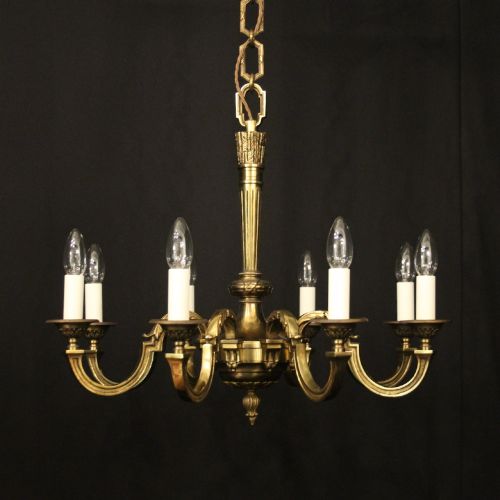
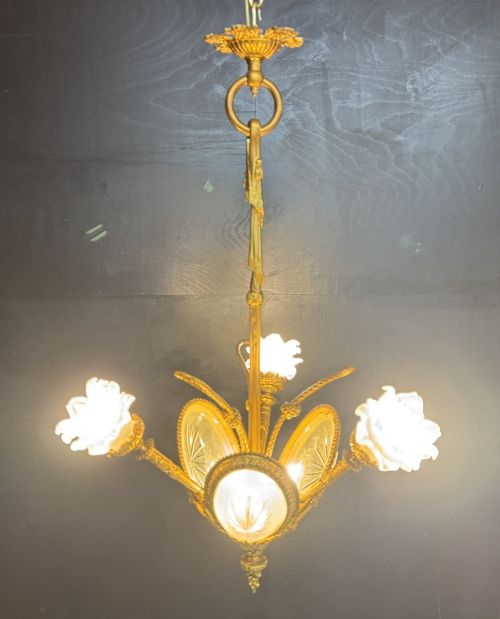
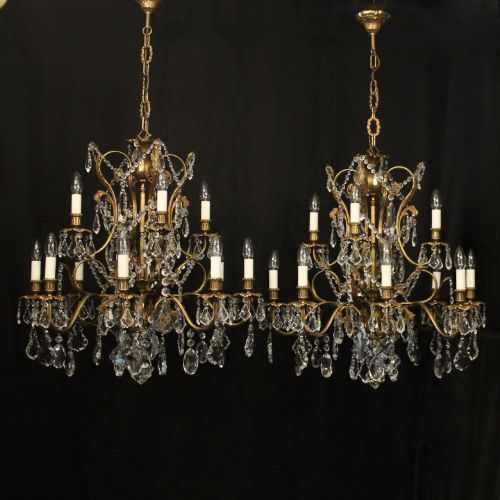
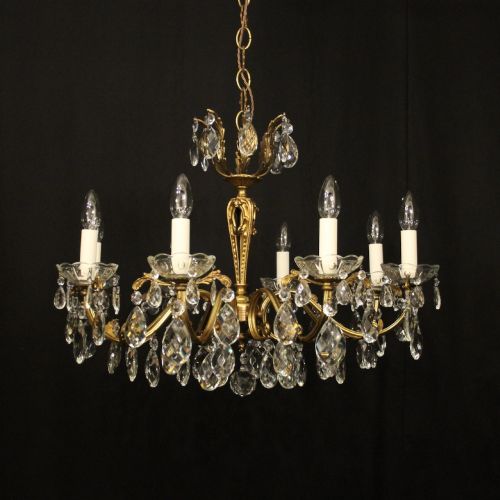
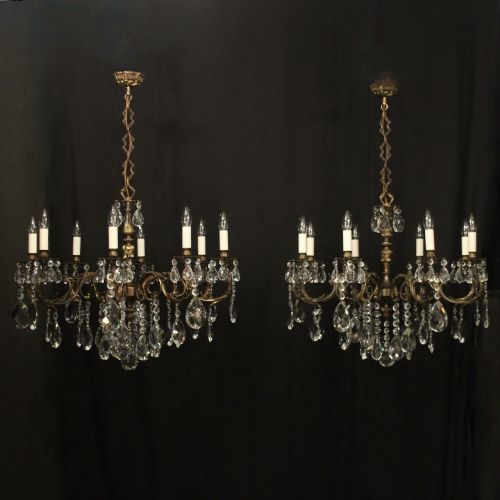
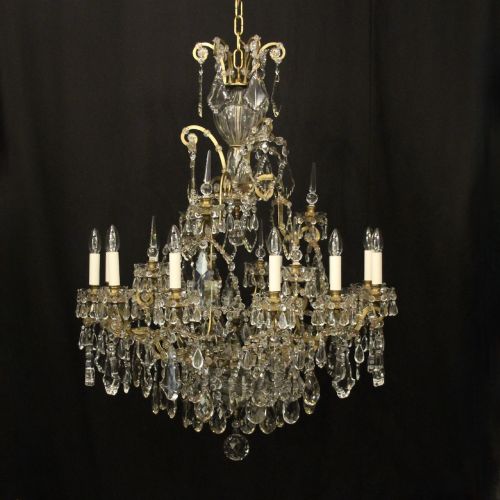
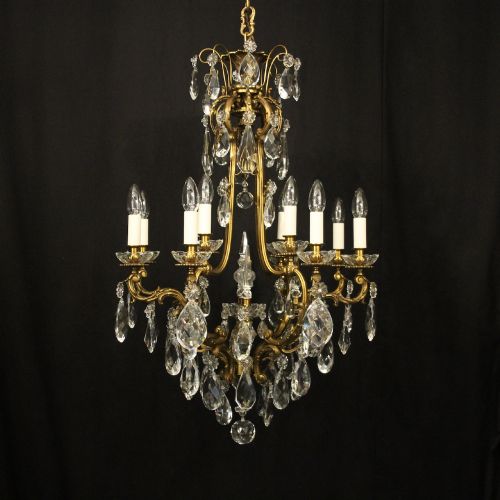
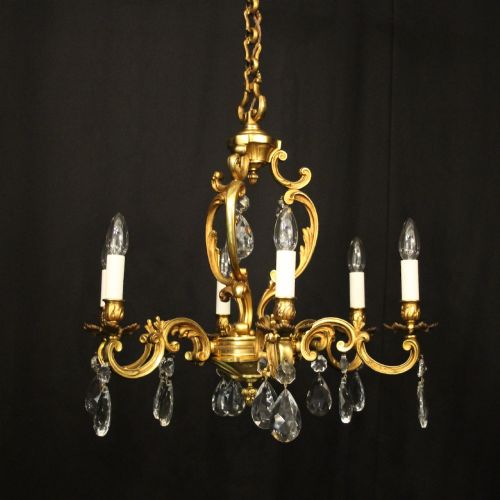
These gilt bronze fitting examples bring French decorative lighting and metalwork into rooms through cast bronze, crystal drops and polished ormolu.
Gilt Bronze Fitting
A gilt bronze fitting encompasses cast metal components and lighting structures from the nineteenth and early twentieth centuries. Buyers seeking these items typically encounter French chandeliers, wall lights, and lamps shaped by neoclassical, rococo, and empire aesthetics.
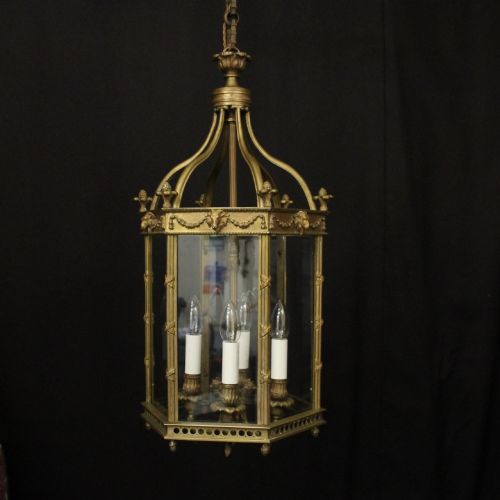
The selection on this page centres on multi-light chandeliers and wall lanterns originating from periods spanning the late nineteenth century through to the nineteen-thirties. Pieces frequently incorporate glass and crystal elements suspended alongside gilded metal arms and frames.
Materials and construction methods
Makers utilised bronze, brass, and ormolu as base metals for casting structural arms, backplates, and decorative mounts. These surfaces received mercury gilding or gold leaf application to achieve the characteristic warm metallic finish.
Cut glass and crystal prisms were hand-faceted and wired onto the metal frames using brass pins. Artisans combined these refractive elements with cast floral motifs, urns, and scrolling foliage typical of French chateau designs.
Gilt Bronze Fitting Retail Price Guide 2026
Typical asking prices for gilt bronze fitting among the pieces listed under this phrase on Sellingantiques today, from the lower quarter to the upper quarter. They describe what is for sale here now, not the wider market.
Pineapple motifs appear among the metalwork, bringing unexpected tropical symmetry to formal Edwardian interiors.
Assessing quality in metalwork and glass
Quality rests in the crispness of the bronze chasing and the depth of the mercury gilding. Finer castings retain sharp relief in leafwork and scroll patterns, whereas inferior examples show softer edges from worn moulds.
The integration of the crystal determines the visual weight of the fixture. Heavy, hand-cut glass prisms with sharp facets reflect light differently than machine-pressed drops, altering the presence of the completed piece.
G.E.C
The Gilt Bronze Fitting Glossary
- Ormolu
- Gilt bronze produced by applying a gold-mercury amalgam to a bronze base and heating it. This technique creates a durable, deep metallic lustre found on nineteenth-century French lighting.
- Chandelier
- A branched ceiling-mounted lighting fixture designed to hold multiple candles or bulbs. These structures often incorporate glass drops to amplify illumination.
- Neoclassical
- A style drawing inspiration from classical antiquity, favouring symmetry, urn motifs, and clean architectural lines. It appears frequently in late-nineteenth-century metalwork.
- Rococo
- An ornate design movement characterised by asymmetrical scrolls, shell motifs, and naturalistic curves. This style heavily influences many French lighting fixtures from the period.
- Hall lantern
- An enclosed ceiling fixture designed for entryways and corridors. These pieces protect the light source within glazed panels held by metal frames.
Gilt Bronze Fitting: Frequently Asked Questions
How do I clean a gilt bronze fitting?
Dust metal components gently with a soft dry cloth to protect the surface gilding. Avoid harsh chemical cleaners that strip historical finishes from the bronze.
Wash crystal drops separately in warm soapy water if removal is necessary. Ensure all parts dry completely before reattachment to the frame.
Are these fittings wired for modern electricity?
Many surviving pieces require rewiring to meet contemporary safety standards. Electricians can update internal wiring safely while preserving the exterior antique metalwork.
Original sockets may need replacement or conversion to accept standard modern bulbs. Consult a qualified professional before connecting older fixtures to mains power.
How do I identify French neoclassical style?
Neoclassical pieces display geometric balance, straight lines, and motifs derived from ancient Greek and Roman architecture. Look for urns, acanthus leaves, and symmetrical framing.
This aesthetic contrasts with the more asymmetrical and fluid curves of earlier rococo designs found in the same period.
What rooms suit a large multi-light chandelier?
Large multi-light fixtures require high ceilings and adequate structural support to bear their weight. Hallways, dining rooms, and principal reception spaces accommodate these dimensions best.
Ensure the drop height allows sufficient clearance beneath the lowest crystal pendant for everyday movement.