




Gilt Brass Plant Stand
These gilt brass plant stands bring a touch of continental elegance to any room, offering a raised platform to display your favourite botanicals.
Gilt Brass Plant Stand
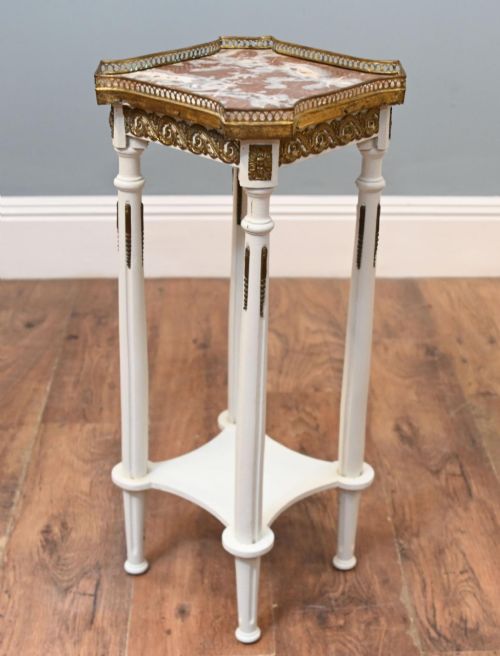
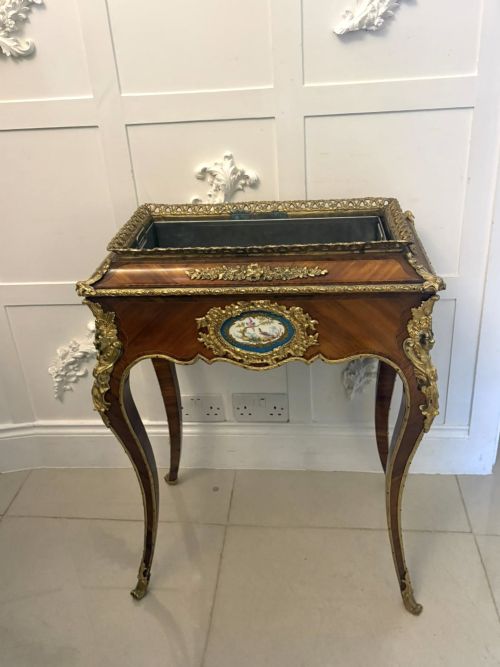
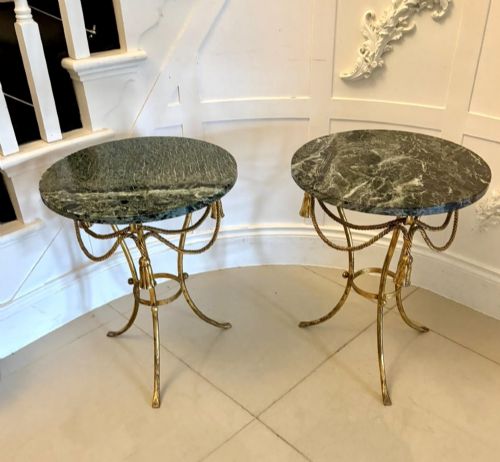
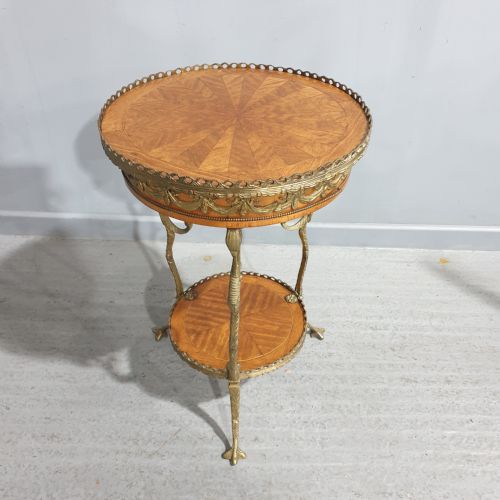
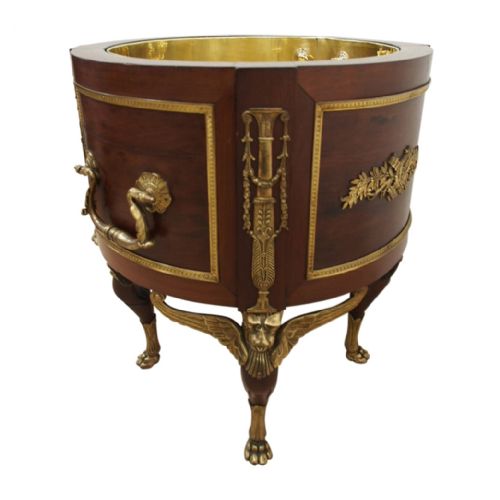
A gilt brass plant stand serves primarily as an elevated resting place for indoor greenery, combining structural metalwork with decorative surfaces. Examples on this page span the nineteenth and early twentieth centuries, drawing heavily on French and classical revival aesthetics. Forms range from dedicated jardiniere stands and planter tables to occasional tables and multi-tiered etageres.
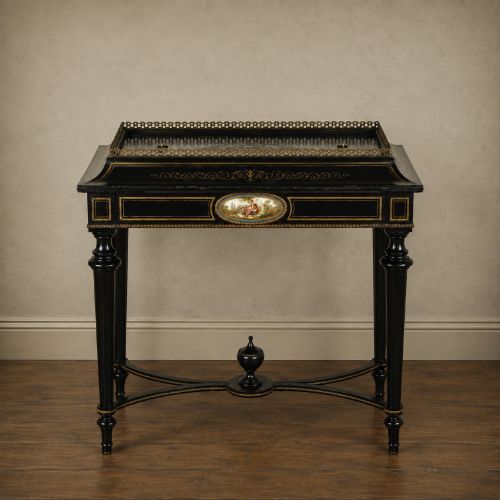
Makers of these pieces frequently integrated contrasting elements like marble tops, painted wood, and inset porcelain plaques. You will encounter styles such as Louis XV Revival, Belle Epoque, and Hollywood Regency among the current selection. Each piece balances utility with ornamental display, designed to catch the light in a hallway or drawing room.
How they were made
The construction relies heavily on a foundation of brass, ormolu, or gilt bronze, often mounted onto hardwood frames like mahogany and kingwood. Artisans shaped these metals through casting and chasing, applying fire gilding or electroplating to achieve a lasting golden sheen. Many examples incorporate polished marble inserts or onyx slabs to provide a cool, stable surface for damp flower pots.
Cabinetmakers and metalworkers utilised parquetry, ebonising, and hand-painted porcelain plaques to enhance the visual richness of the stands. Structural joints were carefully concealed beneath cast mounts, scrollwork, and classical revival detailing. This combination of joinery and metal casting ensures both load-bearing strength and refined surface ornament.
Gilt Brass Plant Stand Retail Price Guide 2026
Typical asking prices for gilt brass plant stand among the pieces listed under this phrase on Sellingantiques today, from the lower quarter to the upper quarter. They describe what is for sale here now, not the wider market.
The inventory spans Victorian, Edwardian, and Belle Epoque periods with distinct French and Italian design influences.
What varies in quality
Quality in these stands rests largely on the crispness of the brass casting and the depth of the chasing. Superior examples display sharply defined acanthus leaves, crisp mounts, and securely fitted marble or onyx tops without movement. Lesser pieces show softer cast details and shallower surface enrichment.
The choice of secondary woods and the precision of any parquetry work also signal the maker's hand. Finer items feature hand-painted porcelain plaques with intact glazing and solid timber carcases rather than veneered shortcuts. Balance and stability remain paramount, distinguishing sturdy period pieces from lighter decorative copies.
The Gilt Brass Plant Stand Glossary
- Ormolu
- Gilded bronze or brass applied to furniture mounts and decorative objects. It provides a bright golden finish that resists tarnishing.
- Jardiniere
- An ornamental stand or container specifically designed to hold plants and flowers. These often feature waterproof liners or marble surfaces.
- Etagere
- A set of open shelves for displaying small ornaments or plants. They typically feature multiple tiers supported by slender columns.
- Gueridon
- A small round table supported by one or more columns or figures. They frequently serve as lamp or occasional tables in period rooms.
- Parquetry
- Geometric wood mosaic work used for surface decoration on tables and cabinets. Artisans arrange contrasting veneers in repeating patterns.
Gilt Brass Plant Stand: Frequently Asked Questions
What is a jardiniere stand?
A jardiniere stand is a specialised piece of furniture designed to elevate plants and floral arrangements off the floor. These stands often incorporate protective marble tops or metal liners to catch water.
They emerged in various revival styles during the nineteenth century, functioning as both practical plant holders and decorative focal points in domestic interiors.
How do I style a gilt brass stand?
These stands suit spaces that benefit from metallic accents and classical lines, such as drawing rooms, hallways, or conservatories. Placing a trailing green plant or a ceramic lamp on top allows the metalwork to catch the light.
They also work well as standalone accent pieces beside seating, reflecting the proportions of nineteenth-century French and Italian interiors.
What materials are used?
Construction typically involves a brass, ormolu, or gilt bronze frame paired with timbers such as mahogany, kingwood, or ebonised wood. Many examples feature inset panels of marble, onyx, or hand-painted porcelain.
These varied materials were chosen to create contrast and to withstand the moisture associated with holding potted plants indoors.
How do I date these stands?
Dating relies on stylistic clues, construction techniques, and the specific revival movements reflected in the design, such as Louis XV or Empire Revival. Nineteenth-century examples often feature hand-chased brass mounts and traditional timber joinery.
Comparing the casting quality and decorative motifs against documented period pieces helps narrow down the decade of manufacture.