

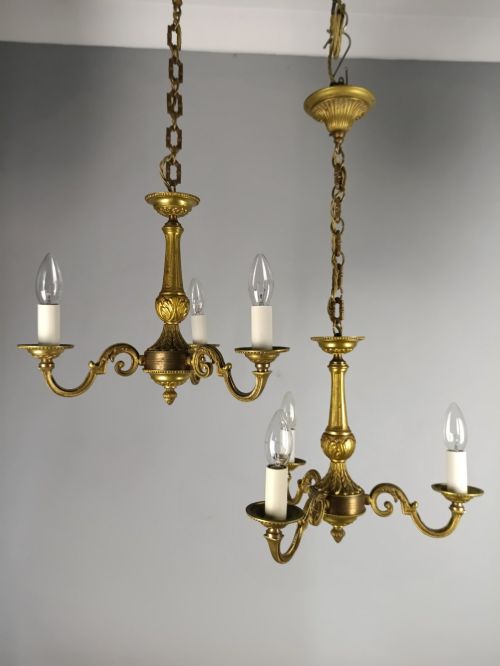
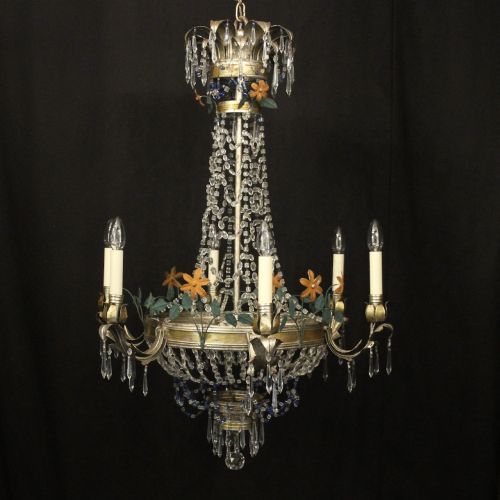

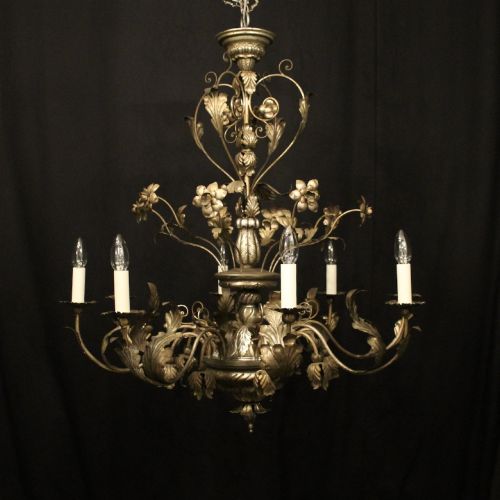
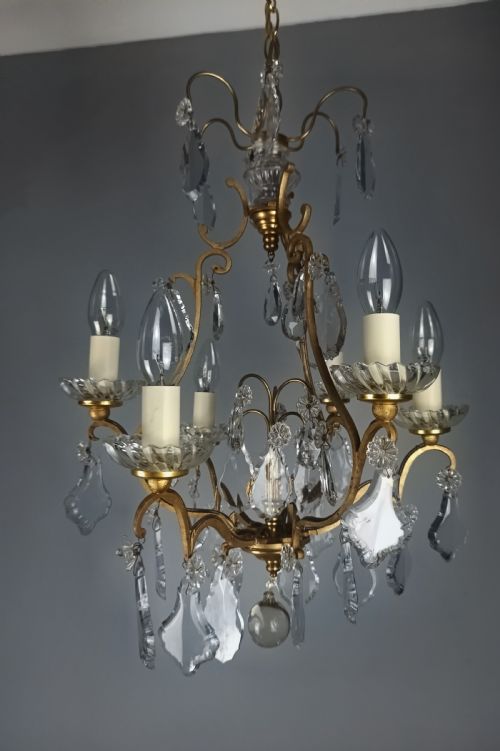
Gilt Brass Hanging Fixture
A gilt brass hanging fixture brings warmth and formal weight to a room through centuries-old metalwork and glass.
Gilt Brass Hanging Fixture
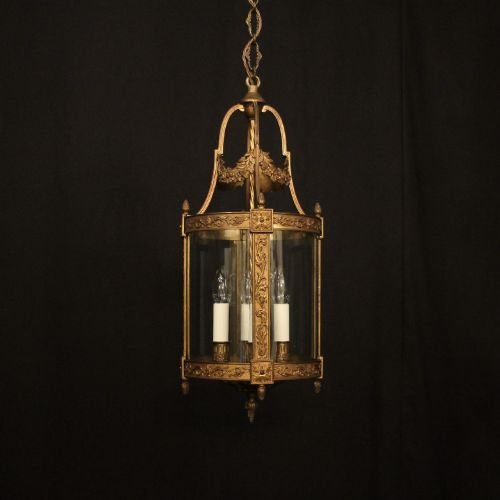
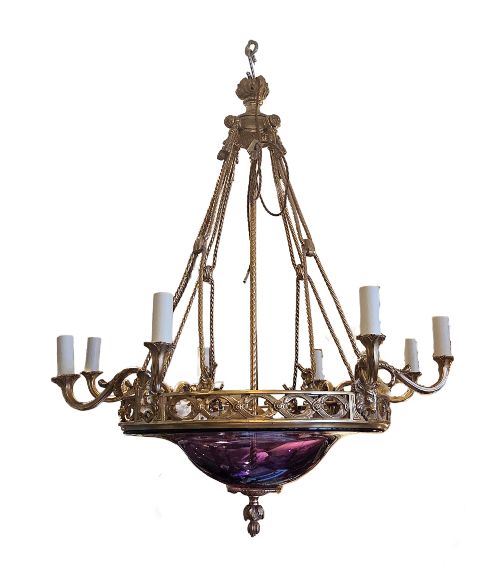
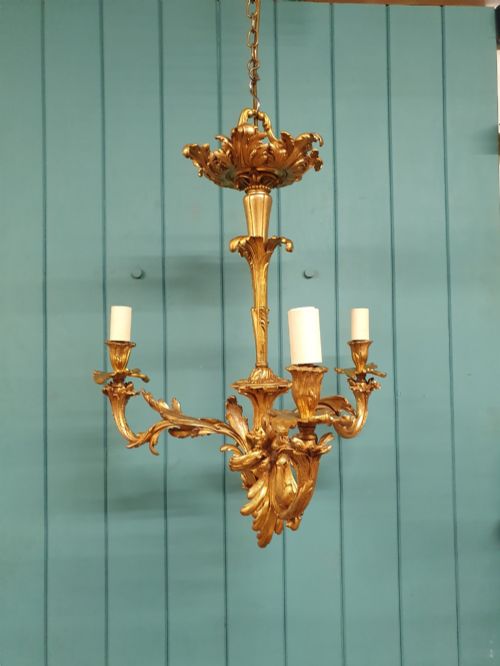
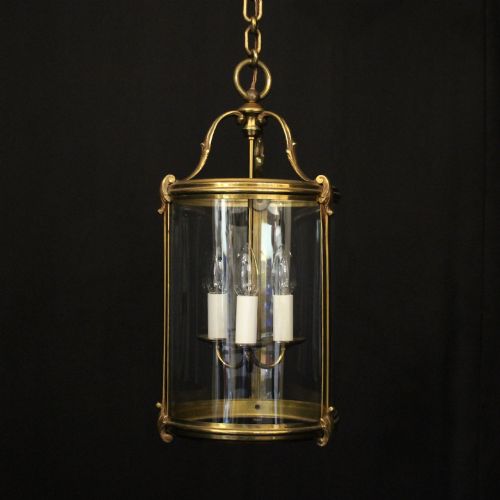
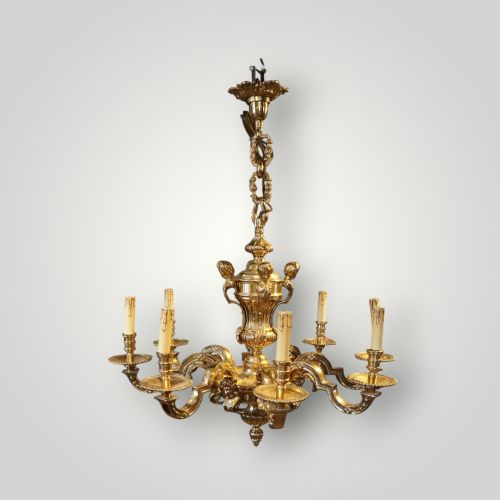
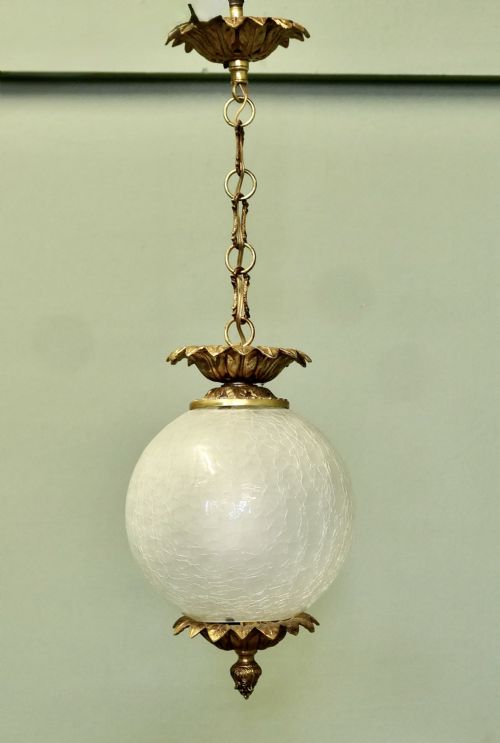
A gilt brass hanging fixture spans chandeliers, ceiling lights, and hall lanterns originating largely from French and Italian workshops. These pieces appear across the nineteenth century, the Edwardian period, and into the nineteen-twenties.
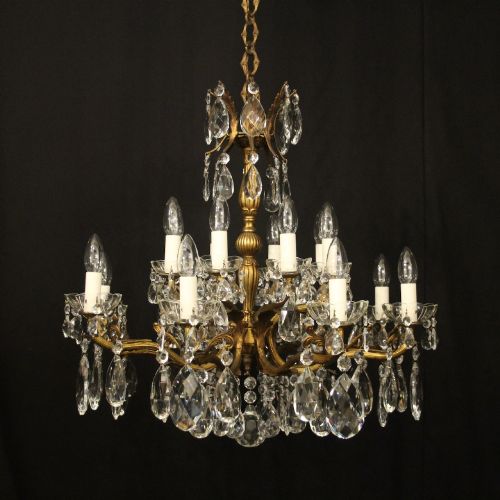
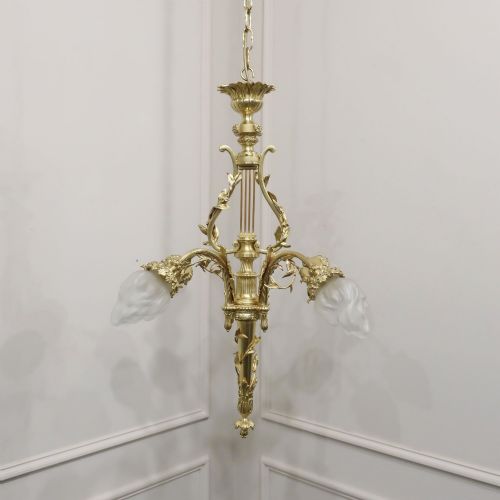
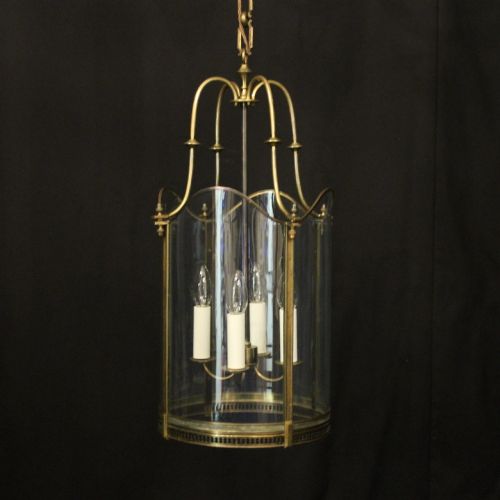
Chandeliers dominate the selection, offering multiple arms configured for candlelight or early electric conversion. Hall lanterns and pendant lights provide alternative vertical formats for smaller entryways or specific architectural volumes.
Materials and Construction
Makers utilised brass, bronze, and metal substrates finished with gilding, paired with glass and crystal elements. Cast bronze and gilt brass form the structural frames and decorative mounts.
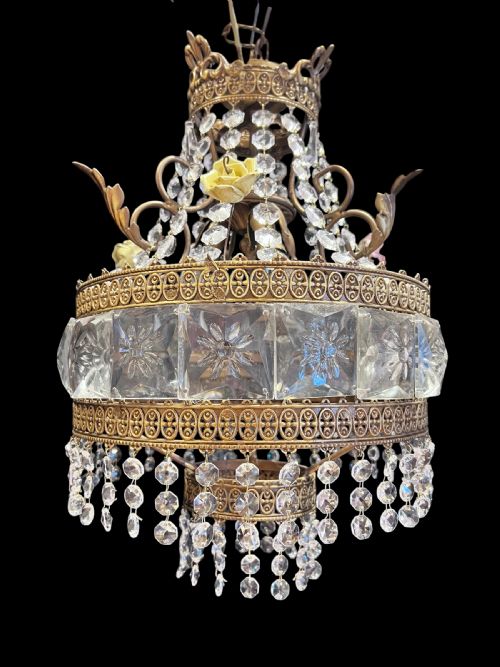
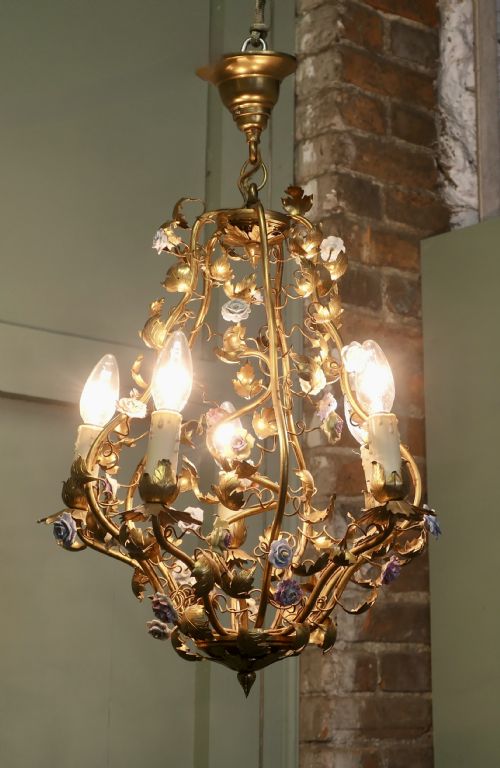
Dangling crystal drops, beads, and convex glass panels assemble alongside tolewear floral motifs and porcelain additions. Frames often incorporate intricate casting, chasing, and giltwood or gesso accents.
Gilt Brass Hanging Fixture Retail Price Guide 2026
Typical asking prices for gilt brass hanging fixture among the pieces listed under this phrase on Sellingantiques today, from the lower quarter to the upper quarter. They describe what is for sale here now, not the wider market.
Some chandeliers incorporate glass fruits and porcelain flowers among the crystal teardrops, bringing a literal orchard indoors.
Defining Quality
Quality rests in the crispness of the metal casting and the depth of the gilding applied to the bronze or brass frame. Superior examples display finely chased details and integrated decorative elements rather than flat or purely stamped components.
The integration of glass and crystal components differentiates the grade of a piece. Hand-cut crystal drops and properly fitted convex glass panels show a higher level of workshop execution than massed or uniform glass.
The Gilt Brass Hanging Fixture Glossary
- Gilt bronze
- Metal alloy coated with a thin layer of gold, providing a durable and luminous finish. This technique appears widely on French fixtures from the nineteenth and early twentieth centuries.
- Hall lantern
- Enclosed hanging light designed for corridors and entrance spaces. These fixtures frequently use convex glass panels mounted in a metal frame.
- Crystal
- High-clarity glass containing lead oxide, cut and polished to refract light. It hangs in drops, beads, and teardrops from chandelier arms.
- Tolewear
- Painted sheet metal shaped into decorative forms such as flowers and foliage. It adds coloured accents to various period lighting designs.
Gilt Brass Hanging Fixture: Frequently Asked Questions
How do I hang a heavy antique chandelier safely?
These fixtures require ceiling joists or adequate structural noggins to bear the combined weight of metal, glass, and crystal components.
Weight loads demand professional electrical installation and appropriate chain or rod fixings suited to the specific ceiling material.
Can these old fixtures use modern light bulbs?
Most surviving fixtures accept standard modern bulbs if the internal wiring meets contemporary safety standards.
Rewiring preserves the original metal frame while ensuring the lampholders and cables comply with current regulations.
How do I date a gilt brass hanging fixture?
Dating relies on stylistic markers such as French Neoclassical, Rococo Revival, or Arts and Crafts forms combined with material evidence.
Periods span from the nineteenth century through the nineteen-thirties, indicated by casting methods and associated decorative details.
What rooms suit a hall lantern best?
Hall lanterns fit narrow vertical spaces, stairwells, and entrance vestibules where enclosed glass protects the interior light source.
Their compact footprint provides direct illumination without dominating the surrounding architectural scale.