




Gillows Occasional Table
A gillows occasional table brings documented Lancaster cabinet-making into a room, offering adaptable surfaces from the Regency period through to Edwardian times.
Gillows Occasional Table
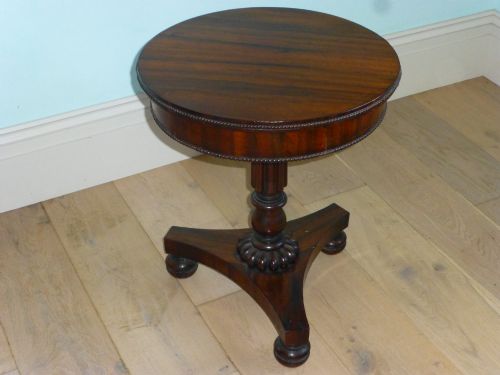
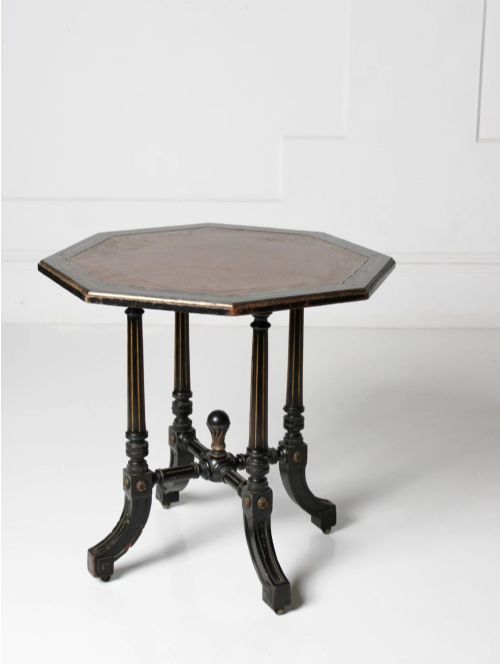
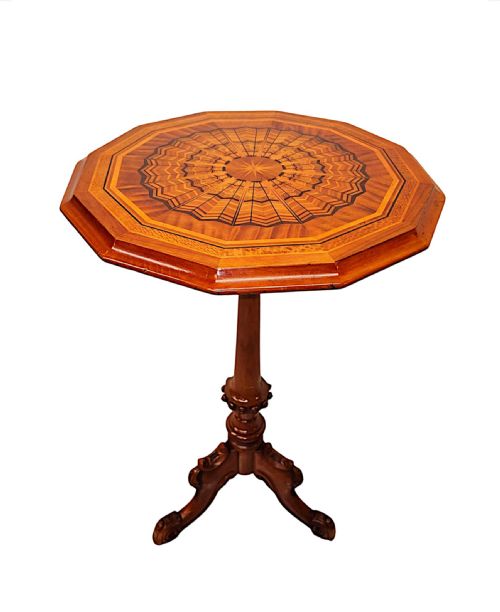
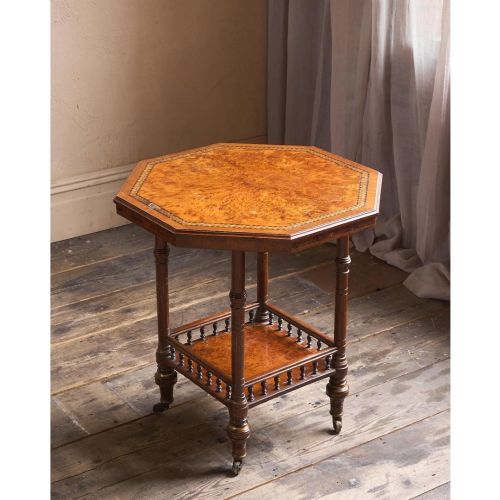
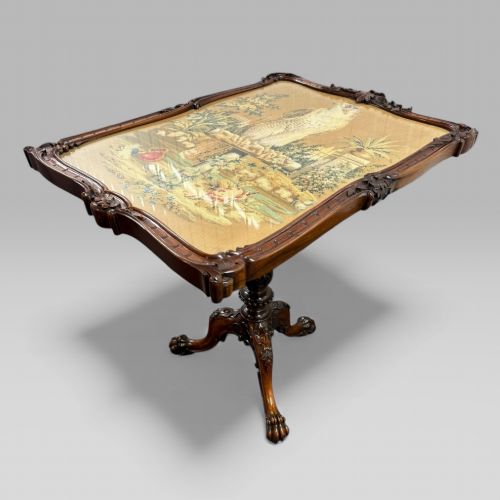
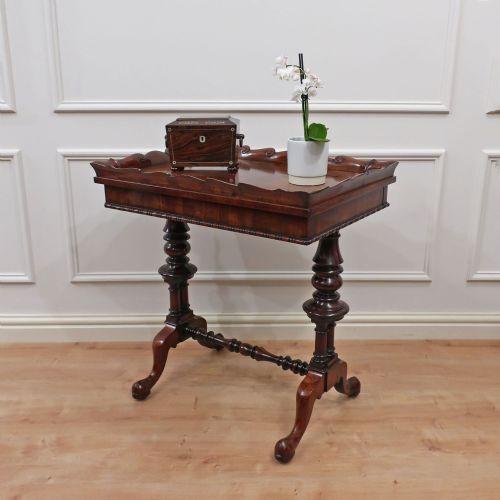
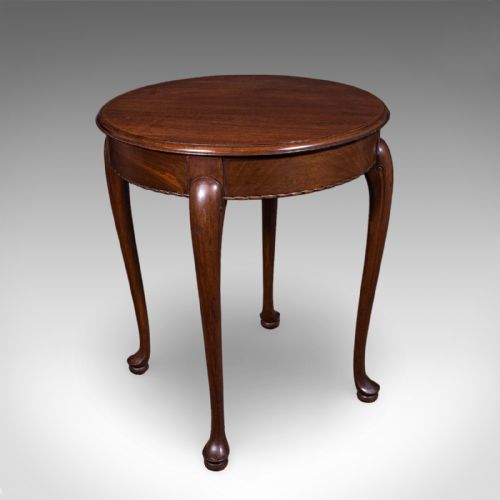
A gillows occasional table represents the output of the notable Lancaster and London firm, spanning side tables, work tables, and tripod lamp tables. Buyers searching this phrase look for pieces linked to the maker either through direct attribution, stamped signatures, or distinct stylistic traits from the nineteenth century. Most examples met on this page belong to the Regency period, though Victorian and Edwardian iterations also appear.
Forms vary widely according to their original domestic function, ranging from small wine tables and sewing compartments to larger centre tables and nests. Mahogany and rosewood dominate the listings, frequently paired with brass mounts, satinwood inlay, or burr walnut veneers. These tables served various roles in period drawing rooms, libraries, and chambers, functioning as moveable surfaces for lamps, books, or needlework.
Materials and construction methods
Cabinet-makers of the firm utilised dense timber selections such as mahogany, rosewood, and oak, often enriched with decorative veneers including burr walnut, amboyna, and satinwood. Brass details, parcel gilt, and bronze mounts frequently accent the timber frames, particularly on Regency and Victorian pieces. Construction relies on traditional joinery techniques suited to tripod supports, tilt-top mechanisms, and drop-leaf arrangements.
Inlaid surfaces demonstrate precision woodworking, incorporating contrasting woods and detailed banding that define the maker's output. Work tables incorporate fitted interiors for sewing implements, requiring intricate internal compartment construction alongside stable pedestal bases or slender legs.
Gillows Occasional Table Retail Price Guide 2026
Typical asking prices for gillows occasional table among the pieces listed under this phrase on Sellingantiques today, from the lower quarter to the upper quarter. They describe what is for sale here now, not the wider market.
Form variations on this page include nest of tables, work tables, wine tables, and centre tables alongside standard occasional designs.
Judging quality in workshop production
The distinction between standard workshop production and superior output rests upon the choice of timber figure and the crispness of carved or inlaid details. Tables displaying highly figured rosewood, burr walnut, or finely executed marquetry demonstrate a higher tier of craftsmanship than plain mahogany examples. The integration of mechanical elements, such as smoothly operating tilt-top mechanisms or fitted work table drawers, also separates finer pieces from simpler variants.
Proportion and structural integrity dictate the overall calibre of a piece, with balanced tripod bases and robust pillar supports indicating superior cabinet-making. Signed pieces or those bearing clear stamps carry distinct documentation advantages over items merely attributed through style.
Gillow·Gillows·Waring and Gillow
The Gillows Occasional Table Glossary
- Tripod table
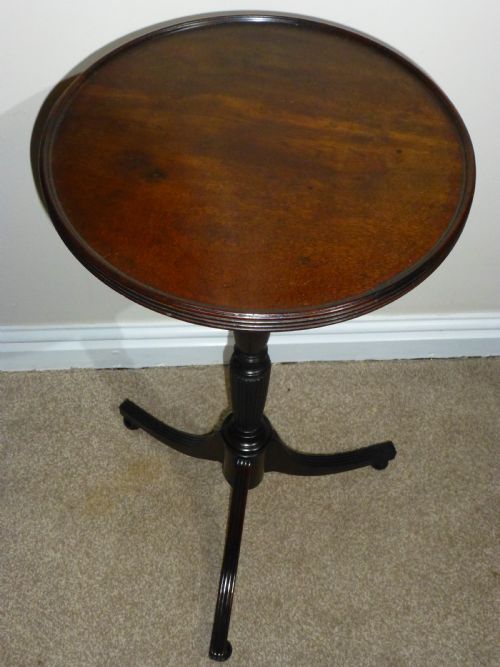
- A small circular table supported by a pillar above three spreading legs. This form gained popularity during the Georgian and Regency periods for flexible use as a lamp or wine table.
- Work table
- A specialised small table containing fitted compartments or a fabric bag for sewing and needlework. These pieces often feature drop leaves and slender pedestal bases.
- Tilt-top
- A tabletop hinged to the central pillar so it can pivot vertically when not in use. This mechanism allowed tables to be stored flat against a wall.
- Parcel gilt
- Partially gilded decoration applied to carved wooden elements or mouldings to highlight specific architectural details. It creates a subtle contrast against dark timbers like mahogany.
- Goncalo alves
- A dense exotic hardwood with distinctive figuring, occasionally utilised in fine nineteenth-century cabinet-making for decorative tables.
Gillows Occasional Table: Frequently Asked Questions
How do I spot a genuine piece?
Look for stamped maker marks on the drawer sides or timber framing, alongside high-grade secondary woods and refined brass fittings. Construction details like precise dovetails and well-balanced tripod bases often indicate workshop origin.
Attributions also rely on distinct stylistic markers associated with the Lancaster firm, such as specific leg turnings or characteristic brass paw feet.
Where were these placed originally?
These tables sat beside seating areas in drawing rooms, functioned as bedside surfaces in chambers, or stood centrally in libraries for holding books and writing materials. Their portable nature allowed servants to move them around the country house as needed.
Smaller lamp and wine tables found use near hearths, while larger centre tables anchored the middle of formal reception rooms.
How do I care for rosewood?
Maintain rosewood surfaces by keeping them away from direct sunlight and maintaining stable room humidity to prevent veneer cracking. Dust regularly with a dry, soft cloth rather than using silicone-based polishes.
Occasional application of traditional beeswax helps nourish the grain without building up heavy chemical residues over time.
What defines Regency style?
Regency design draws inspiration from classical Greek, Roman, and Egyptian motifs, favouring clean architectural lines and dark exotic timbers. Ormolu mounts, brass inlay, and sabre legs frequently characterise furniture from this period.
Purchased items from this era emphasise symmetry and proportion over heavy carving.