

Gilded Pendant Light
A gilded pendant light brings warmth and old-world luminosity to a room, catching the eye with metallic gleam and glass.
Gilded Pendant Light
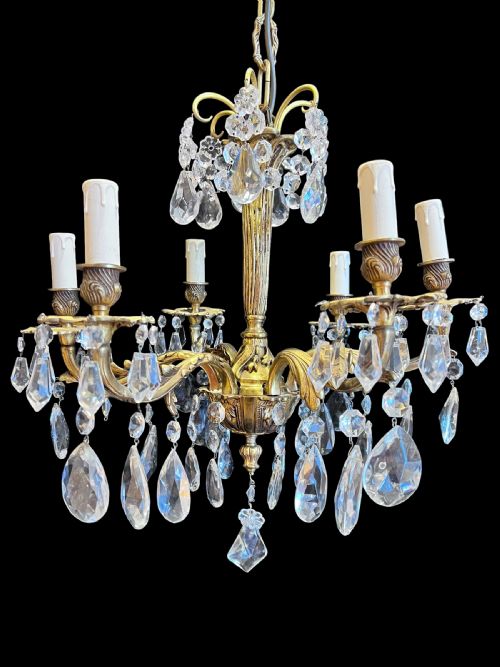
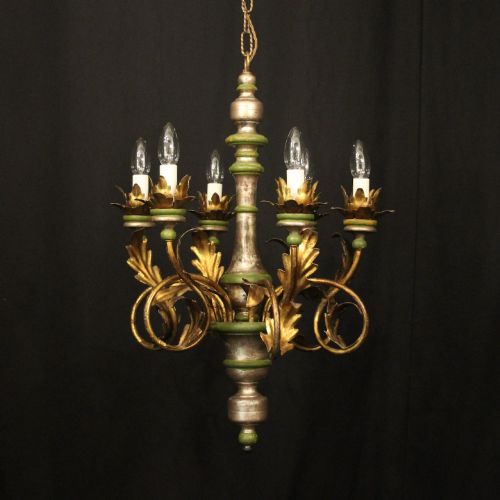
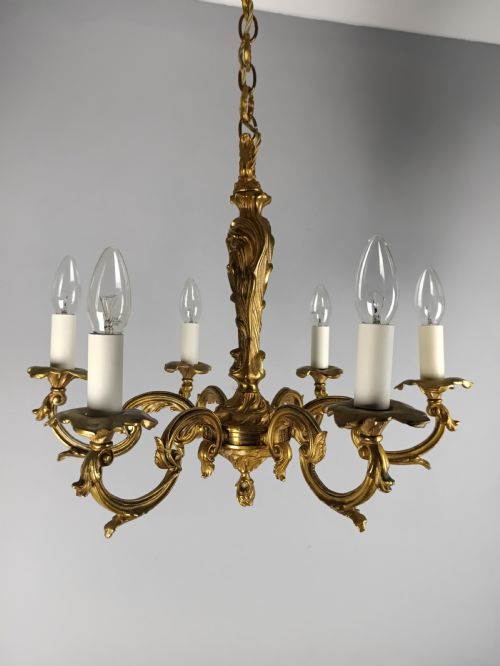
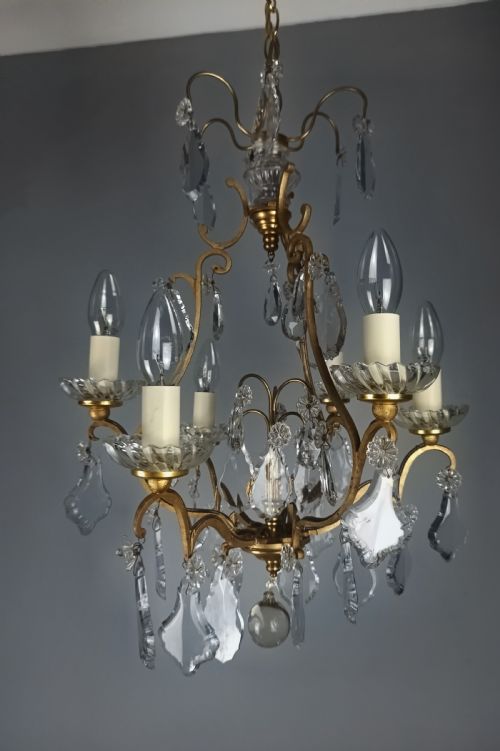
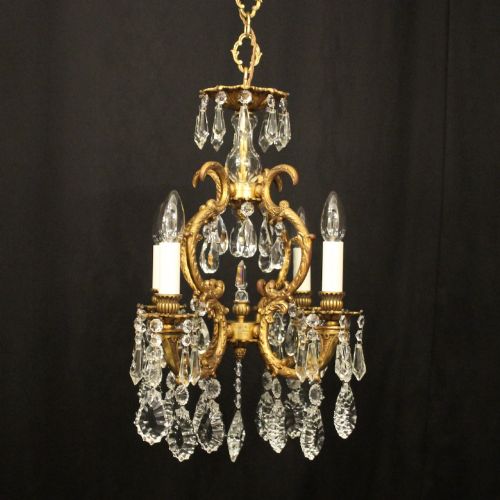
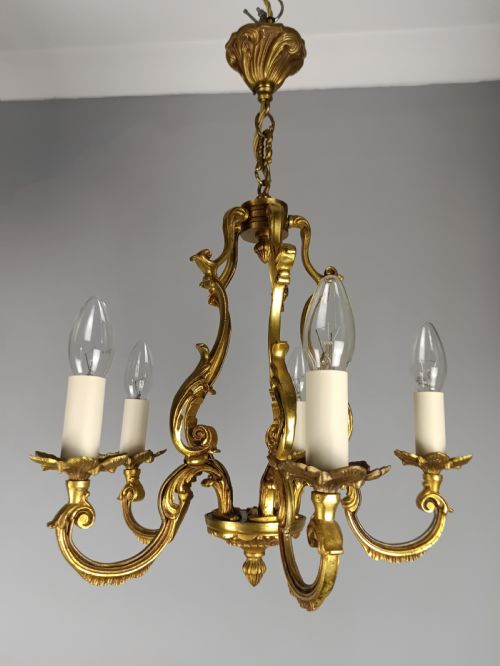
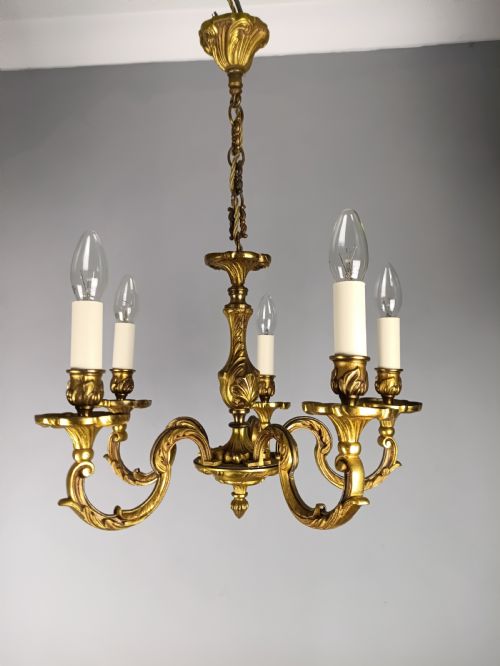
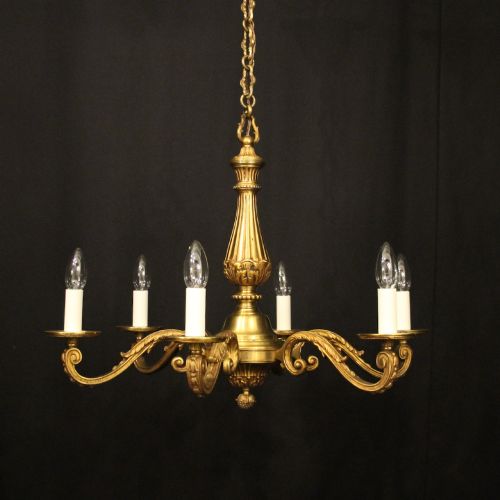
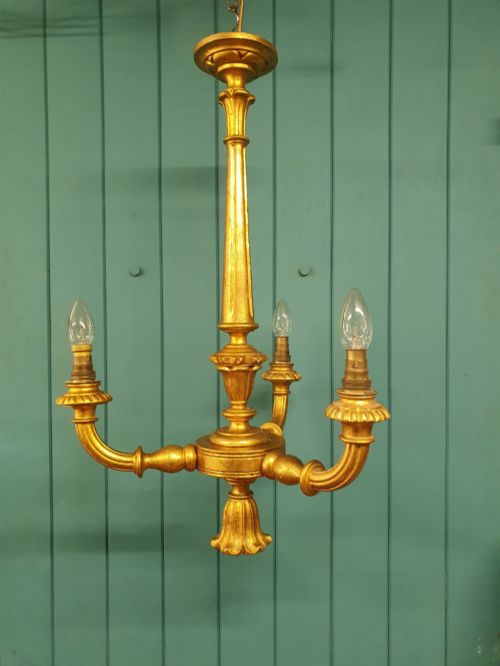
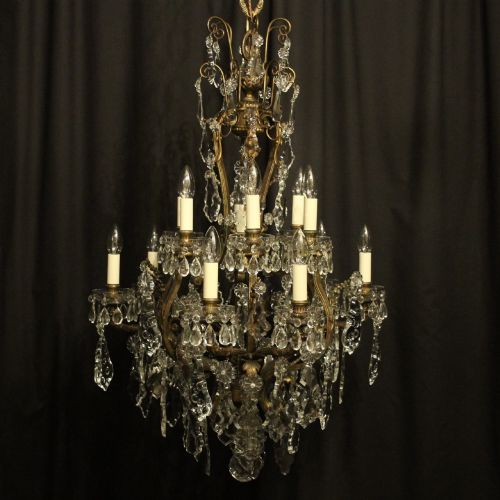
A gilded pendant light search uncovers hanging ceiling fixtures, chandeliers, and hall lanterns finished in gold tones. These items originate from periods spanning the nineteenth century through the nineteen-thirties, covering Edwardian and Victorian eras alongside continental styles.
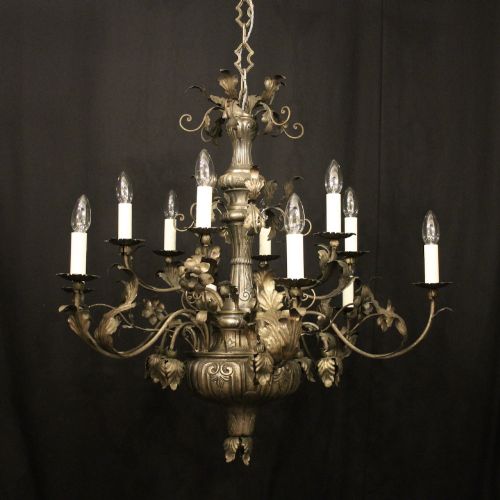
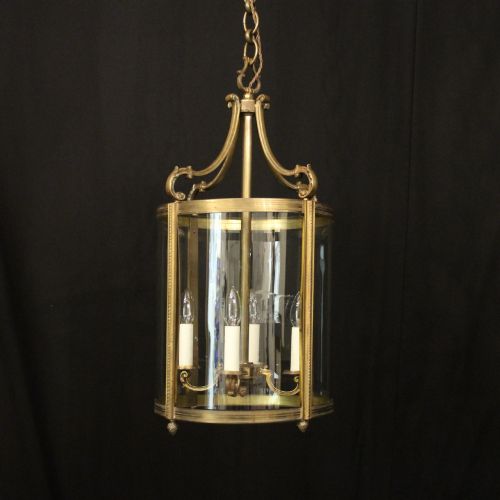
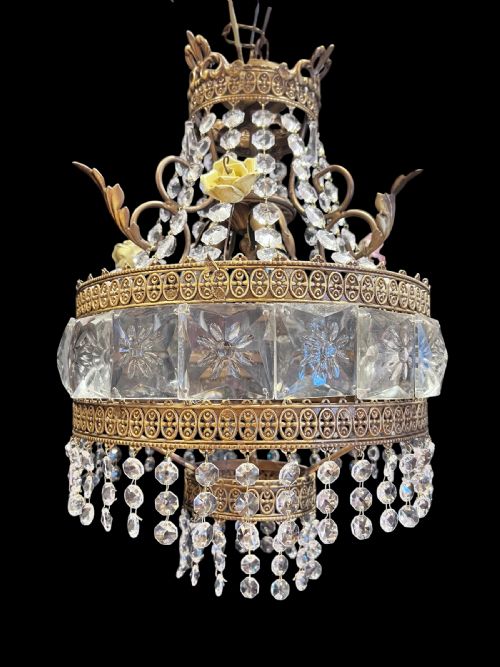
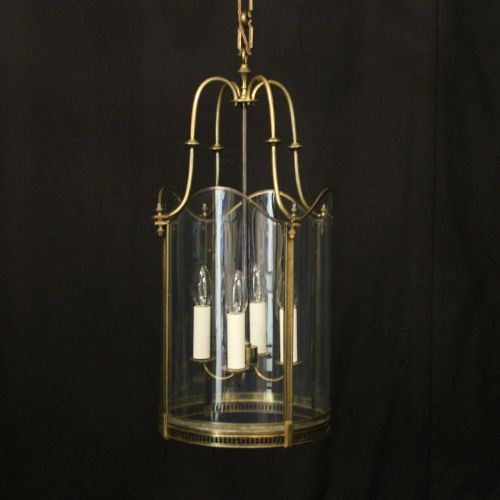
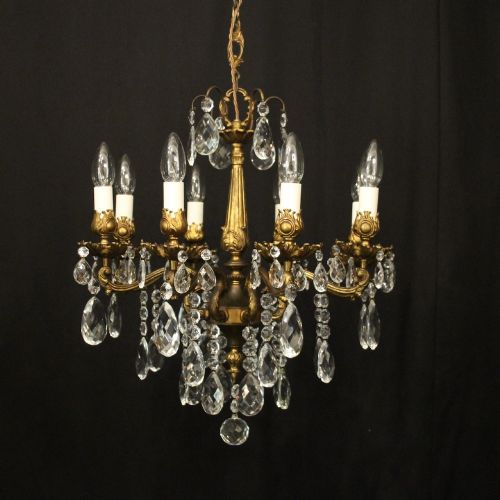
French and Italian designs dominate the selection, encompassing French Rococo, Neoclassical, and Florentine styles. Buyers frequently encounter items such as birdcage chandeliers, convex hall lanterns, and multi-light fixtures adorned with crystals or porcelain flowers.
How they were made
Craftsmen utilised bronze, brass, and carved wood as foundations, applying gilt layers, silver gilding, or gesso over the structure. Metal components were cast or wrought into frames, foliage, and figural ornaments.
Pieces incorporate glass, cut crystal drops, toleware ceramics, and porcelain flowers suspended from the main framework. Lanterns often feature convex glass panels held within gilded brass or bronze galleries.
Design styles span Italian Florentine, French Rococo, and Grand Regency aesthetics, alongside Edwardian and Victorian forms.
What varies in quality
The refinement of the casting and carving sets individual pieces apart, distinguishing sharply detailed bronze work from simpler metal fabrication. Heavier metal gauge and intricate hand-chasing indicate higher production standards.
The abundance and cut of hanging crystals or the presence of hand-modelled porcelain elements alter the visual impact. Original gilding preservation and harmonious integration of toleware components also influence the overall standard.
The Gilded Pendant Light Glossary
- Gilt bronze
- An alloy treated with gold amalgamation or electroplating to produce a durable golden surface. This technique highlights intricate metal casting on chandeliers.
- Toleware
- Lacquered or enamelled sheet metal painted to resemble organic forms or ceramics. It appears frequently in floral chandelier decorations.
- Convex lantern
- A hanging light fixture featuring curved glass panels that diffuse light outward. These forms suit hallways and entrance spaces.
- Plafoniere
- A ceiling-mounted lighting fixture sitting close to the surface rather than hanging on a long chain. It offers illumination in rooms with lower ceiling heights.
- Crystal teardrop
- A faceted glass pendant hung from chandelier arms to refract light. They catch and multiply the illumination from the bulbs.
Gilded Pendant Light: Frequently Asked Questions
How do I hang a heavy antique lantern?
Suspension requires securing the fixture to a ceiling joist using appropriate weight-bearing fixings and hooks. Professional installation ensures the electrical wiring and ceiling mount support the mass safely.
Heavier bronze and crystal examples demand robust steel brackets concealed within the ceiling rose. Consult an electrician to verify the circuit handles the intended wattage.
Are these lights wired for modern UK homes?
Many imported period fittings require rewiring to comply with current electrical standards and safety regulations. Qualified electricians can adapt old lamp holders while preserving the exterior metalwork.
Original wiring from the nineteenth or early twentieth century must be replaced before regular daily use. This process ensures insulation meets domestic standards without altering the visible appearance.
How do I clean a gilded crystal chandelier?
Dust the metal frame and crystals regularly using a soft feather duster or lint-free cloth. Avoid harsh chemical cleaners that strip the delicate gold leaf or gilt finish from the bronze or brass.
For deeper cleaning, remove crystals individually and wash them in warm soapy water before drying thoroughly. Leave the fixture suspended while cleaning to prevent strain on the arms.
What is the difference between a lantern and a chandelier?
Chandeliers project multiple branching arms designed to hold several exposed or shaded light bulbs outward into a room. They prioritize decorative metalwork and hanging crystal arrangements.
Lanterns enclose the light source within glazed panels, traditionally intended for hallways and draughty vestibules. They feature protective metal frames directing light downwards and outwards.