







Gilded Bronze Base
A gilded bronze base anchors sculptures, clocks, and lamps, providing the crucial weight and decorative foundation for ornamental metalwork.
Gilded Bronze Base
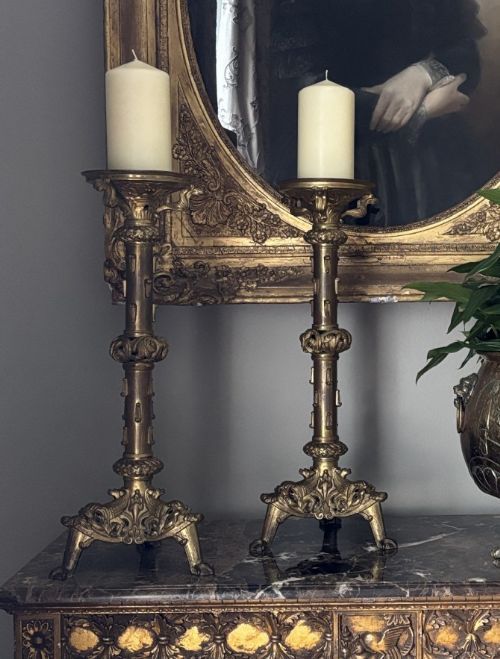
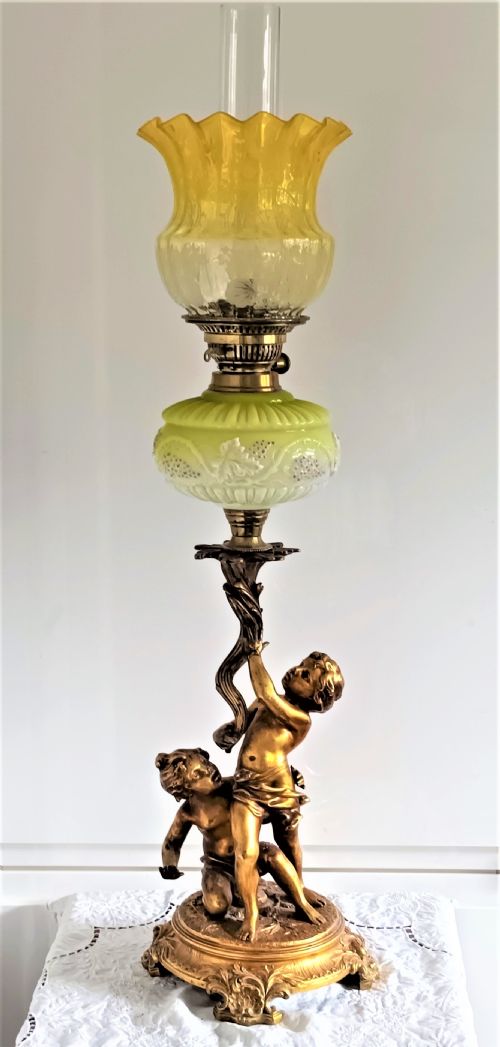
A gilded bronze base supports a diverse array of decorative objects, spanning utilitarian items like candlesticks and table lamps to ornamental sculptures and mantel clocks. Buyers searching for a gilded bronze base encounter items anchored by heavy metal foundations, frequently paired with contrasting materials.
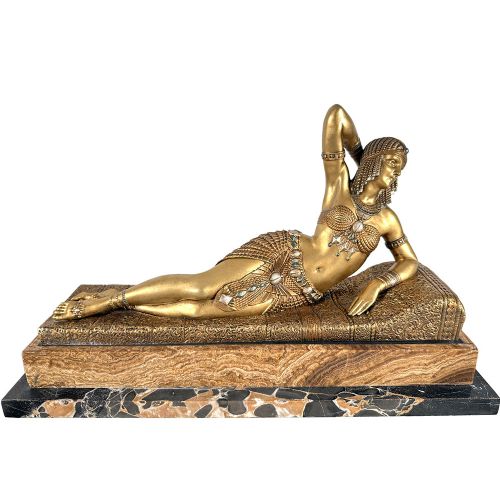
The selections originate predominantly from nineteenth-century European workshops, encompassing Victorian, French Rococo, and Neoclassical designs. Later twentieth-century pieces introduce Art Deco figures and stylized lighting resting on similar metal or stone plinths.
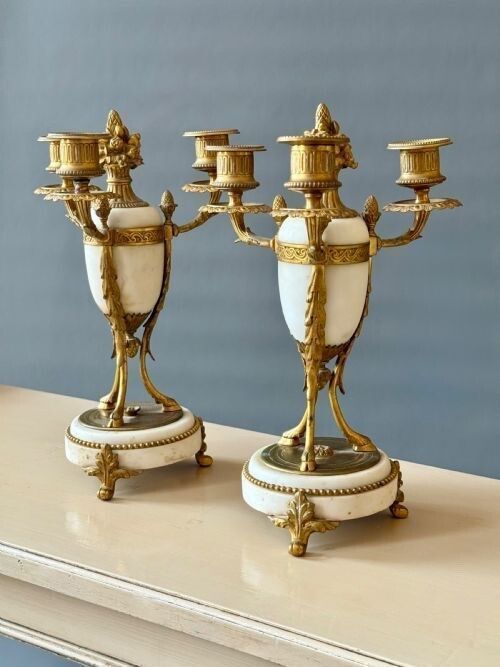
Many items integrate the metallic support directly into the sculptural composition, such as bronze figures perched upon marble plinths or candelabra rising from ornate feet. The base acts as both a structural anchor and a decorative extension of the primary artwork.
How they were made
Craftsmen utilised traditional metal casting techniques, pouring molten bronze into intricate moulds before applying fine hand-chasing to sharpen the surface details. Gilding was achieved through mercury amalgamation or electroplating, coating the metal surface in a thin layer of gold.
Foundations often incorporated heavy natural stones, bringing stability to top-heavy candelabra and figurative sculptures. White marble, portoro marble, onyx, and olive wood frequently serve as the plinth material beneath the gilded metal components.
Gilded Bronze Base Retail Price Guide 2026
Typical asking prices for gilded bronze base among the pieces listed under this phrase on Sellingantiques today, from the lower quarter to the upper quarter. They describe what is for sale here now, not the wider market.
The listings feature items spanning the 19th Century, Victorian era, and the 1930s Art Deco period.
What varies in quality
The weight and selection of the supporting plinth material indicate the tier of the object. Solid marbles and dense hardwoods provide substantial heft, whereas lesser works utilise lighter substitute materials or simpler cast integrations.
Le Roy Paris·Demetre Chiparus·Ernst Barrias·Claire Colinet·Charlotte Monginot·Jean Jacques Pradier
The Gilded Bronze Base Glossary
- Ormolu
- A form of gilding that applies a gold-mercury amalgam to a bronze object. The mercury is driven off by heat, leaving a durable golden coating.
- Spelter
- A zinc alloy used as a cheaper alternative to bronze for cast figures and bases. It is softer and typically painted or patinated to resemble heavier metals.
- Candelabra
- A branched candlestick holder designed to support multiple candles. They often feature elaborate gilded metal bases and stems.
- Patinated
- Treated metal surfaces showing natural or artificial ageing and coloration. This finish provides contrast against the bright areas of gilding.
Gilded Bronze Base: Frequently Asked Questions
How do I clean a gilded bronze base?
Dust the surface gently with a soft, dry microfibre cloth to remove accumulated particles without scratching the metallic finish. Avoid using chemical cleaners, polishes, or abrasive cloths, which can strip the thin layer of gold.
For stubborn grime on the metal, consult a professional conservator rather than attempting wet cleaning. Moisture can seep into tiny crevices or damage the adjoining marble and onyx plinths.
Are these bases detachable from the sculptures?
Most bases are permanently integrated into the structure of the clock, lamp, or sculpture during the initial manufacturing process. Screws and pins often secure the bronze figures or movements directly to the underlying marble or metal plinth.
Disassembling these components risks damaging the historic fixings and the surrounding material. Collectors generally keep the original mountings intact to preserve the integrity of the piece.
What distinguishes ormolu from gilded bronze?
Ormolu specifically refers to the historic French technique of mercury gilding applied to bronze during the eighteenth and nineteenth centuries. The term is frequently used interchangeably with gilded bronze in general marketplace descriptions.
Both finishes involve a layer of gold applied over a bronze substrate to create a rich, warm metallic lustre. Variations in appearance typically stem from the specific grade of gold used and subsequent wear over time.
How can I tell the nineteenth-century pieces apart?
Nineteenth-century items often display distinct stylistic markers, shifting from the ornate scrolls of French Rococo Revival to the strict symmetry of Neoclassical design. Examining the casting quality, fastening screws, and material ageing helps establish the period.
Later Victorian and Edwardian works frequently incorporate eclectic revival motifs, blending Egyptian elements or naturalistic Art Nouveau curves into the metalwork and supporting plinths.