






German Wood Clock
These german wood clock examples bring distinctive regional craftsmanship and reliable movement into a room.
German Wood Clock
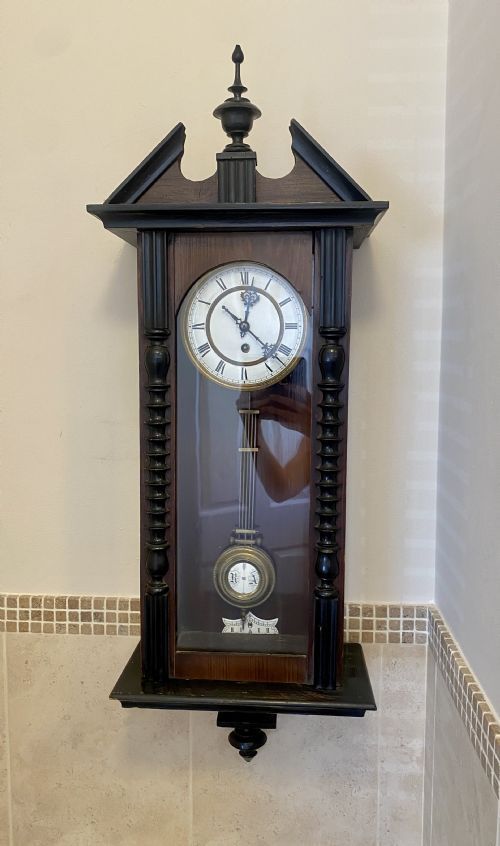
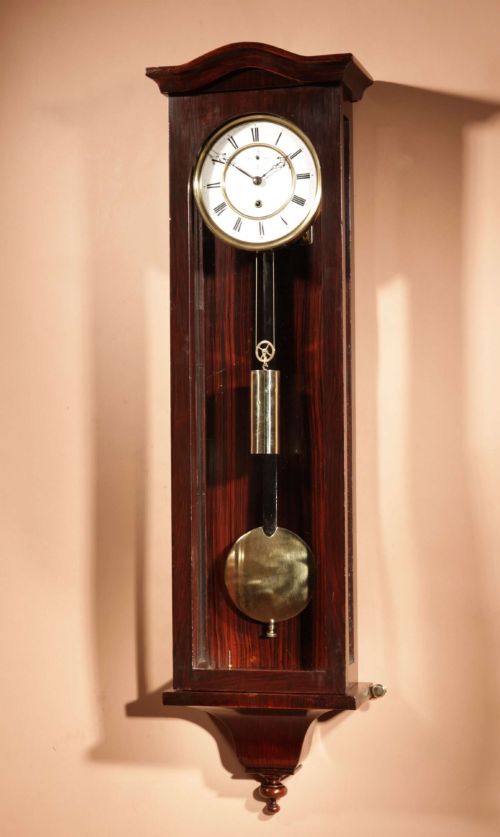
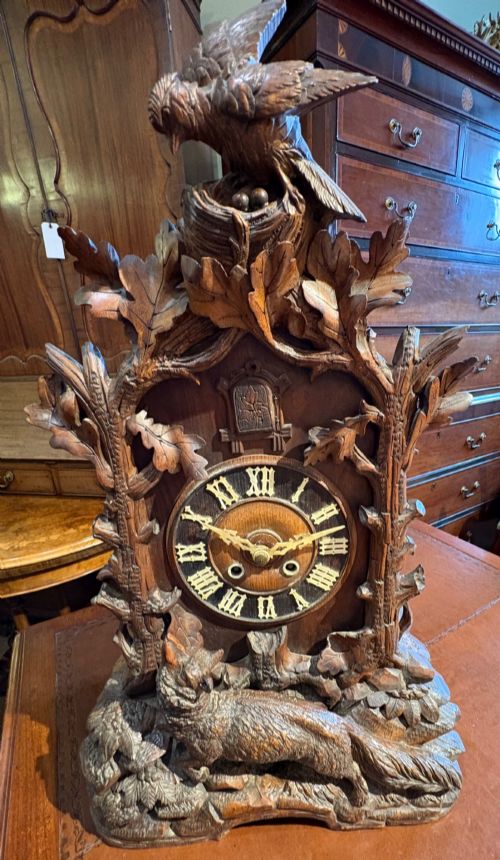
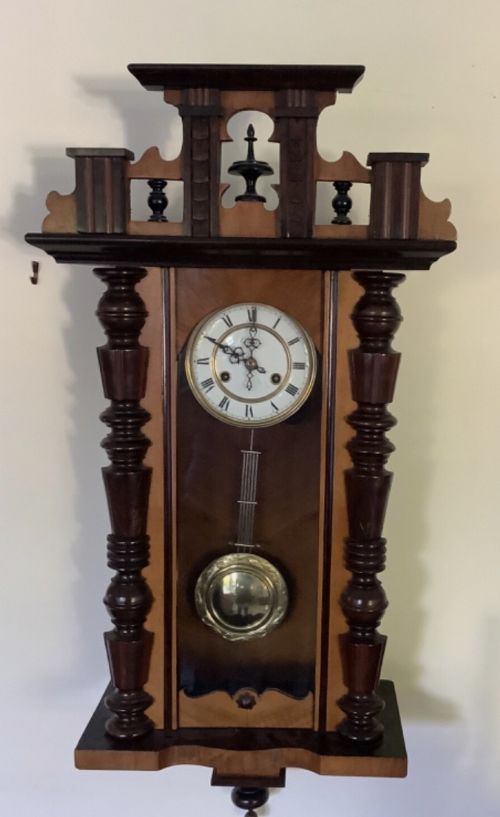
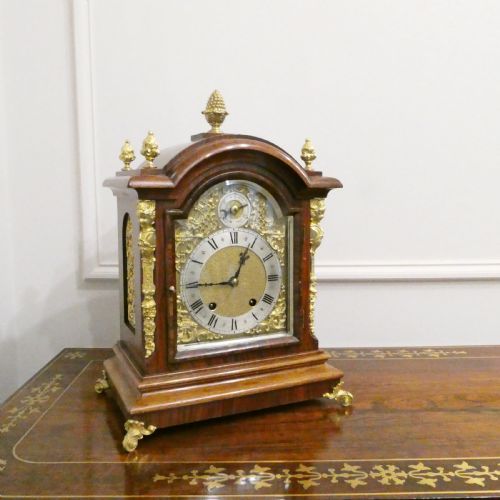
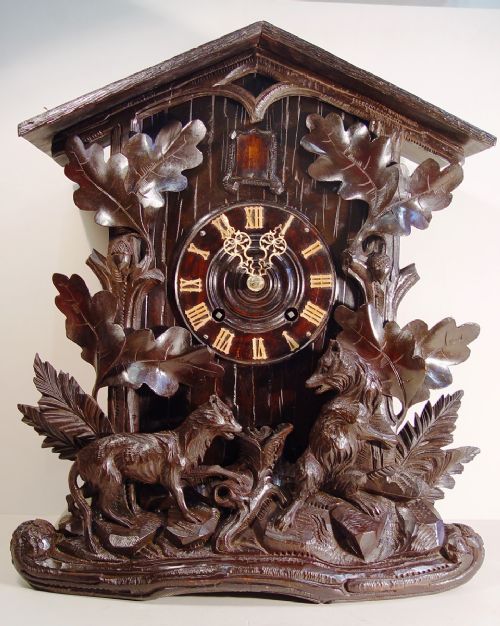
A german wood clock search brings together regional wall clocks, mantel timepieces and musical automata from the nineteenth and twentieth centuries. These pieces originate predominantly from the Black Forest region alongside notable production centres producing Vienna regulators and bracket clocks.
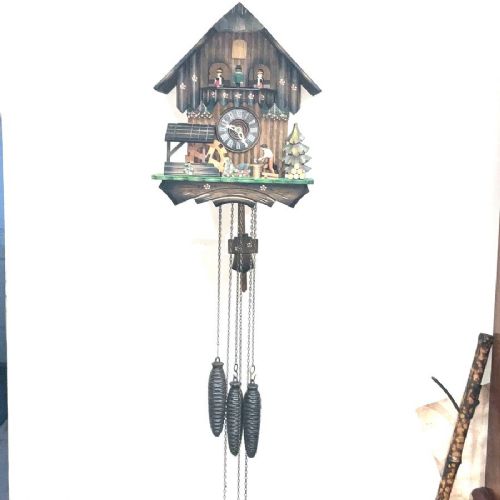
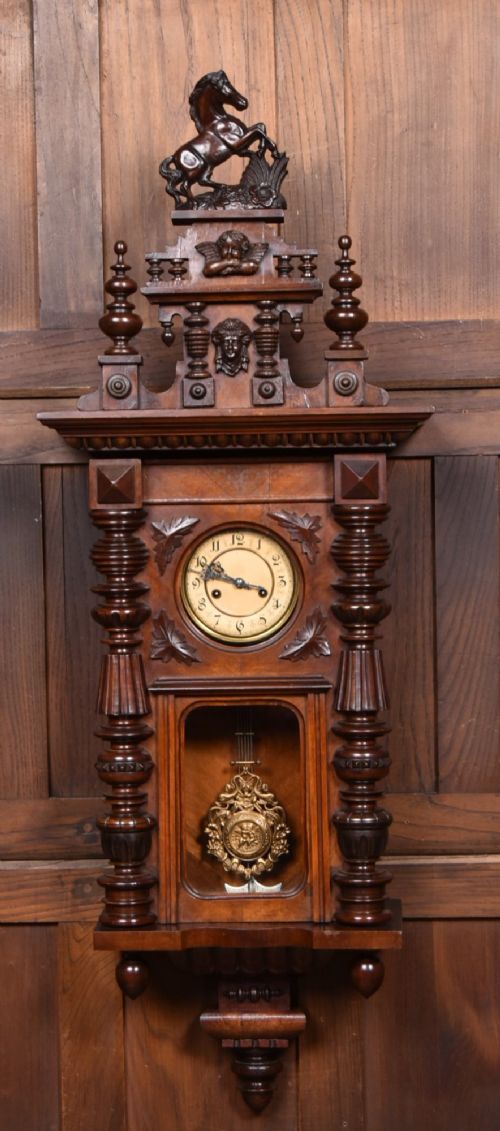
The buyer meets carved walnut cuckoo clocks, mahogany mantel pieces and striking wall models spanning the Victorian and Edwardian periods. Architectural wall styles and table standing formats dominate the available selection.
Makers ranged from individual wood carvers to large factories like Junghans and Winterhalder and Hofmeier. Later twentieth century examples bring Art Deco Bauhaus designs and mechanical musical movements into the domestic interior.
How they were made
Cases combine carved wood, walnut and mahogany with brass movements, glass panels and enamel dials. Master carvers shaped regional motifs directly into solid timber blocks for Black Forest items.
Clockmakers fitted mechanical movements with pendulum regulation, striking trains and musical automata. Brass plates and wheel trains drive the inner workings behind enamel or ceramic dials.
German Wood Clock Retail Price Guide 2026
Typical asking prices for german wood clock among the pieces listed under this phrase on Sellingantiques today, from the lower quarter to the upper quarter. They describe what is for sale here now, not the wider market.
Some nineteenth-century cuckoo clocks feature mechanical birds that emerge to sing alongside rotating musical automata.
What varies in quality
Quality rests in the depth and crispness of the wood carving, especially on Black Forest cases where hand-carved details separate standard production from superior work. The presence of twin fusee movements or intricate musical automata elevates a piece.
Material selection dictates much of the character, with figured walnut and rich mahogany housing better movements by makers such as Beha or Winterhalder and Hofmeier. Movement complexity, from simple timepieces to striking and musical trains, marks the upper tiers of manufacture.
H.A.C.·Schneckenburger·W&H·Junghans·Winterhalder & Hofmeier·Gustav Becker·Johann Baptist Beha·Pfeilkreuz Junghans
The German Wood Clock Glossary
- Black Forest
- A mountainous region in Germany renowned for intricate wood carving and mechanical clock production. It is famous for cuckoo clocks and elaborately carved animal and foliage motifs.
- Vienna Regulator
- A high-precision pendulum wall clock developed in Austria and Germany during the nineteenth century. These clocks feature long glass cases designed to showcase the pendulum and weight drive.
- Ting Tang
- A striking mechanism that sounds two different notes on the quarters before sounding the hour. This movement appears in bracket and mantel clocks from the Victorian period.
- Fusee
- A conical pulley used in mechanical clocks to maintain an even pull on the movement as the mainspring unwinds. It ensures consistent timekeeping across the power reserve.
- Bracket Clock
- A portable clock designed to sit on a table, shelf or dedicated wall bracket. Early versions required wall mounting for stability.
- Automata
- Mechanical figures that move automatically during the operation of a clock or musical movement. They appear frequently on musical Black Forest pieces.
German Wood Clock: Frequently Asked Questions
How do I wind a mechanical cuckoo clock?
Most mechanical models use hanging weights that you pull down gently by the chains until the weights reach the underside of the case. Avoid pulling the chains too far or lifting the weights directly by hand.
Ensure the clock hangs level on the wall to keep the pendulum swinging evenly and the strike train operating without catching.
What is the difference between a wall clock and a bracket clock?
Wall clocks hang directly from a wall mounting and often feature long visible pendulums or weight drops. Vienna regulators and wall cuckoo clocks belong to this group.
Bracket clocks sit flat on tables, shelves or furniture surfaces. They rely on internal springs rather than hanging weights for power.
How do I date an antique german wood clock?
Examine the timber, dial materials and movement signature to determine the period. Nineteenth-century examples often feature hand-carved walnut cases and enamel dials, while Edwardian and Art Deco pieces show later stylistic influences.
Maker stamps on the brass movement plates provide definitive clues to the workshop and decade of production.
What does a ting tang strike mean?
A ting tang striking train uses two hammers and two gongs to sound two distinct tones on the quarter hours. It signals the passage of time without chiming a full melody.
This mechanism appears frequently in Victorian mahogany and walnut mantel clocks.