



Georgian Yew Side Table
A georgian yew side table offers deep figured timber and warm honey tones that anchor a room with quiet distinction.
Georgian Yew Side Table
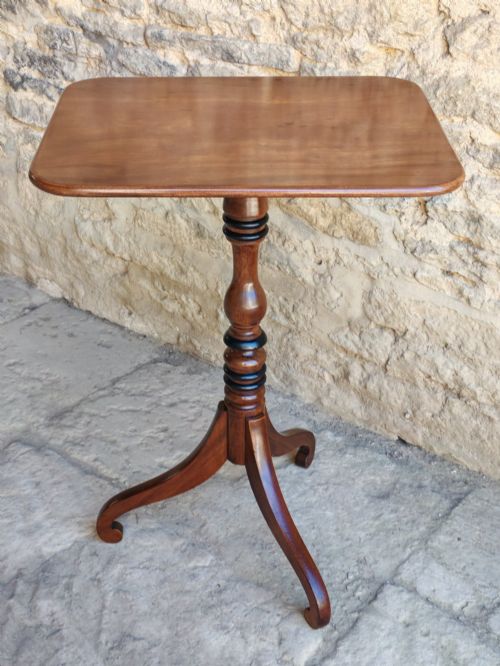
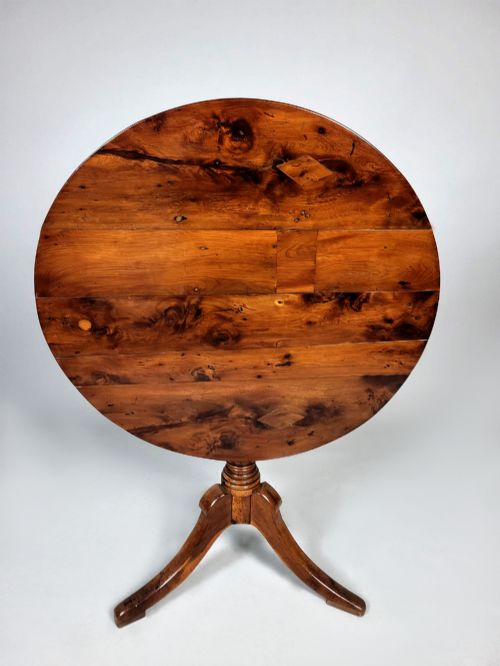
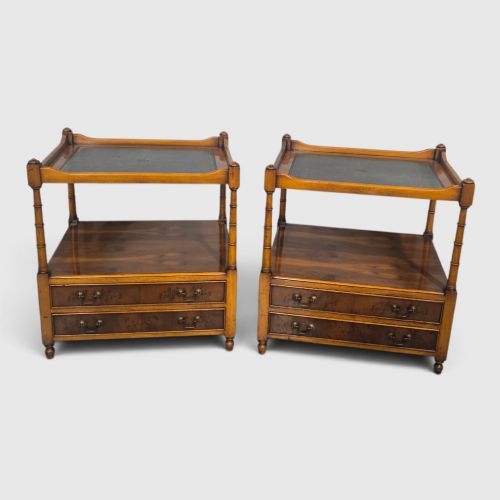
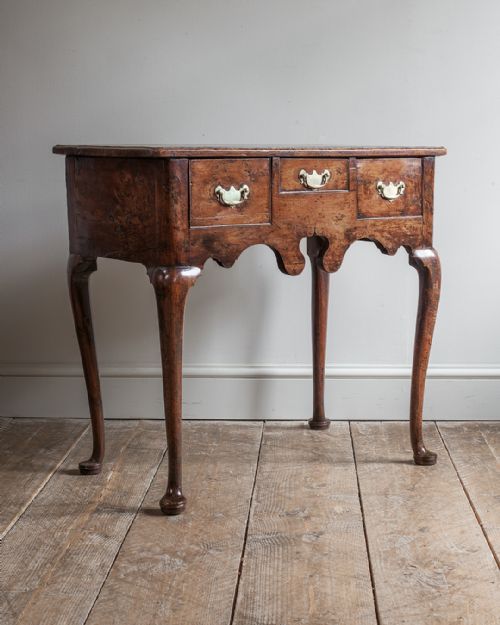
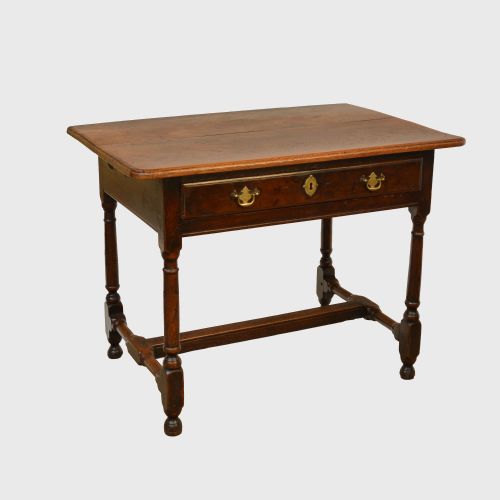
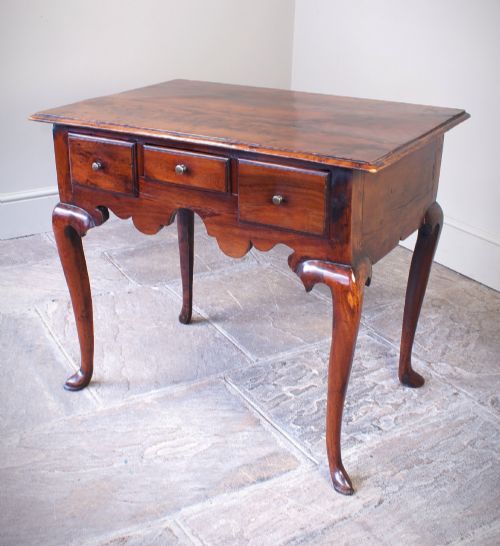
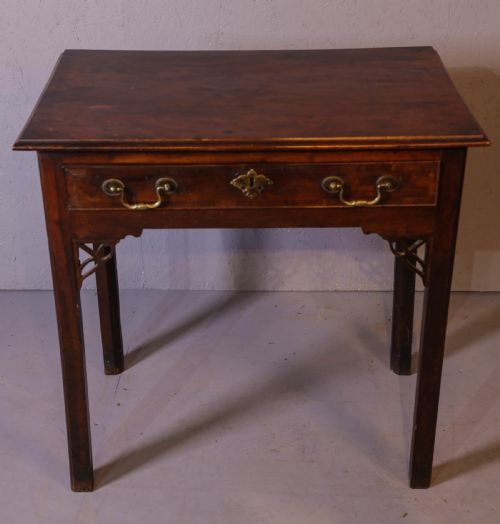
A georgian yew side table brings together domestic utility and rich timber figured with dark knots and pale amber grain. These pieces span compact tripod wine stands, lowboys with small drawers, and occasional rectangular tables designed for daily service.
The most common form encountered in this selection is the tripod table, alongside lowboys and occasional lamp tables. They originate across the eighteenth and nineteenth centuries, with later revivals appearing in the twentieth century.
Makers utilised yew alongside elm, oak, and mahogany, pairing solid timber with burr veneers to catch the light. Their domestic roles ranged from holding candles and writing letters to serving wine beside the hearth.
What varies in quality
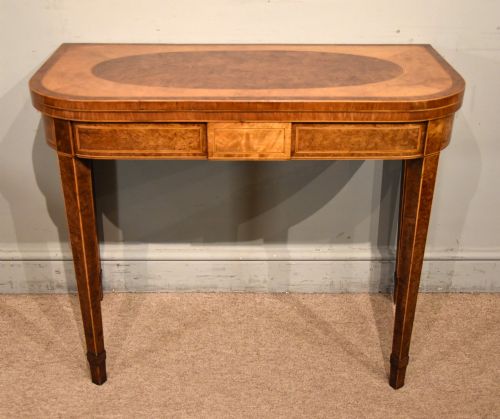
The density and movement of the grain dictate visual success, with heavily figured burr yew commanding greater presence than plain straight boards. Crisp turning on column stems and delicate proportions in the legs separate ambitious pieces from simpler utility items.
Original brass hardware, sound structural timber without excessive shrinkage splits, and well-fitted drawer linings preserve the integrity of the piece. Subtle details such as inlaid stringing or crossbanding elevate the work of provincial and London cabinetmakers alike.
Georgian Yew Side Table Retail Price Guide 2026
Typical asking prices for georgian yew side table among the pieces listed under this phrase on Sellingantiques today, from the lower quarter to the upper quarter. They describe what is for sale here now, not the wider market.
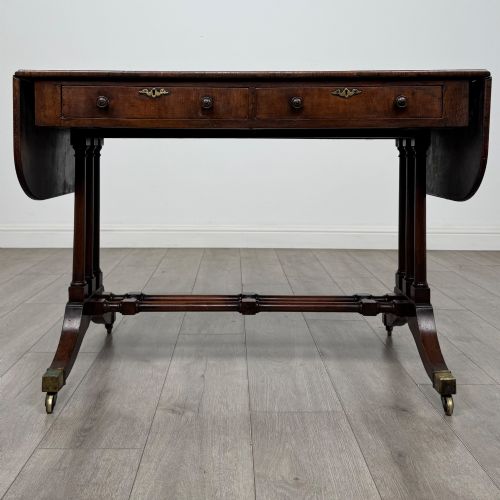
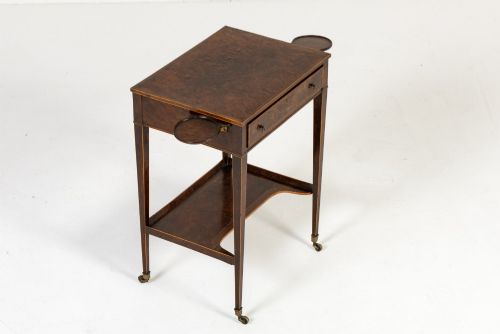
Forms range from simple kettle stands and wine tables to nests of tables and writing desks.
Gillows
The Georgian Yew Side Table Glossary
- Lowboy
- A small table with one or more drawers, standing on four legs and used originally as a dressing or writing table. They typically date from the eighteenth century and sit low to the floor.
- Tripod table
- A small stand supported by a central pillar and three spreading legs, often fitted with a tilt-top mechanism. This form became popular during the Georgian period for flexibility in smaller rooms.
- Burr yew
- A growth deformity in the yew tree that produces swirling, eye-like patterns in the wood grain. Cabinetmakers prized this timber for veneering prominent surfaces.
- Wine table
- A small circular occasional table designed to hold glasses and decanters during evening gatherings. They frequently feature birdcage or tripod bases.
- Drop-leaf table
- A table with hinged flaps on the sides that can be raised to extend the surface area. They offer compact storage when folded down.
Georgian Yew Side Table: Frequently Asked Questions
Where did people use these tables?
These tables served primarily in drawing rooms, parlours, and bedchambers for holding tea service, books, or lighting.
Their portable nature allowed servants to move them about the house as daily needs shifted.
How do I distinguish eighteenth-century pieces?
Early examples show hand-cut joinery, pegged tenons, and timber shrinkage consistent with age. Tool marks left by hand planes remain visible on underside boards.
Later Victorian and twentieth-century interpretations often display machine-cut elements and different internal secondary woods.
Can I use them as lamp tables?
Their compact dimensions and sturdy tripod or four-legged bases suit modern lamps and small decorative objects.
Placing them away from direct heat sources protects the old timber and finish.