

Georgian Wooden Table
A georgian wooden table brings centuries of British craft into daily use through timber and proportion.
Georgian Wooden Table
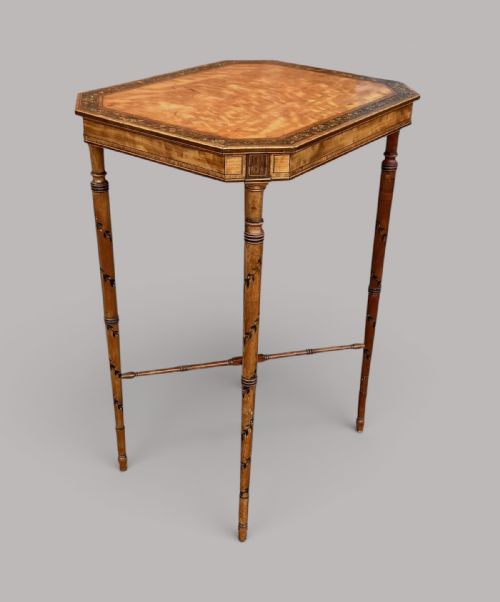
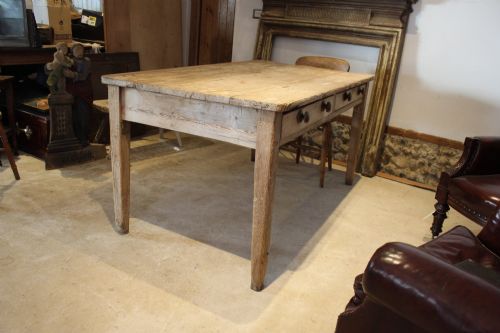
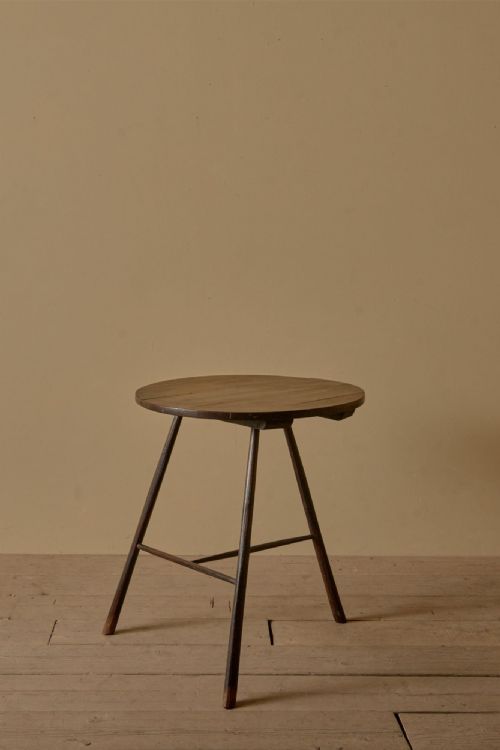
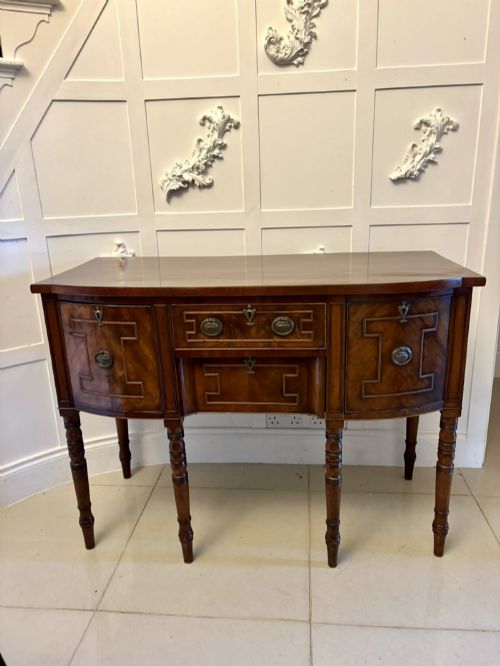
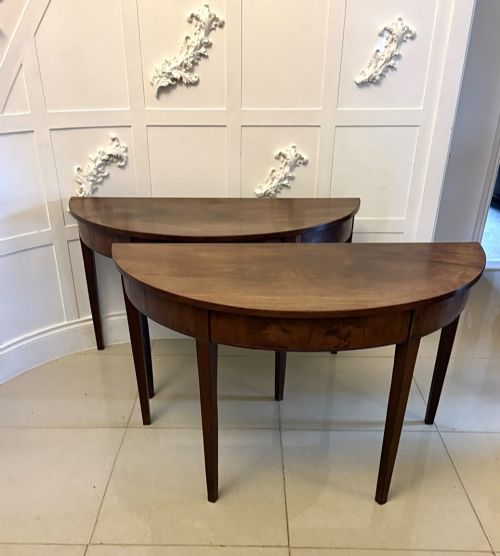
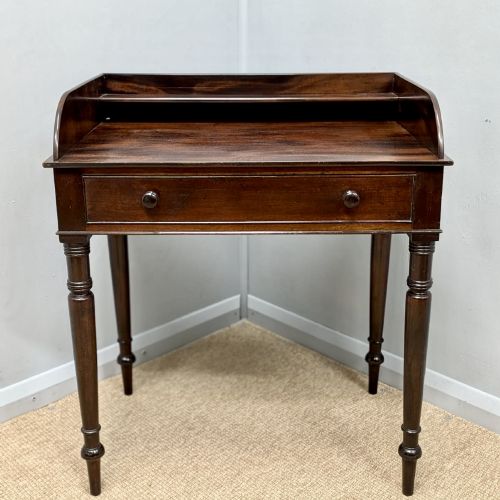
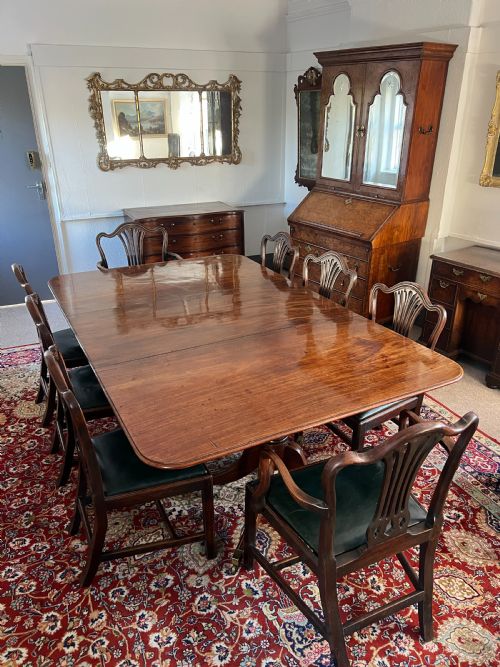
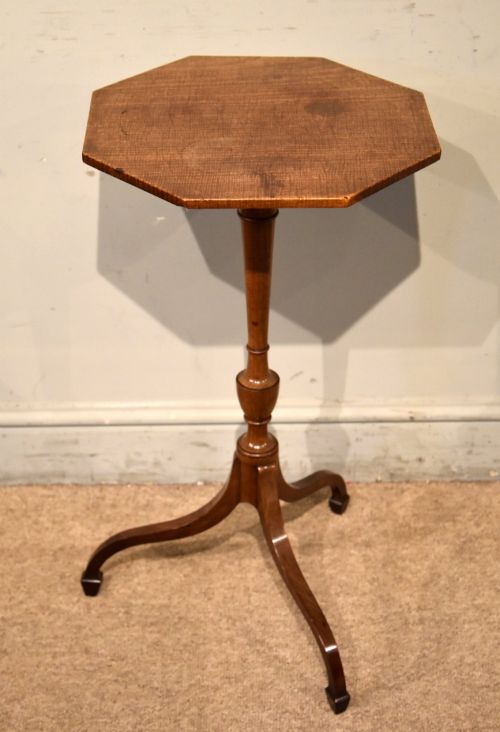
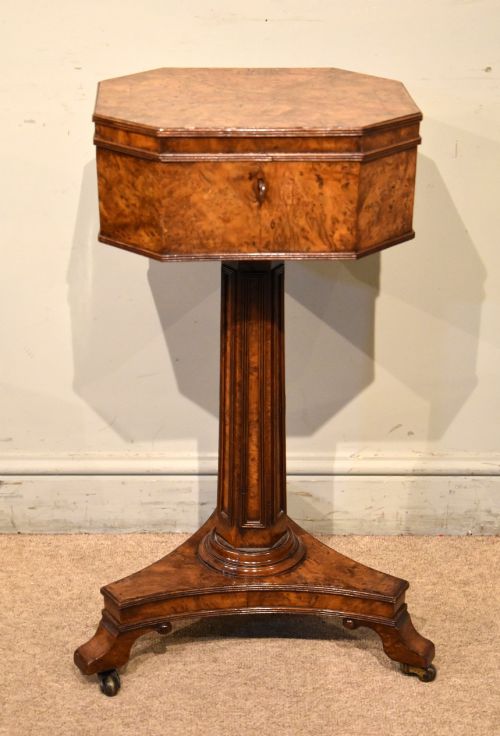
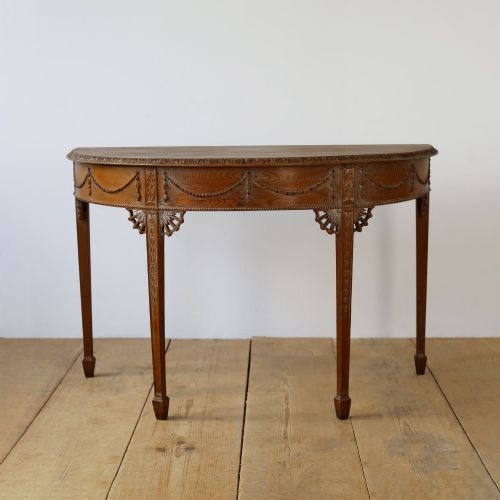
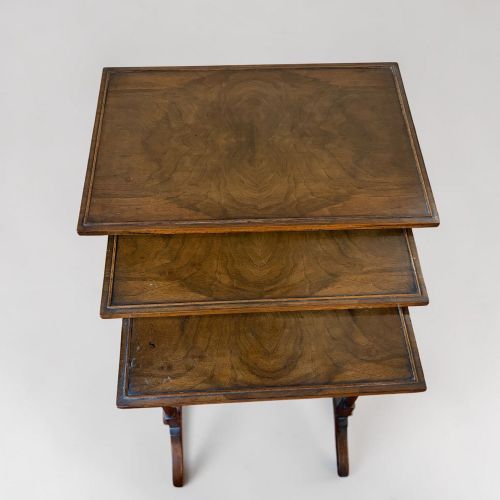
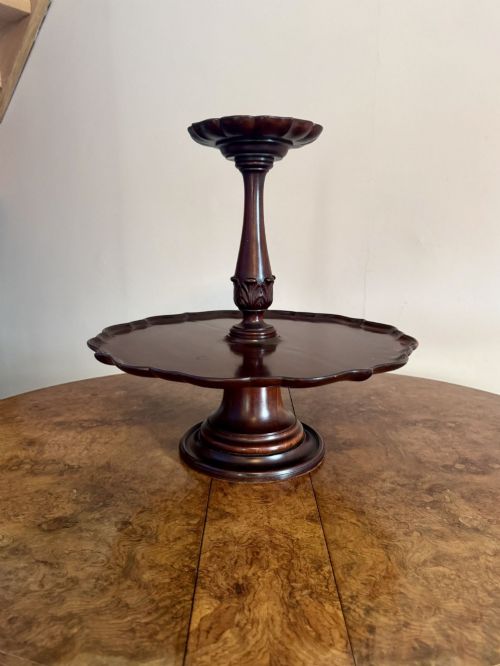
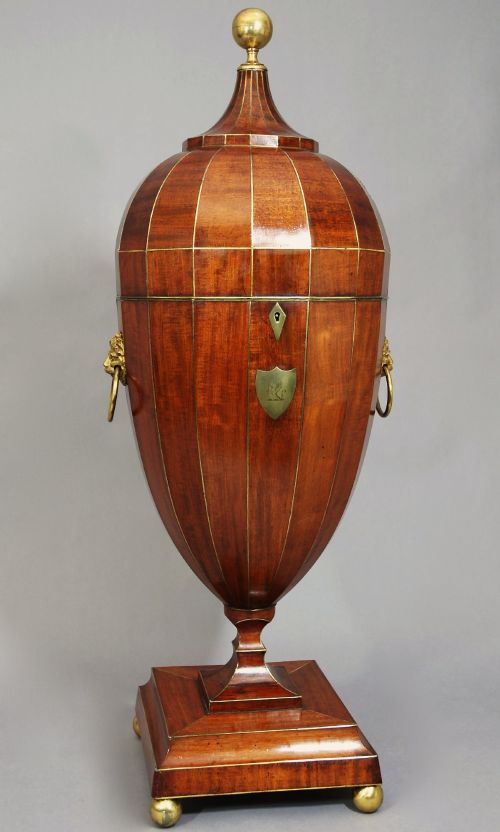
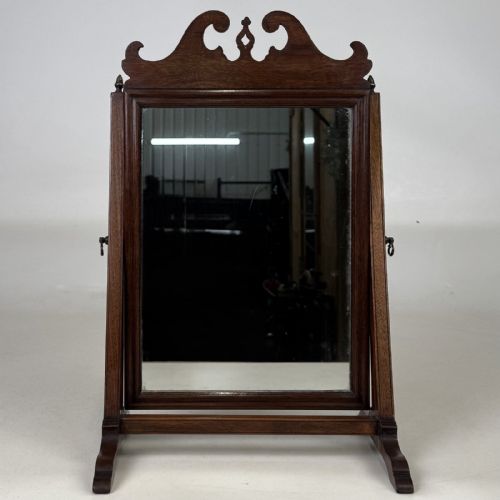
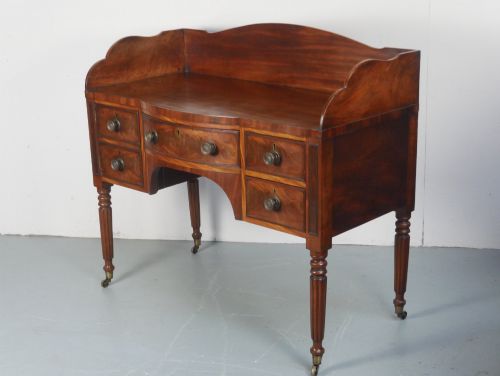
A georgian wooden table encompasses dining, side, occasional, and dressing forms produced during the eighteenth and early nineteenth centuries. Mahogany and oak dominate these survivals, appearing alongside walnut, elm, and yew in domestic spaces.
Buyers meet drop-leaf pembroke tables, extending dining tables on multiple pedestals, and compact lowboys configured for utility and display. The regional variations stretch from formal London workshops to provincial English country joinery.
The selection ranges from George III fold-over tea tables to utilitarian oak drop-leaf boards built for daily household service. Each piece reflects the structural demands of its original domestic context.
How they were made
Joiners built these tables using solid mahogany, oak, and elm timbers selected for figure and structural stability. Secondary woods like oak and deal often reinforced framing beneath primary show-timbers.
Constructive techniques relied on hand-cut dovetails for drawer assemblies and pegged mortise and tenon joints for frames. Turned supports, tapered legs, and drop-leaf hinges required precise hand-tool work without modern machinery.
Georgian Wooden Table Retail Price Guide 2026
Typical asking prices for georgian wooden table among the pieces listed under this phrase on Sellingantiques today, from the lower quarter to the upper quarter. They describe what is for sale here now, not the wider market.
Tables sometimes retain hidden compartments and secret drawers designed to outwit curious household guests.
What varies in quality
The grade of timber selection dictates visual merit, separating plain boards from richly figured Cuban mahogany or Burr walnut surfaces. Timber density and grain match across expansive drop-leaf or extending leaves reveal the maker's discipline.
Structural integrity depends on the precision of joinery and the survival of original turning, bracket feet, and brass fittings. Untouched surfaces with deep patination contrast against heavily restored timber and replaced hardware.
Taylor of London
The Georgian Wooden Table Glossary
- Lowboy
- A small dressing or side table fitted with one or more drawers and cabriole or straight legs. They date primarily from the eighteenth century.
- Pembroke table
- A small rectangular table with hinged drop leaves on either side, often fitted with a single drawer. It gained popularity during the late eighteenth century.
- Pillar table
- A table supported by a central column rising from a tripod or platform base. These occasional and dining tables pivot or remain fixed.
- Gallery
- A raised wooden or brass rim bordering the top of a table or stand to prevent items from sliding off. They appear frequently on dressing and serving tables.
- Patina
- The surface sheen and colour developed by timber through age, light exposure, and regular polishing. Collectors value undisturbed patination.
Georgian Wooden Table: Frequently Asked Questions
What is a pembroke table?
A pembroke table is a versatile drop-leaf design featuring hinged flaps on two opposing sides. They served primarily as breakfast or occasional tables in Georgian drawing rooms.
Their compact footprint allowed them to sit against a wall when folded and expand quickly for writing or dining.
How do I date a wooden table?
Dating relies on examining construction methods, timber species, and stylistic vocabulary across the piece. Hand-cut dovetails, secondary framing woods, and leg profiles offer reliable chronological markers.
Changes in furniture fashion between Early Georgian, George III, and Regency periods left distinct structural signatures.
How do I care for antique mahogany?
Antique mahogany requires stable indoor humidity away from direct heat sources and strong sunlight. Regular dusting with a dry lint-free cloth preserves the surface.
Occasional application of traditional beeswax feeds the timber and maintains its natural lustre without sealing the grain.
What is a lowboy used for?
A lowboy functioned historically as a small dressing table or personal side table in bedrooms and parlours. Drawers provided storage for cosmetics, documents, or small valuables.
Modern buyers often utilise them as hallway consoles or compact writing desks.